Agave Macroacantha
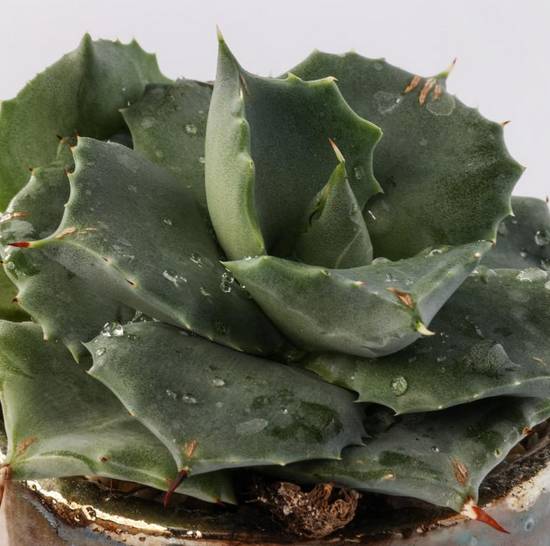
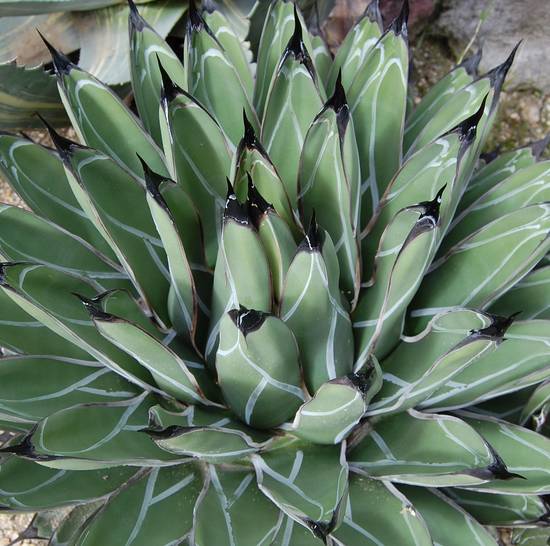
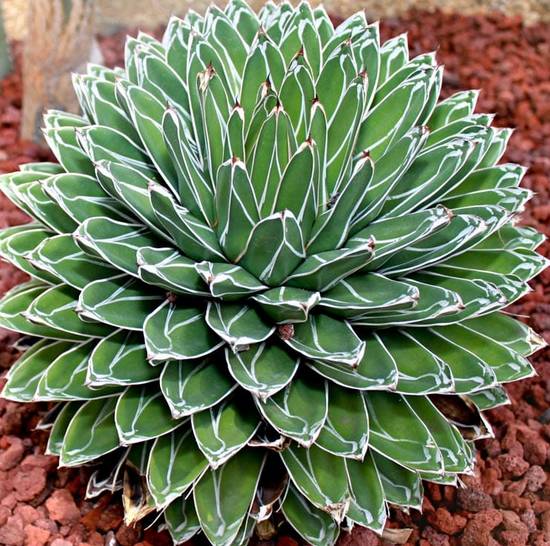
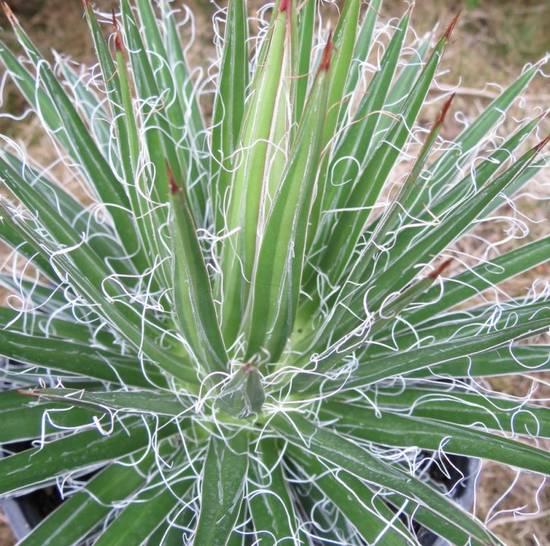
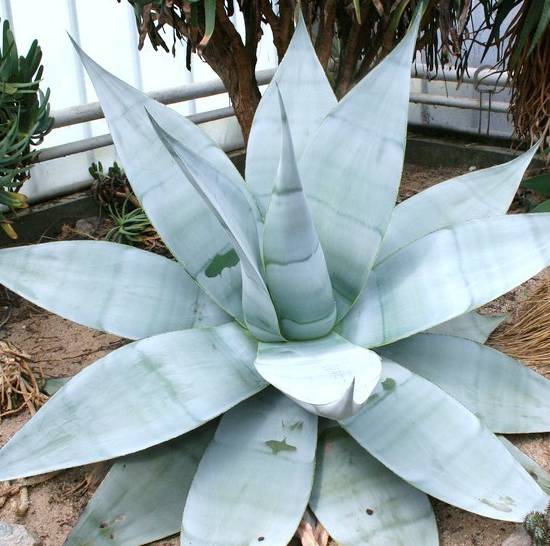
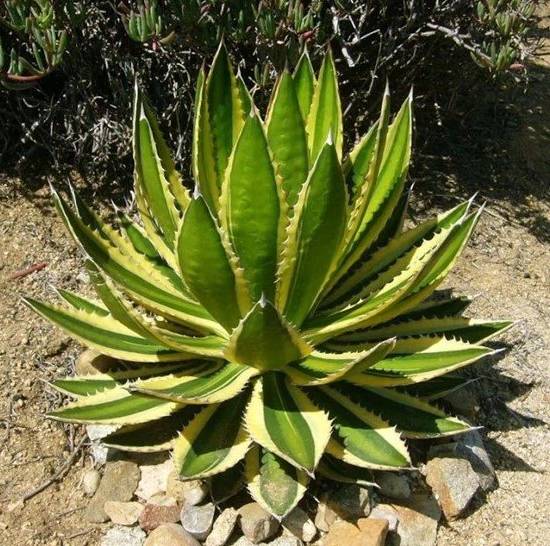
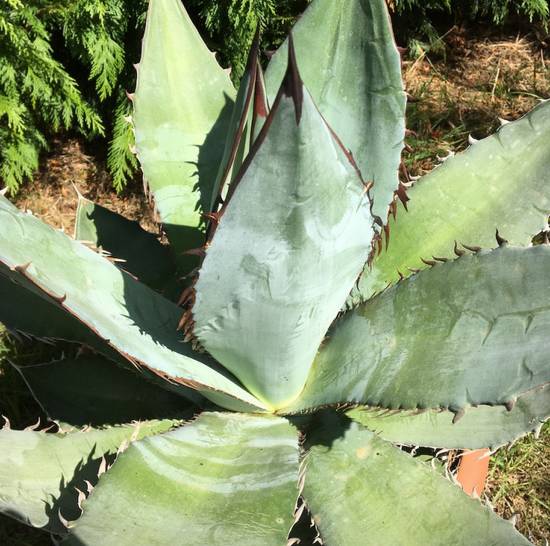
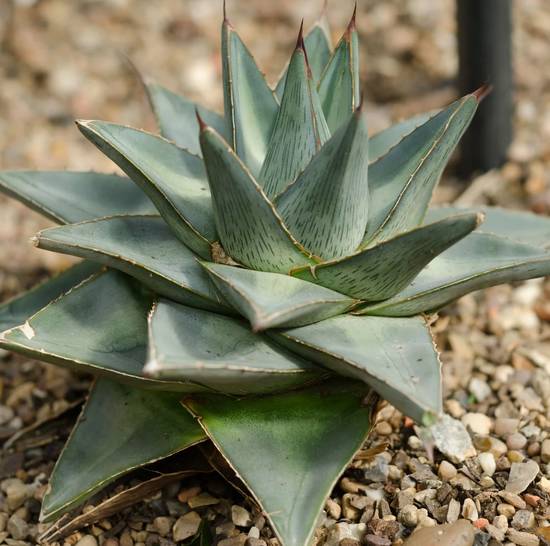
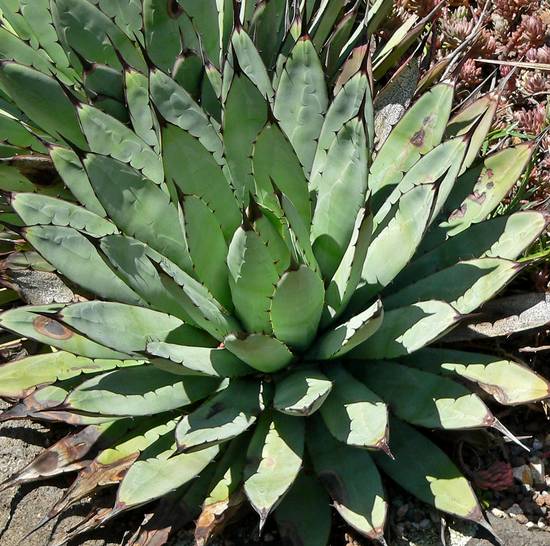
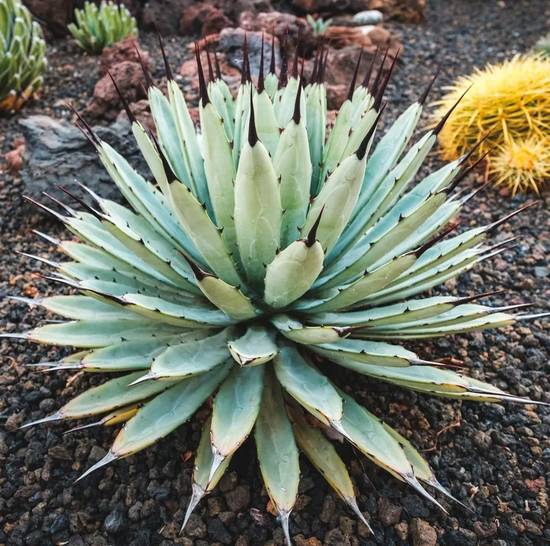
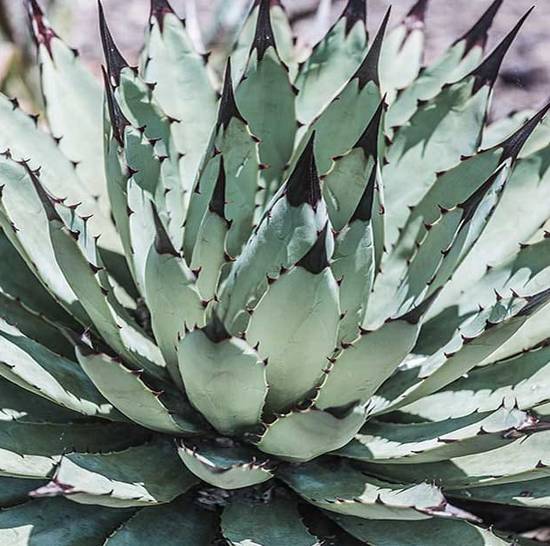
The Agave Macroacantha is a spectacular species native to Mexico, which immediately draws attention with its graphic and strikingly elegant appearance. This compact agave forms a dense and symmetrical rosette, with thick, rigid leaves in gray-blue or steel-blue tones. These leaves end in a long sharp black spine, hence its name “macroacantha”, meaning “large spines” in Greek. Along the leaf margins, small black teeth accentuate its defensive and sculptural look.
This desert jewel appeals to both collectors and dry garden enthusiasts. Space-saving yet highly ornamental, Agave Macroacantha is perfect for pots, rock gardens and xerophytic landscapes. It grows slowly, reaching about 40 cm in diameter at maturity, while maintaining a perfectly structured silhouette. Its coloration may vary depending on exposure, temperature and water stress, becoming more intense under full sun and in dry climates.
Beyond its graphic beauty, it is an extremely drought-resistant plant requiring very little maintenance. It is an ideal ally for a modern garden, a mineral balcony or a well-exposed cold greenhouse.
🌞 Full sun essential : outdoors, it appreciates 6 to 8 hours of direct sun daily.
🌤️ Indoors : place it behind a south-facing window or in a well-exposed veranda. It tolerates some shade, but this will slow its growth and reduce its blue coloration.
💡 Insufficient light causes etiolation, leaf elongation, and a general loss of vigor.
🌱 Spring / summer : water once every 2 to 3 weeks, when the substrate is completely dry.
🍂 Autumn / winter : space out watering, or stop completely if the plant is kept cool.
⚠️ Too much water causes leaf collapse, followed by rapid crown rot. It is better not to water for 1 month than to overwater twice in a row!
🌡️ Optimal temperature : between 20°C and 30°C.
❄️ Minimum temperature : down to –3°C occasionally, if protected from wet frost.
🏠 Recommended wintering : bring it into a bright, unheated room as soon as temperatures drop below 5°C.
🪨 Use a good succulent substrate lightened with 50% perlite or pozzolana. The pot must have a proper drainage hole.
🌸 Season : after 10 to 15 years, or even more, the plant produces a large flower stalk.
🎨 Flowers : tubular, pale yellow to greenish, borne in clusters along the stalk.
🕑 Life cycle : like all agaves, it dies after flowering, but may form offsets at the base.