
Trichocereus Forbesi

Trichocereus Forbesi

Trichocereus Forbesi

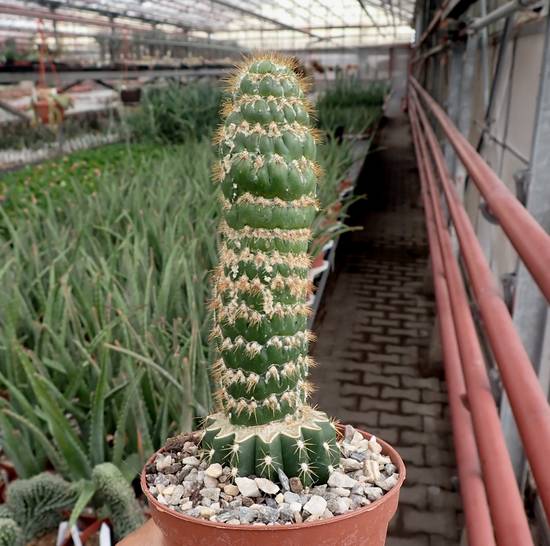
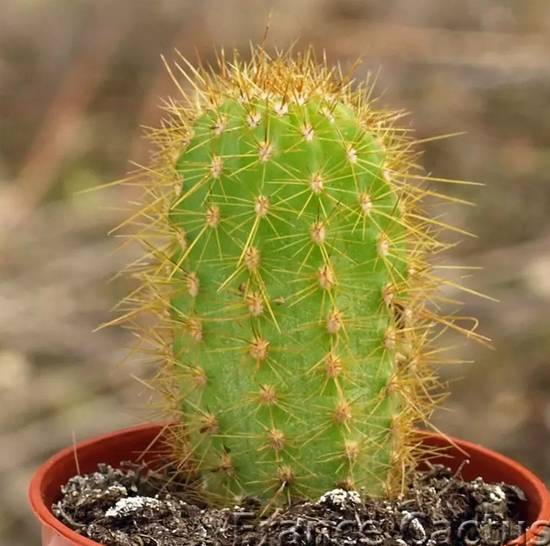
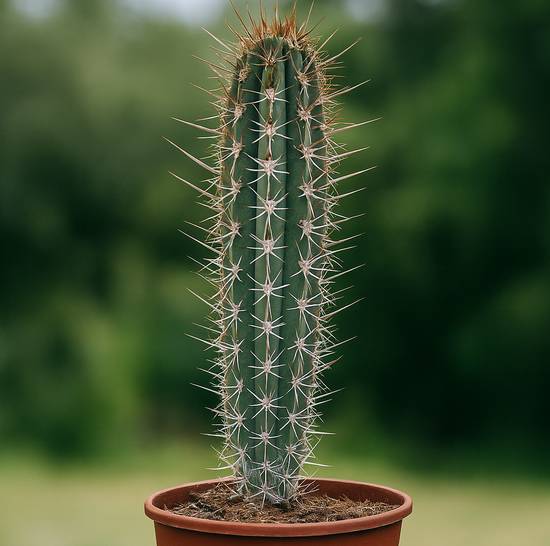
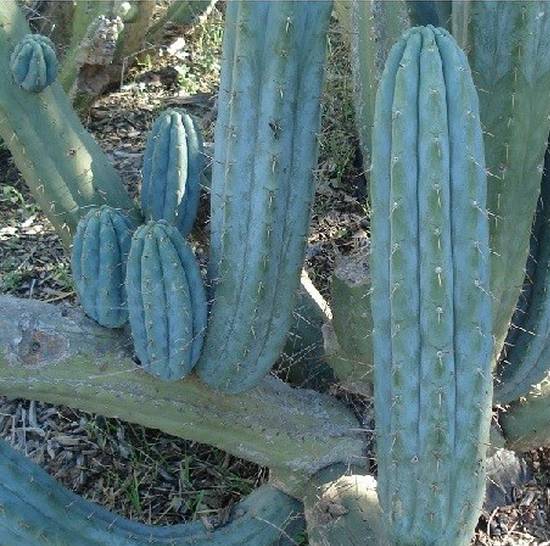
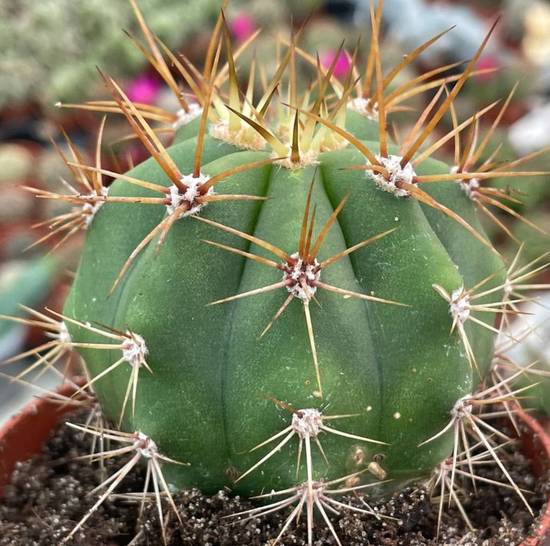
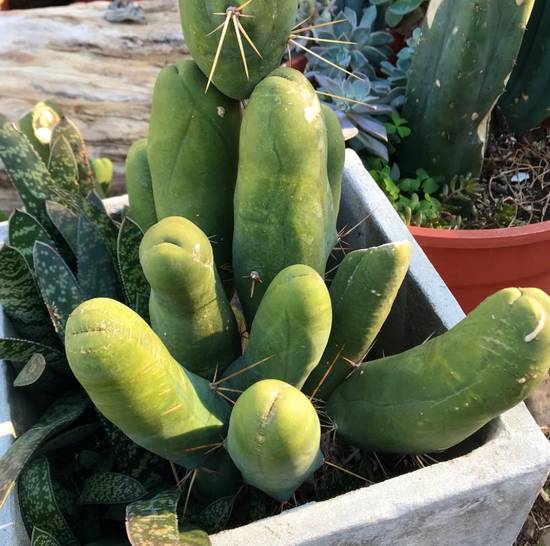
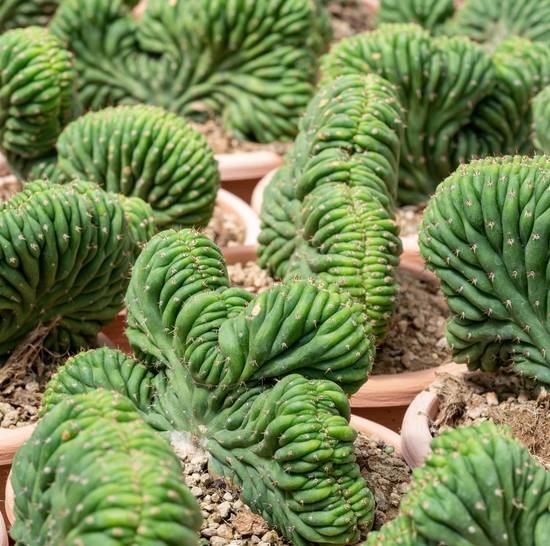
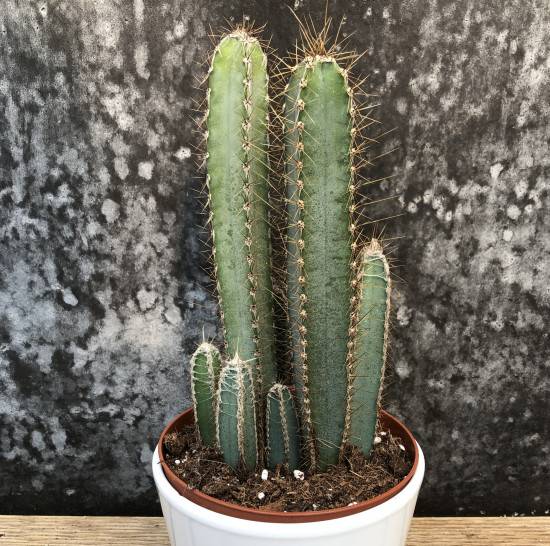
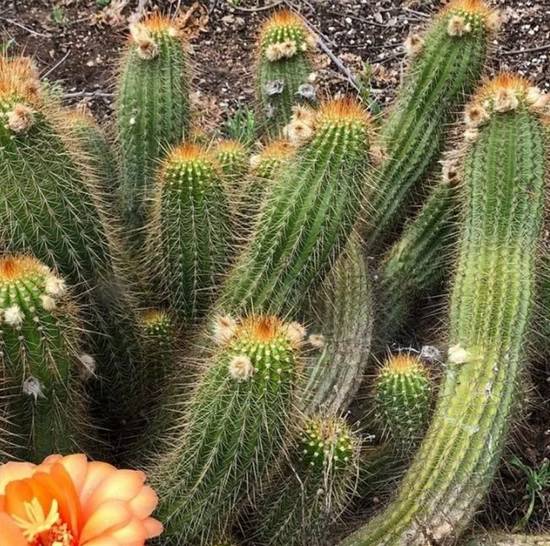
A robust columnar cactus, Trichocereus Forbesi develops upright stems with well-marked ribs covered in woolly areoles bearing blond to brown spines. When young, it keeps a slender silhouette sometimes slightly glaucous; mature Trichocereus Forbesi tends to branch from the base and forms sculptural clumps that enhance dry rock gardens, terrace containers and temperate greenhouses. Growth is vigorous in warm, bright climates, with regular internodes when ventilation is good and watering controlled.

Success depends on light: gentle morning full sun followed by strong brightness. Poor light causes elongation and weaker spination; good light keeps it compact with firm ribs. Apply the cycle “thorough watering then complete drying”: water deeply only when the mix is dry at depth, then allow to dry completely. This rhythm hardens tissues, protects the collar and promotes bud formation.

An Andean species from semi-arid regions, Trichocereus Forbesi grows on gravel slopes and rocky outcrops with intense sun and marked temperature fluctuations. In cultivation, reproduce this gradient: mineral substrate, spaced watering and dry winter rest.
To maintain firm ribs and dense spination, Trichocereus Forbesi requires strong progressive light.

🌞 Ideal: gentle full morning sun (4–6 h) + strong brightness in afternoon; acclimate after winter.

🏠 Indoors: very bright south/east exposure or veranda; weekly rotation.
Accustomed to rare rains, Trichocereus Forbesi prefers thorough but spaced watering on fully dry mix.

🌱 Spring/Summer: every 2–3 weeks in pots if totally dry.

🍂 Winter: almost dry, bright and cooler to prevent rot.
Built for dry heat, Trichocereus Forbesi tolerates brief cool spells if dry.

🌡️ Ideal: 18–32 °C in warm season; strong ventilation.

❄️ Minimum: about -5/-7 °C dry depending on strain; protect from winter rains.
To mimic its Andean screes, Trichocereus Forbesi requires a poor, very draining mix.

🪨 Base: heavily mineralized cactus substrate or soil + added perlite and pozzolana at the collar.
When the cycle is respected, Trichocereus Forbesi produces large fragrant nocturnal blooms.

🌸 Period: late spring to summer on well-established plants.

🎨 Colors: pure white to cream, sometimes pink-edged; golden stamens and scaly floral tube.

🕑 Keys: full sun, dry winter rest, tight pot and very moderate feeding.
FAQ - Trichocereus Forbesi

How to keep Trichocereus Forbesi upright without a permanent stake?
Choose a heavy terracotta pot, rotate weekly and use an airy medium; a good cactus substrate helps prevent leaning.
What spacing in a planter for two Trichocereus Forbesi intended to grow large?
Allow 40–60 cm; drain the base with drainage granules and keep clean mineral mulch at the crown.
Does Trichocereus Forbesi tolerate LED cultivation in winter?
Yes, 10–12 hours per day with ventilation; resume in spring with very diluted micro-doses of succulent fertilizer.
How to successfully propagate Trichocereus Forbesi without rot?
Make a clean cut, let callus 7–10 days then plant shallowly; first waterings sparing and light support with cactus fertilizer.
What water should be preferred for Trichocereus Forbesi in a pot?
Use low-lime water; quality cactus potting soil helps stabilize pH.
Can Trichocereus Forbesi overwinter outdoors in a mild climate?
Yes under rain shelter and kept dry down to light frosts; protect the crown with pumice mulch and bring indoors if wet frost is forecast.
How to densify the spination of Trichocereus Forbesi?
Provide full sun and moving air, space watering; prefer gentle half-dose applications of liquid cactus fertilizer.
Which pot best showcases Trichocereus Forbesi on a terrace?
A tall, heavy terracotta pot; create a simple mineral décor with well-aerated cactus substrate.
Why is my Trichocereus Forbesi stretching?
Insufficient light or pot too large; move closer to sun, reduce watering and repot snugly in mineralized cactus potting soil.
Which plant combinations enhance Trichocereus Forbesi?
Dwarf Agaves, Echinocereus and light gravel; complement with measured applications of succulent fertilizer during the growing season.