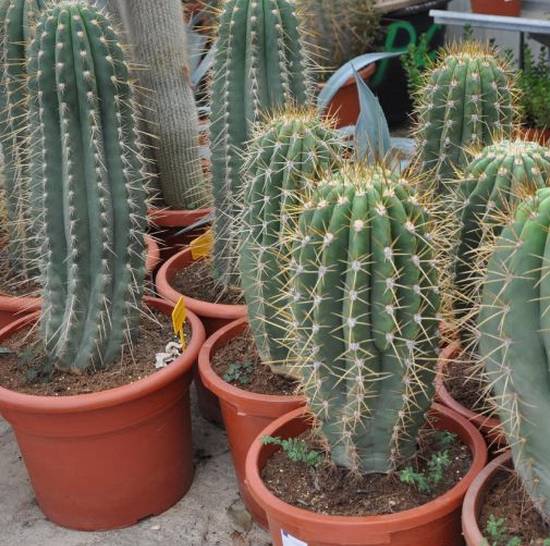
Trichocereus Pasacana
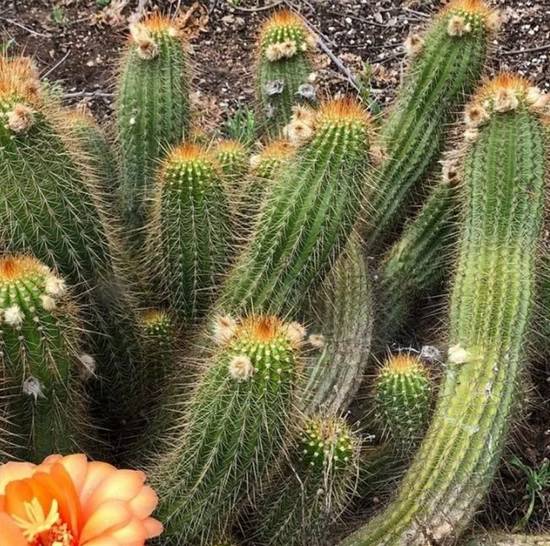
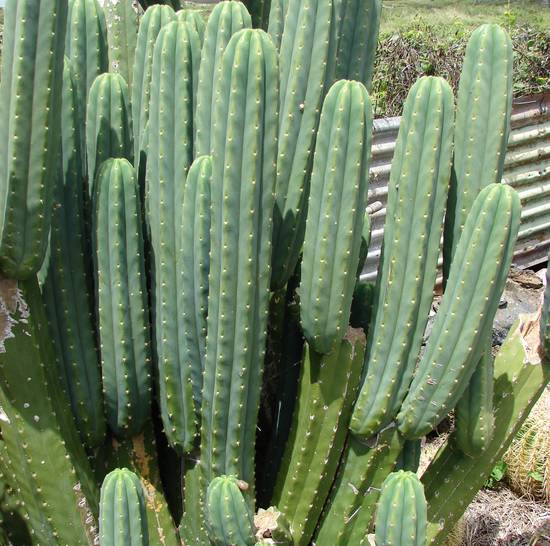
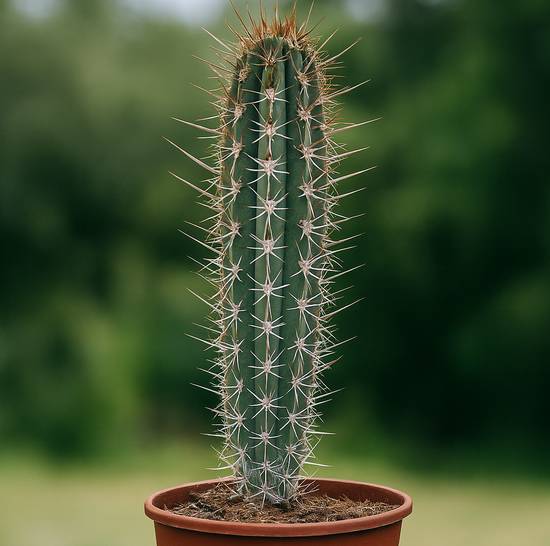
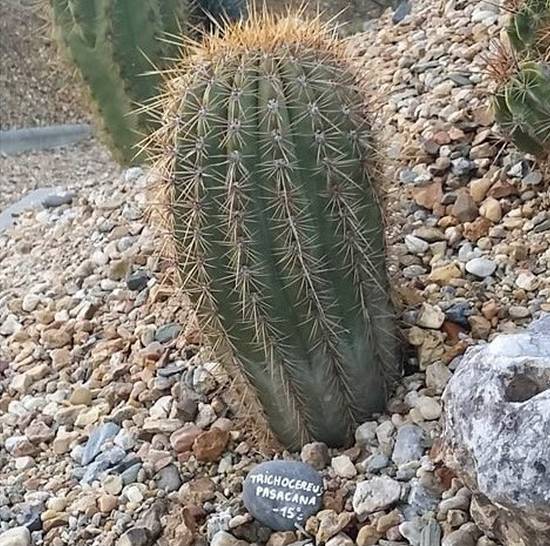
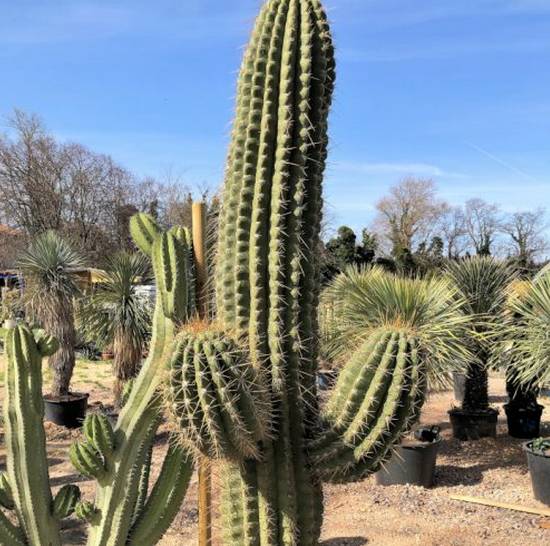
The Trichocereus Pasacana is an iconic giant cactus of the Andean highlands. It is one of the largest columnar cacti in the world, capable of reaching up to 10 meters in height in its natural habitat. It is often compared to the famous Carnegiea gigantea (the Saguaro), but its origin and appearance are quite distinct.
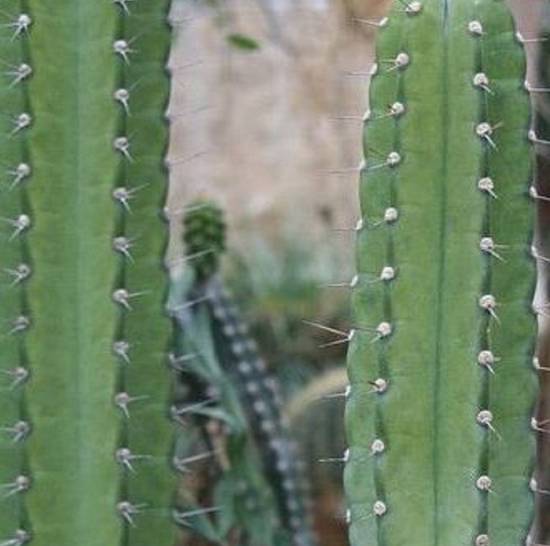
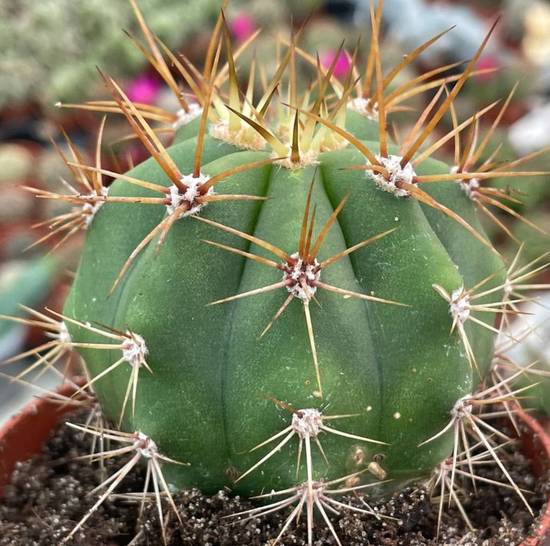
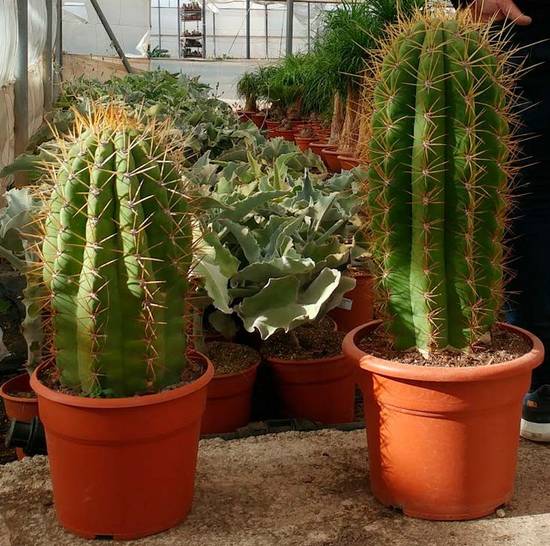
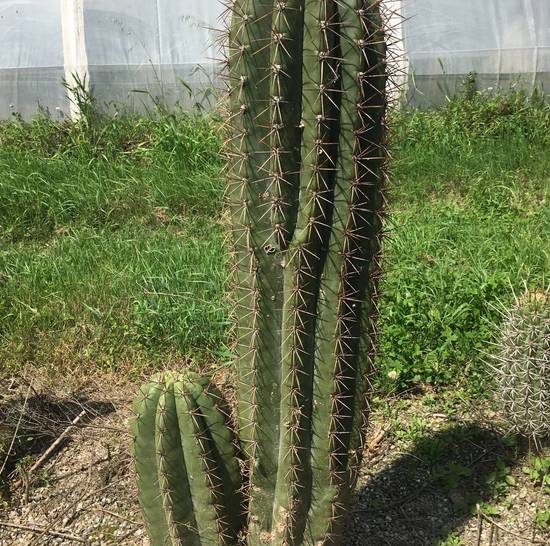
It is characterized by thick, upright and deeply ribbed stems, with a green-gray coloration covered in dense woolly areoles. These bear very long spines (up to 10 cm), rigid and sharp, ranging from golden yellow to rusty brown.
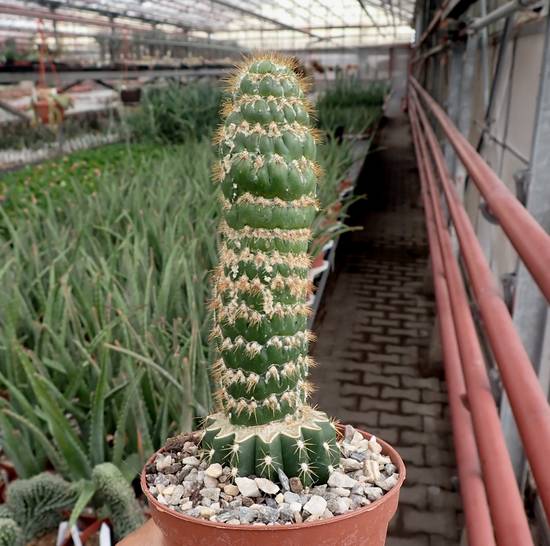
In cultivation, the Trichocereus Pasacana grows slowly but remains highly ornamental from a young age. It is ideal for large outdoor pots or rock gardens in mild, dry and sunny climates. Its cold tolerance makes it a majestic and robust columnar cactus.
It develops in rocky, dry, very sunny environments subject to large temperature variations. Its deep root system allows it to capture moisture deep in the soil.
🌞 Direct sun: Minimum 6 to 8 hours of light per day. It fully tolerates hot summers.
🌤️ Young plants: Acclimate gradually outdoors to avoid sunburn.
💡 Good sun exposure is essential to maintain a compact shape and stimulate growth.
🌱 Spring / summer: Water every 15 to 20 days, allowing the substrate to dry thoroughly between waterings.
🍂 Autumn / winter: No watering if temperatures fall below 10°C.
⚡ Golden rule: Never allow water to stagnate in the saucer or at the bottom of the pot.
🌞 Ideal temperature: between 18°C and 30°C.
❄️ Cold hardiness: Down to -7°C when dry. One of the hardiest South American columnar cacti.
🏠 Overwintering: In an unheated, bright and dry indoor space for potted plants.
🪨Recommended substrate: 50% 1 + 25% 1 + 25% 1.
💡 Elevating the pot with spacers or clay balls ensures optimal drying.
🌼 Season: summer (June to August)
🎨 Color: pure white to cream, funnel-shaped flowers
🕑 Duration: 1 to 2 days per flower
💡 Flowers appear at the tops of mature stems, often after several years.