Trichocereus Bridgesii
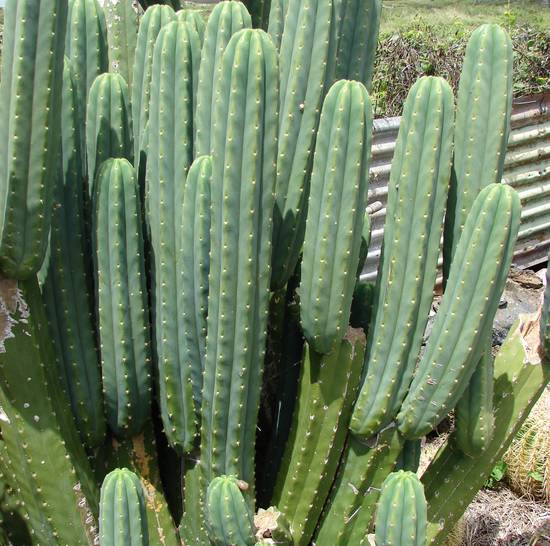
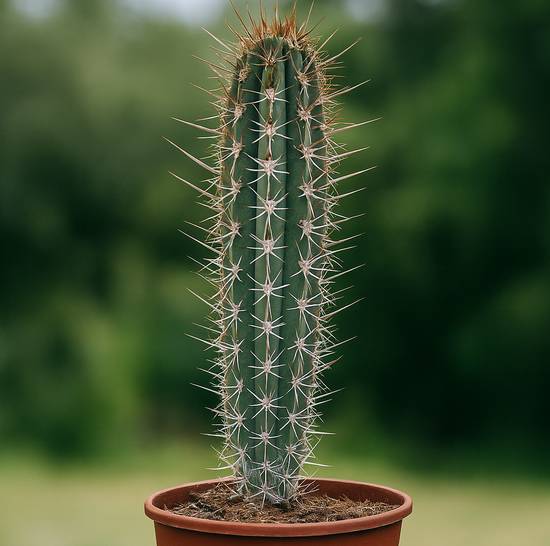
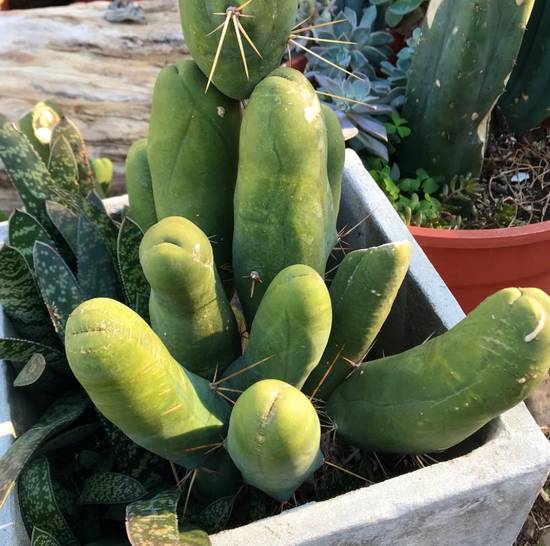
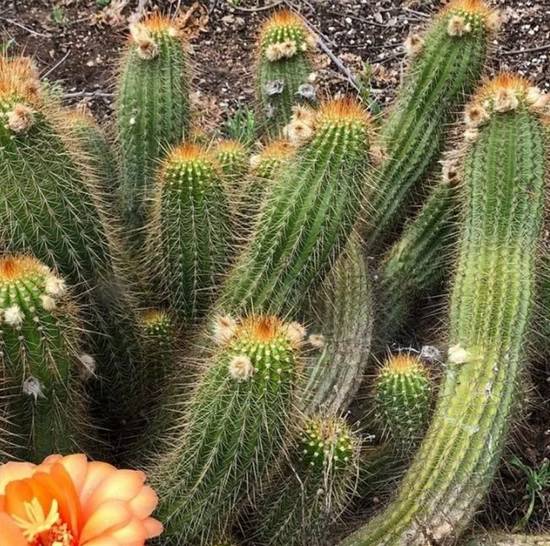
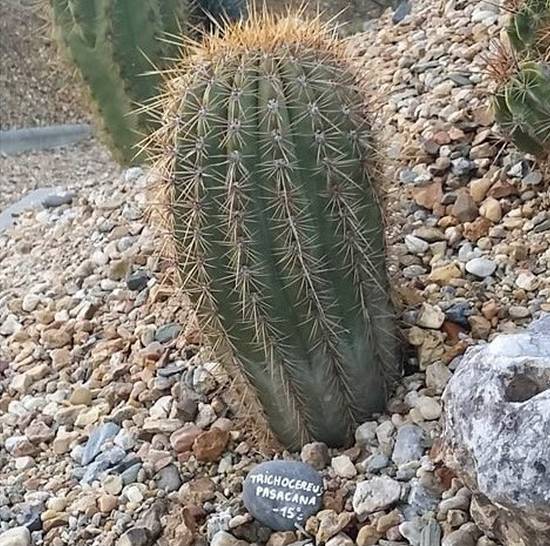
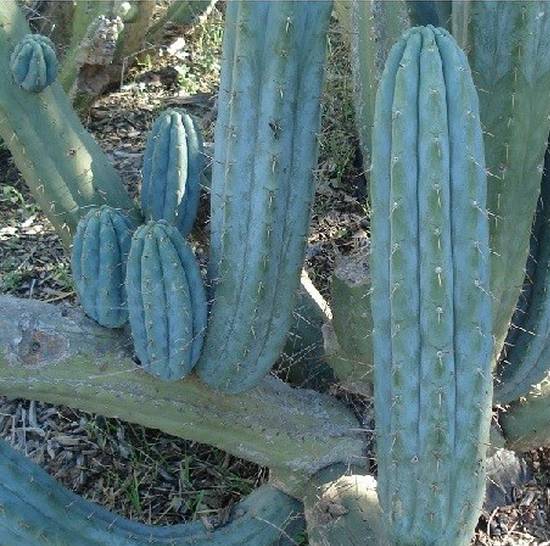
The Trichocereus Bridgesii is a columnar cactus native to Bolivia, highly appreciated for its fast growth, robustness, and minimalist appearance. Also known by its botanical name Echinopsis lageniformis, it grows upright to form a straight, slender green stem that can exceed 3 meters in height at maturity.
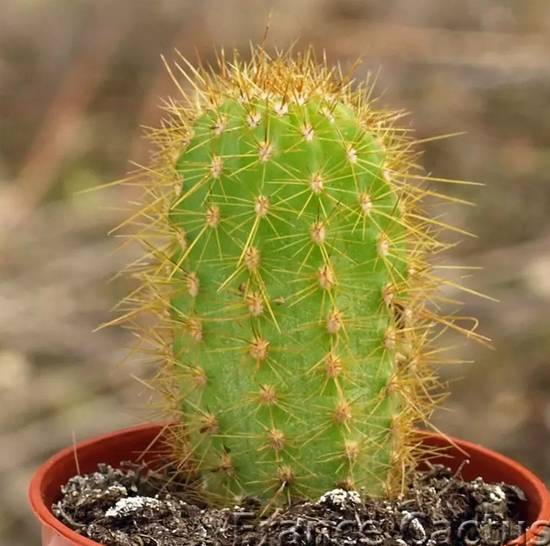
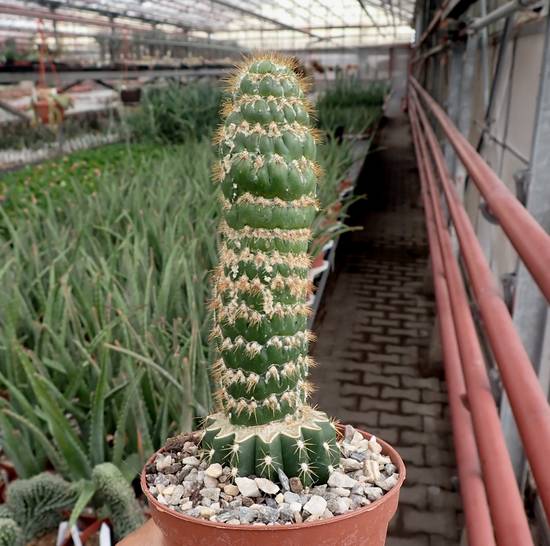
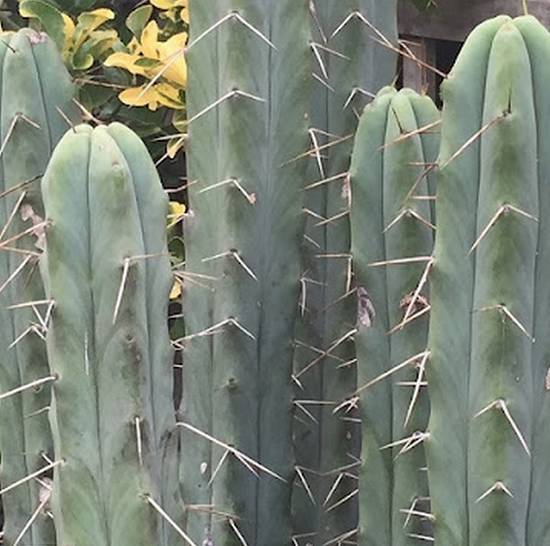
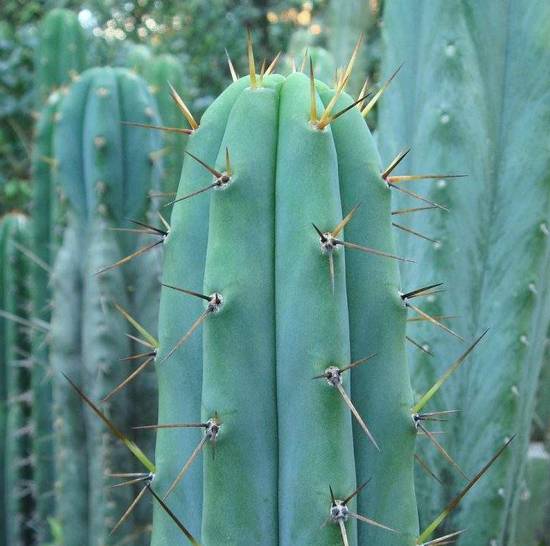
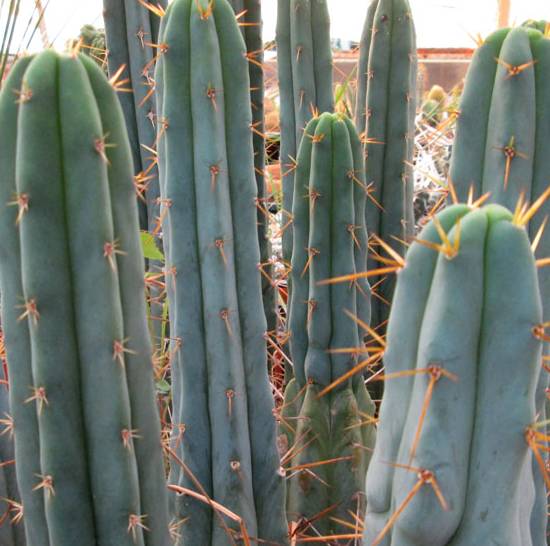
Its well-defined ribs are adorned with spaced areoles bearing long, straight, rigid spines ranging from yellowish to light brown. The overall look gives the Trichocereus Bridgesii a majestic and structured appearance, reminiscent of Andean desert landscapes.
This vertically growing cactus is very easy to cultivate in pots or in the ground (in mild climates). It is also prized for its ability to produce spectacular white flowers in summer, sometimes even on young, well-cared-for specimens.
It adapts well to both dry environments and slightly more humid areas, provided the soil is perfectly drained.
🌞 Full sun: at least 6 to 8 hours of direct sunlight per day, especially in spring and summer.
🌤️ Acclimation: if grown indoors, gradually increase sun exposure to avoid sunburn.
💡 Insufficient light slows growth and can cause etiolation.
🌱 Spring / summer: Water every 10 to 20 days depending on temperature and ventilation. The substrate must dry completely between waterings.
🍂 Autumn / winter: No watering below 10°C. Keep the plant dry to prevent rot.
⚡ Golden rule: Water thoroughly, then let dry completely. Never leave the pot standing in water.
🌞 Ideal temperature: between 20°C and 32°C.
❄️ Cold tolerance: can withstand short drops to -4°C if completely dry, but it is best to avoid going below 5°C.
🏠 Wintering: Protect from frost in a bright, dry place.
🪨 Recommended mix: 40% cactus potting soil + 30% pumice + 30% pozzolana.
💡 Tip: a layer of clay pebbles or gravel at the bottom of the pot improves drainage.
🌼 Season: summer, usually after several years of continuous growth.
🎨 Color: pure white, funnel-shaped flowers measuring 15 to 20 cm.
🕑 Duration: 1 to 2 days, generally nocturnal.
💡 A winter resting period is often required to trigger flowering.