Trichocereus Chiloensis
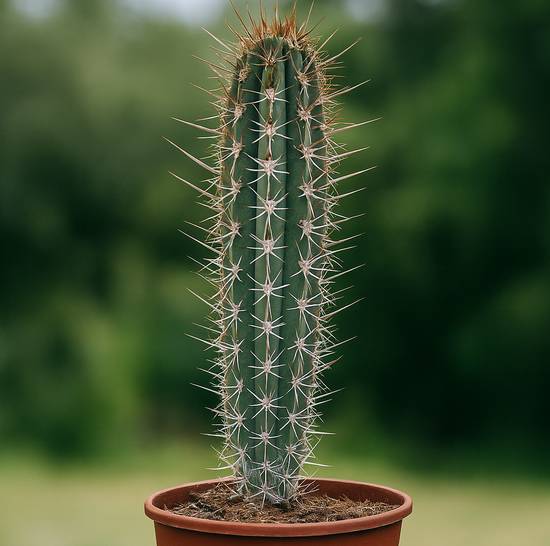
The Trichocereus Chiloensis is a spectacular and robust columnar cactus native to Chile. It is one of the most drought- and cold-tolerant South American cacti, making it an excellent choice for Mediterranean gardens or outdoor containers in sunny locations.
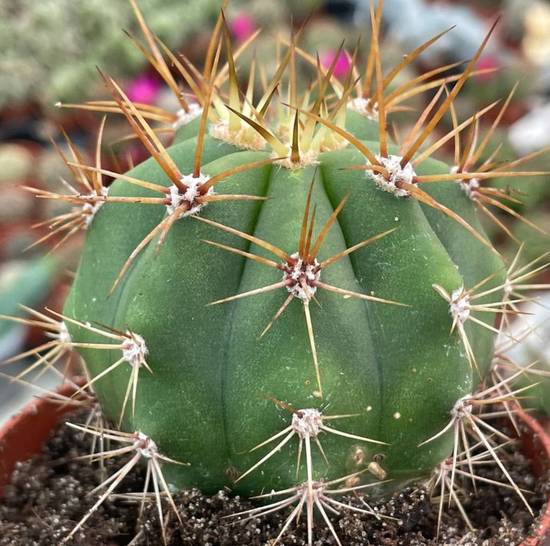
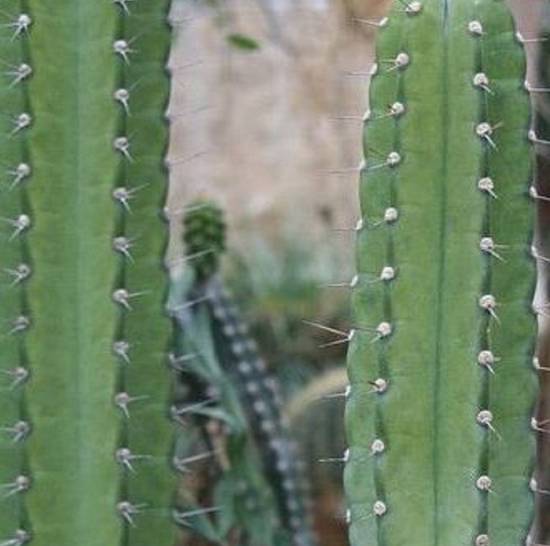
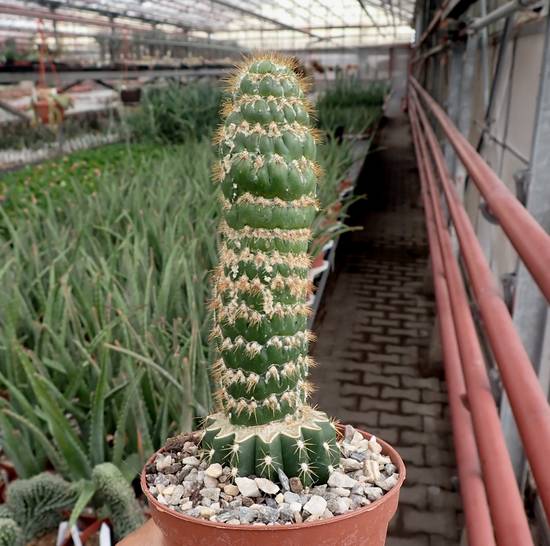
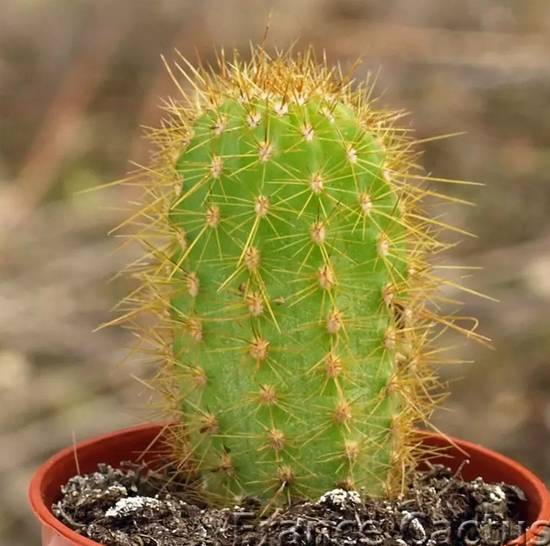
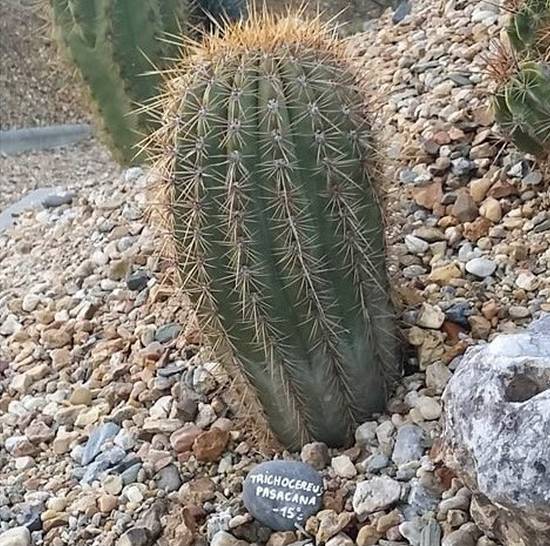
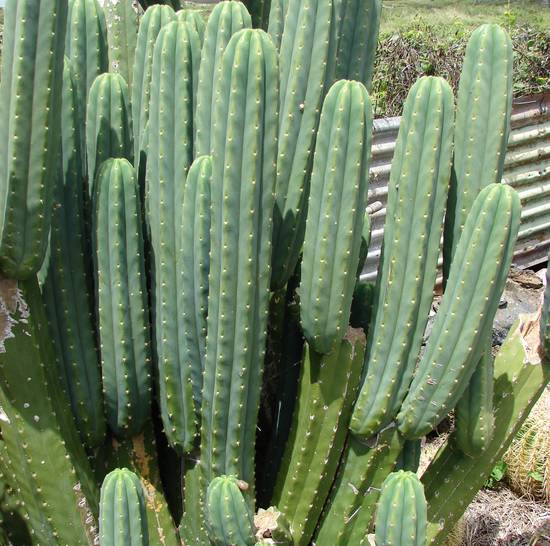
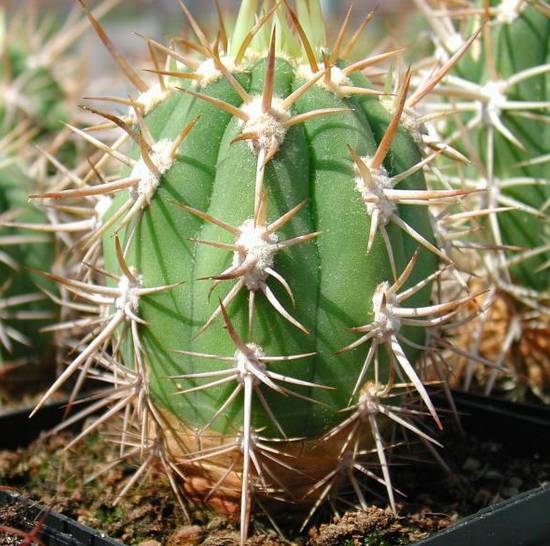
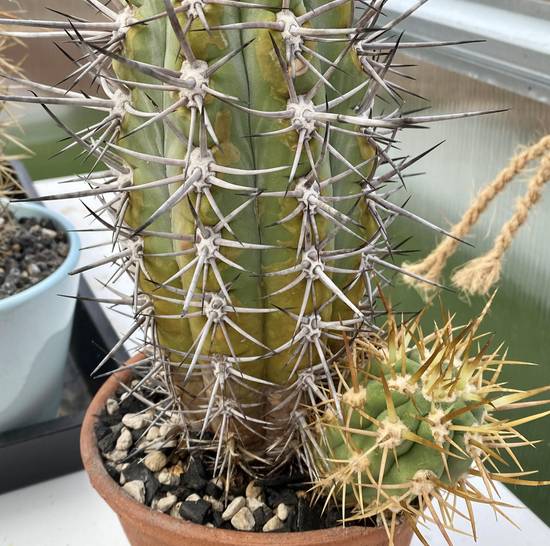
This cactus develops upright stems, usually branching from the base. Each stem features 10 to 20 well-defined ribs and numerous areoles bearing long yellow to gray-brown spines, sometimes very rigid. It can reach up to 5 meters in its natural habitat and about 1.5 to 2 meters in pots over several years.
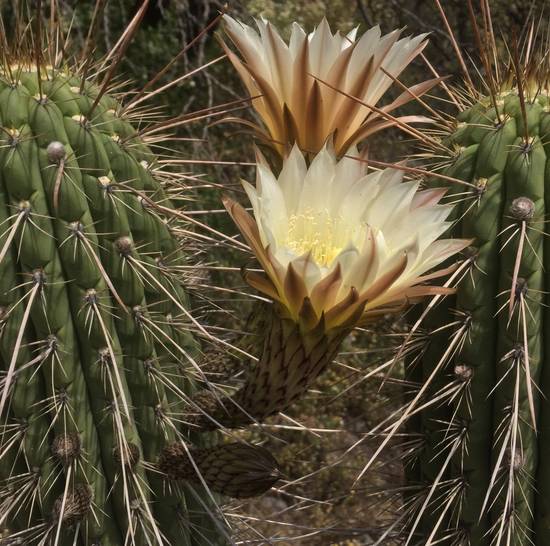
The Trichocereus Chiloensis is also known for its summer flowering: tubular white to cream flowers that contrast beautifully with the bluish-green stems.
The Trichocereus Chiloensis grows naturally on the hills and coastal mountains of central Chile, between Valparaíso and Coquimbo. It is found between 300 and 2,000 meters above sea level, often on rocky slopes exposed to full sun.
It tolerates coastal fog, dry winds and long periods without rain thanks to its highly efficient CAM metabolism.
It tolerates coastal fog, dry winds and long periods without rain thanks to its highly efficient CAM metabolism.
The Trichocereus Chiloensis is a true sun lover:
🌞 Optimal exposure: full sun all day if possible.
🌤️ Acclimation: young plants should be gradually introduced to direct sun to avoid burns.
💡 Grown in shade, it becomes etiolated and loses compactness.
🌞 Optimal exposure: full sun all day if possible.
🌤️ Acclimation: young plants should be gradually introduced to direct sun to avoid burns.
💡 Grown in shade, it becomes etiolated and loses compactness.
This cactus is extremely drought tolerant:
🌱 Spring / summer: water once every 3 weeks. Wait until the substrate is completely dry.
🍂 Autumn / winter: no watering required. A dry rest period is essential for longevity.
⚡ Important: avoid any watering during cold or humid weather.
🌱 Spring / summer: water once every 3 weeks. Wait until the substrate is completely dry.
🍂 Autumn / winter: no watering required. A dry rest period is essential for longevity.
⚡ Important: avoid any watering during cold or humid weather.
The Trichocereus Chiloensis is one of the hardiest columnar cacti:
🌞 Ideal temperature: 20°C to 30°C.
❄️ Cold tolerance: down to -7°C if kept dry. Ideal for regions with mild winters.
🏠 Wintering: can stay outdoors if well drained, otherwise keep in a cool, bright place.
🌞 Ideal temperature: 20°C to 30°C.
❄️ Cold tolerance: down to -7°C if kept dry. Ideal for regions with mild winters.
🏠 Wintering: can stay outdoors if well drained, otherwise keep in a cool, bright place.
Good drainage is essential:
🪨 Ideal substrate: 40% 1 + 30% 1 + 30% 1
💡 Avoid water retention, especially in winter.
🪨 Ideal substrate: 40% 1 + 30% 1 + 30% 1
💡 Avoid water retention, especially in winter.
The flowering of the Trichocereus Chiloensis is beautiful and abundant on mature plants:
🌼 Season: summer
🎨 Color: white to cream
🕑 Duration: 2 to 3 days
💡 Flowers open during the day at the tops of the stems.
🌼 Season: summer
🎨 Color: white to cream
🕑 Duration: 2 to 3 days
💡 Flowers open during the day at the tops of the stems.
FAQ - Trichocereus Chiloensis
How to recognize excess moisture in Trichocereus Chiloensis?
Dark spots, collapse at the base, mold. React quickly with dry substrate.
How do I know if Trichocereus Chiloensis lacks water?
Ribs shrink and the skin wrinkles. Moderate watering is sufficient.
What substrate for Trichocereus Chiloensis?
Draining mix: cactus potting soil, pumice, and pozzolana.
Can Trichocereus Chiloensis be grown in a pot?
Yes, provided you use a large pot, good drainage, and plenty of light.
Is Trichocereus Chiloensis toxic?
No, but the spines are long and rigid. Use gloves when handling.
Should Trichocereus Chiloensis be fertilized?
Yes, monthly from March to September with a special cactus fertilizer.
Can Trichocereus Chiloensis be propagated?
Yes, by cuttings or seed. The stems can produce offsets.
When should Trichocereus Chiloensis be repotted?
Every 3 to 4 years, in spring.
Does Trichocereus Chiloensis flower easily?
Yes, but only after several years of outdoor cultivation with good exposure.
Can Trichocereus Chiloensis be grown outdoors all year round?
Yes, in regions without prolonged frost. Otherwise, protect it in winter.