Trichocereus Bridgesii
Monstruoso

Trichocereus Bridgesii Monstruoso

Trichocereus Bridgesii Monstruoso

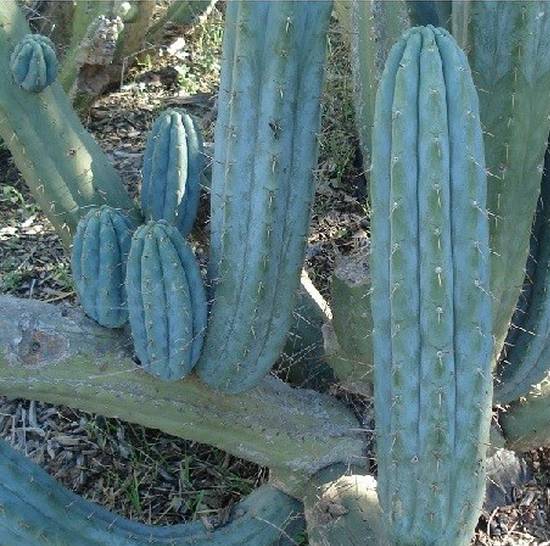
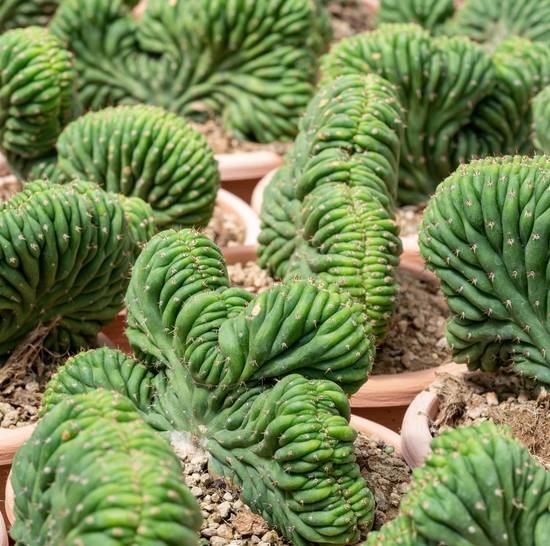
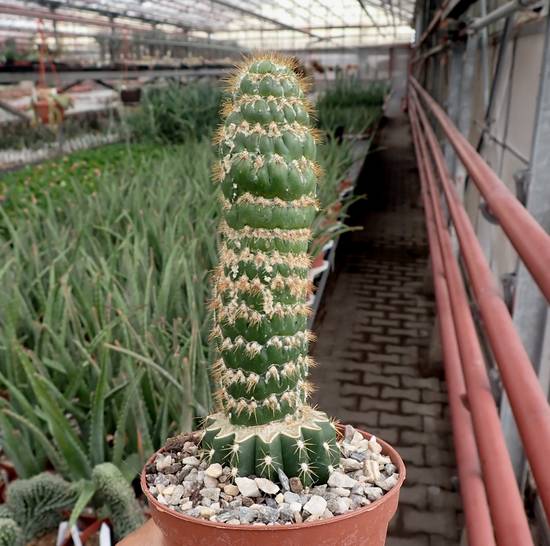
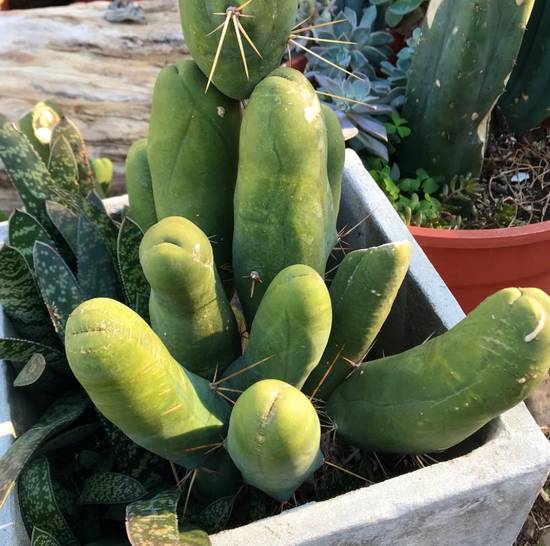
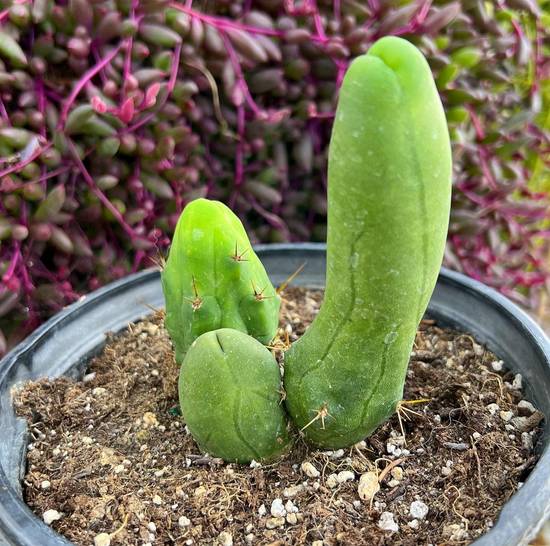
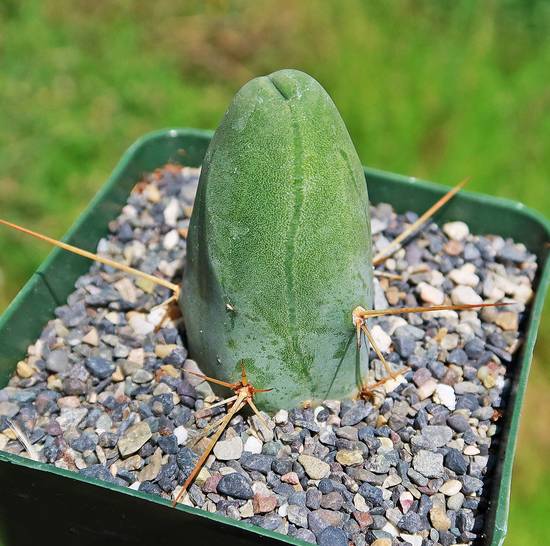
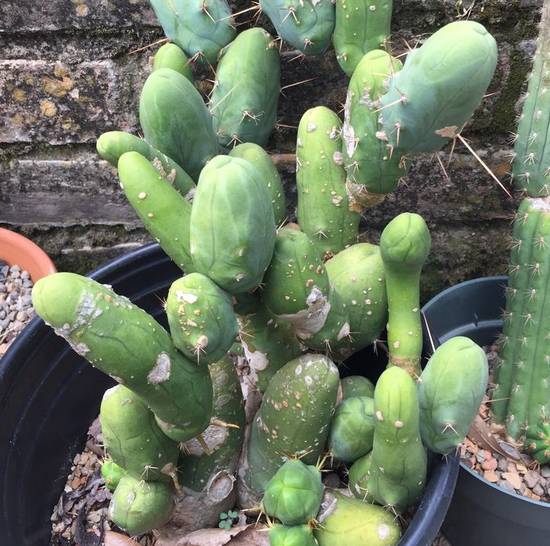
The Trichocereus Bridgesii Monstruoso is a mutant form of the famous Trichocereus Bridgesii, native to Bolivia. It is sought after for its twisted, deformed and unpredictable stems, which give it a completely sculptural appearance. Each specimen is unique, with shapes reminiscent of twisted fingers or vegetal chandeliers.

Unlike the classic form, the monstruoso does not grow as a straight column, but often forms deformed, lumpy or branched segments. Its areoles are close together, sometimes fused, with small white spines or none at all depending on the lineage.

Its growth is relatively fast for a monstrous form, especially if growing conditions are good. It attracts lovers of botanical curiosities, collectors and enthusiasts of unusual forms.

The Trichocereus Bridgesii Monstruoso does not occur in the wild. It is an unstable and rare mutation resulting from the cultivation of Trichocereus bridgesii (Echinopsis lageniformis), native to Bolivia.

This cactus has been preserved and propagated for its singular shapes, which vary from one plant to another. Today it is found among collectors and in specialized greenhouses around the world.
The Trichocereus Bridgesii Monstruoso likes light, but must be acclimated gradually:

🌞 Soft sun to bright partial shade: ideally 5 to 6 hours of direct light, without brutal exposure.

🌤️ Gradual acclimation: avoid sudden full sun, especially on young, non-acclimated plants.

💡 Indoors, place it behind a very bright window or under a horticultural LED lamp.
This mutated cactus is more sensitive to excess moisture than the normal form:

🌱 Spring / summer: Water every 20 days, allowing the substrate to dry completely.

🍂 Autumn / winter: No watering below 10°C. Keep dry.

Golden rule: Too much water = sudden death. Better too dry than too wet.
The Trichocereus Bridgesii Monstruoso is quite sensitive to cold:

🌞 Ideal temperature: between 20°C and 30°C.

❄️ Minimum tolerated: 5°C. Bring indoors as soon as nights become cool.

🏠 Overwintering: Indoors, dry, with maximum light.
Drainage is essential to prevent rot:

🪨Recommended substrate: 40% cactus potting soil + 30% pumice + 30% pozzolana.

💡 Use a terracotta pot for better root aeration.
Flowering is extremely rare in this form, but not impossible:

🌼 Season: summer (if it occurs)

🎨 Color: white to cream

🕑 Duration: 1 to 2 days

💡 In cultivation, priority is given to form rather than flowering.
FAQ - Trichocereus Bridgesii Monstruoso

How to recognize excess moisture in Trichocereus Bridgesii Mostruoso?
Softening at the base, appearance of dark spots, collapse: stop all watering and repot in dry substrate.
How do I know if Trichocereus Bridgesii Mostruoso lacks water?
The stems wrinkle or retract slightly. Moderate watering is then sufficient.
What substrate for Trichocereus Bridgesii Mostruoso?
A very draining mix composed of cactus potting soil, pumice, and pozzolana.
Can Trichocereus Bridgesii Mostruoso be grown indoors?
Yes, provided it receives very bright exposure, ideally full south.
Should Trichocereus Bridgesii Mostruoso be fertilized?
Yes, once a month in spring with a low-nitrogen cactus fertilizer.
Is Trichocereus Bridgesii Mostruoso toxic?
No, but be careful of small spines if present.
When should Trichocereus Bridgesii Mostruoso be repotted?
Every 2 to 3 years, in spring, with fresh substrate.
Does Trichocereus Bridgesii Mostruoso grow quickly?
Yes, for a monstrous form, it has relatively fast growth.
How to propagate Trichocereus Bridgesii Mostruoso?
By cuttings: let it heal for 10 days, then plant in dry substrate.
Why is my Trichocereus Bridgesii Mostruoso not growing?
Lack of light or substrate too wet. Check exposure and aeration.