Trichocereus Pachanoi

Trichocereus Pachanoi

Trichocereus Pachanoi

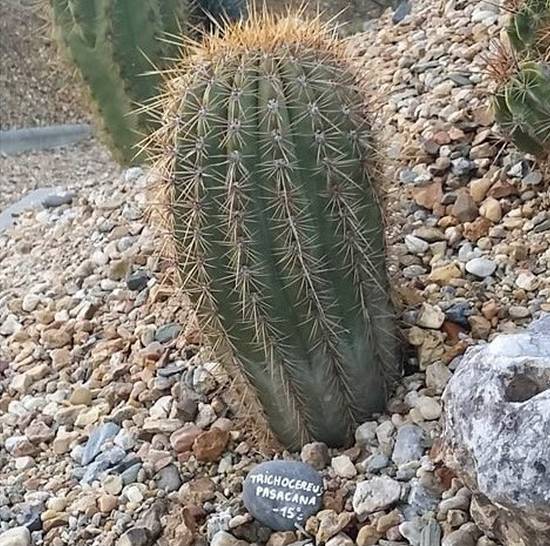
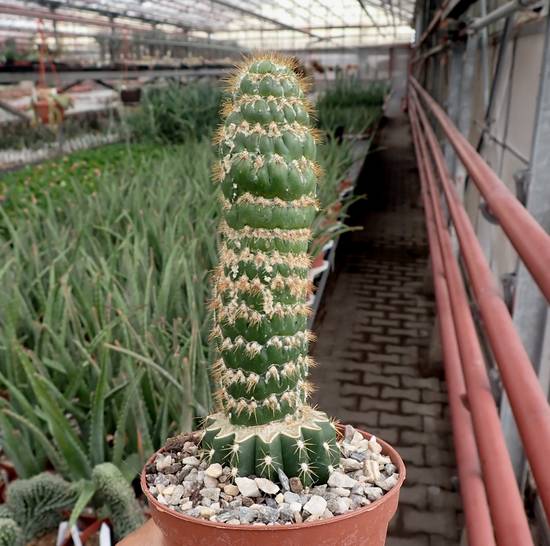
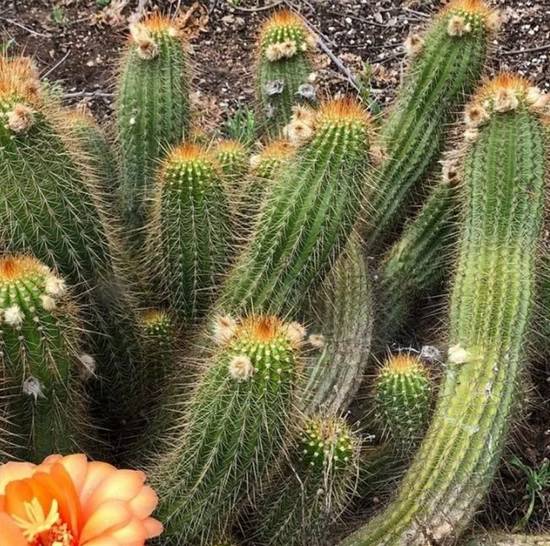
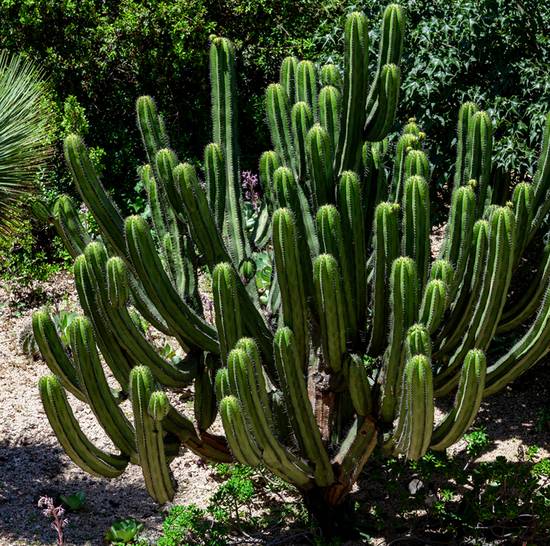
The Trichocereus Pachanoi, also known as San Pedro, is a columnar cactus native to the Andes. It is a legendary species cultivated for centuries for its ornamental, medicinal and sometimes shamanic uses. It is distinguished by its fast growth, elegant column shape, and its ability to adapt to various environments.

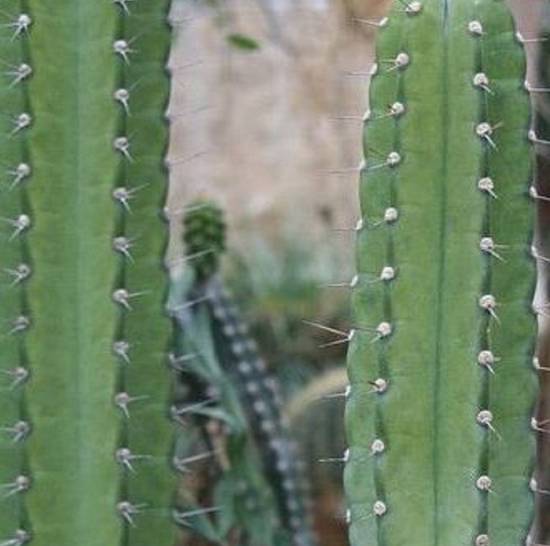
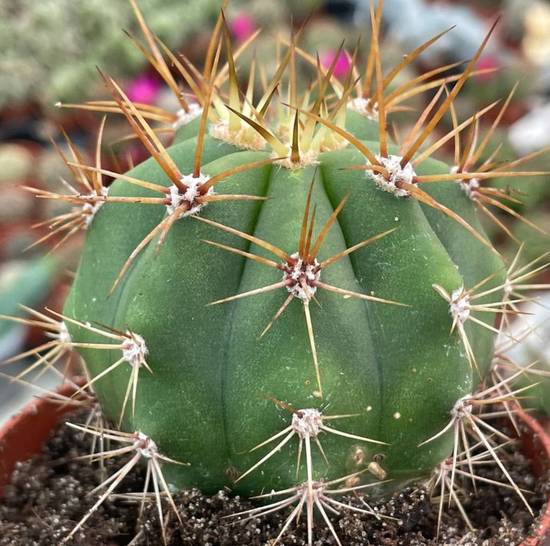
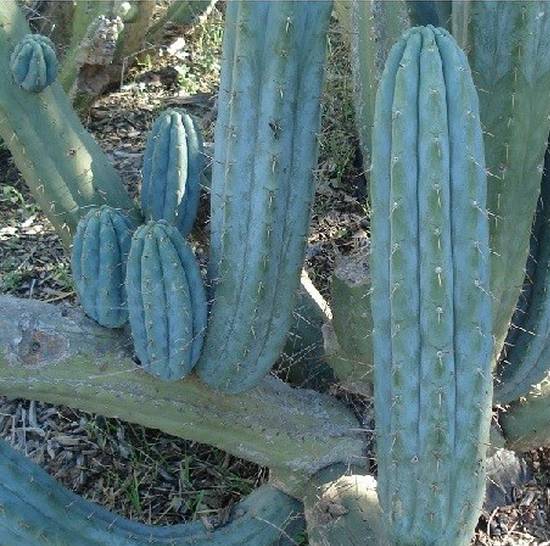
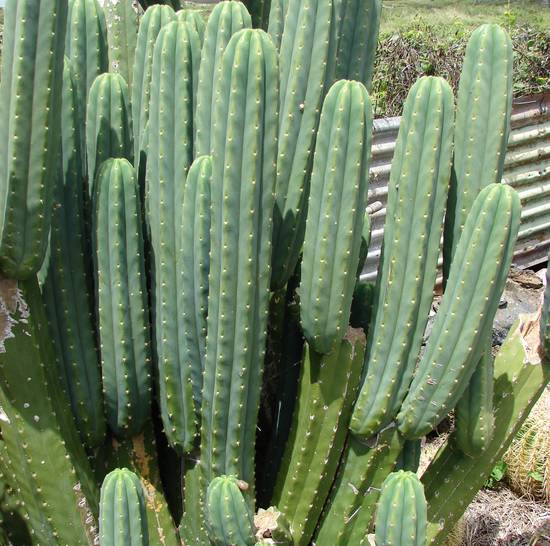
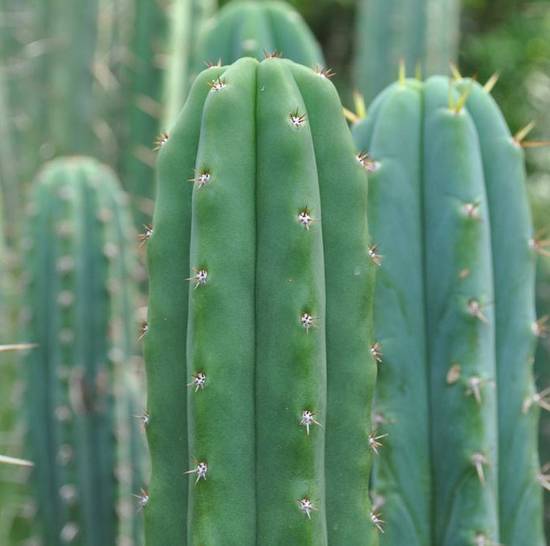
This cactus features a bluish-green to light green stem with shallow rounded ribs. It can reach up to 6 meters in height in its natural habitat, but remains much smaller when grown in pots. The areoles bear short spines (sometimes absent in cultivated specimens) arranged symmetrically.

Its modern and minimalist appearance makes it an excellent choice for arid gardens, minimalist pots, or remarkable cactus collections. Hardy, vigorous and undemanding, it is also known to flower abundantly once mature.

The Trichocereus Pachanoi is native to the Andes mountain range, in regions spanning Peru, Ecuador and northern Chile. It is found up to 3,000 meters in altitude, on well-exposed slopes.

This cactus is perfectly adapted to rocky, arid environments, strong day-night temperature variations, and well-drained mineral soils.
To successfully grow Trichocereus Pachanoi, proper exposure is essential:

🌞 Direct sunlight: 5 to 8 hours per day is ideal for healthy growth.

🌤️ Acclimation: After winter, gradually expose it to full sun.

⚠️ Lack of light causes pale, stretched growth (etiolation).
The Trichocereus Pachanoi appreciates moderate but regular watering during summer:

🌱 Spring / summer: Water when the soil is completely dry. In pots, about once every 15 days.

🍂 Autumn / winter: Stop watering when temperatures fall below 12°C.

💧 Always use non-calcareous water and avoid wetting the stem.
The Trichocereus Pachanoi is fairly resistant to dry cold:

🌡️ Growing temperature: 20–28°C.

❄️ Tolerance threshold: Can withstand light frost down to −5°C if kept dry.

🏠 Wintering: Indoors in bright light or in an unheated cold greenhouse.
Like all cacti, Trichocereus Pachanoi dislikes stagnant moisture.

🪨 Ideal substrate: equal parts of cactus soil, pumice stone and pozzolana.
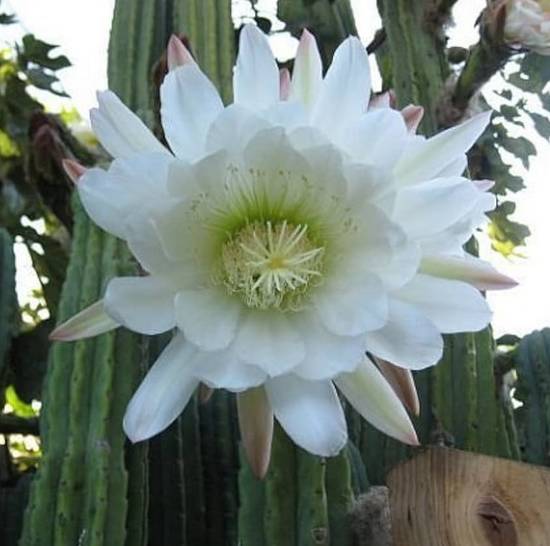
The flowering of Trichocereus Pachanoi is spectacular and fragrant:

🌸 Season: between May and July

🌼 Form: large white tubular nocturnal flowers

🌙 Special feature: flowers open at dusk and last one night

💡 A mature, well-fed plant can produce several flowers per year.
FAQ - Trichocereus Pachanoi

What signs indicate that Trichocereus Pachanoi needs water?
Its stem softens or slightly hollows. Watering with a little fertilizer can help it recover.
Does Trichocereus Pachanoi tolerate frost?
Yes, down to -5°C in dry conditions, but it is better to overwinter it under shelter to avoid any risk.
What substrate should be used for Trichocereus Pachanoi?
A mix of cactus potting soil, pumice, and pozzolana ensures optimal drainage.
How often should Trichocereus Pachanoi be watered?
Every 2 to 3 weeks in summer, and none in winter.
How to make Trichocereus Pachanoi bloom?
Provide plenty of light, a winter rest period, and apply fertilizer starting in March.
Can Trichocereus Pachanoi be grown in a pot?
Yes, perfectly, as long as you use a well-draining substrate.
Can Trichocereus Pachanoi be propagated by cuttings?
Yes, very easily: cut a section, let it dry for a few days, then replant.
What exposure is best for Trichocereus Pachanoi?
Direct sun from spring onward, after gradual acclimatization.
What are the enemies of Trichocereus Pachanoi?
Mealybugs and excess moisture. Monitor the base and use pozzolana for drainage.
What is the growth rate of Trichocereus Pachanoi?
Rather fast for a cactus: it can gain several dozen centimeters per year.