Tephrocactus Calvus
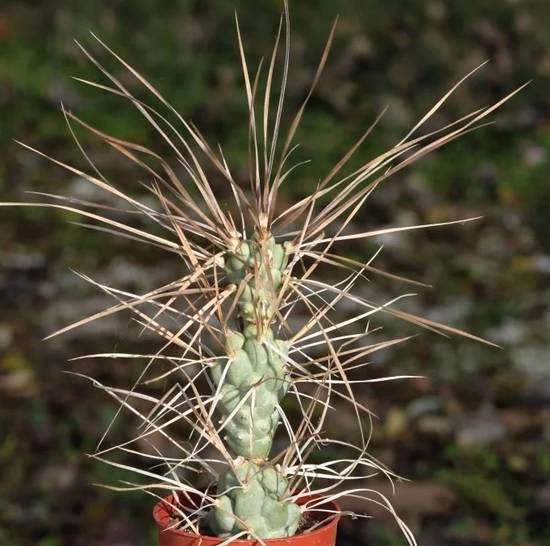
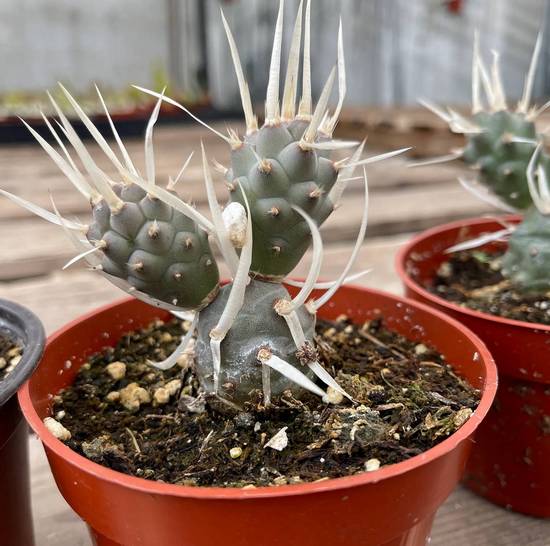
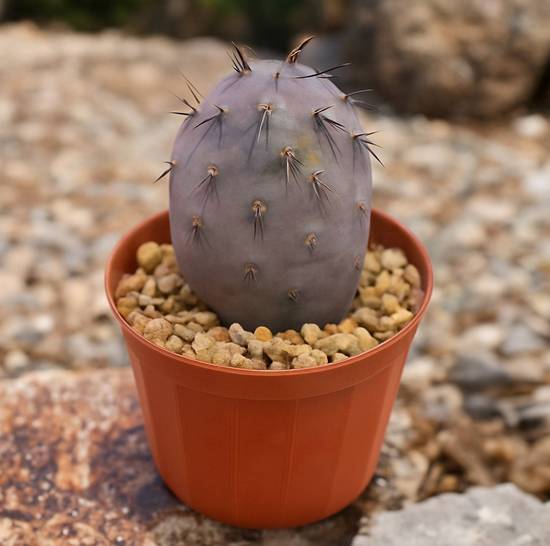
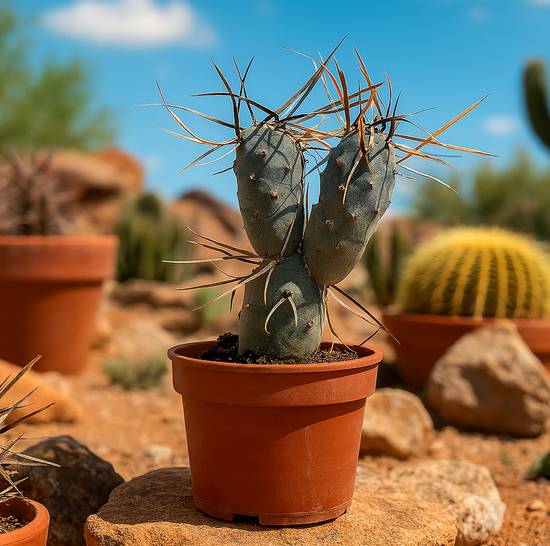
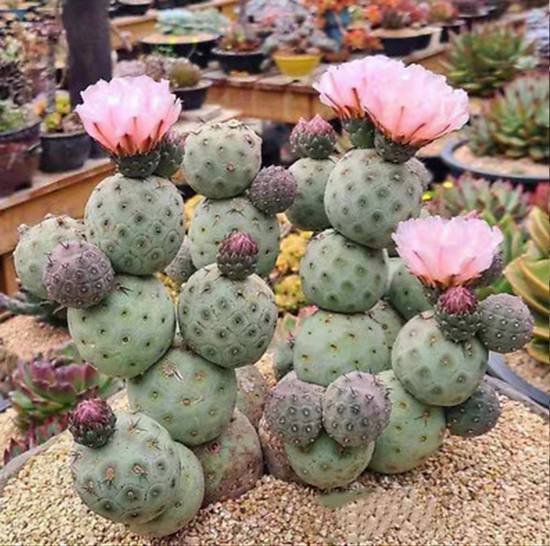
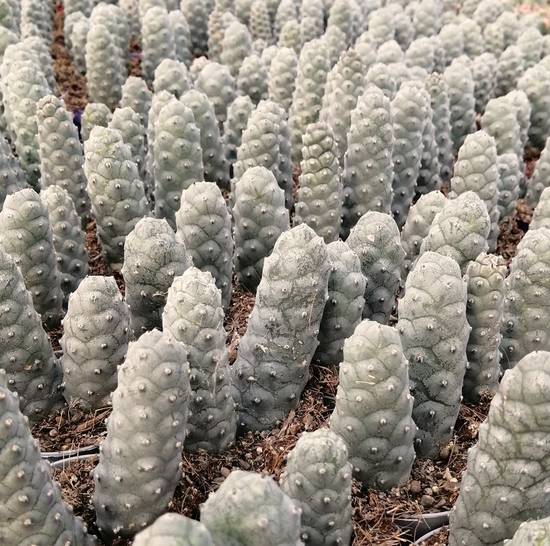
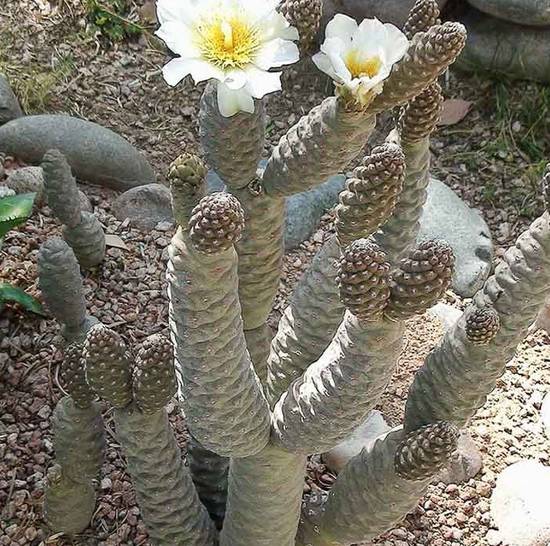
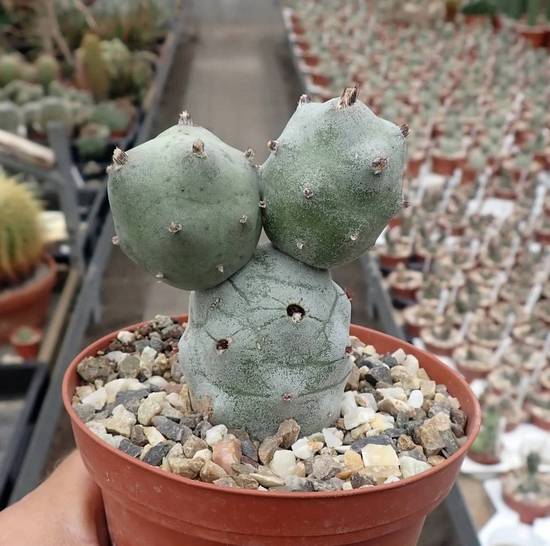
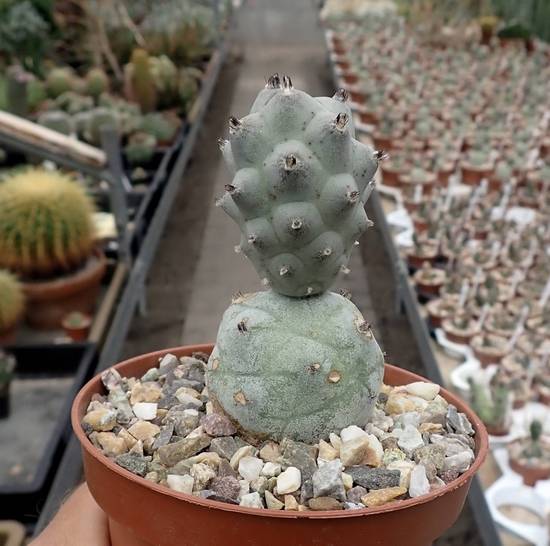
The Tephrocactus Calvus is a fascinating and intriguing species in the world of cacti. It belongs to the Tephrocactus genus, known for its articulated segments, but what makes it unique is its smooth surface, almost devoid of spines. Unlike most cacti, it displays spherical or ovoid segments with bluish to light gray hues, forming irregular yet harmonious stacks.
Its atypical, almost “naked” appearance earns it the admiration of collectors. The name Calvus, meaning “bald” in Latin, perfectly describes this absence of visible spines, offering a texture that is soft to the eye and to the touch.
The Tephrocactus Calvus appeals through its geometric simplicity and discreet elegance. Its rarity and slow growth make it a treasure for any lover of exceptional cacti.
In this harsh environment, it has adapted by developing resilient segments and slow growth, capable of storing water for long periods. Rainfall is rare, which explains its great tolerance to drought.
🌞 Ideal exposure: full sun or very bright partial shade
🌤️ Indoor cultivation: in a greenhouse, veranda, or behind a south-facing window
⚠️ Prolonged lack of light can cause abnormal growth: segment elongation, loss of coloration, or premature drop.
🌱 Spring / summer: watering every 20 to 30 days, only when the substrate is dry deep down
🍂 Autumn / winter: no watering if the plant is kept cool, to avoid any risk of rot
⚡ Tip: it is better to forget to water than to water too much. This cactus stores water in its segments and fears stagnant humidity.
🌡️ Ideal temperature: between 20°C and 32°C during the growing period
❄️ Minimum resistance: down to -5°C if the substrate is perfectly dry
🏠 In winter: favor a rest at 5–10°C to promote flowering in spring
🪨 Ideal substrate: 50% pumice + 25% pozzolana + 25% cactus potting soil
This mix allows temporary moisture retention while avoiding stagnation at the roots.
🌸 Season: spring to early summer
🎨 Color: white to cream, sometimes slightly pinkish
🕑 Duration: 1 to 3 days
💡 Conditions: a dry winter rest, good light, and a mature plant promote flowering