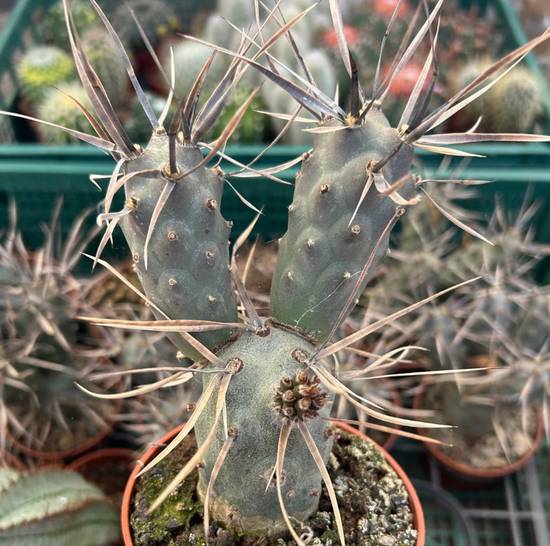
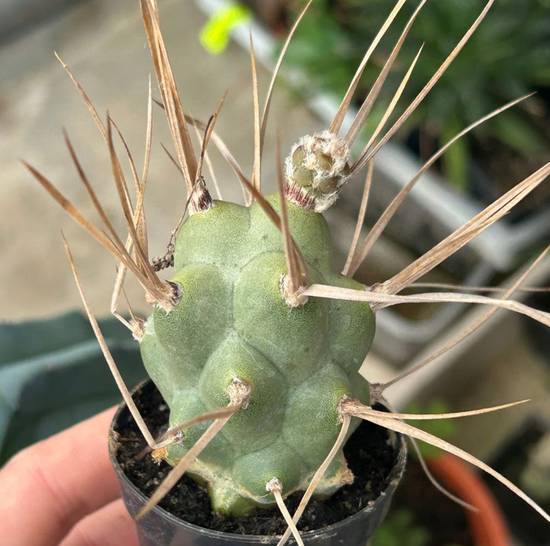
Tephrocactus Aoracanthus
Paediophilus

Tephrocactus Aoracanthus Paediophilus

Tephrocactus Aoracanthus Paediophilus

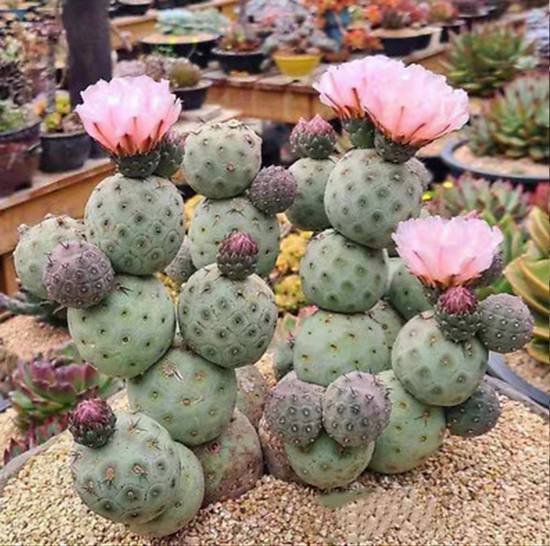
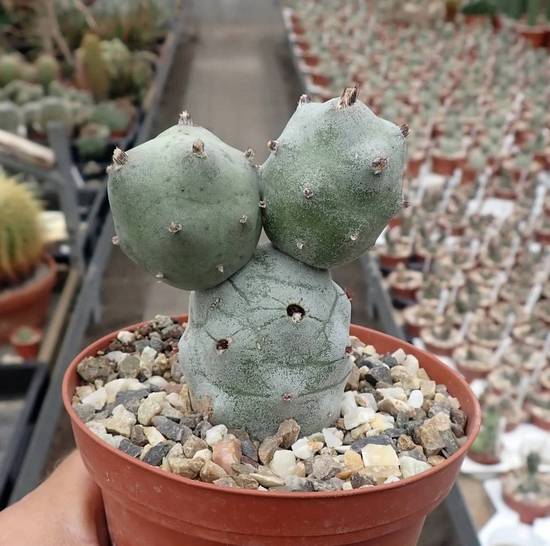
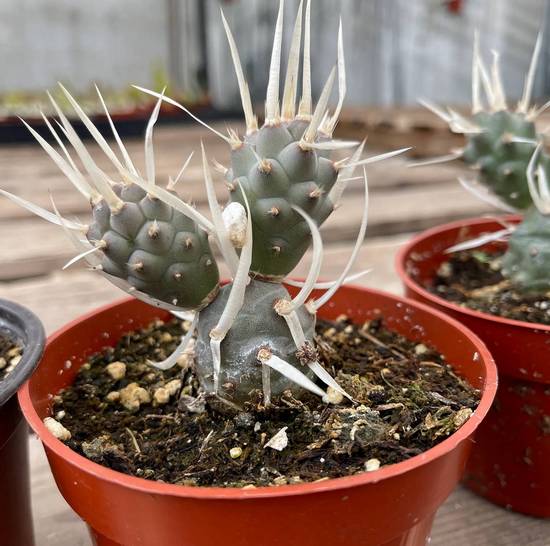
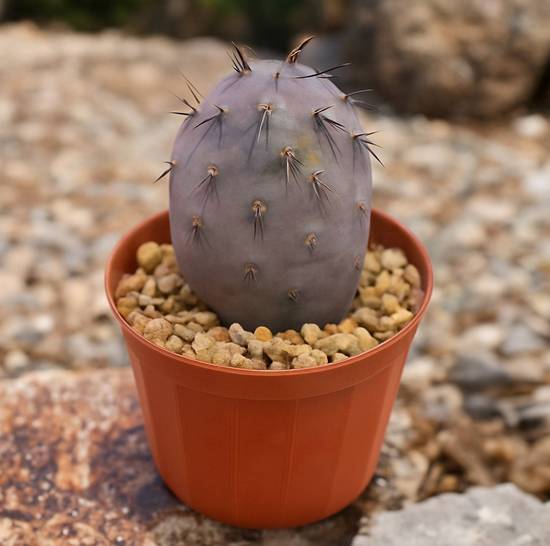
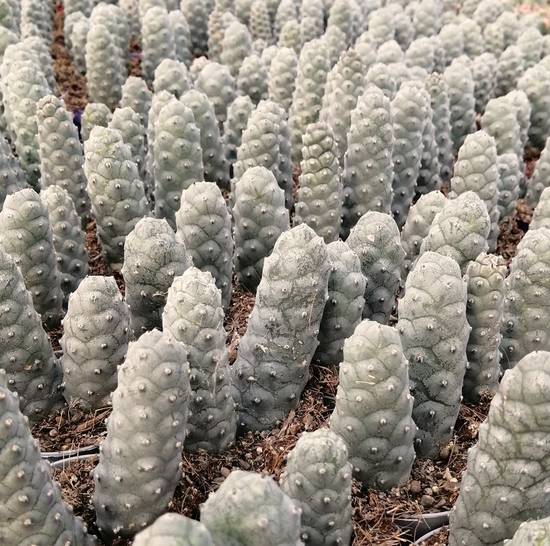
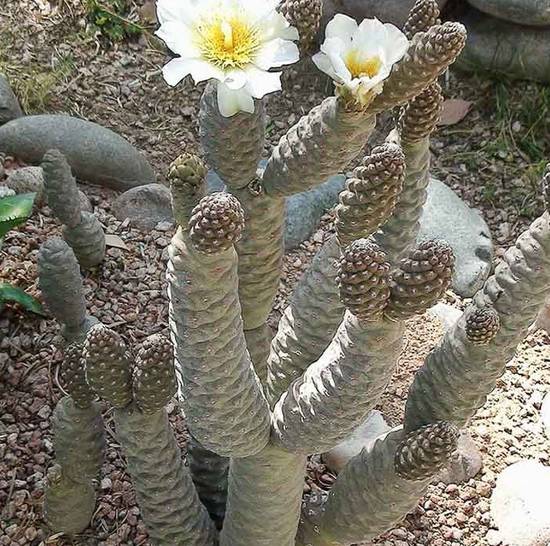
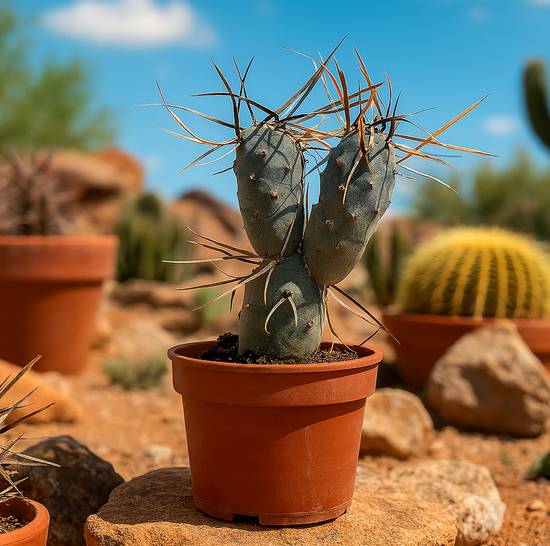
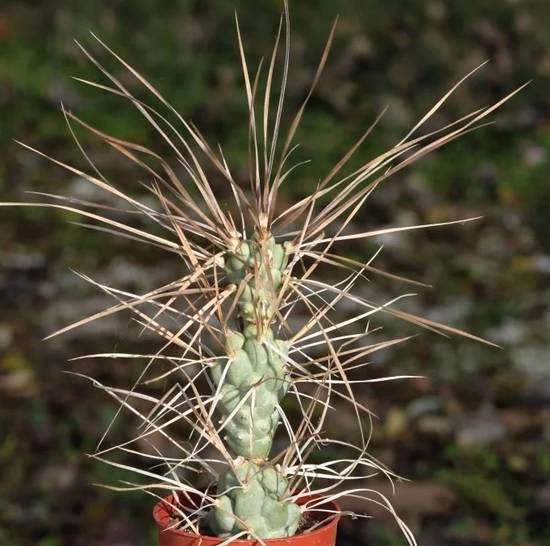
The Tephrocactus Aoracanthus Paediophilus is a sought-after Argentine opuntioid, recognizable by its ovoid to subglobular segments stacked in small modular columns. The segments, separated by clear constrictions, bear areoles with glochids and robust spines, sometimes slightly curved, giving Tephrocactus Aoracanthus Paediophilus a lively and graphic appearance. When well grown, it remains compact with short, firm segments; in insufficient light, it elongates and loses its structure.

The key to cultivation is simple: plenty of light and rare but thorough watering. Water only when the mix is completely dry at depth, then allow to dry fully before the next watering. This alternation hardens tissues, reduces collar rot risk and promotes bud formation.

Native to arid regions of western and northwestern Argentina, Tephrocactus Aoracanthus Paediophilus grows on rocky outcrops and gravel plains with rapid drainage, intense light and brief rainfall. In cultivation, reproduce this cycle with full sun, spaced watering and a bright dry winter rest.
To maintain short segments and dense spination, Tephrocactus Aoracanthus Paediophilus requires strong light.

🌞 Ideal: full sun 6–8 h/day; acclimate after winter.

🏠 Indoors: very bright south-facing window or veranda; rotate weekly.
Tephrocactus Aoracanthus Paediophilus prefers thorough but spaced watering on fully dry mix.

🌱 Spring/Summer: every 3–4 weeks in pots if totally dry.

🍂 Winter: almost dry; cold moisture is the main enemy.
Built for dry heat, Tephrocactus Aoracanthus Paediophilus tolerates brief drops if dry.

🌡️ Ideal: 20–32 °C in warm season.

❄️ Minimum: 0/–5 °C dry depending on strain; avoid wet soil in cold weather.
To mimic its native screes, Tephrocactus Aoracanthus Paediophilus requires a poor, ultra-draining mix.

🪨 Base: cactus soil or cactus substrate heavily mineralized, with added perlite and pozzolana at the collar.
When the cycle is respected, Tephrocactus Aoracanthus Paediophilus produces delicate diurnal blooms.

🌸 Period: late spring to summer on well-established plants.

🎨 Colors: creamy white to pale yellow, sometimes warmer throat; decorative fruits.

🕑 Keys: full sun, dry winter rest, tight pot and very moderate feeding.
FAQ - Tephrocactus Aoracanthus Paediophilus

How to acclimate Tephrocactus Aoracanthus Paediophilus after delivery?
Gradually increase light over 10–14 days, then resume spaced watering; a very diluted liquid cactus fertilizer may support recovery.
Which pot limits tipping of a spiny Tephrocactus Aoracanthus Paediophilus?
Prefer heavy terracotta with a wide base and a layer of drainage granules; add mineral mulch to keep the crown dry.
How to distinguish thirst from overwatering in Tephrocactus Aoracanthus Paediophilus?
Thirst shows as slight wrinkling and firm spines; excess water causes soft segments. Water thoroughly then let dry in an airy cactus substrate.
Is Tephrocactus Aoracanthus Paediophilus suitable for windy balconies?
Yes, ventilation reduces stagnant moisture; weigh down the pot and protect the base with clean pumice mulch.
What feeding schedule keeps Tephrocactus Aoracanthus Paediophilus compact?
From late spring to summer, monthly half-dose of cactus fertilizer, only after watering.
Is LED cultivation suitable for Tephrocactus Aoracanthus Paediophilus?
Yes, 10–12 hours per day with ventilation; rotate the pot regularly and maintain a very well-draining cactus potting soil.
How to overwinter Tephrocactus Aoracanthus Paediophilus without a greenhouse?
Place under a south-facing roof overhang, completely dry; in spring resume gradually then apply micro-doses of succulent fertilizer.
Which cutting method maximizes success for Tephrocactus Aoracanthus Paediophilus?
Take a healthy segment, let callus 7–10 days, plant shallowly and water very sparingly until established; then use low-dose liquid cactus fertilizer.
Which companion plants pair well with Tephrocactus Aoracanthus Paediophilus?
Dwarf Agaves, Echinocereus and small Mammillaria, on a mineral décor with clean mineral mulch to protect the crown.
How to detect a lack of light in Tephrocactus Aoracanthus Paediophilus?
Elongated segments and sparse spines indicate low light; move closer to the sun, reduce watering and repot in an airy mix to restore compact growth.