Senecio Peregrinus

Senecio Peregrinus
Senecio Peregrinus
Senecio Peregrinus

Senecio Peregrinus

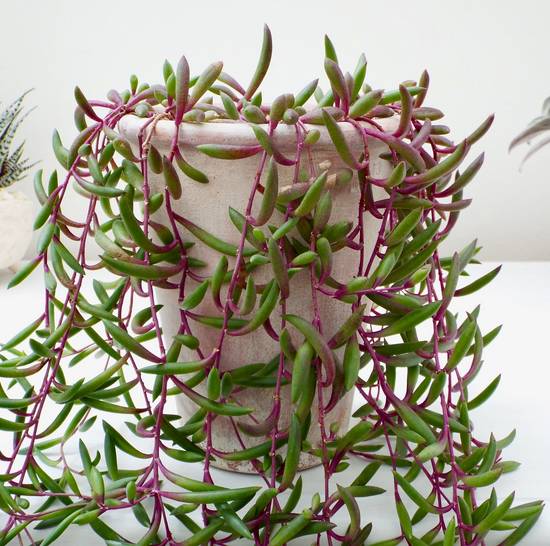
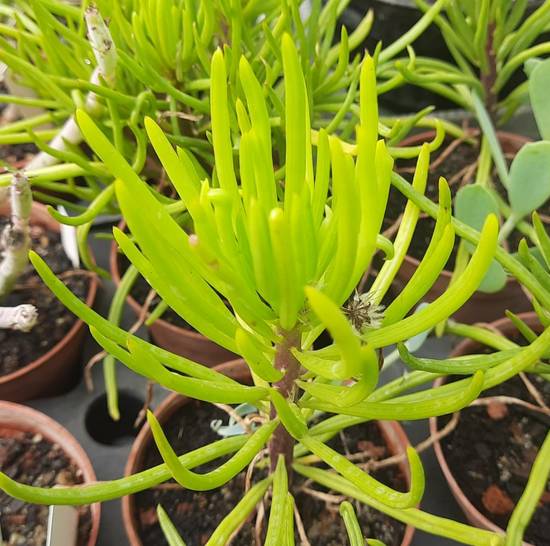
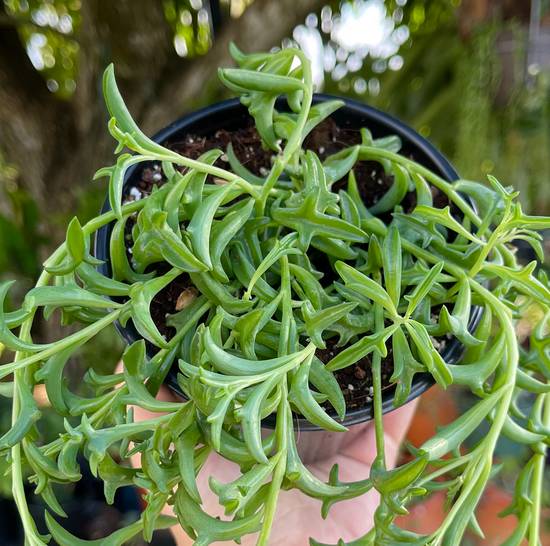
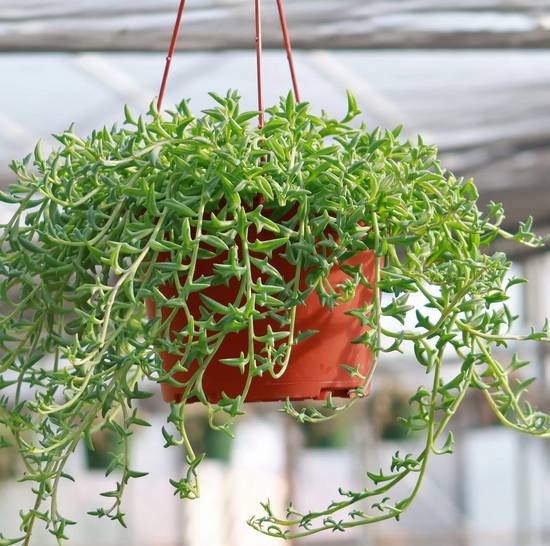
The Senecio Peregrinus, often called "dolphin succulent", is a particularly original and playful succulent plant. It gets its nickname from the unique shape of its leaves, which resemble small dolphins jumping out of the water. This spectacular appearance immediately catches the eye, making it a favorite among collectors of unusual succulents and fans of trendy plant decor.

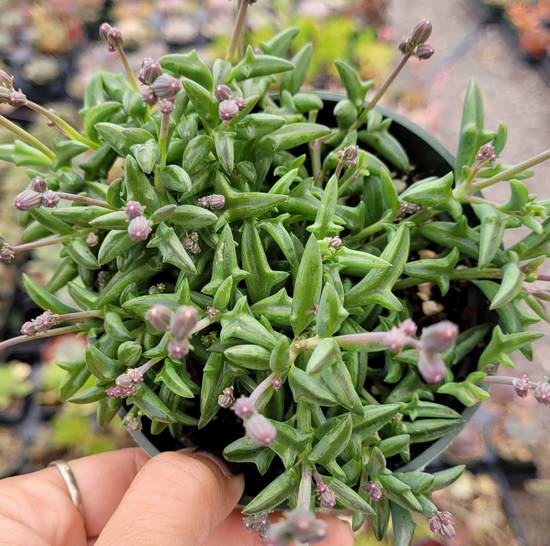
It is a hybrid resulting from the cross between Senecio Articulatus and Senecio Rowleyanus. Like its parents, the Senecio Peregrinus develops long trailing stems that can reach over one meter in length. It is therefore ideal in hanging baskets, tall pots, or elevated planters to highlight its cascading habit and dolphin-shaped leaves. Under optimal conditions, it may even produce small fragrant white flowers, although flowering is secondary compared to the ornamental interest of its foliage.

Easy to care for, this succulent plant requires very little as long as it receives good light and moderate watering. It is a perfect choice for those looking for a decorative, resilient plant full of character.

The Senecio Peregrinus does not exist in the wild: it was created by horticulturists passionate about crossing different species of Senecio. This hybridization gave birth to one of the most iconic and recognizable succulents, very popular on social media and in modern interiors.
The Senecio Peregrinus needs abundant light to maintain its shape and compact appearance:

🌞 Recommended exposure: Bright indirect light to filtered sun. It tolerates some direct sun in the morning or late afternoon.

🌤️ Avoid: Harsh direct midday sun, especially behind glass, which could damage its delicate leaves.

💡 Tip: Insufficient light leads to elongated stems and loss of the “dolphin” shape.
Like many succulents, the Senecio Peregrinus prefers spaced but thorough watering:

🌱 Spring / summer: Water when the substrate is completely dry. Generally, every 15 days is sufficient.

🍂 Autumn / winter: Drastically reduce watering, or stop altogether in prolonged cool conditions.

⚠️ Warning: Too much water causes root rot. A slight lack of water is preferable to excess.
The Senecio Peregrinus appreciates mild and stable temperatures:

🌞 Ideal temperature: Between 18°C and 26°C.

❄️ Minimum tolerance: 5°C occasionally, but it does not tolerate frost.

🏠 Winter care: In winter, keep it in a bright room protected from cold drafts.
To maintain its health, the Senecio Peregrinus must be grown in a highly draining substrate.

🪨 Growing tip: Mix cactus soil with perlite or pumice to ensure effective drainage and prevent excess moisture.
The flowering of the Senecio Peregrinus remains discreet but pleasant for enthusiasts:

🌸 Season: In spring or autumn.

🎨 Color: Slightly pinkish white, with a delicate cinnamon scent.

🕑 Duration: From a few days to a week.

💡 Tip: A cool and dry period in winter can encourage flowering.
FAQ - Senecio Peregrinus

What is the ideal light for Senecio Peregrinus?
It needs bright light without intense direct sun. A spot near an east- or west-facing window is ideal to prevent stretching.
How should Senecio Peregrinus be watered safely?
Allow the substrate to dry completely between waterings. In summer, water every 15 days. In winter, reduce or stop watering.
What type of soil is suitable for Senecio Peregrinus?
Use a suitable well-draining substrate combined with perlite or pumice for optimal drainage.
Why are my Senecio Peregrinus leaves wilting?
Wilting leaves may indicate prolonged underwatering or root damage from overwatering. Check the substrate to adjust care.
Is Senecio Peregrinus toxic to pets?
Yes, like many Senecio species, it can be toxic if ingested by cats, dogs, or other pets.
How can flowering be encouraged in Senecio Peregrinus?
Provide a cool and dry winter rest, good light, and reduced watering during that period to encourage flowering.
Can Senecio Peregrinus be grown in a hanging basket?
Absolutely, it is ideal for hanging baskets. Its long trailing stems shaped like "dolphins" are beautifully displayed this way.
What is the minimum temperature tolerated by Senecio Peregrinus?
It should not be exposed to temperatures below 5°C. Bring it indoors when nights become cool.
How can you tell if there is too much or too little water?
Soft, blackening leaves indicate overwatering. Wrinkled or curling leaves signal underwatering.
What fertilizer should be used for Senecio Peregrinus?
Use a diluted liquid succulent fertilizer every two months in spring and summer to support healthy growth.