Senecio Stapeliiformis

Senecio Stapeliiformis

Senecio Stapeliiformis

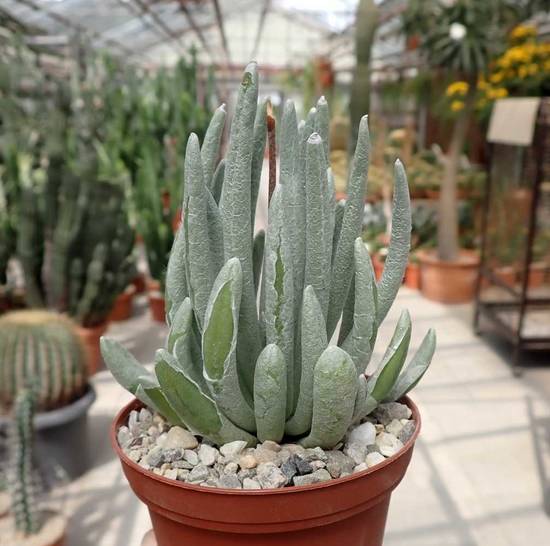
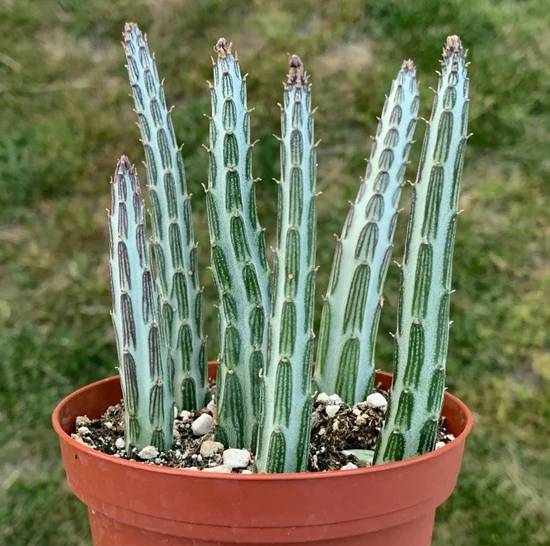
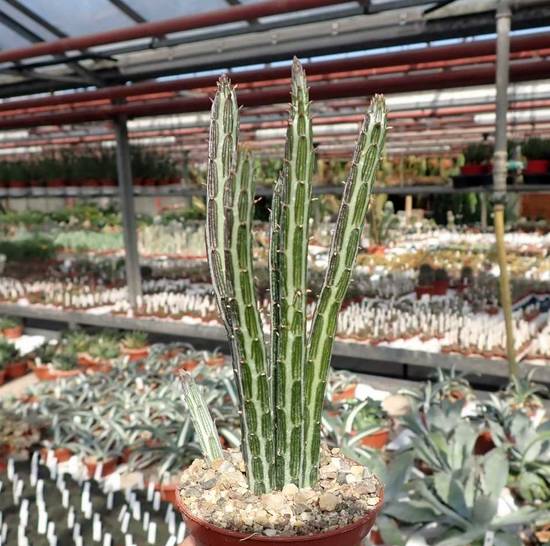
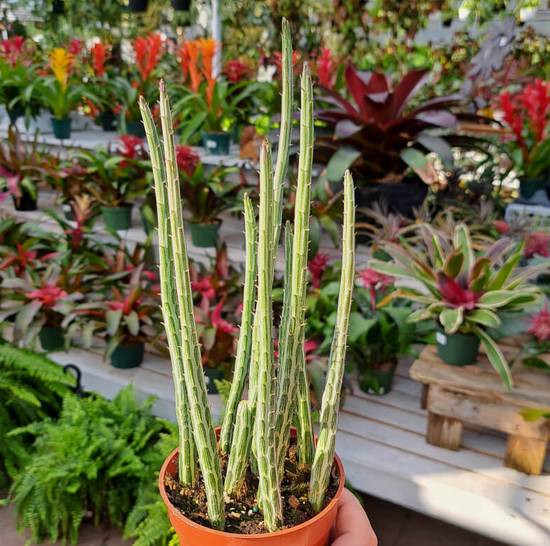
Senecio Stapeliiformis is a surprising and unique succulent that immediately draws attention thanks to its unusual growth habit. Unlike other senecios known for trailing stems or fleshy leaves, this species develops elongated, upright or slightly arching stems that resemble green sticks striped with purple markings. These irregular patterns give it an almost reptilian appearance, making it a highly original and decorative plant.

Each stem measures between 20 and 40 cm long and can extend further under favorable conditions. The reduced leaves are almost invisible, leaving these fleshy stems to store water and ensure survival in arid environments. Its graphic and sculptural look makes it highly sought after by collectors, but it also appeals to lovers of original indoor plants.

In its natural habitat, Senecio Stapeliiformis grows in rocky and arid areas, often sheltered by sparse shrubs. It thrives in poor, well-draining soils and experiences alternating periods of rain and drought. These conditions explain its perfect adaptation to pot culture and tolerance of occasional missed watering.
Senecio Stapeliiformis is a light-loving plant:

🌞 Full sun: Thrives with several hours of direct exposure daily.

🌤️ Bright light: Indoors, place near a south- or west-facing window.

⚠️ Tip: Insufficient sunlight causes excessive stem elongation and dull coloration.
Senecio Stapeliiformis tolerates drought but requires measured watering:

🌱 Spring / summer: Water every 2 to 3 weeks, allowing substrate to dry out.

🍂 Autumn / winter: Reduce to once per month or less during dormancy.

Tip: A mix enriched with perlite or pozzolana ensures optimal drainage.
Senecio Stapeliiformis enjoys warmth:

🌞 Ideal: Between 20 °C and 28 °C.

❄️ Threshold: May tolerate occasional 5 °C but cannot withstand frost.

🏠 Tip: In cold regions, grow in pots and bring indoors for winter.
Soil must be very well-draining:

🪨 Recommended substrate: Mix of cactus soil and coarse sand.

💡 Fertilizer: Monthly liquid succulent fertilizer in summer encourages flowering.
The flowering of Senecio Stapeliiformis is spectacular:

🌸 Period: Usually in summer.

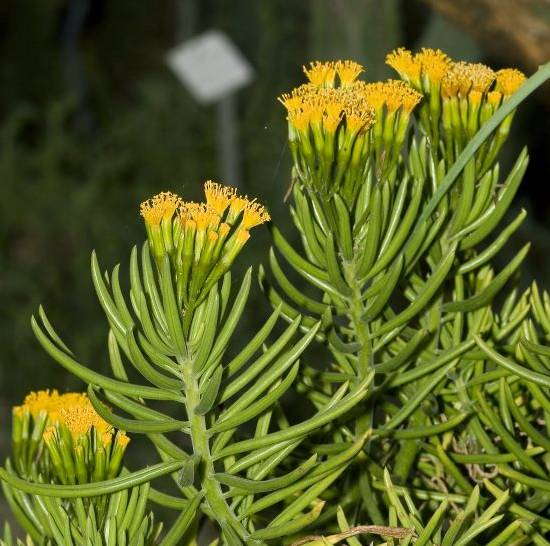
🎨 Color: Red to orange tubular flowers.

🕑 Duration: A few days to a week, depending on conditions.
FAQ - Senecio Stapeliiformis

Can Senecio Stapeliiformis live indoors?
Yes, it adapts very well to pot cultivation, as long as it receives plenty of light and grows in well-draining substrate.
What is the growth rate of Senecio Stapeliiformis?
Its growth is moderate, but over time it can form beautiful clumps of elongated stems.
Is Senecio Stapeliiformis drought tolerant?
Yes, it tolerates periods without watering very well, thanks to its fleshy stems that store water.
How to propagate Senecio Stapeliiformis?
By stem cuttings, which are easy to root in cactus soil.
Is Senecio Stapeliiformis toxic?
Yes, like many senecios, it can be toxic to pets if ingested.
What is the aesthetic particularity of Senecio Stapeliiformis?
Its zebra-striped stems with purplish reflections give it a unique exotic look.
Does Senecio Stapeliiformis require a lot of maintenance?
No, it is easy to grow; simply avoid overwatering.
Can Senecio Stapeliiformis be grown outdoors?
Yes, in regions with a mild and dry climate, where it fits perfectly into a rock garden.
What is the lifespan of Senecio Stapeliiformis?
With proper care, it can live for several decades and easily renew itself through cuttings.
What are the main risks for Senecio Stapeliiformis?
Overwatering and mealybug attacks are the main dangers.