Senecio Jacobsenii

Senecio Jacobsenii
Senecio Jacobsenii
Senecio Jacobsenii

Senecio Jacobsenii

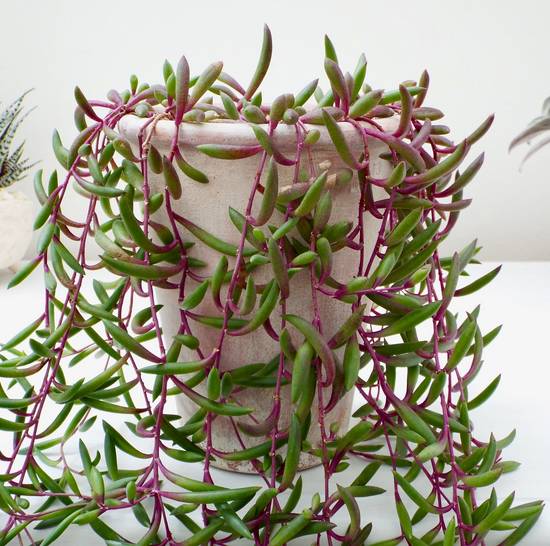
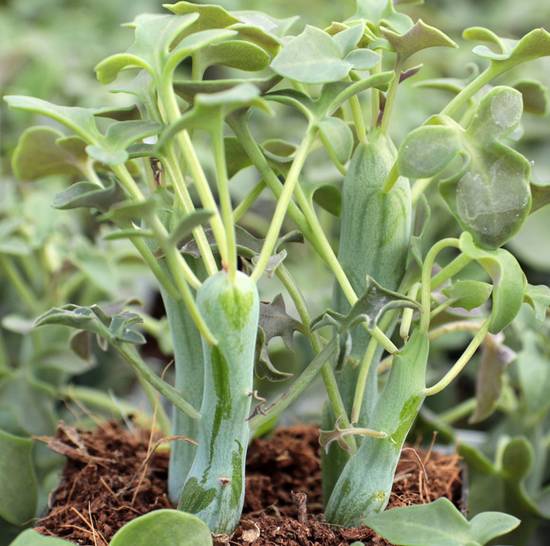
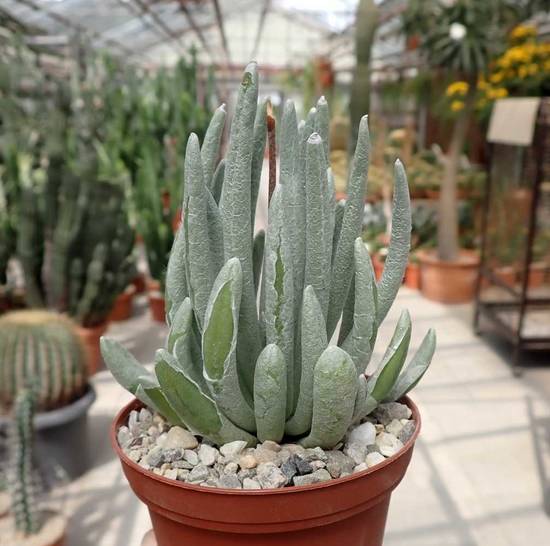
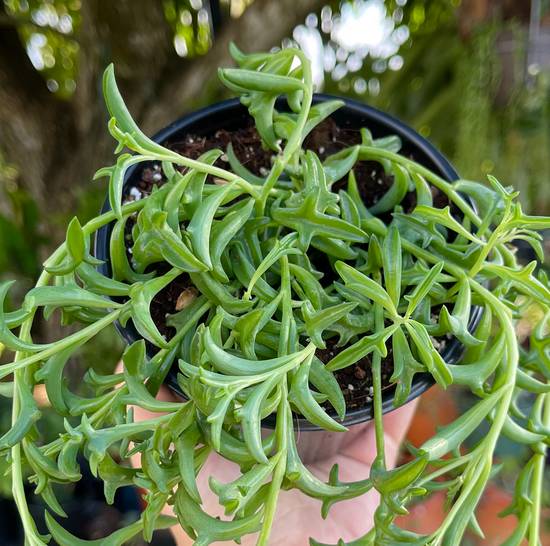
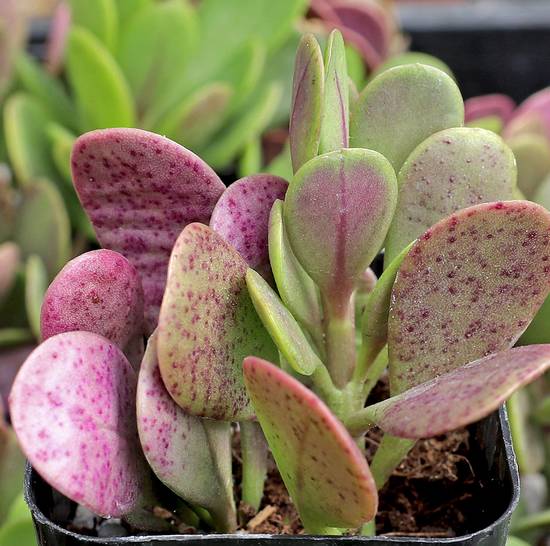
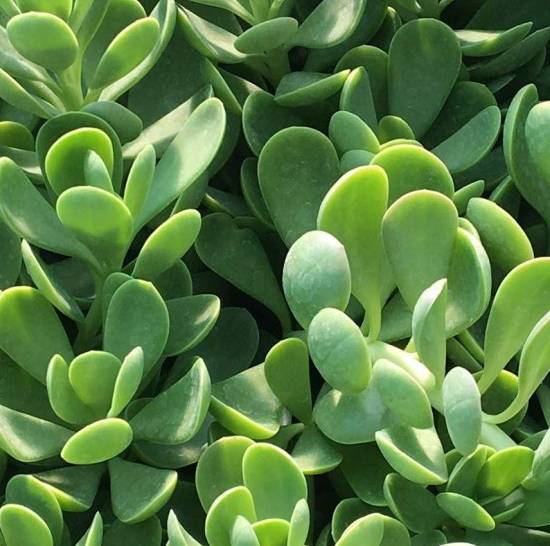
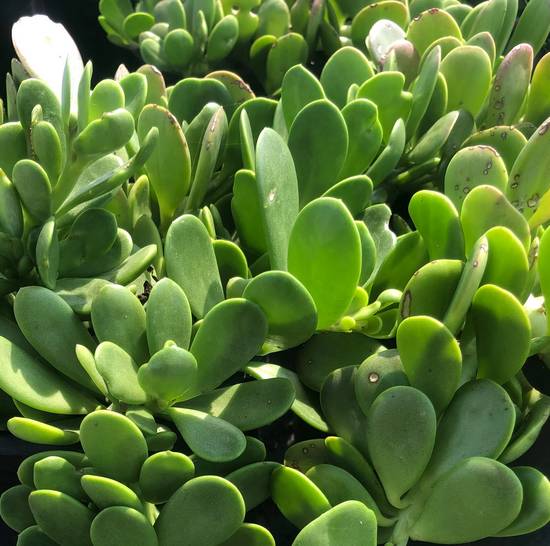
The Senecio Jacobsenii is a trailing succulent native to East Africa, renowned for its long cascading stems and thick, glossy, teardrop-shaped leaves. Indoors or outdoors, it captivates with its spectacular trailing habit, ideal in hanging baskets or elevated planters. This plant decorates both a balcony and a sunny windowsill, adding an exotic and colorful touch.

The leaves of the Senecio Jacobsenii are light green originally, but they take on reddish-purple tones when exposed to full sun, making each specimen unique throughout the seasons. It is an easy-care plant, highly tolerant to drought and heat, and can grow quickly in good conditions. Although it does not flower often indoors, its small orange pom-pom shaped flowers are a pleasant bonus for the lucky ones.

Its creeping or trailing growth, heat tolerance, and ornamental silhouette make it a very popular plant in succulent collections. The Senecio Jacobsenii is also known as “Trailing Jade”, although it is not related to Crassula ovata.

The Senecio Jacobsenii originates from the highlands of Kenya and Tanzania, where it grows on rocky cliffs exposed to full sun. It develops from creeping stems that root upon contact with soil, forming extensive plant mats. This adaptation to drought and poor soils explains its exceptional resilience.
The Senecio Jacobsenii grows best under generous light:

🌞 Direct or bright sun: It needs at least 4 to 6 hours of sunlight to maintain vibrant colors and a compact form.

🌤️ Summer protection: In case of intense heat, light shading during the hottest hours prevents leaf burn.

Good sunlight also stimulates flowering and enhances its reddish tint.
Like any succulent, the Senecio Jacobsenii requires controlled watering:

🌱 Warm period: Wait until the substrate is completely dry before watering. Generally, watering every 15 to 20 days is sufficient.

🍂 Cold period: Watering should be almost stopped to avoid rot risks.

Indicators: Excess water softens stems; lack of water causes leaf shriveling or wrinkling.
The Senecio Jacobsenii is a plant for mild to warm climates:

🌞 Ideal: Between 20 and 30°C for rapid growth.

❄️ Minimum tolerated: 5°C occasionally, but it does not tolerate frost.

🏠 Wintering: In cold regions, bring the plant indoors in winter to a bright, temperate room.
The Senecio Jacobsenii requires a light and very well-drained substrate to prevent root rot.

🪨 Substrate advice: Use cactus soil or a suitable succulent mix, further lightened with perlite or pozzolana.
Although secondary, the flowering of the Senecio Jacobsenii remains interesting for enthusiasts:

🌸 Period: In autumn, more rarely in summer.

🎨 Color: Bright orange, shaped like small pom-poms or elongated tubes.

🕑 Duration: Only a few days, but very decorative on long trailing stems.

💡 Moderate watering and good exposure favor flowering in cultivation.
FAQ - Senecio Jacobsenii

What is the best exposure for Senecio Jacobsenii?
It thrives in very bright exposure, even full sun. At least 4 to 6 hours of direct light per day help maintain compact growth and intense colors.
How should Senecio Jacobsenii be watered properly?
Water moderately in summer, allowing the substrate to dry completely. In winter, reduce or stop watering. When unsure, wait rather than overwater.
What substrate should be used for Senecio Jacobsenii?
Use a cactus substrate mixed with perlite or pumice to ensure perfect drainage.
Why do the leaves of Senecio Jacobsenii turn red?
Red coloration is normal and indicates strong sun exposure. It is a natural protective mechanism and often appreciated for its decorative effect.
Does Senecio Jacobsenii tolerate frost?
No, it does not tolerate freezing temperatures. Bring it indoors once temperatures drop below 5°C.
How can flowering be encouraged in Senecio Jacobsenii?
Provide plenty of light, moderate watering, and slight dry stress. It usually blooms in autumn.
How fast does Senecio Jacobsenii grow?
It grows fairly quickly under warm and bright conditions. Its stems can reach up to one meter in length.
Can Senecio Jacobsenii be grown indoors?
Yes, it can thrive indoors if placed in a very bright location near a well-exposed window.
What are the signs of overwatering or underwatering in Senecio Jacobsenii?
Overwatering causes soft stems and blackening. Underwatering leads to wilting or wrinkling leaves.
Should fertilizer be used for Senecio Jacobsenii?
Yes, a light application of succulent fertilizer in spring and summer promotes growth and flowering.