Senecio Articulatus

Senecio Articulatus
Senecio Articulatus

Senecio Articulatus

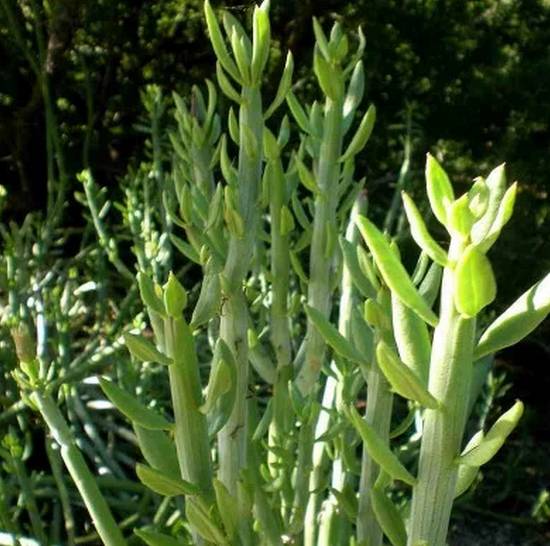
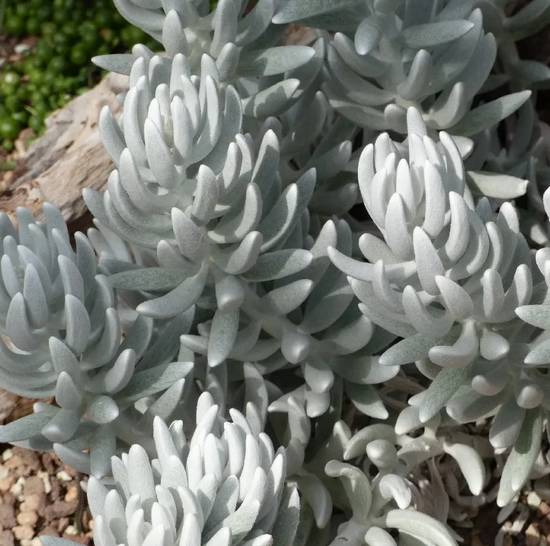
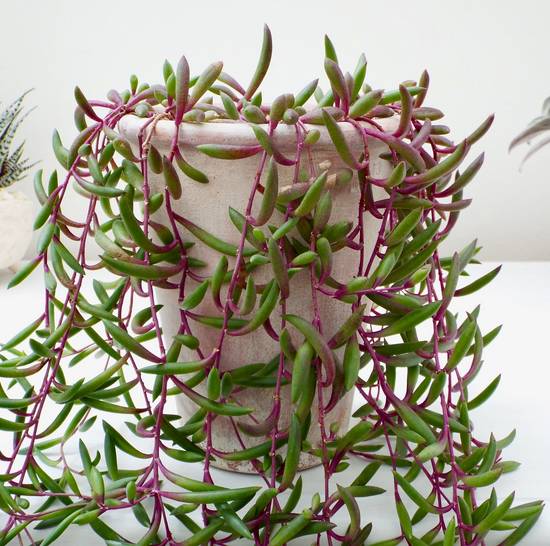
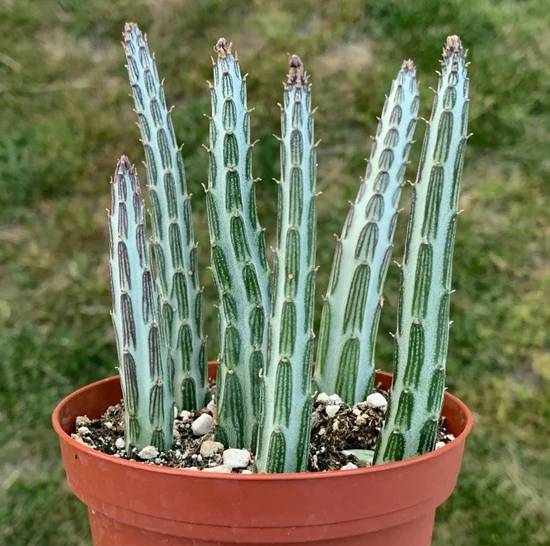
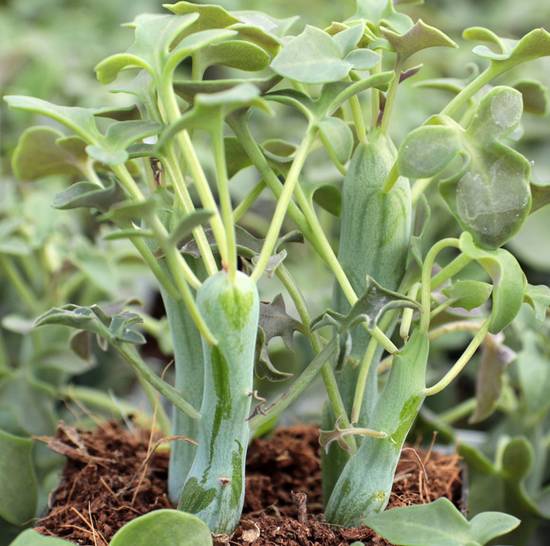
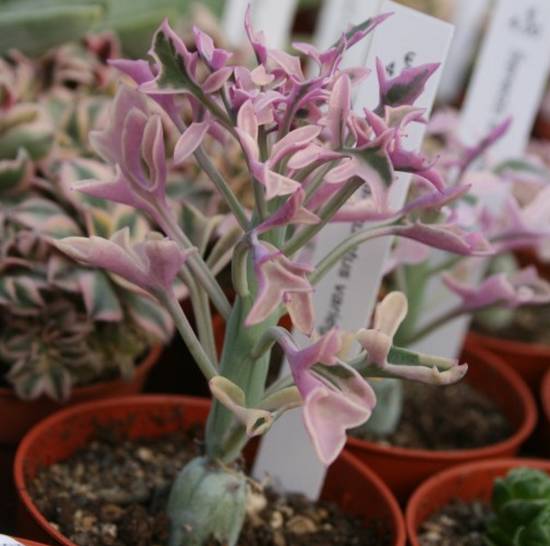
The Senecio Articulatus, nicknamed "candle plant", is a singular and highly graphic succulent that stands out for its unusual habit. It is distinguished by its articulated stems, composed of swollen cylindrical segments resembling candles or bones. This unique appearance gives it a special place in succulent collections and among lovers of original plants.

The stems of the Senecio Articulatus can reach 20 to 30 cm in height and display a bluish-green shade veined with purple, enhanced by light. The ephemeral leaves are deeply divided and mainly appear in autumn-winter, then fall during the dry period when the plant enters dormancy. This particular cycle is typical of southern African succulents, where the plant originates.

This species offers an unusual display in every season. Its changing appearance, between bare stems and divided foliage, makes it both a conversation piece and a striking decorative element. Its ease of care and drought tolerance make it an excellent choice for bright interiors or well-exposed windowsills.

The Senecio Articulatus naturally grows in the semi-arid regions of the Western Cape and Namaqualand. It is exposed there to marked seasons, with cool, wet winters and hot, dry summers. This climate shaped its inverted growth cycle and its ability to survive prolonged drought periods.
Light is a key factor in maintaining the compact shape and beautiful coloration of the Senecio Articulatus:

🌞 Ideal exposure: Bright indirect light to filtered sun, with a few hours of direct sun per day (outside heatwaves).

🌤️ Avoid: Prolonged shade, which causes etiolation, and harsh midday sun behind glass.

💡 Tip: Rotate the pot regularly to prevent stems from leaning toward the light.
The Senecio Articulatus is a succulent requiring thoughtful watering according to its cycle:

🌱 Growth period (autumn/winter): Water moderately, allowing the substrate to dry between waterings.

☀️ Rest period (spring/summer): Very little to no watering. The stems may shrink, which is normal.

Essential tip: Too much water in summer is dangerous. Slight water stress is better than excess moisture.
This succulent tolerates the contrasting temperatures typical of its native habitat:

🌡️ Comfort zone: Between 15°C and 25°C.

❄️ Cold tolerance: Can briefly tolerate temperatures down to 5°C if the soil is dry.

🏠 Winter advice: Bring it indoors if temperatures drop below 10°C, especially if recently watered.
The Senecio Articulatus requires a highly draining substrate to prevent rot.

🪨 Growing tip: Mix cactus soil with perlite or pumice to ensure rapid water drainage.
The Senecio Articulatus can flower, even indoors, when conditions are met:

🌸 Period: In winter, generally between November and February.

🎨 Appearance: Small tubular white to yellowish flowers grouped in capitula.

💡 Good to know: Abundant flowering is often a sign that the plant thrives in its environment.
FAQ - Senecio Articulatus

What light exposure is best for Senecio Articulatus?
It requires bright light, ideally near an east- or west-facing window. It tolerates direct sun outside the hottest hours.
How should Senecio Articulatus be watered properly?
During its growth period (autumn/winter), water moderately once the substrate is dry. In summer, greatly reduce watering as it enters dormancy.
What type of soil is needed for Senecio Articulatus?
Use a succulent substrate mixed with perlite or pumice for optimal aeration and drainage.
Does Senecio Articulatus have a specific growth cycle?
Yes, it grows actively in autumn and winter and enters dormancy in spring and summer, which affects watering and foliage.
Why do the leaves of Senecio Articulatus fall off?
Leaf drop in summer is normal as the plant enters dormancy. It is not concerning if the stems remain firm.
Should Senecio Articulatus be fertilized?
A liquid cactus fertilizer can be applied once a month in autumn and winter, diluted in watering water.
Is Senecio Articulatus toxic?
Yes, like many Senecio species, it can be toxic if ingested by pets or children.
How can overwatering be recognized in Senecio Articulatus?
Soft or translucent stems are a clear sign of excess moisture. Stop watering and check drainage immediately.
How can you tell if Senecio Articulatus is underwatered?
Shriveled or excessively contracted stems may indicate underwatering. Water lightly if the substrate is dry.
Can Senecio Articulatus be propagated?
Yes, it can be propagated by stem cuttings. Let the cut section dry for 2 to 3 days before planting in dry substrate.