Senecio Macroglossus
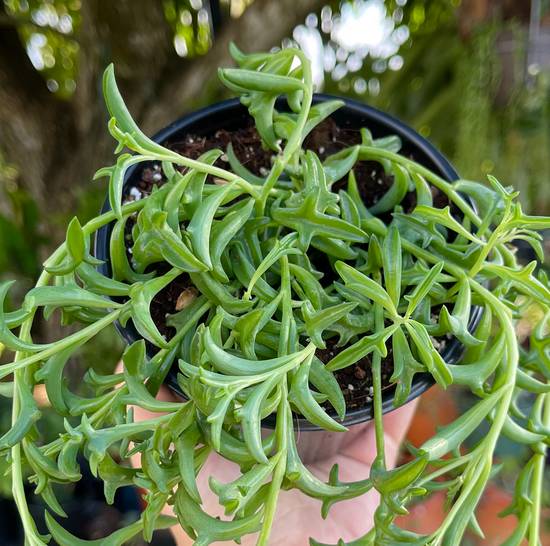
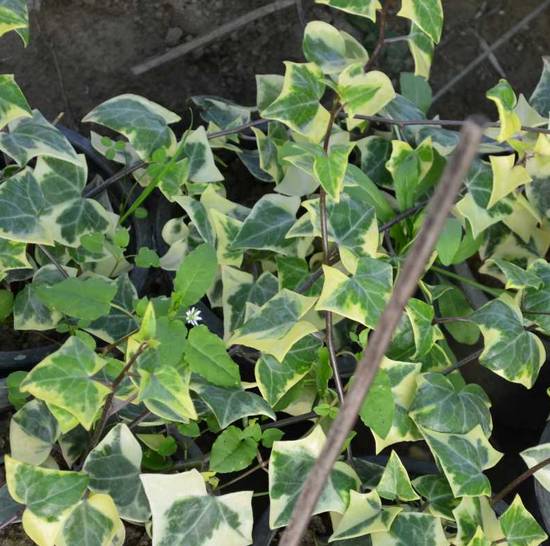
The Senecio Macroglossus, sometimes nicknamed “false ivy,” is a climbing or trailing succulent native to southern Africa. At first glance, it may be mistaken for a tropical plant, as its foliage resembles ivy (Hedera), but it is indeed a member of the Asteraceae family. Its elegant appearance, glossy leaves and rapid growth make it a very popular ornamental succulent, especially indoors or in temperate greenhouses.
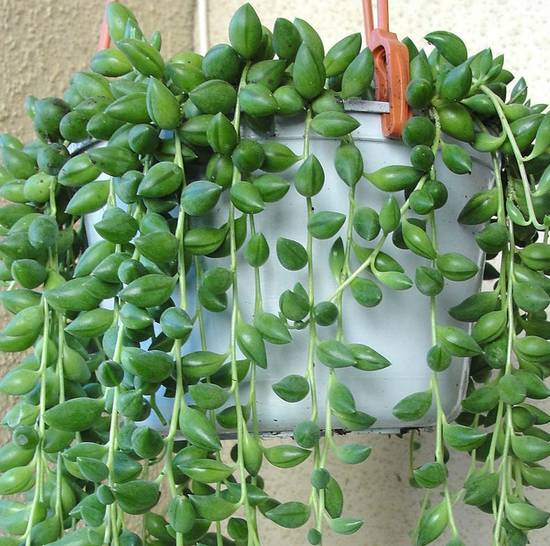
The leaves of the Senecio Macroglossus are generally bright green, arrow- or heart-shaped, sometimes with a cream margin in certain variegated varieties. Its flexible stem, becoming slightly woody over time, can reach several meters under favorable conditions, making it an excellent subject for hanging baskets, trellises or trailing cultivation. Unlike other Senecios with spherical or tubular foliage, this one stands out for its fine and glossy texture.
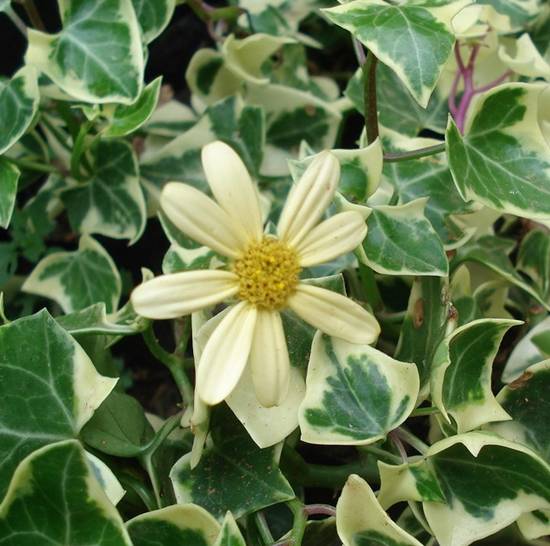
The plant is not only beautiful: it is also robust and undemanding. It grows quickly, tolerates drought well, and can flower even indoors when properly exposed. Its pale yellow daisy-like flowers usually appear in summer or autumn, adding a bright touch to its already decorative foliage.
🌞 Good light : A sunny to partially shaded exposure is ideal, with a few hours of direct sun in the morning or late afternoon.
🌤️ Avoid full midday sun in summer : During heatwaves, avoid intense midday sun to prevent leaf burn.
💡 Too little light causes stem elongation and duller foliage.
🌱 Spring / summer : Water when the substrate is dry at the surface. Generally, watering every 10 to 15 days is sufficient.
🍂 Autumn / winter : Significantly reduce watering, especially if kept in a cool indoor space.
⚡ Warning : Excess water may cause yellowing leaves or root rot. Prolonged drought, however, results in soft foliage.
🌡️ Optimal temperature : Between 18°C and 25°C.
❄️ Cold tolerance : Down to 5°C occasionally, but best protected from frost.
🏠 In winter : Recommended to grow indoors or in a veranda in regions with cold winters.
Substrate preparation : Use cactus soil or a suitable succulent substrate, which you can lighten with perlite or pumice for optimal aeration.
🌸 Period : From summer to early autumn, sometimes earlier in ideal conditions.
🎨 Color : Pale yellow, in the form of small daisies.
🕑 Duration : Each flower lasts a few days, but blooms may continue for several weeks.
💡 A mature plant, well exposed, slightly stressed and not overwatered will produce more flowers.