Senecio Candicans

Senecio Candicans
Senecio Candicans

Senecio Candicans

The Senecio Candicans is a remarkable perennial plant belonging to the Asteraceae family, native to South America. Less known than some horticultural varieties such as ‘Angel Wings’, it remains very interesting for its silvery foliage and great adaptability.

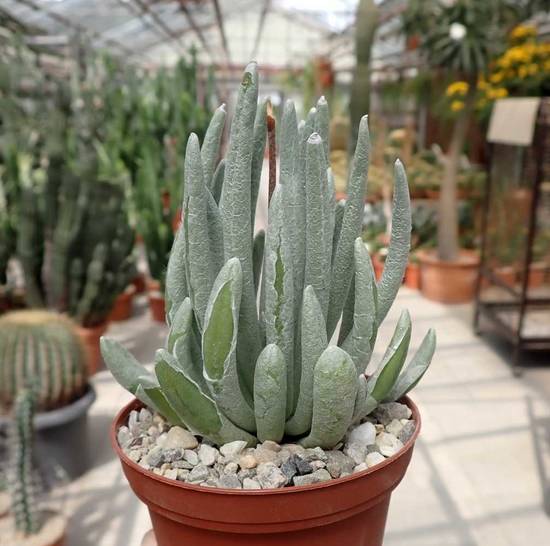
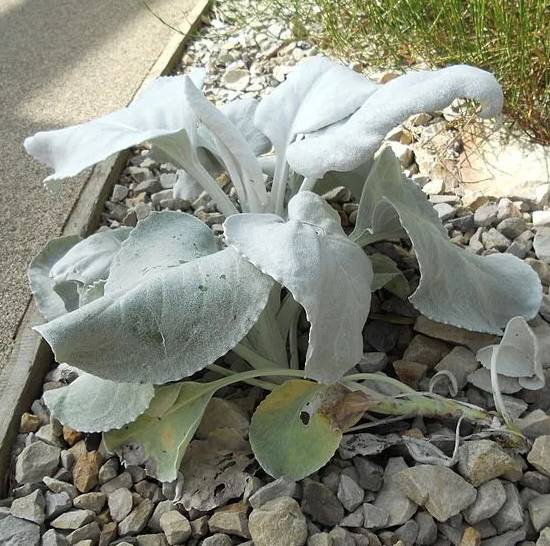
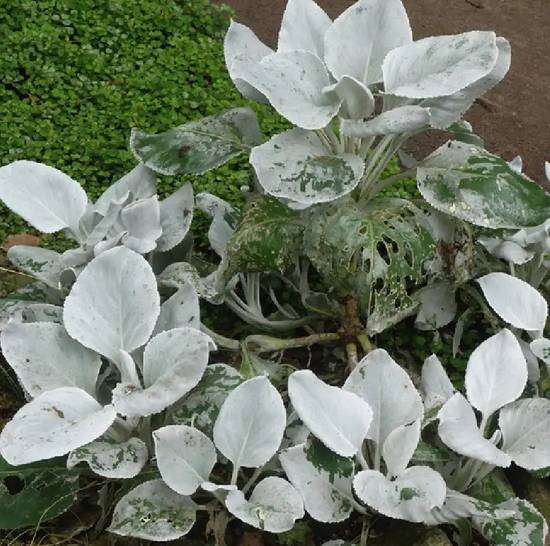
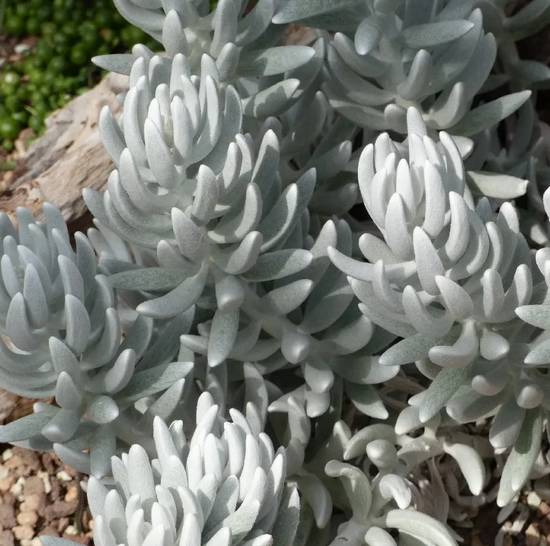
The Senecio Candicans stands out with its broad, thick leaves covered with a silvery white down. This coating gives it a very characteristic velvety appearance, while playing an essential role in its survival: it limits water evaporation and protects the plant from the sun’s rays.

Its growth habit is more flexible and slightly more spreading than that of compact selected varieties. The plant can form a dense clump, generally reaching between 40 and 80 cm depending on growing conditions. It is therefore particularly suited for use in beds or borders in dry gardens.

The foliage of the Senecio Candicans is its main decorative asset. Its silvery grey color brings natural brightness to the garden and creates beautiful contrasts with plants with green foliage or colorful flowers.

The Senecio Candicans is native to South America, notably from regions of Argentina and Chile.

It naturally grows in open, dry and sunny areas, often on poor and well-drained soils.
The Senecio Candicans needs good light to develop:

🌞 Full sun to partial shade: ideal for dense foliage

🌤️ Indoors: very bright light essential

💡 Indicator: pale or stretched foliage indicates a lack of light
The Senecio Candicans is a drought-resistant plant:

🌱 Spring / summer: moderate watering when the soil is dry

🍂 Autumn / winter: spaced watering

Warning: excess water = rot
The Senecio Candicans adapts well to temperate climates:

🌞 Ideal temperature: between 15°C and 25°C

🌡️ Resistance: tolerates heat and drought well

❄️ Minimum: slightly tolerates cold but fears frost
The Senecio Candicans requires well-drained soil:

🪨 Recommended mix: cactus soil + perlite + pouzzolane
The flowering of the Senecio Candicans, although secondary compared to its silvery foliage, brings additional interest to the plant, especially outdoors:

🌸 Period: generally in summer, sometimes extended into early autumn depending on climatic conditions

🎨 Color: bright yellow to pale yellow, typical of Asteraceae

🌼 Shape: flower heads reminiscent of small daisies, grouped in light inflorescences at the top of thin stems
FAQ - Senecio Candicans

How to care for a Senecio Candicans in a pot?
Place your Senecio Candicans in a bright location and use a draining substrate like this cactus substrate to avoid excess moisture.
How often should you water a Senecio Candicans?
Water your Senecio Candicans moderately when the substrate is dry. In summer every 2 to 3 weeks, and much less in winter.
Why is my Senecio Candicans becoming soft or rotting?
Excess water is often the cause. Improve drainage with pozzolana and space out watering.
What is the ideal exposure for a Senecio Candicans?
Senecio Candicans appreciates full sun to partial shade. Indoors, place it near a very bright window.
Why are the leaves of my Senecio Candicans becoming soft?
This may be due to excess water or a lack of light. Check drainage and exposure.
What substrate to use for a Senecio Candicans?
A well-draining substrate is essential, like this cactus soil enriched with perlite.
Should you cut the flowers of a Senecio Candicans?
Yes, you can remove the flowers to promote foliage development and maintain a compact shape.
Is Senecio Candicans cold-resistant?
Senecio Candicans slightly tolerates cold but does not withstand prolonged frost.
Can a Senecio Candicans be grown outdoors?
Yes, in mild climates or in summer. In cold climates, prefer pot cultivation so it can be brought indoors.
How big can a Senecio Candicans grow?
Senecio Candicans can reach about 40 to 80 cm in height and width depending on growing conditions.