Rhipsalis Puniceodiscus

Rhipsalis Puniceodiscus

Rhipsalis Puniceodiscus

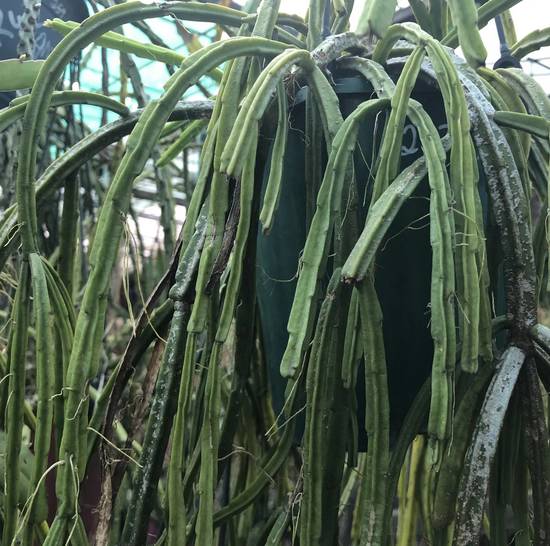
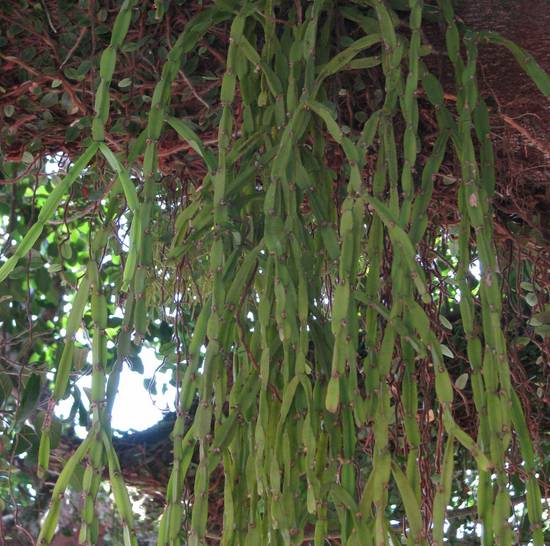
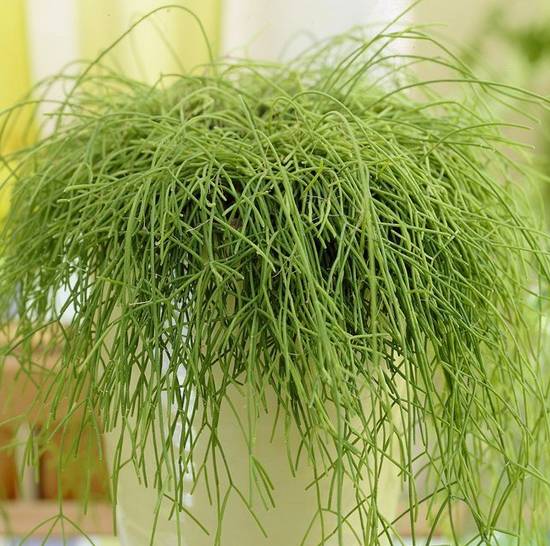
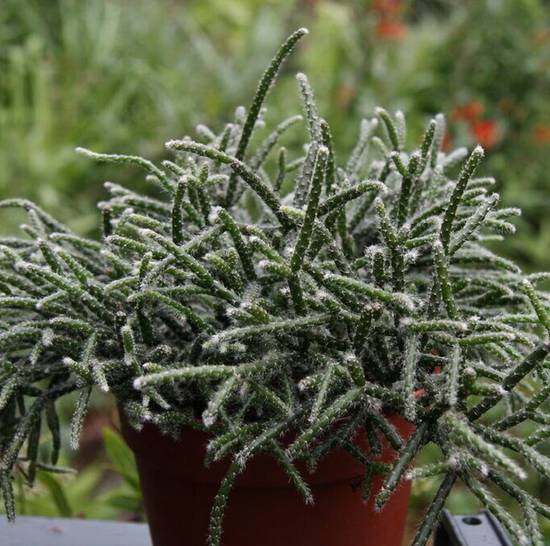
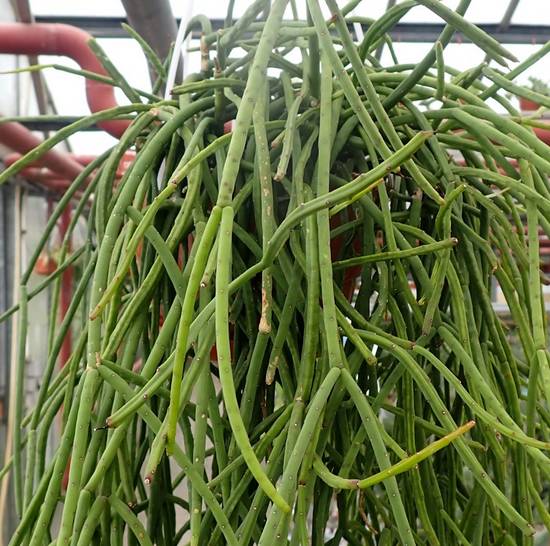
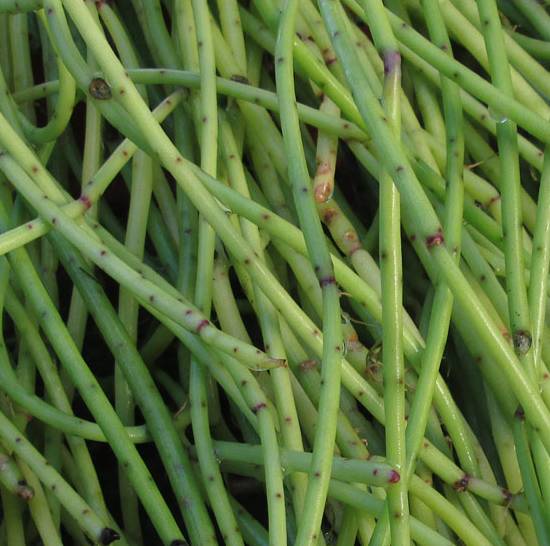
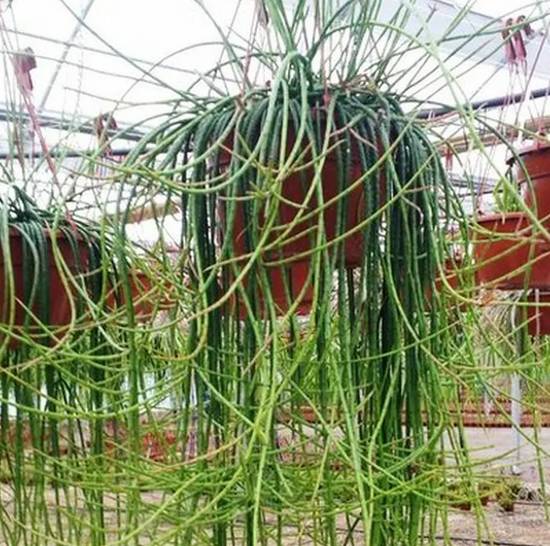
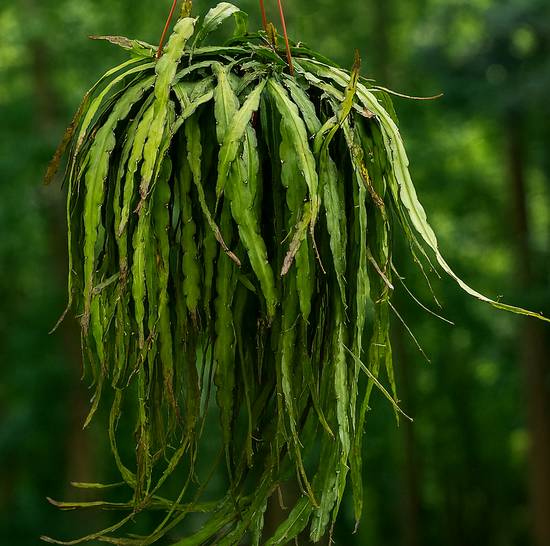
The Rhipsalis Puniceodiscus is an intriguing epiphytic cactus species native to the humid forests of South America. Unlike most cacti, this Rhipsalis prefers shade and humidity. It is characterized by its long, thin, trailing or spreading stems, which regularly divide into flat or slightly cylindrical segments.

Its name comes from its red floral discs ("puniceus" means purple in Latin), which surround the flowers and fruits. These discs, particularly visible on mature plants, are a rare aesthetic feature among Rhipsalis. It produces small white to cream flowers, followed by translucent or pinkish berries, adding to its ornamental appeal.

A plant with a trailing habit, it is perfectly suited to hanging cultivation, in a bright conservatory or indoors. Its growth is slow but steady, provided its specific needs are respected, particularly ambient humidity and soft light.

The Rhipsalis Puniceodiscus is native to the tropical forests of Brazil, where it naturally grows as an epiphyte on tree trunks and branches.

It evolves in a humid, shaded environment, far from direct sunlight, with high humidity. This biotope explains its specific needs, which distinguish it from classic desert cacti.
Unlike most cacti, this species prefers filtered light.

🌿 Ideal environment: A bright location without direct sunlight. East- or north-facing windows are ideal.

🚫 To avoid: Direct sunlight burns its delicate stems. Use a sheer curtain if the plant is near a sunny window.

💡 Tip: Soft but constant light encourages flowering and maintains the dark green color of its stems.
The Rhipsalis Puniceodiscus requires more regular watering than classic cacti, without ever soaking the substrate.

💧 Spring / summer: Water when the soil surface is dry. On average once a week in summer.

❄️ Winter: Reduce to one watering every 3 weeks. Beware of dry indoor heating air.

💦 Tip: Mist the stems with non-calcareous water once or twice a week to reproduce its natural climate.
This tropical cactus enjoys gentle warmth and dislikes cold.

🌡️ Comfort range: 18 to 25 °C

❄️ Minimum temperature: 12 °C. Must be protected from frost.

🏠 Indoor cultivation: Suitable for heated apartments, it can stay indoors year-round.
A light and well-draining mix is essential.

🪨 Recommended mix: 40% orchid potting soil, 30% perlite, 30% cactus soil.
Even indoors, flowering is possible under good conditions.

📆 Period: Winter to spring.

🌼 Flowers: Small, white to cream-colored, often followed by decorative berries.

💡 Tip: Provide appropriate fertilizer to stimulate flowering.
FAQ - Rhipsalis Puniceodiscus

How should I water Rhipsalis Puniceodiscus indoors?
Indoors, water Rhipsalis Puniceodiscus once a week in summer, allowing the soil to dry on the surface. In winter, reduce watering to once every 2 to 3 weeks. A light substrate and proper drainage are essential.
What exposure is suitable for Rhipsalis Puniceodiscus?
This tropical cactus prefers soft, filtered light. Avoid full sun, which could burn its stems. An east- or north-facing window is ideal for Rhipsalis Puniceodiscus.
Can Rhipsalis Puniceodiscus live indoors all year round?
Yes, this species is perfectly suited to indoor cultivation. Simply provide a bright location and good ambient humidity. Remember to feed it regularly.
How can I stimulate the flowering of Rhipsalis Puniceodiscus?
To encourage flowering, provide a relative rest period in winter, consistent soft light, and a specific fertilizer starting in spring.
Can Rhipsalis Puniceodiscus tolerate low temperatures?
It does not tolerate temperatures below 12°C. In winter, keep it in a bright, frost-free room.
Can it be grown in a hanging basket?
Yes, it is even the ideal growing method. Its trailing stems are beautifully displayed in hanging baskets. Plan for a light mineral mulch to retain moisture.
How can I recognize the flowering of Rhipsalis Puniceodiscus?
Its small white flowers often appear in winter or spring, sometimes discreet, but followed by characteristic translucent berries.
What type of substrate is needed for Rhipsalis Puniceodiscus?
A light, well-draining substrate rich in organic matter: orchid potting mix, perlite, and cactus soil. Do not forget drainage granules.
Why do the stems of Rhipsalis Puniceodiscus turn red?
A red tint may appear if the plant receives too much sun or lacks water. Move it to the shade and slightly increase humidity.
Is it toxic to animals?
No, Rhipsalis Puniceodiscus is non-toxic to cats and dogs. It is an excellent choice for homes with pets.