Rhipsalis Pilocarpa

Rhipsalis Pilocarpa
Rhipsalis Pilocarpa
Rhipsalis Pilocarpa

Rhipsalis Pilocarpa

The Rhipsalis Pilocarpa is a fascinating epiphytic cactus native to the tropical forests of Brazil. Unlike its desert relatives, it prefers partial shade, ambient humidity and a mild atmosphere. Its name comes from the Greek words “pilos” (hair) and “carpos” (fruit), referring to its spherical fruits covered with white hairs.

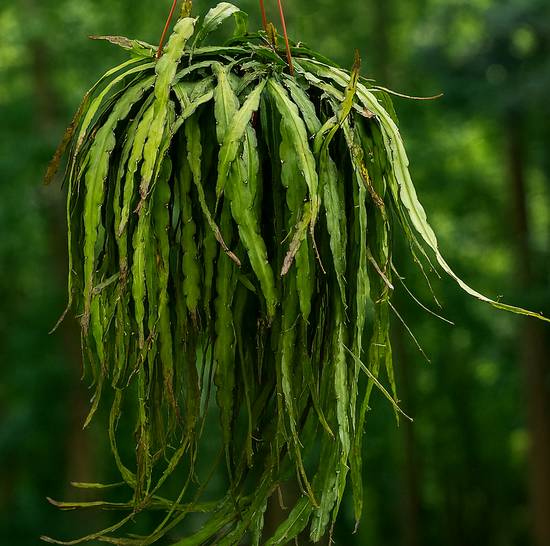
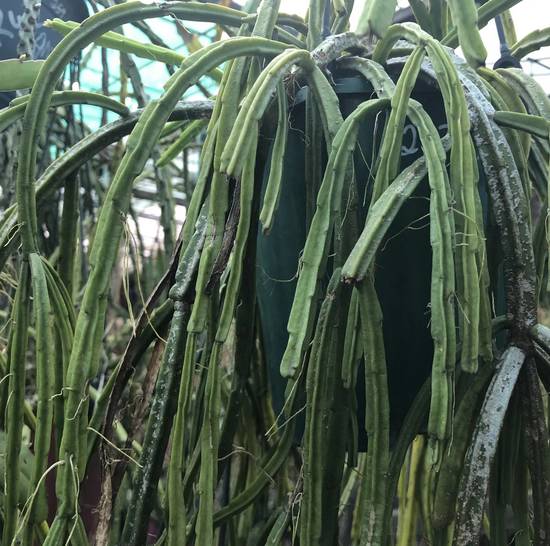
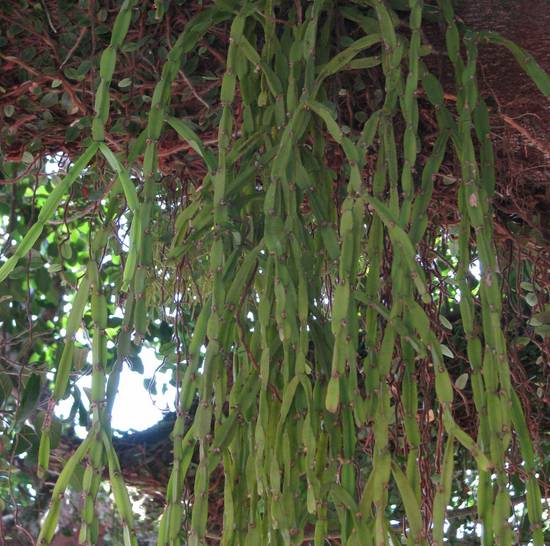
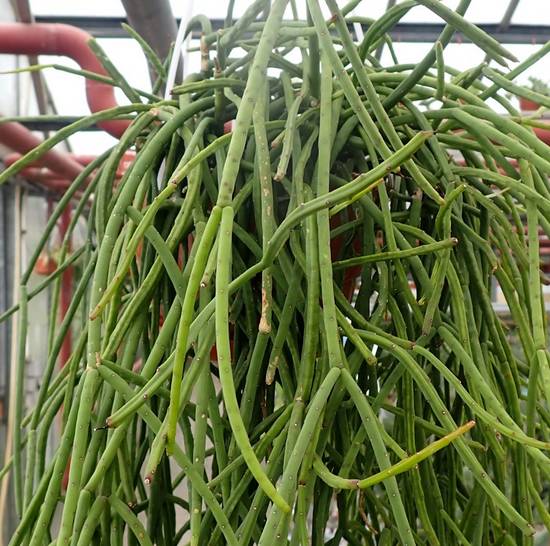
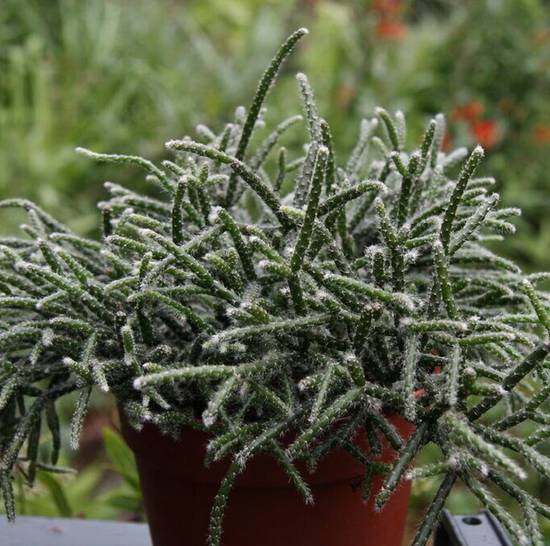
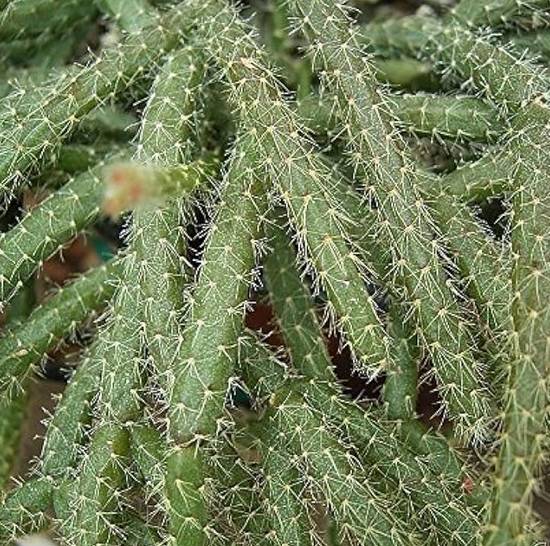
Its cylindrical, branched stems cascade gracefully. They are covered with fine silky areoles and create a light, exotic appearance. With age, the Rhipsalis Pilocarpa forms long trailing growth, perfect for hanging baskets or high shelves.

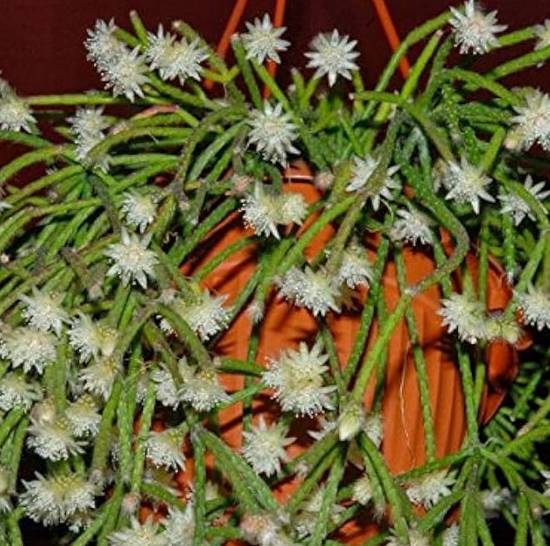
What truly makes it unique is its flowering: small star-shaped flowers, white or slightly pink, appear at the tips of the stems. They release a soft, subtle fragrance, which is rare among cacti. After flowering, it produces small white hairy fruits that are decorative and surprising.

This cactus is native to the humid tropical forests of Brazil, where it grows on trees as an epiphyte, sheltered from direct sunlight, in an environment rich in humidity.
No harsh direct sun for this tropical cactus!

🌤️ Filtered light: Prefer bright indirect light. It tolerates a few morning sun rays but fears strong sunlight.

🏠 Ideal indoor placement: Near an east- or north-facing window, or under filtered greenhouse light.
This Rhipsalis enjoys moderate and consistent humidity.

💧 Spring / Summer: Regular watering (once per week), without letting water stagnate.

🍂 Autumn / Winter: Reduce to one watering every 2–3 weeks.

💡 Tip: Mist the stems during dry periods to mimic its natural habitat.
This tropical cactus does not tolerate extremes.

🌡️ Ideal temperature: Between 18 °C and 26 °C.

❄️ Minimum: Never below 10 °C. It dislikes cold drafts and frost.

🏠 Winter care: Keep it in a warm, bright room.
It prefers a light and airy substrate, similar to that used for orchids.

🪨 Ideal mix: 50% cactus soil + 25% perlite + 25% fine bark.

💡 Drainage: Add a thin drainage layer at the bottom of the pot.
A magical moment, subtle yet spectacular.

🌼 Season: Late winter to early spring.

🌺 Flowers: Small, white or pinkish, lightly fragrant.

🍒 Fruits: Spherical, white and fuzzy, highly decorative.
FAQ - Rhipsalis Pilocarpa

Can Rhipsalis Pilocarpa live outdoors?
Not really: it is a tropical cactus that fears the cold. It should be grown indoors or in a greenhouse, in a mild and bright environment.
How should I water Rhipsalis Pilocarpa?
Water once a week in spring and summer, and reduce frequency in winter. Never leave standing water in the saucer. Mist additionally if the air is dry.
What light is suitable for Rhipsalis Pilocarpa?
It prefers bright but indirect light. Avoid direct sun, which could burn its thin stems.
Does Rhipsalis Pilocarpa bloom easily?
Yes, if it is mature and well cared for. It produces small fragrant flowers in spring. A cool but bright winter rest encourages blooming.
What substrate should I use for Rhipsalis Pilocarpa?
A light and well-draining mix is recommended. Use a suitable substrate with perlite and bark.
Does Rhipsalis Pilocarpa produce fruit?
Yes! After flowering, it forms small white fruits covered with hairs. They are decorative and harmless.
Should I fertilize Rhipsalis Pilocarpa?
Yes, use a gentle fertilizer once a month between March and September.
Is this cactus toxic to animals?
No, Rhipsalis Pilocarpa is considered non-toxic, perfect for homes with pets.
Why does my Rhipsalis Pilocarpa have soft stems?
Excess water or lack of light may be the cause. Check drainage and place it in a brighter location.
How can I propagate Rhipsalis Pilocarpa?
By stem cuttings. Cut a section, let it heal for 2 days, then plant it in a light substrate and keep it slightly moist.