Rhipsalis Cruciformis

Rhipsalis Cruciformis

Rhipsalis Cruciformis

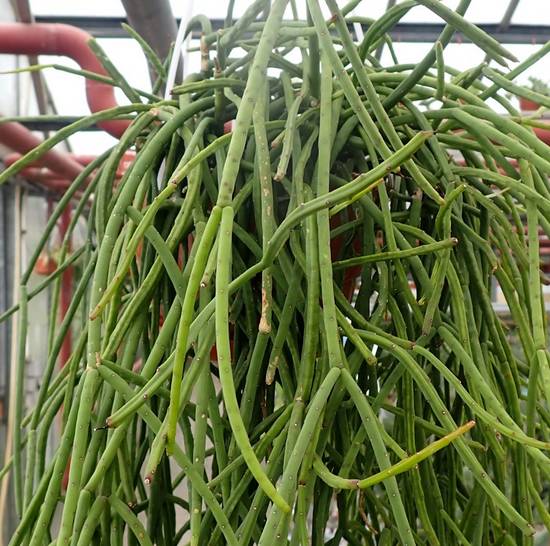
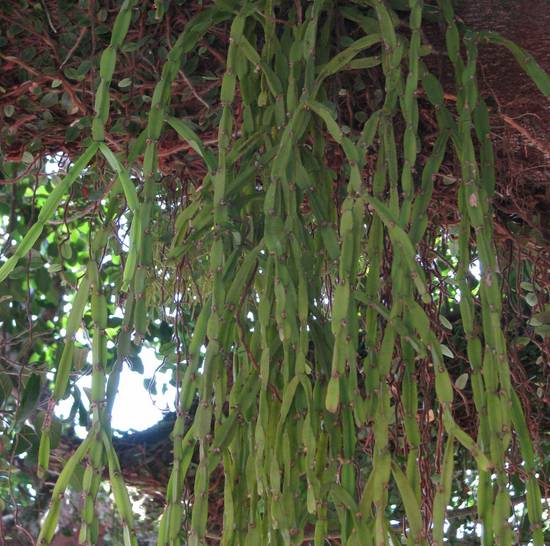
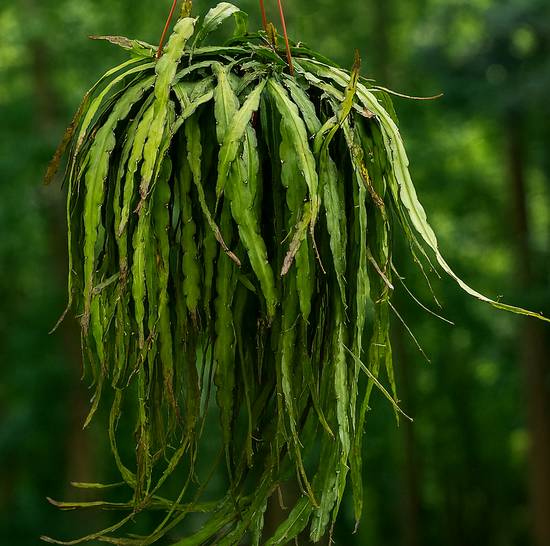
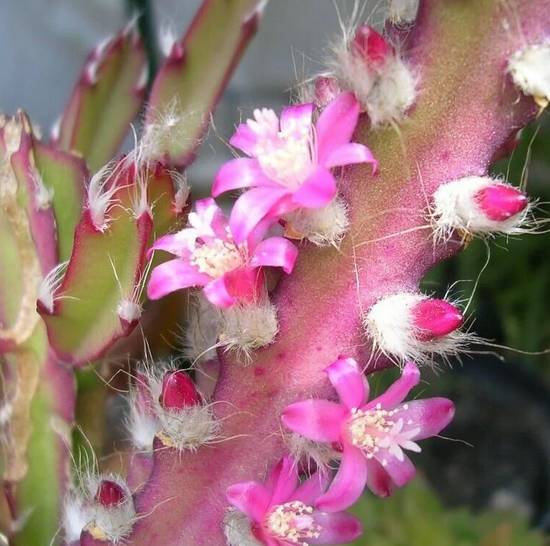
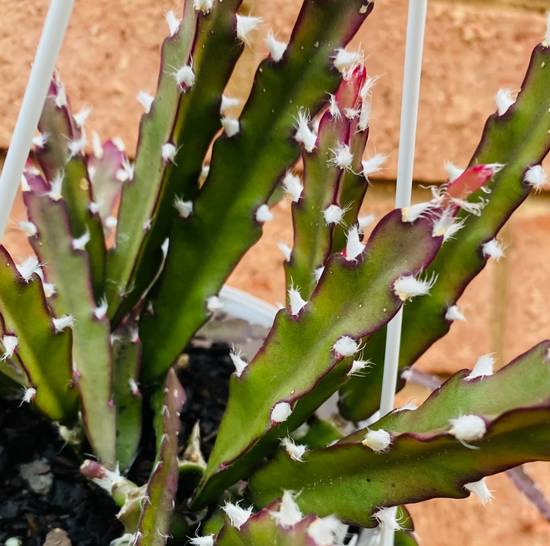
The Rhipsalis Cruciformis is a fascinating epiphytic species that stands out among cacti for its original appearance and trailing growth habit. Unlike classic cacti, it does not grow in arid soil but clings to tropical tree branches where it captures ambient humidity. Its name “Cruciformis” comes from its flat, segmented stems shaped like crosses, which cascade gracefully.

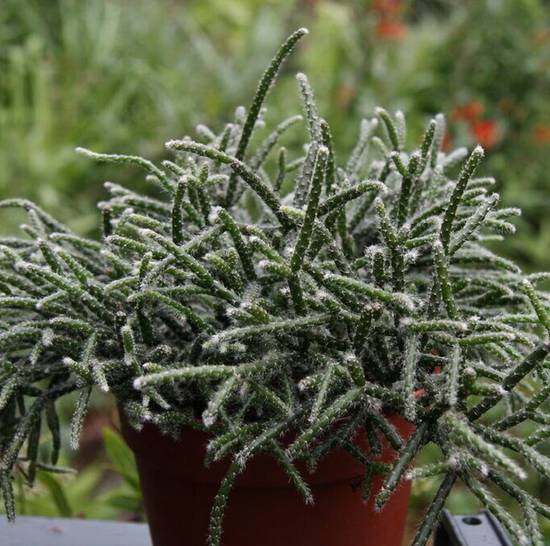
Its light green stems branch endlessly, forming a light and graphic tangle. This cactus has no spines, making it especially appreciated indoors or in hanging displays. It flowers readily in cultivation, producing small white or yellowish flowers with a subtle fragrance, often followed by small translucent round fruits.

Low-maintenance, the Rhipsalis Cruciformis is perfect for lovers of exotic or hanging cacti, provided its tropical habitat requirements are respected.

This Rhipsalis is native to the humid tropical forests of Brazil, particularly in the southern Atlantic coastal regions. It grows attached to trees, where light is filtered, humidity is high and temperatures are relatively stable.

This adaptation to an aerial environment makes it sensitive to drying out and to overly intense direct sunlight.
Good light without direct sun is the key to a healthy Rhipsalis Cruciformis.

🌤️ Indirect light: Ideally a bright room without harsh sunlight. Behind a sheer curtain or near an east- or north-facing window.

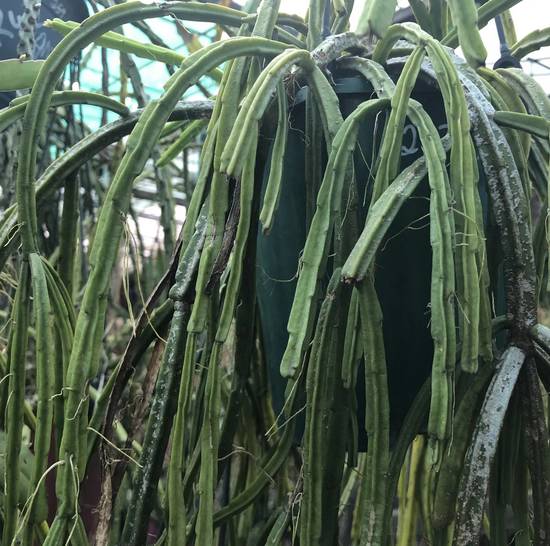
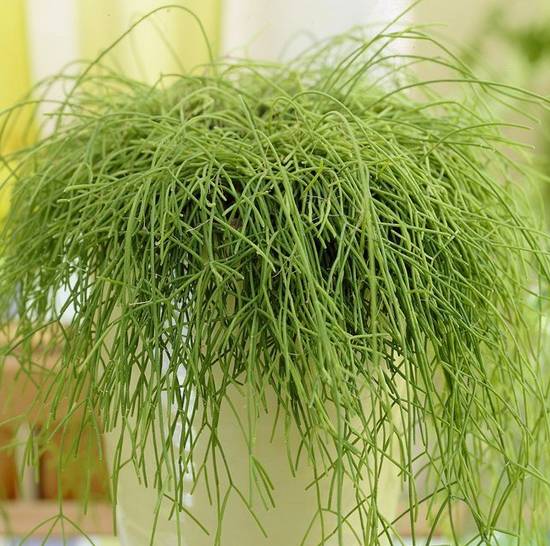
🌱 Hanging culture: Perfect for hanging baskets or high shelves to let the stems trail freely.

💡 Tip: In winter, it can tolerate slightly stronger light as the sun is less intense.
This tropical cactus enjoys humidity but hates stagnant water.

💧 Spring / Summer: Moderate watering every 10–15 days. The substrate should dry slightly at the surface between waterings.

❄️ Autumn / Winter: Reduce to one watering every 20 days or more depending on conditions. Never leave water in the saucer.

🪴 Tip: Use a light, airy substrate suited to epiphytic plants.
The Rhipsalis Cruciformis prefers mild and stable climates.

🌡️ Ideal temperature: Between 18 °C and 26 °C year-round.

❄️ Minimum tolerated: 10 °C. It dislikes cold and prolonged humidity.

🏡 Winter care: Keep indoors in a bright area, away from heat sources and drafts.
A draining, humus-rich soil that mimics its natural habitat is essential.

🪨 Recommended mix: 50% universal potting soil, 30% perlite, 20% pine bark or coconut fiber.

⛏️ Drainage: Add a drainage layer at the bottom of the pot.
The Rhipsalis Cruciformis can flower regularly with proper care.

📅 Period: Usually in spring.

🌼 Appearance: Small white to yellowish star-shaped flowers, discreet but numerous.

💡 To encourage flowering: Provide good light and a light cactus fertilizer once a month during the growing season.
FAQ - Rhipsalis Cruciformis

Does Rhipsalis Cruciformis need a lot of light?
Rhipsalis Cruciformis enjoys bright but indirect light. Too much direct sun can burn its thin stems. Choose a bright spot behind a sheer curtain or in a well-exposed room.
How often should I water Rhipsalis Cruciformis?
During warm periods, water every 10 to 15 days. Always allow the substrate to dry slightly on the surface. In winter, watering every 3 weeks is sufficient.
Can Rhipsalis Cruciformis grow in a hanging basket?
Yes, it is even the ideal method for this cactus! Its trailing stems create an impressive decorative effect in a hanging basket or on a high shelf.
What type of substrate is suitable for Rhipsalis Cruciformis?
A draining yet humus-rich substrate is ideal. Mix light potting soil, perlite, and a bit of pine bark. You can also use a suitable commercial substrate.
Does Rhipsalis Cruciformis have spines?
No, this cactus is completely spineless, making it perfect for interiors, including homes with children or pets.
Can Rhipsalis Cruciformis be fertilized?
Yes, a gentle fertilizer once a month during the growing season helps flowering. You can choose a special cactus fertilizer.
Does Rhipsalis Cruciformis bloom easily?
With good light, slight water stress in winter, and fertilizer, it blooms easily in spring.
What is the minimum temperature Rhipsalis Cruciformis can tolerate?
It struggles below 10°C. Keep it indoors in winter in a bright room.
Is Rhipsalis Cruciformis toxic?
No, it is considered non-toxic for humans and pets.
Can Rhipsalis Cruciformis be easily propagated?
Yes, each segment can be easily propagated. Let the cut dry for a few days before replanting in a light substrate.