Notocactus Leninghausii

Notocactus Leninghausii

Notocactus Leninghausii

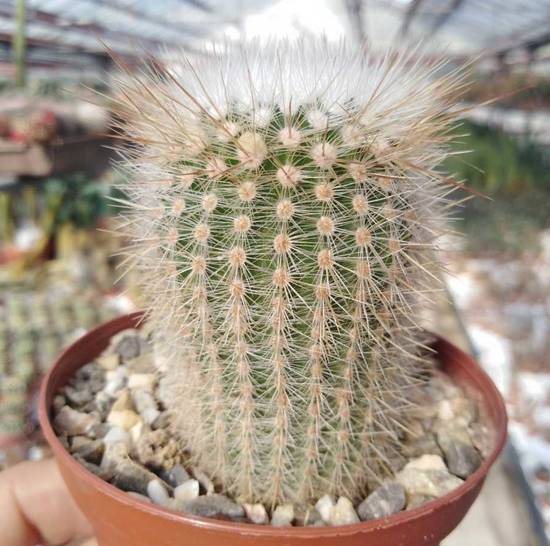
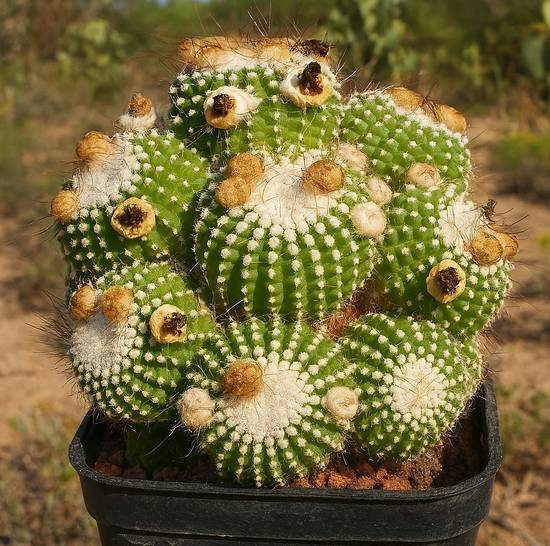
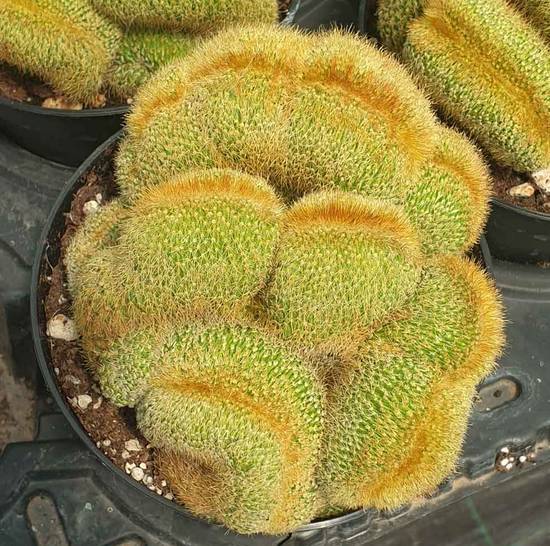
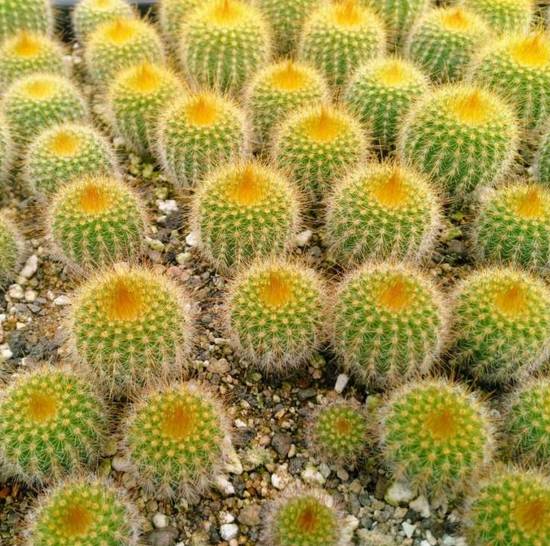
The Notocactus Leninghausii, also known by its scientific name Parodia leninghausii, is a remarkable cactus native to Brazil. Appreciated for its long golden spines and columnar growth, it brings a bright touch to any collection. Easy to grow with proper care, it appeals to both enthusiasts and advanced beginners.

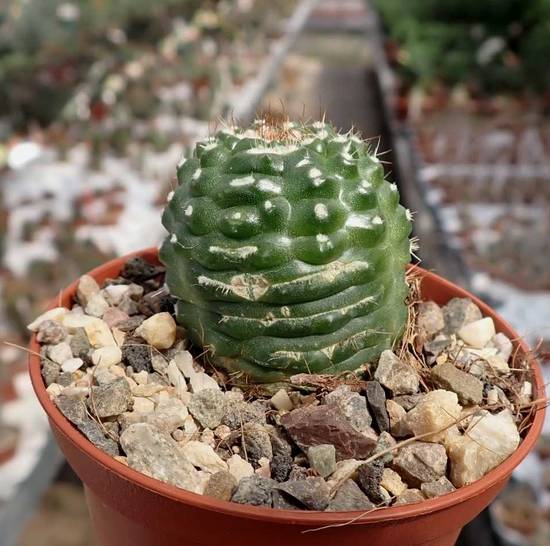
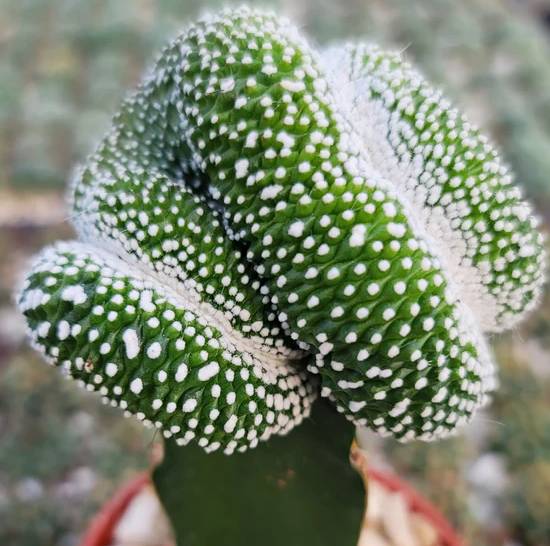
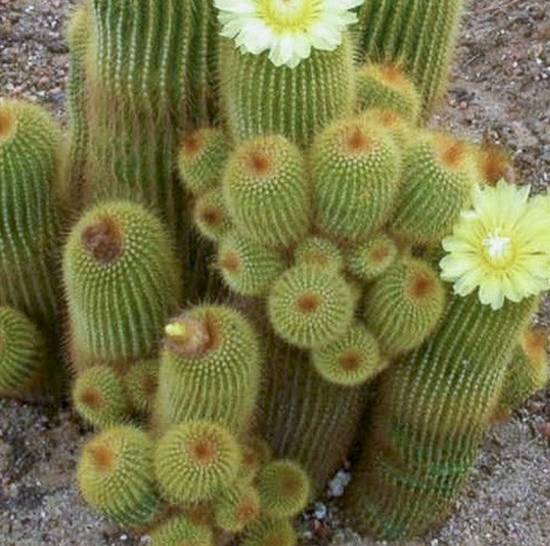
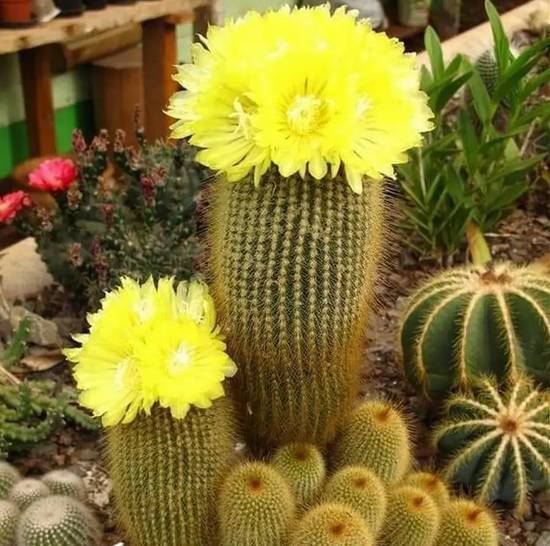
Its light green cylindrical body is marked by numerous fine ribs (up to 30), well defined, lined with white areoles bearing fine, soft golden spines. This spiny covering gives the plant a silky, shiny appearance, especially highlighted in full sun. As it ages, the Notocactus Leninghausii can reach up to 1 meter in height, particularly when grown in the ground in warm climates.

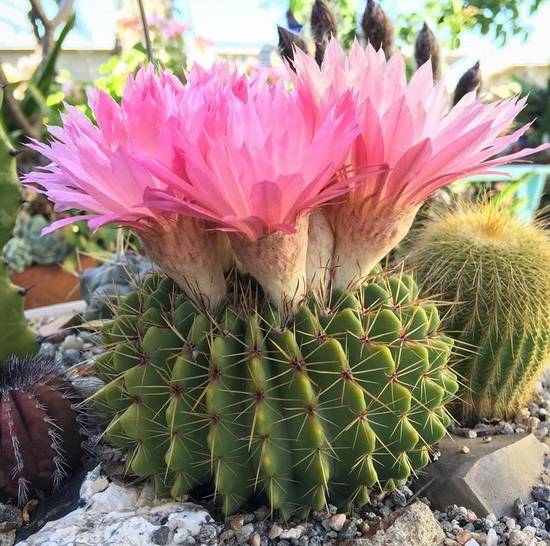
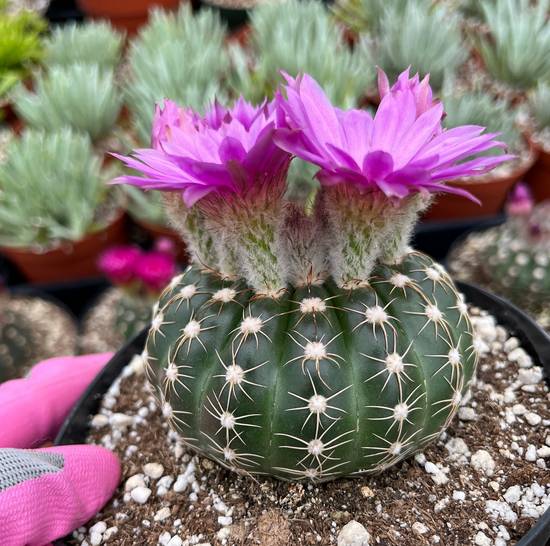
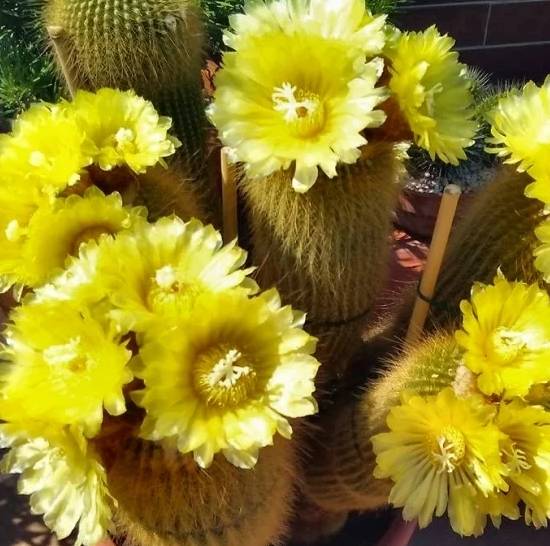
Flowering is one of its main attractions: in summer, it produces magnificent yellow funnel-shaped flowers at the top of the plant. These flowers, although short-lived, appear in large numbers on mature specimens.

The Notocactus Leninghausii is native to Rio Grande do Sul, in southern Brazil. It grows in grassy and rocky areas, well exposed to sunlight and subject to strong temperature variations between day and night.
Proper exposure is essential to ensure compact growth and a beautiful golden color of the spines.

🌞 Full sun: At least 5 to 6 hours of direct sunlight per day. The more intense the light, the brighter the spine color.

🌤️ Indoor cultivation: Place near a south- or southwest-facing window. It can tolerate light shade but may become etiolated.

☁️ Lack of light: Causes excessive elongation and weakens the plant.
Watering of the Notocactus Leninghausii must be precise, as this species does not tolerate excess moisture.

🌱 Spring / summer: Water moderately every 2 to 3 weeks, only when the substrate is completely dry.

🍂 Autumn / winter: Greatly reduce watering, or stop completely if overwintered in a cool place.

⚠️ Tip: Never leave water in the saucer. This cactus requires dry soil between waterings.
The Notocactus Leninghausii tolerates heat fairly well but must be protected from cold.

🌡️ Optimal growth temperature: Between 18°C and 28°C.

❄️ Cold tolerance: Down to 0°C if kept dry. Below that, protection is essential.

🏠 Overwintering: Bring indoors in winter to a bright, unheated place if possible (between 5°C and 10°C) to encourage flowering the following year.
The substrate is essential to ensure healthy growth of this cactus.

🪨 Mandatory drainage: It fears excess water. Use a very airy substrate.

🧪 Recommended mix: 50% cactus substrate + 50% pumice or mineral drainage.
Flowering of the Notocactus Leninghausii is generous but limited to well-exposed mature plants.

🌸 Season: Summer, mainly from June to August.

🎨 Color: Bright yellow, sometimes slightly orange at the center.

🌿 Conditions: Requires dry winter rest, plenty of light, and an appropriate substrate.
FAQ - Notocactus Leninghausii

Can Notocactus Leninghausii live outdoors all year round?
Only in frost-free regions. In temperate climates, it must be brought indoors in winter. Protect it with a well-draining substrate such as Fertiligène substrate.
What fertilizer should be used to stimulate the flowering of Notocactus Leninghausii?
Use a suitable fertilizer such as Or Brun cactus, once a month in spring.
How often should a potted Notocactus Leninghausii be watered?
In summer, every 2 to 3 weeks depending on temperature. In winter, completely stop watering if the plant is dormant.
Can Notocactus Leninghausii flower easily?
Yes, if it is mature, well exposed, and properly watered. A supplement with Undergreen Jungle Fever can help.
Why is my Notocactus Leninghausii stretching too much?
This is a sign of insufficient light. Place it near a south-facing window or use a grow light.
Does Notocactus Leninghausii tolerate repotting?
Yes, but only during the growing season (spring). Use a layer of Algoflash drainage at the bottom of the pot.
How can you recognize a healthy Notocactus Leninghausii?
Its shape should remain nicely cylindrical, with golden spines and a firm epidermis. Wilting often indicates excess water.
Should Notocactus Leninghausii be pruned?
No, this cactus should not be pruned. It sometimes propagates by basal offsets if conditions are favorable.
Is Notocactus Leninghausii toxic to animals?
No, it is harmless. However, its spines can be irritating if they come into contact with skin or mucous membranes.
What lifespan can be expected for Notocactus Leninghausii?
With proper care, it can live more than 30 years and flower every summer once mature.