Melocactus Maxonii

Melocactus Maxonii
Melocactus Maxonii
Melocactus Maxonii

Melocactus Maxonii

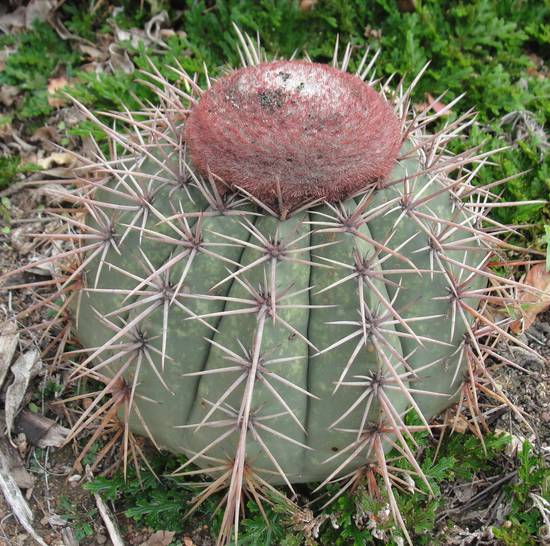
The Melocactus Maxonii is an emblematic species of the genus Melocactus, native to the dry tropical regions of Central America. It is particularly renowned for its classic silhouette and the remarkable appearance of its woolly cephalium, which distinguishes it from other cacti. This species is appreciated by collectors for its compact structure and the beauty of its discreet but continuous flowering from the cephalium.

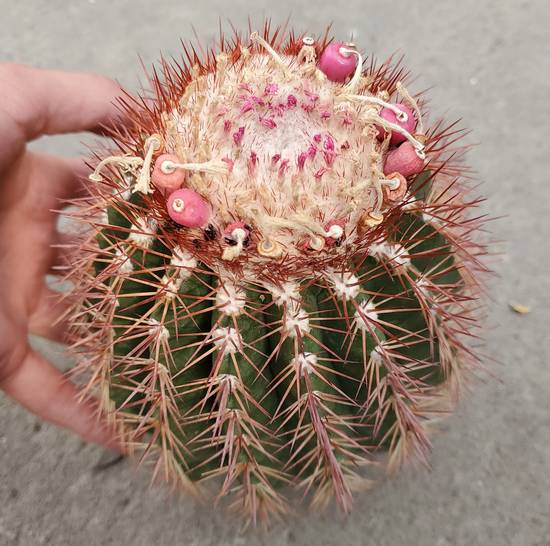
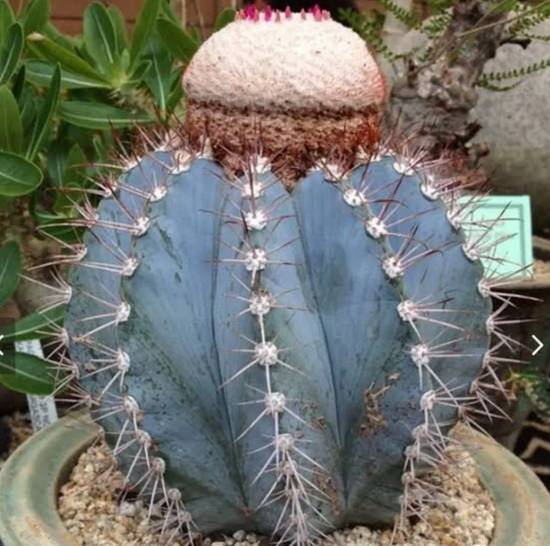
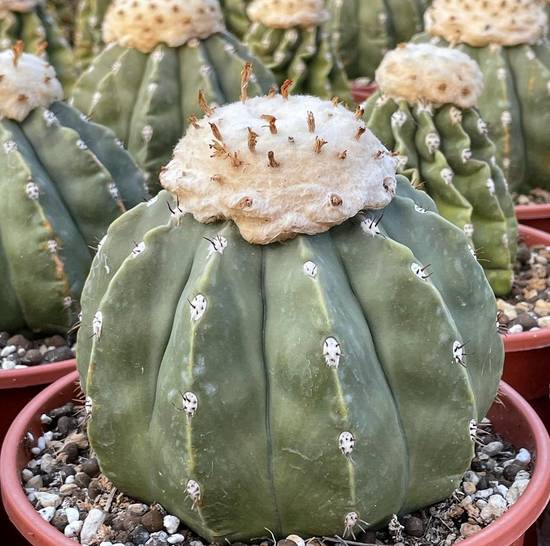
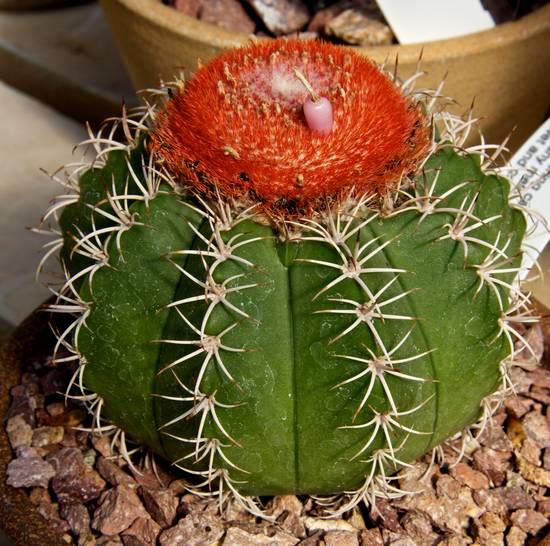
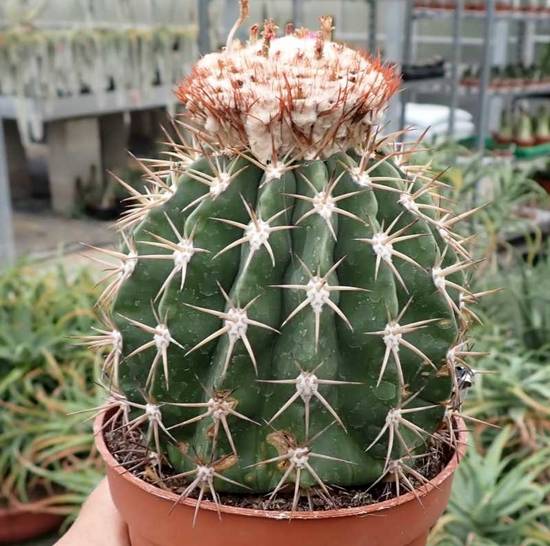
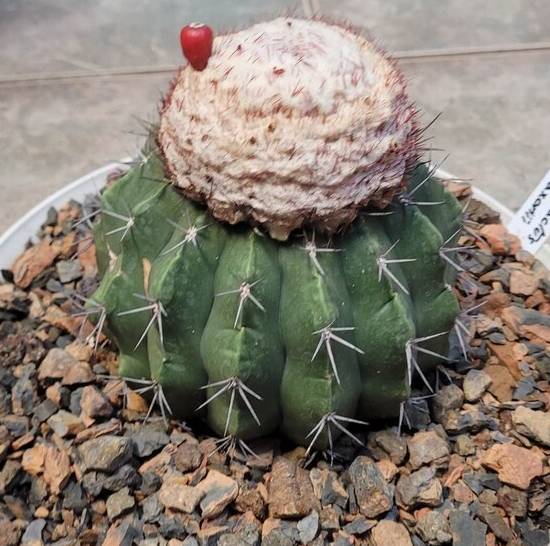
Its body is globular to short cylindrical, with an intense green or bluish-green color, generally measuring between 10 and 15 cm in diameter at maturity. It features between 10 and 13 rounded, well-defined ribs, bearing areoles with fine, straight radial spines, brown to gray in color. Unlike the inermis variety, this form has visible but non-aggressive spines.

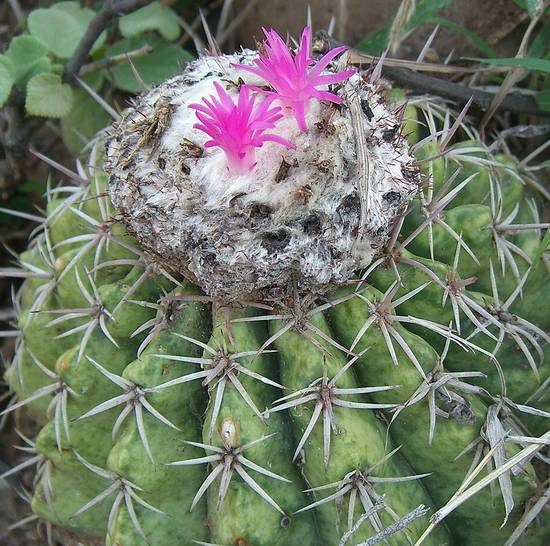
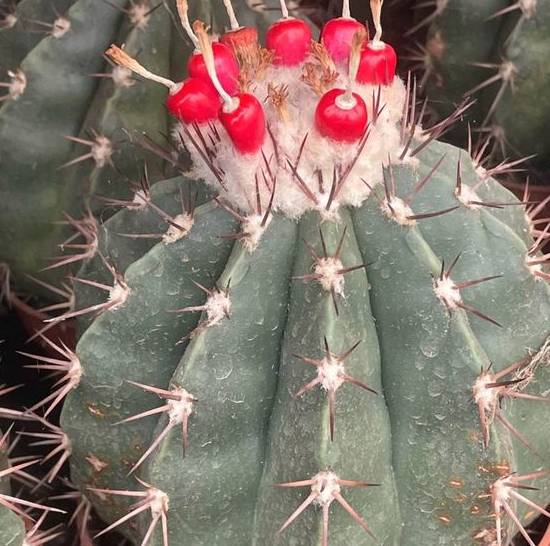
At maturity, a dense cephalium forms at the top of the cactus. It is composed of a mixture of white wool and red or orange bristles, and continues to grow each year. It is from this cephalium that small flowers emerge, followed by elongated, decorative pink to red fruits.

The Melocactus Maxonii is native to Central America, mainly Honduras and Nicaragua, where it grows in hot, dry and rocky environments. It develops in very well-drained volcanic soils under intense sunlight.
🌞 Essential sunlight: At least 6 to 8 hours of direct light each day are necessary to maintain proper growth and promote cephalium development.

🌤️ Indoors: Place it near a south-facing window. If light is insufficient, use a grow light.

☁️ Lack of light: Causes etiolation, prevents cephalium development and increases disease susceptibility.
🌱 Spring - Summer: Water every 2 to 3 weeks. Allow the substrate to dry completely before each new watering.

🍂 Autumn - Winter: Almost completely stop watering. Melocactus maxonii enters dormancy and becomes very vulnerable to moisture.

⚠️ Common mistake: Overwatering! This cactus tolerates drought much better than excess water.
🌡️ Ideal temperatures: Between 22°C and 32°C during the growing period.

❄️ Minimum temperatures: Not below 12°C. Prolonged cold can cause death of the cephalium and roots.

🏠 Advice: Overwinter the plant in a bright, dry and temperate room.
🪨 Mandatory mineral substrate: Melocactus maxonii requires a very airy, poor and well-drained soil.

💡 Recommended mix: 50% cactus substrate + 50% pumice.
🌸 Flowering: Small pink to purple flowers appearing directly from the cephalium, especially in summer.

🍓 Fruits: Pink, elongated, decorative, sometimes edible but without flavor.

💡 Note: Flowering may last throughout the warm season if the plant is well exposed.
FAQ - Melocactus Maxonii

How can I make Melocactus Maxonii flower?
Flowering depends on the plant’s maturity and the development of its cephalium. Expose it to sun, limit watering, and fertilize with Fertiligène liquid in spring/summer.
What fertilizer should be used for a potted Melocactus Maxonii?
Use a gentle fertilizer such as Or Brun cactus, low in nitrogen and rich in potassium. This promotes flowering without excessive growth.
Can Melocactus Maxonii be grown indoors?
Yes, provided it receives very strong light, ideally through a large south-facing window or under a grow light. Avoid dark or humid areas.
Does the cephalium of Melocactus Maxonii disappear in winter?
No, the cephalium remains present all year, but its growth may slow down. It is important to protect the plant from moisture during this period.
Is Melocactus Maxonii suitable for beginners?
Not really. It is more demanding than classic cacti, especially regarding drainage, temperature, and repotting (to be avoided once the cephalium has formed).
Why is my Melocactus Maxonii turning yellow at the base?
This may indicate rot. Check the substrate, reduce watering, and use a well-draining mix such as Algoflash special cactus.
Can Melocactus Maxonii be repotted after the cephalium appears?
It is not recommended. The cephalium is fragile and any handling may disturb it. If necessary, be extremely gentle.
What is the lifespan of a Melocactus Maxonii?
It can live 20 to 30 years. Once mature, it stops growing taller but continues to flower each season.
Can Melocactus Maxonii be placed outdoors in summer?
Yes, provided it is sheltered from rain. Place it in full sun and use a mineral mulch such as Or Brun pozzolana.
Is it dangerous for children or animals?
No, its spines are thin but not very aggressive. However, it is better to prevent children or animals from handling it.