Melocactus Matanzanus

Melocactus Matanzanus

Melocactus Matanzanus

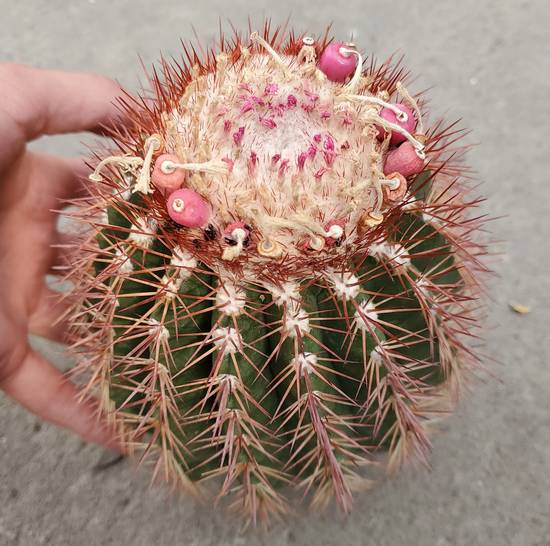
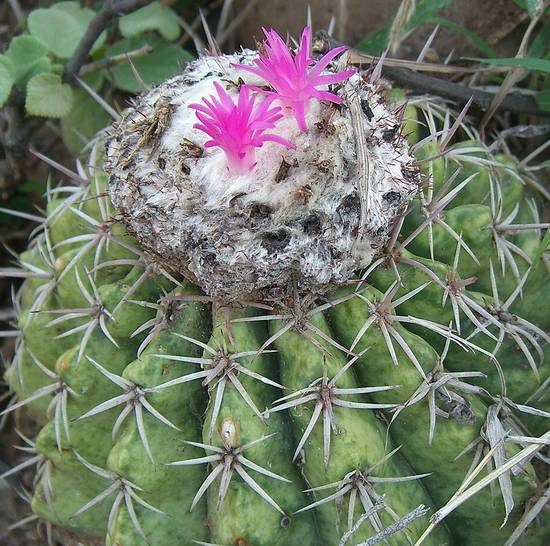
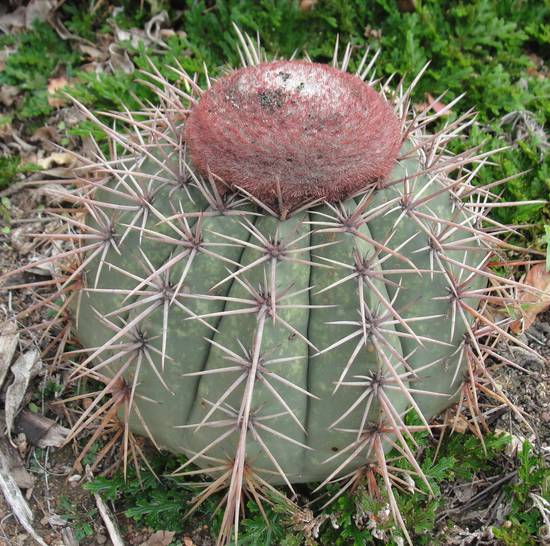
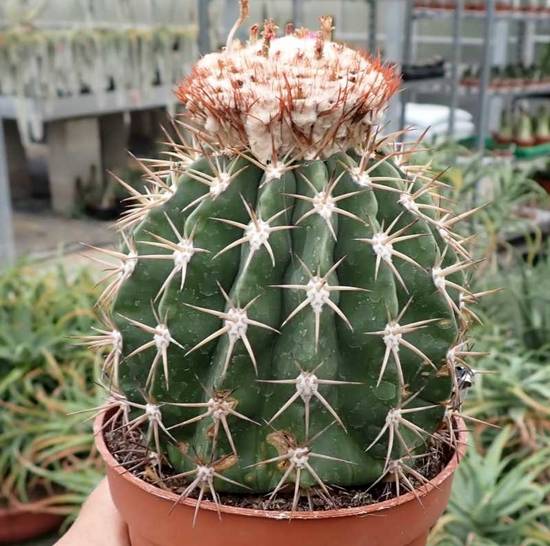
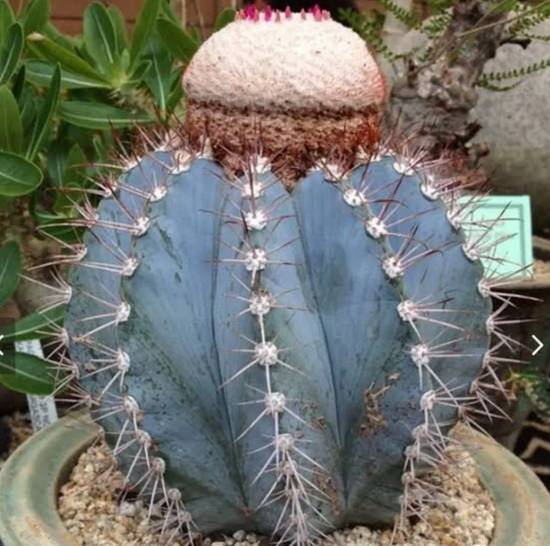
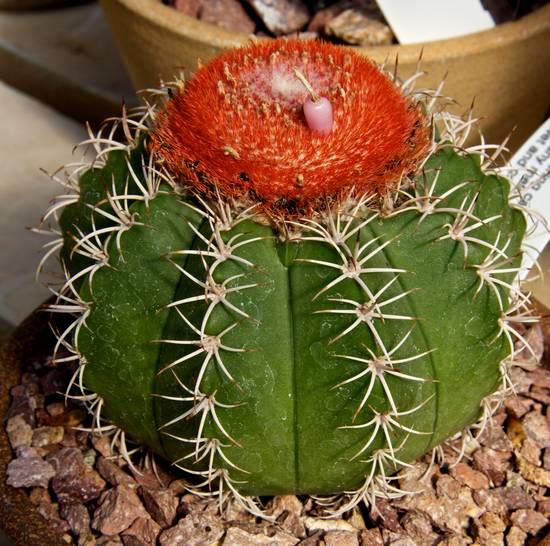
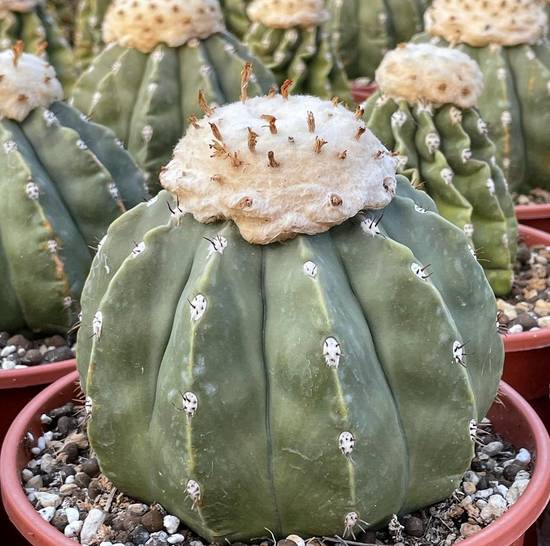
The Melocactus Matanzanus is one of the most emblematic representatives of the Melocactus genus, famous for its distinctive appearance and its unique cephalium, a reddish woolly structure that emerges at the top when mature. Native to Cuba, and more precisely to the province of Matanzas, this cactus is prized both for its compact aesthetics and its unusual character among succulents.

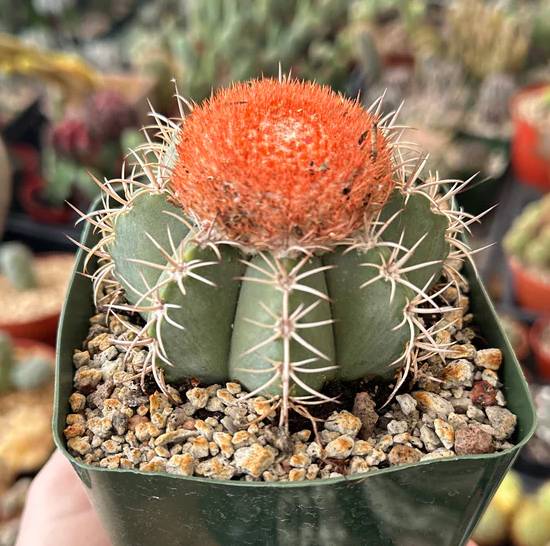
The body of the Melocactus Matanzanus is globular to slightly cylindrical, light green to dark green in color. It is marked by 8 to 10 well-defined ribs, adorned with areoles bearing fine radial spines, usually grayish or light brown. This cactus does not grow indefinitely: when it reaches maturity (generally around 10 cm in diameter), it stops growing in height and begins to develop its famous cephalium, a reproductive organ from which flowers and fruits will later appear.

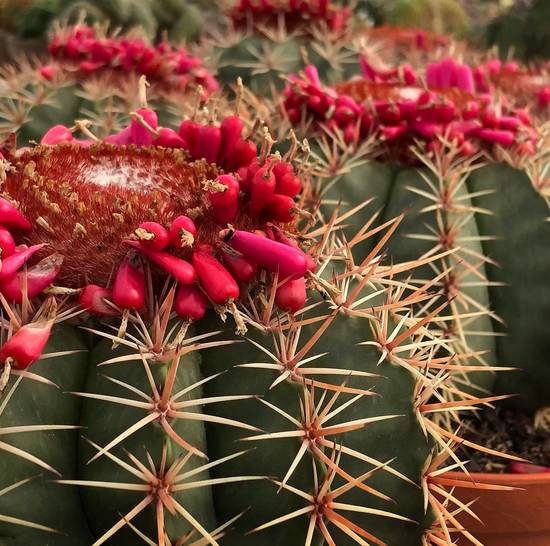
The cephalium, red to pink in color, consists of a dense mass of bristles and wool. It produces small pink or red flowers, generally discreet but continuous throughout the warm season. After pollination, it gives rise to elongated fruits resembling tiny pink peppers, emerging from the wool of the cephalium.

This cactus is endemic to the region of Matanzas, Cuba, where it grows in rocky coastal areas exposed to the sun. It develops in well-drained soils, often calcareous, under a tropical climate alternating between drought and intense rainfall.
Strong light to direct sun: The Melocactus Matanzanus requires a lot of light to develop its cephalium. Full sun exposure (at least 6 hours per day) is ideal.

Indoor protection: When grown indoors, place it near a south-facing window. A horticultural lamp can be useful in winter.

Lack of light: Leads to slowed growth and prevents cephalium formation.
Spring to summer: Water moderately, allowing the substrate to dry completely between waterings. Average frequency: every 2 to 3 weeks depending on temperature and substrate.

Autumn to winter: Very rare or no watering. The Melocactus Matanzanus enters dormancy and becomes particularly vulnerable to moisture.

Warning: This cactus is very sensitive to excess water and rot. Never leave water standing in the saucer.
Ideal temperature: Between 22°C and 30°C during the growing season.

Cold tolerance: The Melocactus matanzanus does not tolerate temperatures below 10°C. It must be brought indoors in winter to a warm, bright location.

Wintering: In a veranda, heated greenhouse, or bright indoor space.
🪨 Perfect drainage: This is the key to success. Use cactus potting soil mixed with 50% mineral material (pumice, perlite, fine gravel, or sand).
Period: Throughout the warm season, if the cephalium is well formed.

Color: Bright pink to light red.

Frequency: In waves over several weeks.

Fruits: Small, pink, edible but with little taste. They sometimes attract pollinating insects.
FAQ - Melocactus Matanzanus

How often should a Melocactus Matanzanus in a pot be watered?
The Melocactus Matanzanus has very moderate water needs. During summer, watering every 2 to 3 weeks is sufficient, provided the substrate has completely dried out. In winter, watering should be stopped, especially if the plant is indoors. The use of a well-draining substrate such as Fertiligène special cactus is essential to avoid any risk of rot.
Can a Melocactus Matanzanus be repotted safely?
This cactus is very sensitive to repotting, especially after the cephalium has formed. If truly necessary, wait until spring, handle it gently, and use drainage granules to avoid wet areas at the bottom of the pot. Repotting too frequently can slow its development.
What light exposure does Melocactus Matanzanus need?
It requires a very bright location with daily direct sunlight (6 to 8 hours). Indoors, choose a south-facing window. If the light is insufficient, it may fail to produce a cephalium. Outdoors, still monitor for sunburn during initial exposure.
How can I tell if my Melocactus Matanzanus is healthy?
A healthy plant shows a vibrant green epidermis, a dense cephalium, and stable growth. If you notice shrinking, wilting, or yellowing, check watering, light, and substrate. Use a gentle fertilizer such as Or Brun Cactus to strengthen its vitality during the active season.
Why is the cephalium of my Melocactus Matanzanus not growing?
Cephalium formation depends on several factors: plant age, light exposure, suitable substrate, and absence of stress. If these conditions are not met, the cephalium may be delayed or never appear. A good substrate such as Algoflash cactus soil helps stabilize root growth.
What is the minimum temperature tolerated by Melocactus Matanzanus?
This tropical cactus does not tolerate cold. Below 10°C, its tissues may suffer, and frost is fatal. In winter, bring it indoors or place it in a heated greenhouse. A surface layer of Or Brun pozzolana can protect the collar from cold and moisture.
Does Melocactus Matanzanus flower easily?
Flowering occurs only after the cephalium has formed, often several years after germination. Pink flowers emerge directly from the cephalium during the warm season. To encourage this process, regular feeding with a gentle fertilizer such as Fertiligène liquid is recommended.
Can Melocactus Matanzanus live a long time?
Yes, it can live for several decades if well cared for. Avoid excess water, root stress, and sudden temperature changes. Provide a well-draining mineral substrate and abundant light all year round.
Should a special substrate be used for Melocactus Matanzanus?
Absolutely. A standard substrate would retain too much water. Choose a mix rich in mineral elements such as perlite, pozzolana, or pumice. Undergreen Jungle Fever is also a good option to support its growth with gentle nutrients.
Is Melocactus Matanzanus toxic or dangerous?
No, it is not toxic to humans or animals. However, its small spines can irritate the skin. Handle it carefully, especially around the cephalium, which is a fragile and living area.