Mammillaria Hernandezii

Mammillaria Hernandezii

Mammillaria Hernandezii

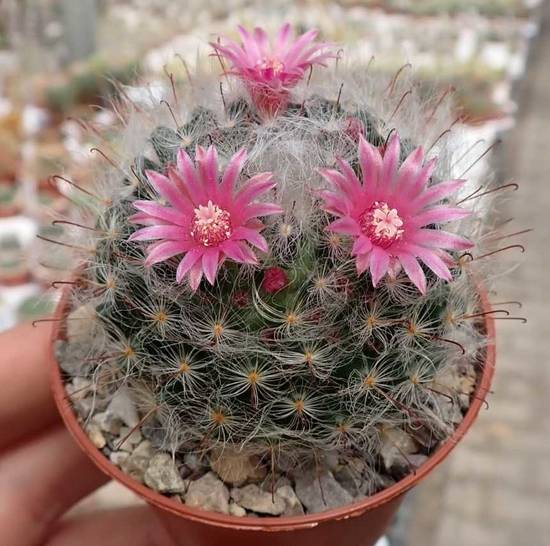
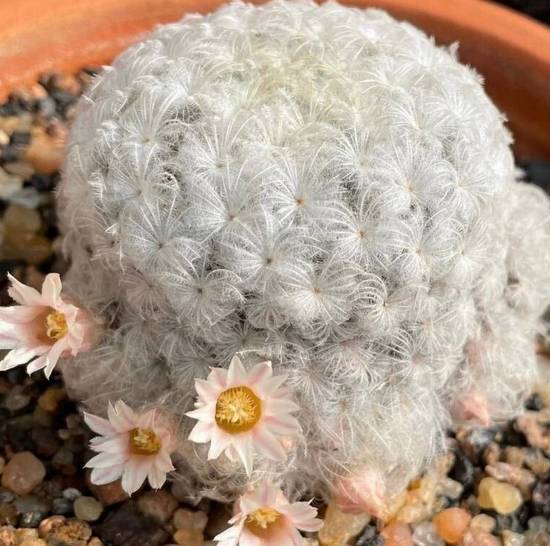
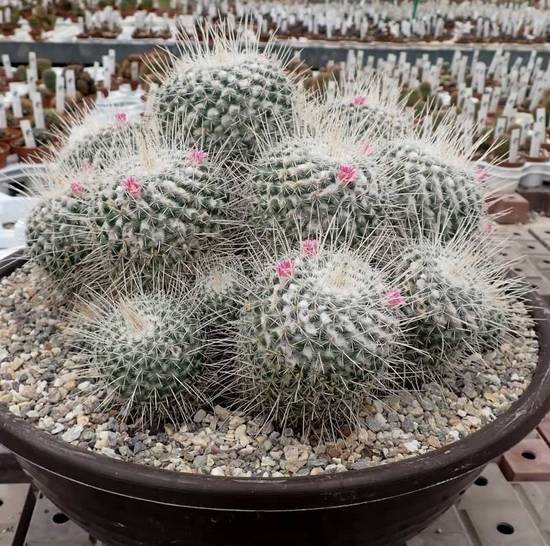
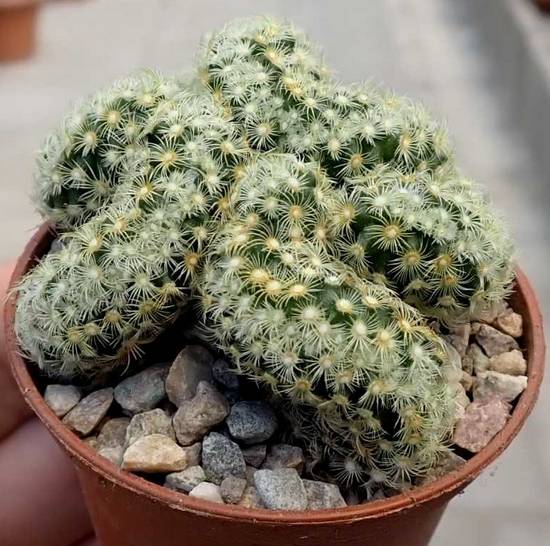
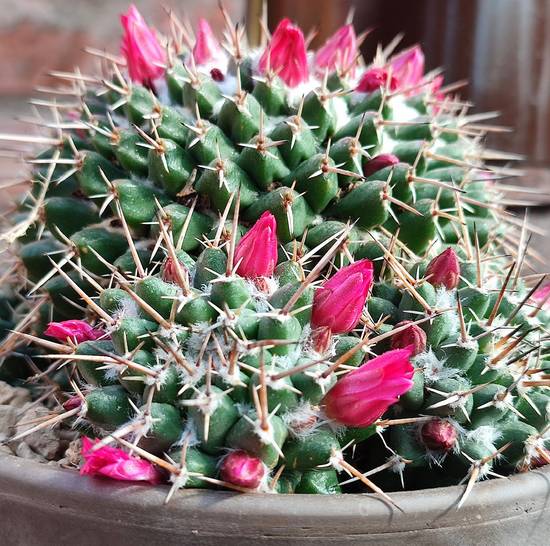
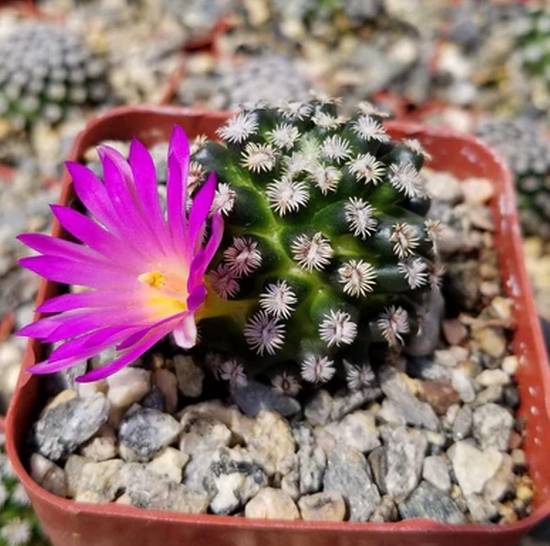
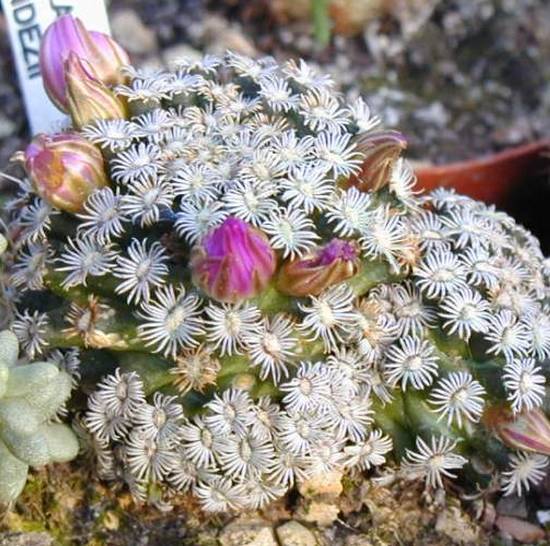
The Mammillaria Hernandezii is a small globular cactus native to Mexico, known for its compact appearance, woolly areoles and, above all, its spectacular flowers that are disproportionately large compared to its size. Despite its small stature, it immediately attracts the attention of collectors thanks to its graphic form and striking blooms.

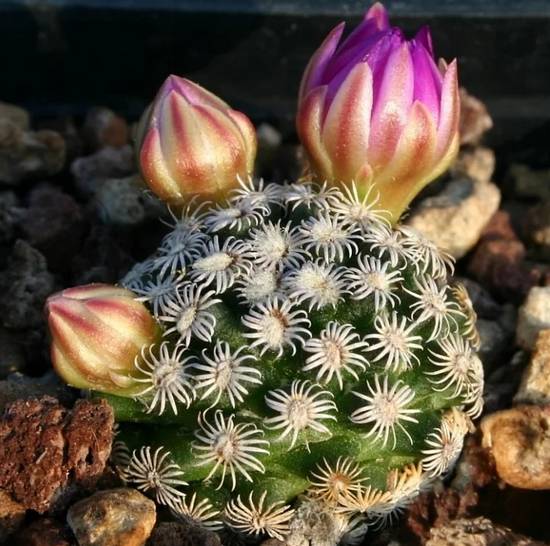
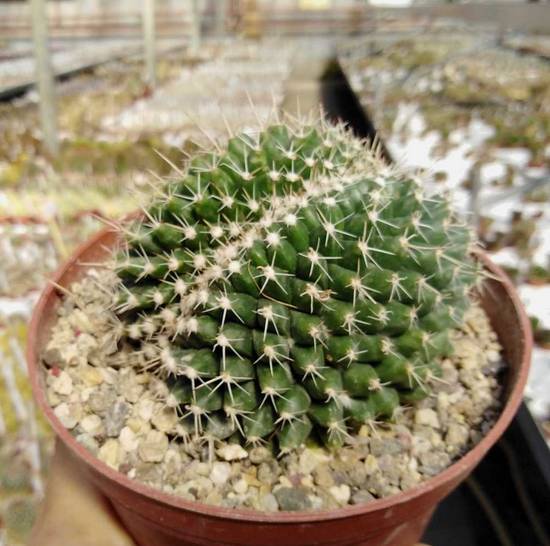
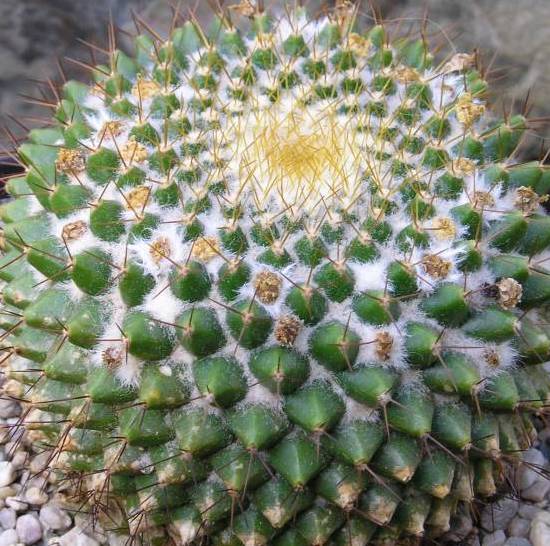
This cactus has a hemispherical shape, rarely exceeding 3 to 5 cm in diameter. It is covered with rounded, fleshy tubercles, often dark green, with no visible ribs. The areoles, located at the tip of each tubercle, bear very short or almost absent spines and are covered with white wool, creating a strong contrast with the epidermis.

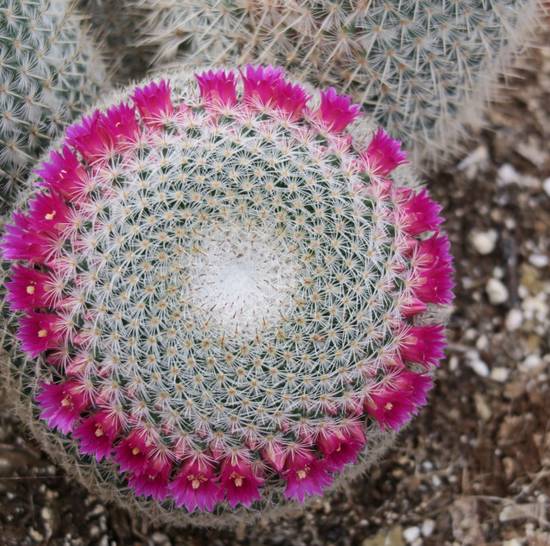
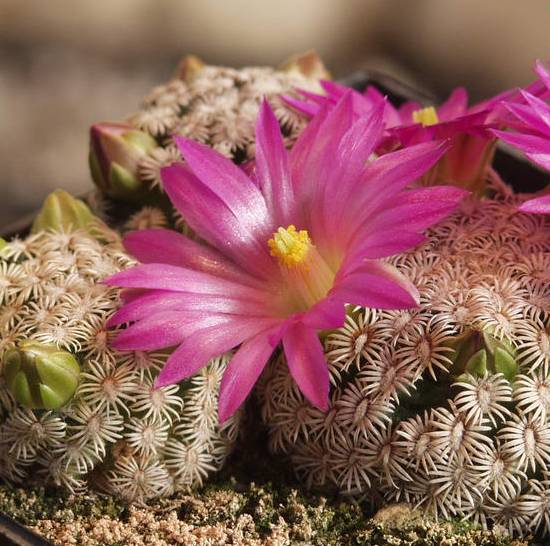
The true signature of the Mammillaria Hernandezii lies in its flowering: superb magenta-pink to deep violet flowers, often larger than the cactus body itself, blooming from the center and forming a vivid crown.

This cactus is endemic to a small arid area of the state of Oaxaca, Mexico. It grows naturally in limestone rock crevices, well exposed to the sun, in a hot and dry climate at moderate altitude.

In this mineral environment, it has developed strong drought resistance and a root system adapted to capture even the slightest trace of moisture.
A well-chosen exposure is essential to ensure the health of this cactus.

🌞 Bright light: It needs at least 5 to 6 hours of direct light per day to maintain its compact shape and stimulate flowering.

☀️ Summer: Avoid intense midday sun. Light shading is ideal when grown outdoors.

🏠 Indoors: Place near a south- or west-facing window. Light is a key factor for abundant flowering.
As with all Mammillaria, watering must be measured.

💧 Growing season (April to September): Water every 15 to 20 days. The substrate must be completely dry between waterings.

❄️ Winter: Stop watering entirely. A dry rest period promotes future flowering.

⚠️ Watch out: Excess moisture greatly increases the risk of rot. Always use a well-draining substrate.
This cactus enjoys warmth but can tolerate cooler winter temperatures.

🌡️ Ideal temperature: Between 20 and 28 °C during the growing season.

❄️ Winter minimum: Down to 4 °C if kept completely dry.

💡 Tip: A cool, bright winter rest is essential to trigger flowering in spring.
A mineral substrate is essential to avoid excess moisture.

🪨 Recommended mix: 50% cactus soil, 25% perlite, 25% pumice.

⛏️ Bottom drainage: Add a layer of gravel or clay pebbles to prevent water stagnation.
The flowering of the Mammillaria Hernandezii is remarkable considering the plant’s small size.

🌸 Period: From March to June.

🌼 Flower: Intense pink to purple, sometimes almost fuchsia, with a yellow center. Flowers can reach up to 3 cm in diameter.

🌿 Encouraging flowering: Good light, winter rest, and a cactus fertilizer in spring are essential.
FAQ - Mammillaria Hernandezii

How should Mammillaria Hernandezii be cared for indoors?
Mammillaria Hernandezii thrives in bright environments. Place it behind a well-exposed window, use a well-draining substrate, and limit watering.
How often should Mammillaria Hernandezii be watered?
During the growing season, water every 2 to 3 weeks. In winter, stop watering completely to prevent rot.
Can Mammillaria Hernandezii tolerate cold temperatures?
Yes, it tolerates temperatures down to 4°C if kept completely dry. It is sensitive to frost, so protect it when necessary.
What soil should be used for Mammillaria Hernandezii?
Use a special cactus potting mix combined with pumice and perlite to ensure excellent drainage.
Can Mammillaria Hernandezii bloom every year?
Yes, if it benefits from a proper winter rest and receives cactus fertilizer in spring, it can bloom generously each year.
Should Mammillaria Hernandezii be repotted often?
No, repotting every 3 to 4 years is sufficient. Choose a pot with drainage holes and add a drainage layer at the bottom.
Why is my Mammillaria Hernandezii not flowering?
A lack of light or excessive watering during winter can prevent flowering. Provide a dry rest period and plenty of light.
Can Mammillaria Hernandezii live outdoors?
Yes, provided it is protected from rain and frost. In summer, it enjoys being outdoors.
How can I tell if my Mammillaria Hernandezii has too much water?
Signs include softening, dark spots, and collapse. Reduce watering immediately and check drainage.
Where can I find a suitable fertilizer for Mammillaria Hernandezii?
You can use a liquid cactus fertilizer specially formulated to promote flowering and healthy growth.