Mammillaria Bombycina
The Mammillaria Bombycina is a fascinating species from the Mammillaria genus, highly appreciated by collectors for its compact silhouette, delicate spines, and spectacular flowering. Native to central Mexico, this small botanical wonder naturally grows on steep rocky slopes, often nestled in crevices where water drains quickly.
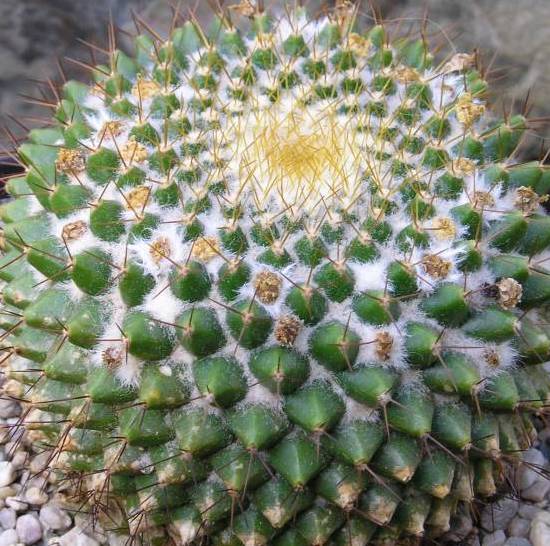
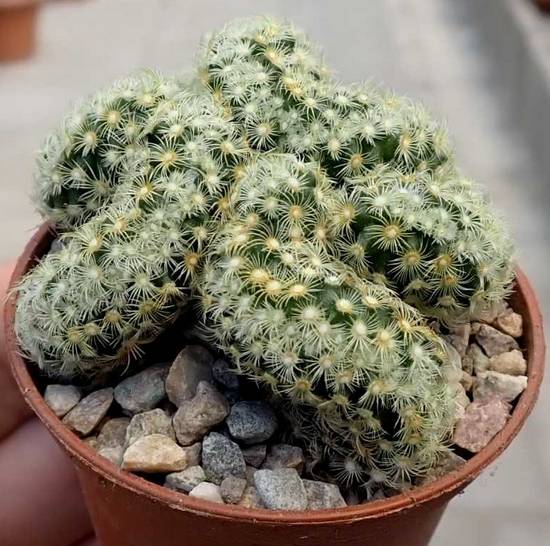
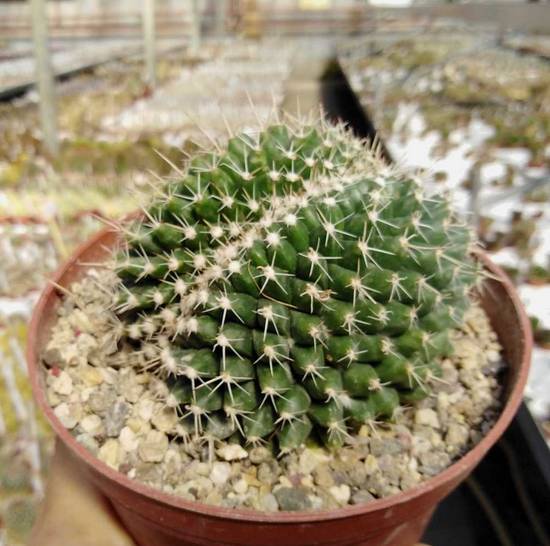
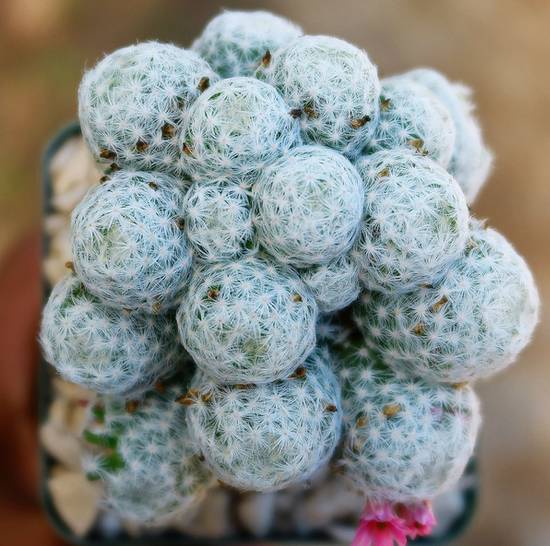
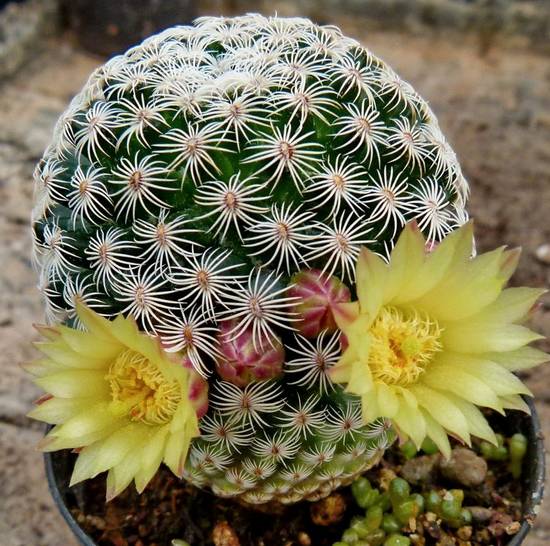
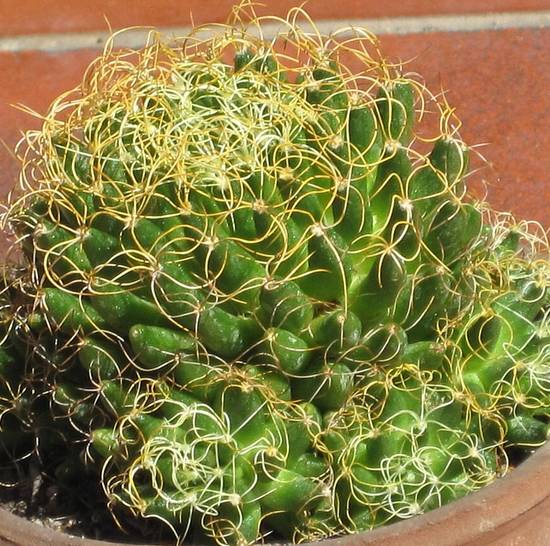
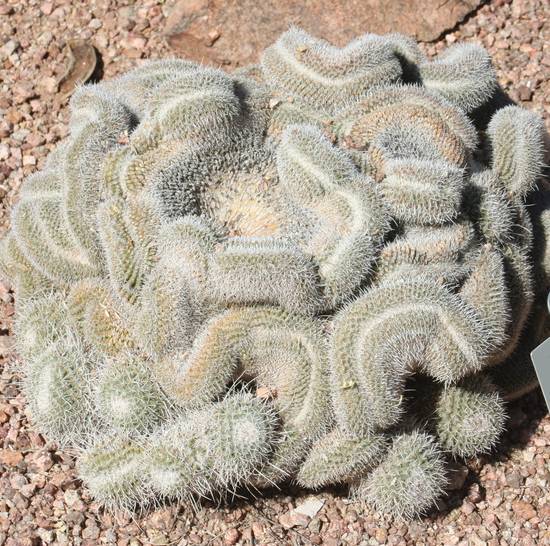
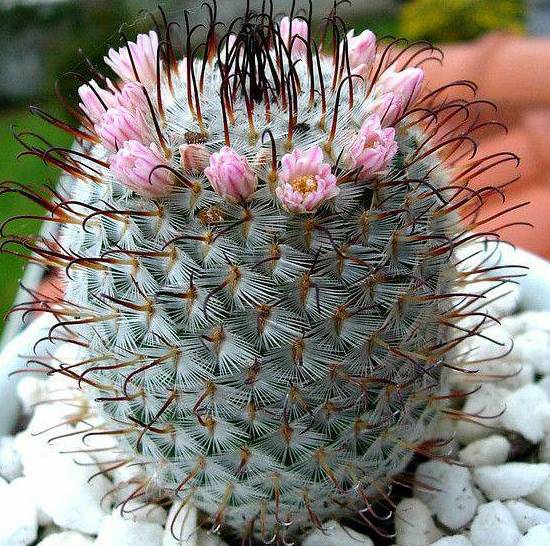
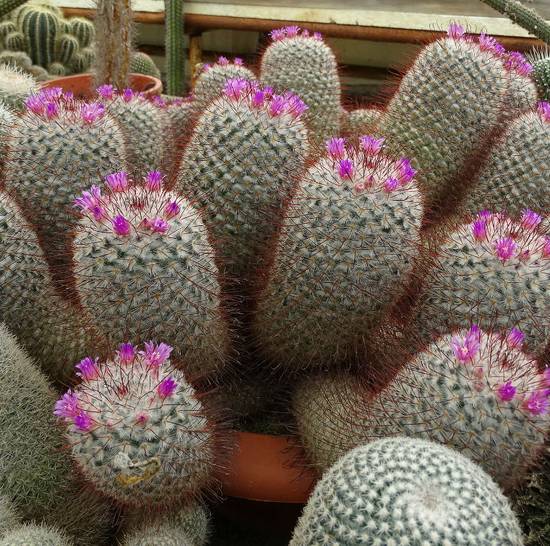
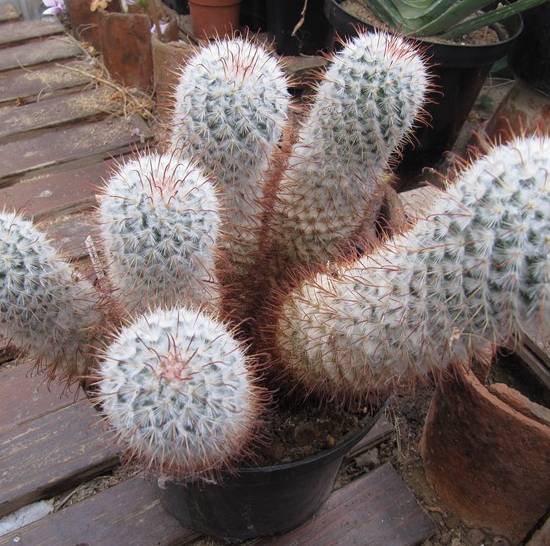
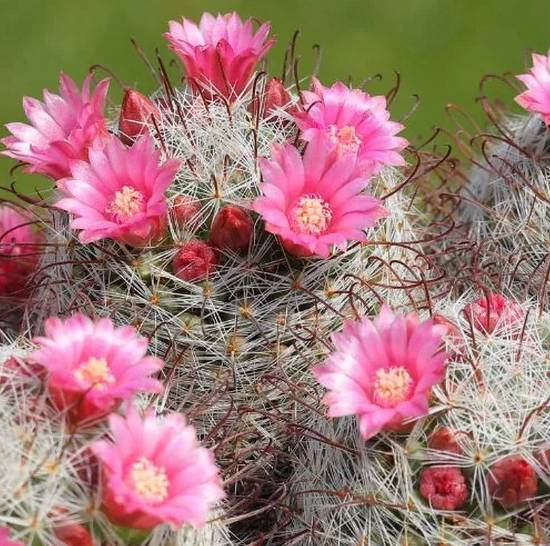
This globular to cylindrical cactus forms dense clumps composed of rounded stems covered with conical tubercles characteristic of the genus. Each areole produces a series of white, silky spines (resembling silkworm silk, hence the name "Bombycina"), as well as a few darker central spines. This contrast creates a soft, fluffy visual effect that immediately attracts the eye.
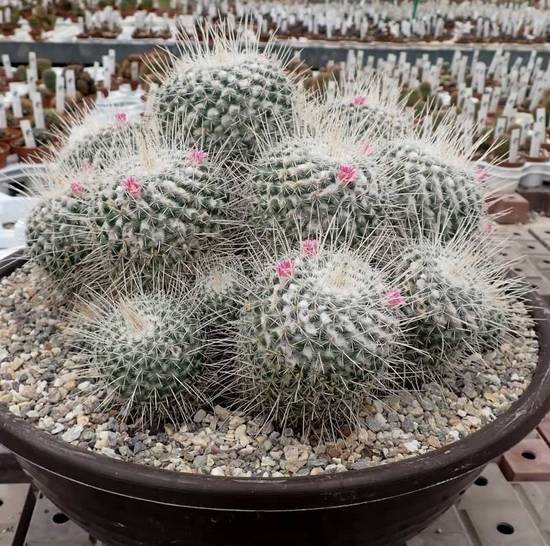
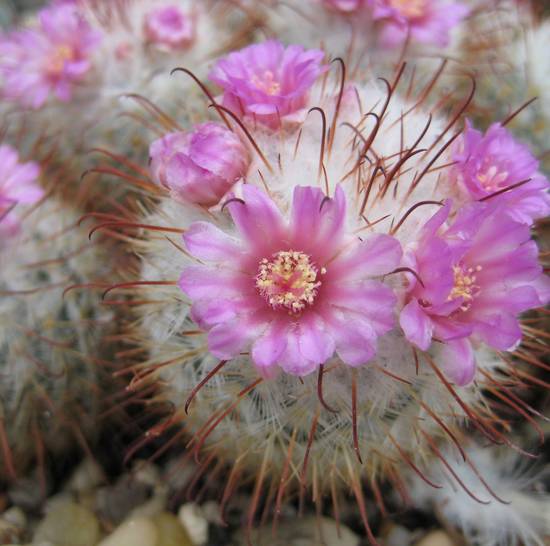
But what truly makes the charm of the Mammillaria Bombycina are its magnificent fuchsia pink to pale pink flowers that appear in a crown at the top of the stems. The abundant spring flowering gives the appearance of a floral diadem, further enhancing the plant’s natural elegance.
The conditions in which it naturally evolves — strong temperature variations, rocky substrates, and intense sun exposure — have shaped its robustness and drought tolerance.
🌞 Direct sunlight: 4 to 6 hours per day minimum, especially in the morning.
🌤️ Avoid full scorching sun in summer: light shading is recommended during the hottest afternoons to avoid burns on the delicate tubercles.
A good exposure promotes abundant flowering and limits stem etiolation.
🌱 Spring / summer: water every 2 to 3 weeks. The substrate must be completely dry between waterings.
🍂 Autumn / winter: gradually reduce until watering is completely stopped as soon as temperatures drop.
⚠️ Important advice: always use a pot with drainage holes and a very well-draining substrate to avoid any water stagnation.
🌞 Ideal growing temperature: between 20°C and 28°C.
❄️ Cold tolerance: tolerates temperatures down to 0°C in dry soil. Never leave the pot outdoors during prolonged frost.
🏠 Overwintering: place your cactus in a bright and cool place in winter, around 8 to 12°C.
🪴 Maximum drainage: mix 50% cactus potting soil with 50% mineral materials such as pumice or pozzolana.
✅ The substrate must be light, airy, and low in organic matter.
🌸 Season: mainly in spring, sometimes in summer.
🎨 Color: bright pink to pale pink, sometimes almost mauve.
🕑 Duration: each flower lasts 2 to 4 days, but flowering can last several weeks with many waves.
💡 To stimulate flowering, a cool winter rest period and good exposure are essential.
FAQ - Mammillaria Bombycina
| Criteria | Mammillaria Bocasana | Mammillaria Bombycina |
|---|---|---|
| Shape | Globular to short cylindrical, forming compact clusters | More elongated cylindrical stems, sometimes slightly pendulous |
| Hair Covering | Very dense and silky, covering most of the plant | Less dense, allowing areoles and spines to be visible |
| Spines | Small and often hidden under white hairs, not hooked | Visible central spines, often hooked, golden to brown |
| Flowering | Small pale pink flowers | Larger crown-forming flowers, bright pink to magenta |
| Origin | Northern Mexico (arid desert areas) | Central Mexico (rocky limestone areas) |