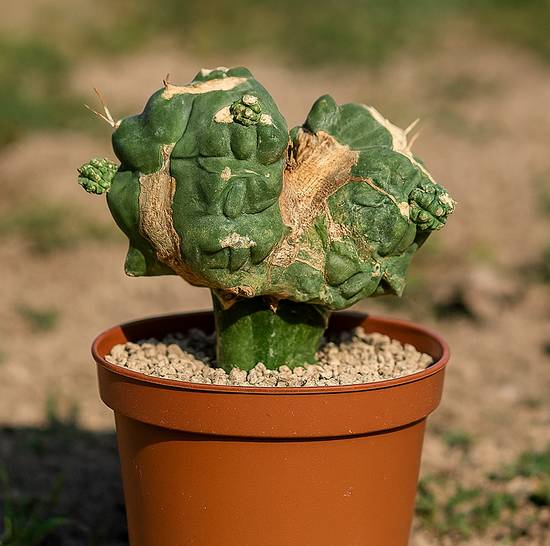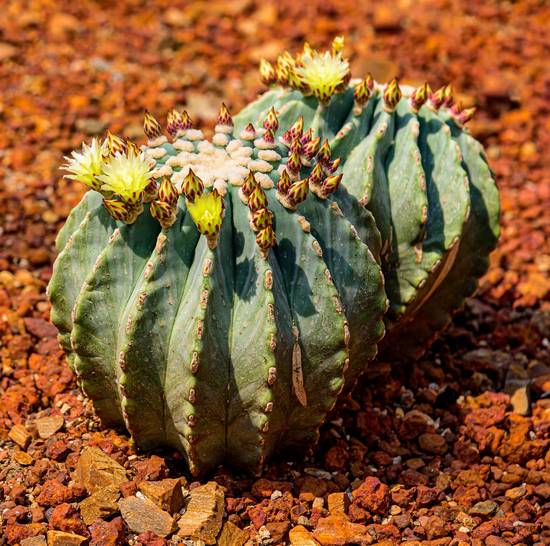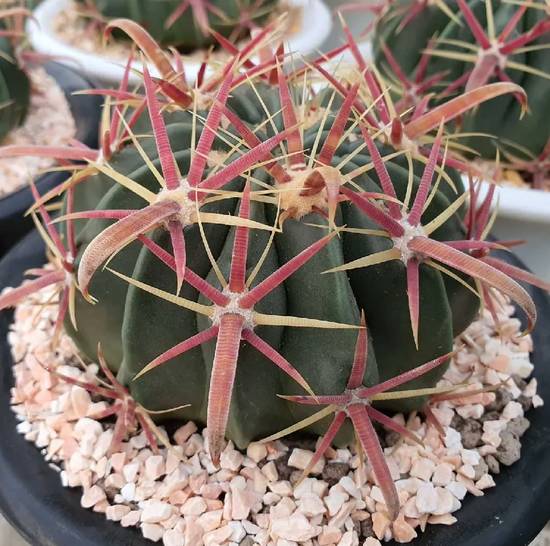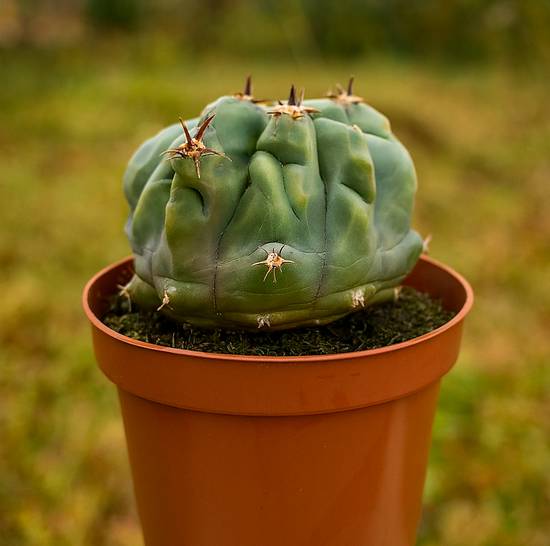
Ferocactus Emoryi
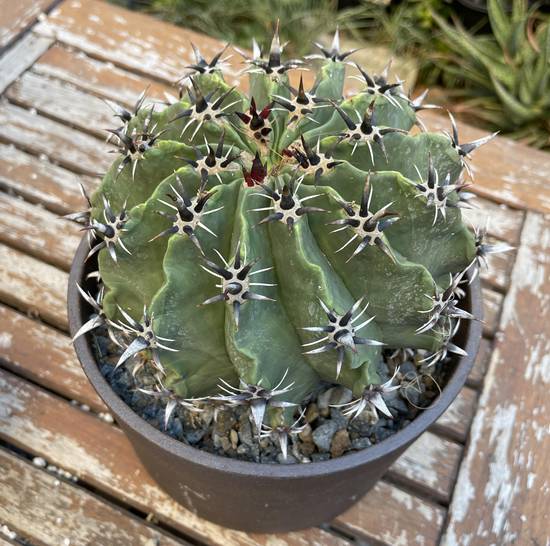
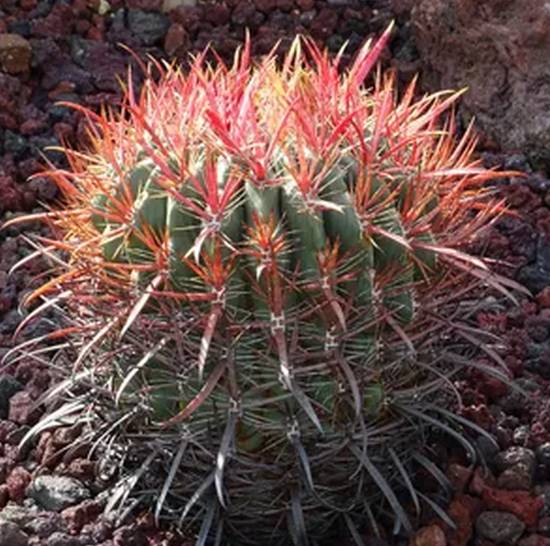
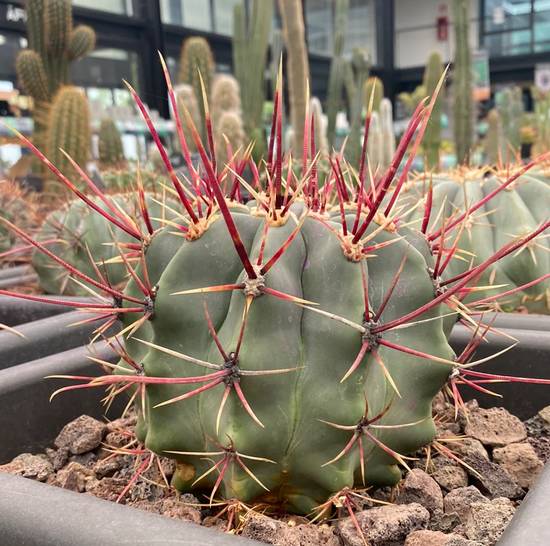
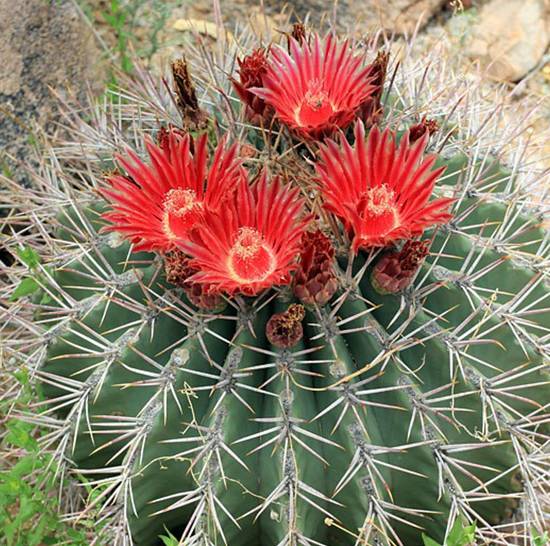
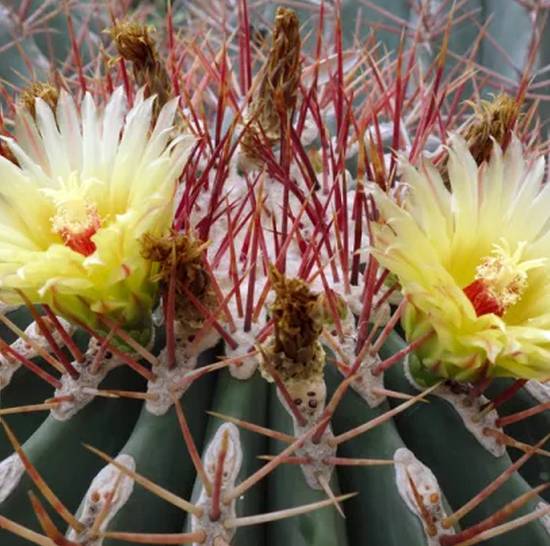
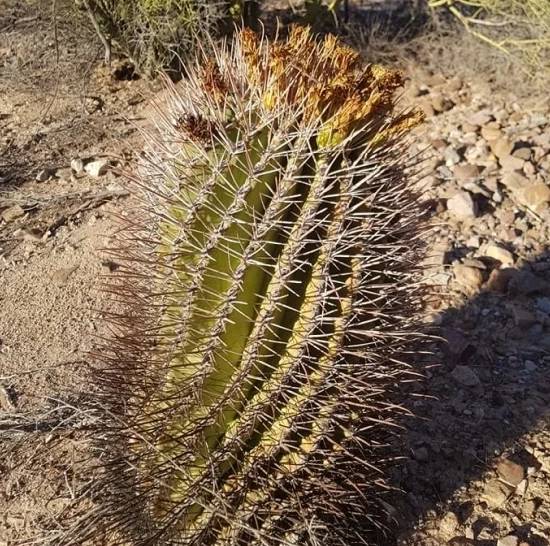
The Ferocactus Emoryi, also known as the “Emory barrel cactus,” is an emblematic species from the southwestern United States and northern Mexico. This imposing cactus, recognizable by its globular to cylindrical shape, is famous for its long and broad central spines, often hooked, which can range in color from bright red to silvery gray as the plant ages.
Its massive silhouette and deep ribs make it a spectacular cactus, highly prized in collections for its robustness, wild appearance, and striking flowering. In cultivation, it can reach up to 50 cm in height in a pot, and much more in its natural habitat.
This Ferocactus is capable of surviving extreme conditions: prolonged drought, intense heat, and poor soils, thanks to its great water-storage capacity. A true desert survivor.
It is often exposed to very strong sunlight, marked temperature variations, and irregular water supply. This origin has given it great resilience, provided its drainage needs are respected.
🌞 Outdoors: ideally in full sun, at least 6 hours per day.
🌤️ In summer: if grown in a pot, be careful not to burn it during the first days of direct exposure. Acclimate it gradually.
🏠 Indoors: place it in front of a south-facing window. Avoid dark rooms or areas far from windows.
💧 Spring and summer: water every 15 to 20 days, making sure the substrate dries well between waterings.
❄️ Autumn and winter: stop all watering once temperatures drop below 12°C. Dry winter rest promotes flowering.
⚠️ Signs of overwatering: yellowing, softening, or dark spots. When in doubt, space waterings even more.
🌡️ Ideal temperature: between 20 and 32°C.
❄️ Cold tolerance: down to 2°C if kept completely dry.
💡 Tip: a bright, cool winter rest (5 to 10°C) encourages better regrowth in spring.
🪨 Recommended mix: 40% cactus soil + 30% perlite + 30% pumice.
⛏️ Drainage: add a drainage layer at the bottom of the pot to prevent any risk of water stagnation.
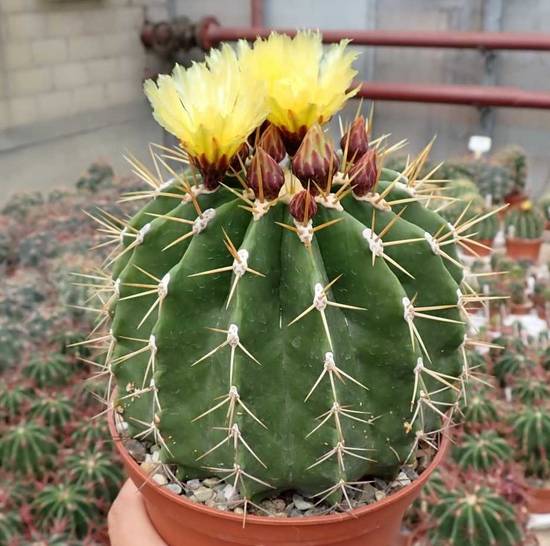
🌸 Period: between June and August, depending on exposure and plant age.
🌺 Color: deep red, pink, or sometimes yellow. The flowers appear at the top of the cactus.
💡 To encourage flowering: provide a proper winter rest and apply a suitable cactus fertilizer in spring.