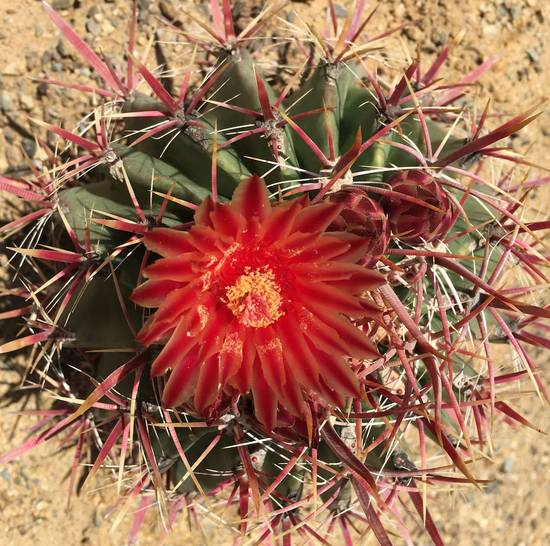
Ferocactus Latispinus

Ferocactus Latispinus

Ferocactus Latispinus

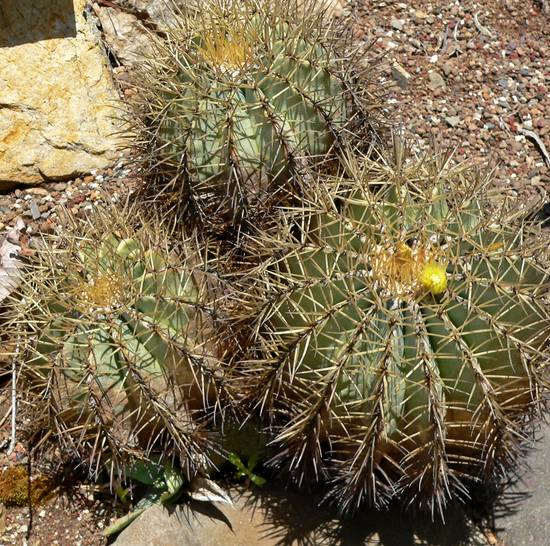
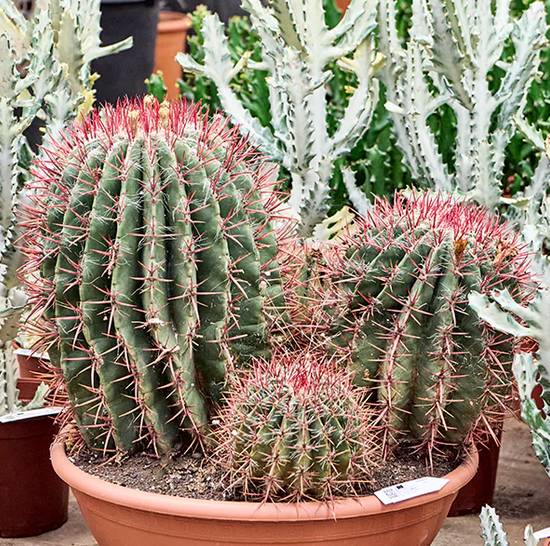
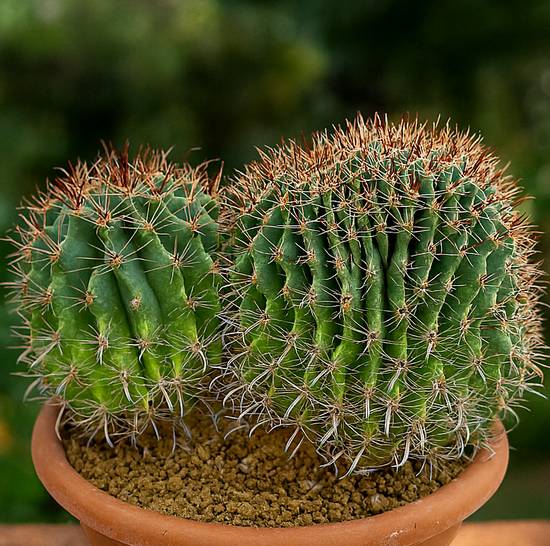
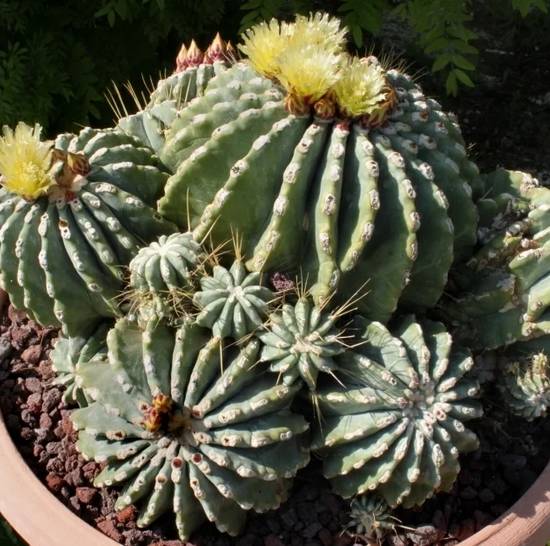
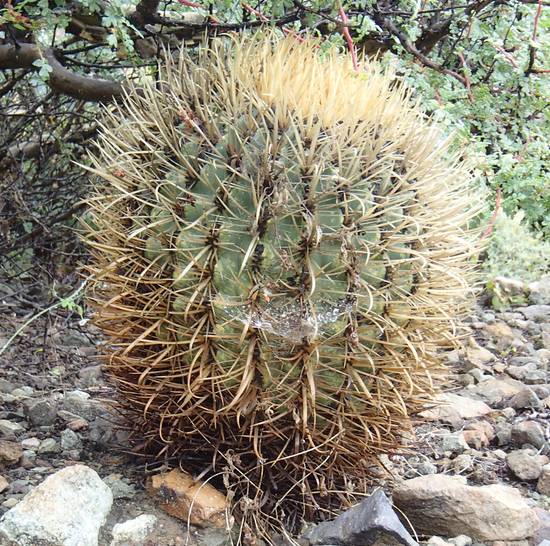
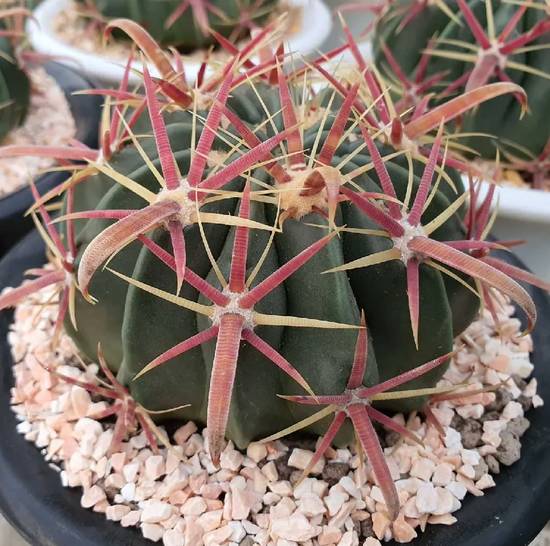
The Ferocactus Latispinus, nicknamed the "flat-spined cactus", is a spectacular species belonging to the Cactaceae family. This globular to slightly flattened cactus, native to Mexico, immediately catches the eye thanks to its wide, flattened and recurved central spines, often dark red to purple, forming a true defensive shield.

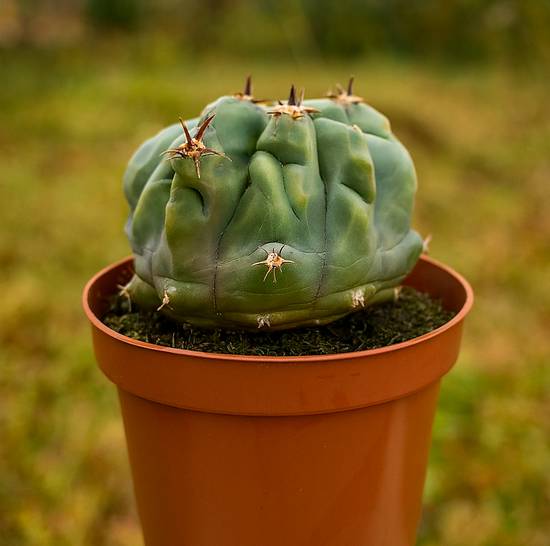
Its bluish-green body, divided into 13 to 23 well-defined ribs, generally remains low and wide. It can reach up to 30 cm in diameter and around 20 cm in height at maturity. This stocky silhouette makes it particularly attractive in pots or dry rock gardens.

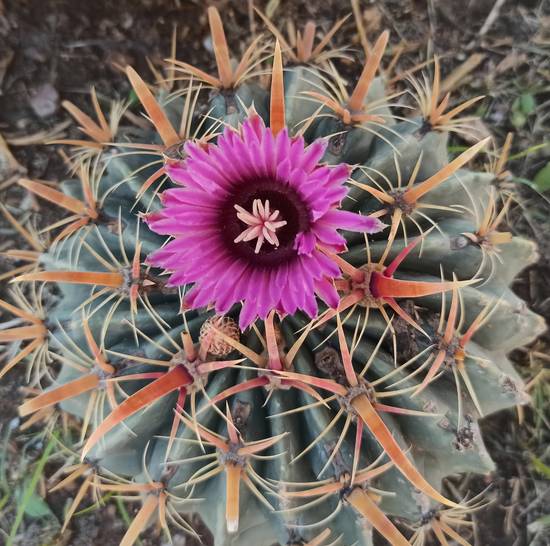
On mature specimens, an autumn flowering occurs: pale violet to magenta flowers emerge at the apex, beautifully contrasting with the spiny areoles. This cactus is highly prized by collectors for its robust appearance and architectural form.

The Ferocactus Latispinus is endemic to arid and semi-desert regions of Mexico, particularly in the states of Hidalgo, Puebla and Oaxaca.

It naturally grows in rocky environments with strong temperature variations. This hardiness makes it particularly well suited to cultivation in dry, sunny conditions.
Light is essential for its development, both for growth and flowering:

🌞 Ideal exposure: Direct sun at least 5 to 6 hours per day. In mild climates, it can stay outdoors year-round.

☀️ Summer caution: Provide light shade to avoid sunburn, especially in greenhouses or behind glass.

🏠 Indoor cultivation: Place it in a bright room near a south- or west-facing window. Lack of light leads to slow growth and etiolation.
Like all Ferocactus, watering must be moderate and well spaced:

💧 Spring / Summer: Water every 15 to 25 days depending on temperature, only when the substrate is completely dry.

🍂 Autumn / Winter: Stop all watering. Dry winter rest promotes future flowering and prevents rot.

💡 Tip: Use a well-draining substrate to avoid water stagnation.
A robust cactus but sensitive to cold humidity:

🌡️ Optimal temperature: Between 20 and 30 °C during the growing season.

❄️ Minimum tolerated: Can survive down to 0 °C if perfectly dry. Ideally, keep between 5 and 10 °C in winter.

🏠 Wintering: Place it in a bright, cool and dry room to encourage flowering the following spring.
The Ferocactus latispinus requires a poor, mineral and well-draining soil:

🪴 Recommended mix: 50% cactus soil, 30% perlite or coarse sand, 20% pumice.

⛏️ Drainage: Add a layer of draining material at the bottom of the pot.
One of the few cacti to flower in autumn:

🌸 Period: From September to December.

🌼 Appearance: Funnel-shaped flowers, light violet, magenta or pinkish white, appearing at the center of the spine rosette.

💡 Encouraging flowering: Provide a dry winter rest and apply a potassium-rich fertilizer in spring.
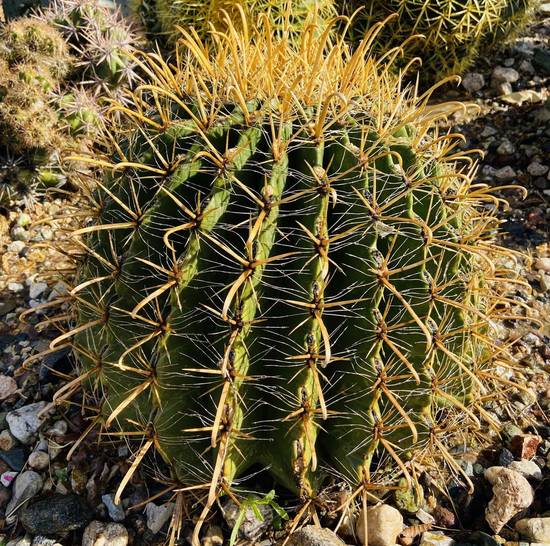
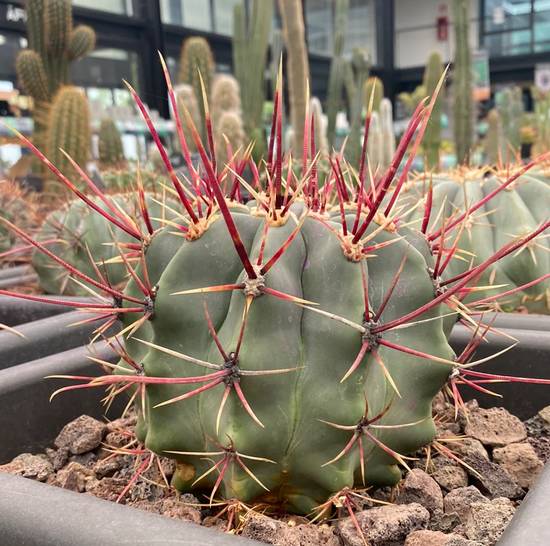
FAQ - Ferocactus Latispinus

What is the geographical origin of Ferocactus Latispinus?
This cactus originates from Mexico, particularly from semi-arid regions such as Puebla or Oaxaca. It grows in rocky areas with strong light and a well-defined dry season.
How often should Ferocactus Latispinus be watered in summer?
In summer, water every 2 to 3 weeks, ensuring the substrate is completely dry between waterings. Use a suitable substrate to avoid any risk of rot.
How can I encourage Ferocactus Latispinus to bloom?
To stimulate autumn flowering, keep the cactus dry during winter rest, then use a rich fertilizer in spring. Good exposure is also key.
Can Ferocactus Latispinus be grown indoors?
Yes, provided it is placed behind a very bright window. Avoid cold drafts and ensure good drainage.
Can Ferocactus Latispinus tolerate frost?
It can survive light frost (0°C), but only if the substrate is completely dry. In cold climates, bring it indoors as soon as temperatures drop below 5°C.
What are the characteristic spines of Ferocactus Latispinus?
Its central spines are wide, flat, and curved, often dark red to purple. They are highly decorative and part of its unique charm.
What type of substrate is suitable for Ferocactus Latispinus?
A well-draining substrate is essential: mix 50% cactus soil, 30% perlite, and 20% pumice. Add a layer of drainage granules at the bottom.
Does Ferocactus Latispinus grow quickly?
No, it is a slow-growing cactus. It may take several years to reach its adult size, but it remains very decorative from a young age.
How should Ferocactus Latispinus be cared for in winter?
Overwinter it dry in a bright and cool place (5 to 10°C). Do not water at all during this period. This will encourage flowering the following year.
Why is my Ferocactus Latispinus not blooming?
Lack of light, excess watering in winter, or a plant that is too young may explain the absence of flowers. Provide a suitable nutrient supply and respect its natural cycle.