Euphorbia Zoutpansbergensis

Euphorbia Zoutpansbergensis

Euphorbia Zoutpansbergensis

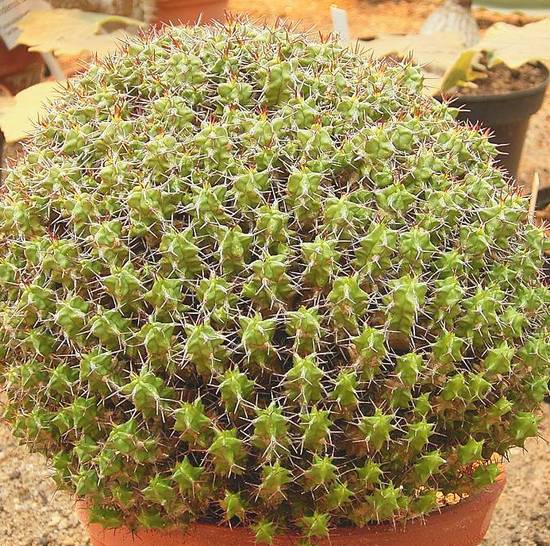
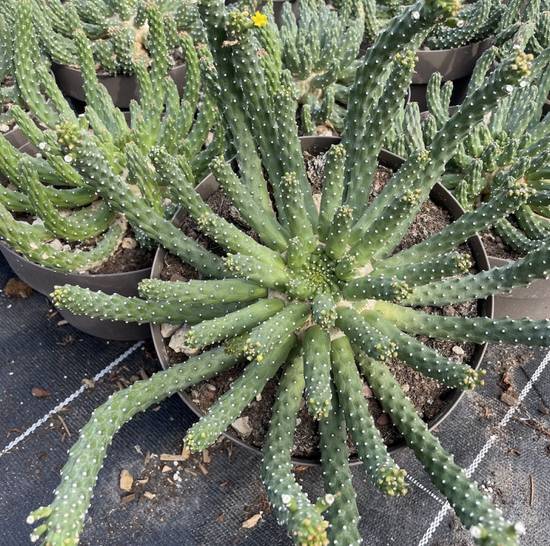
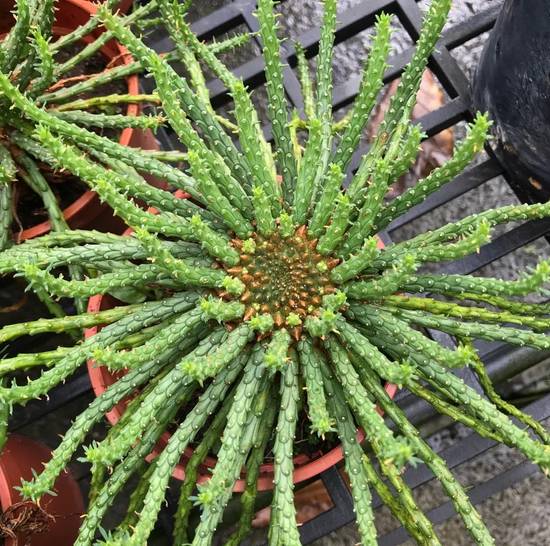
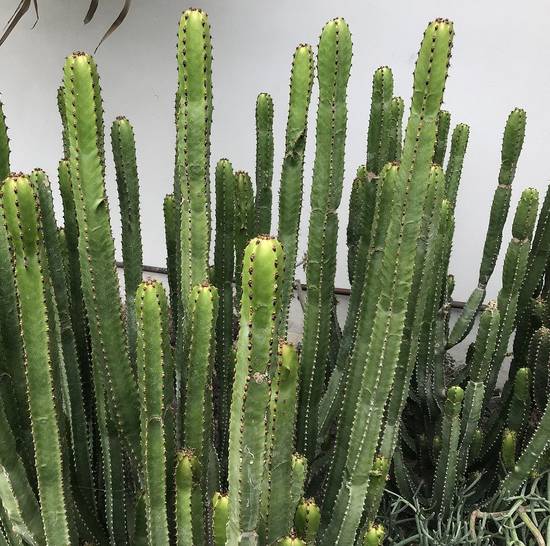
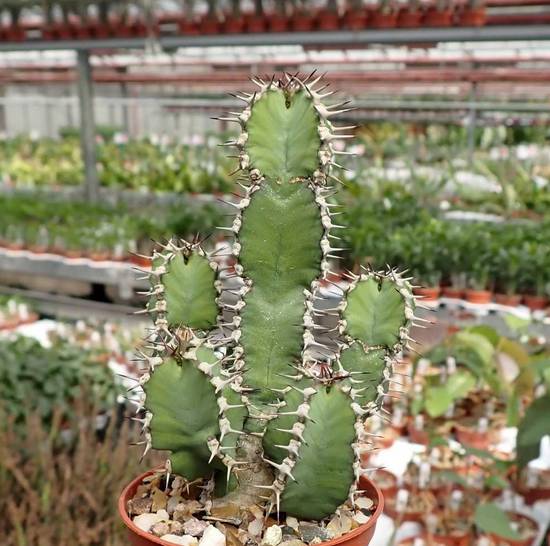
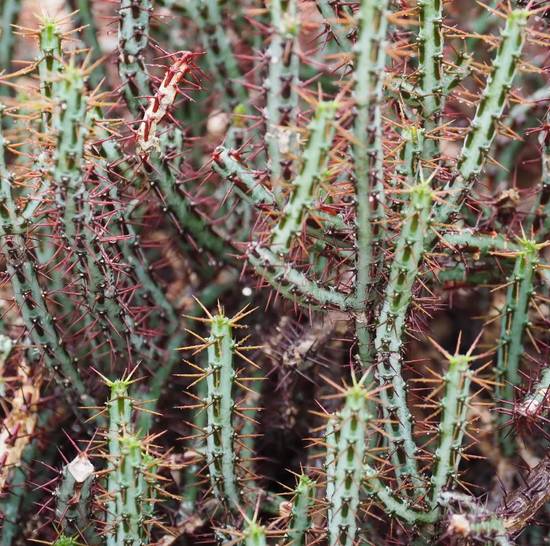
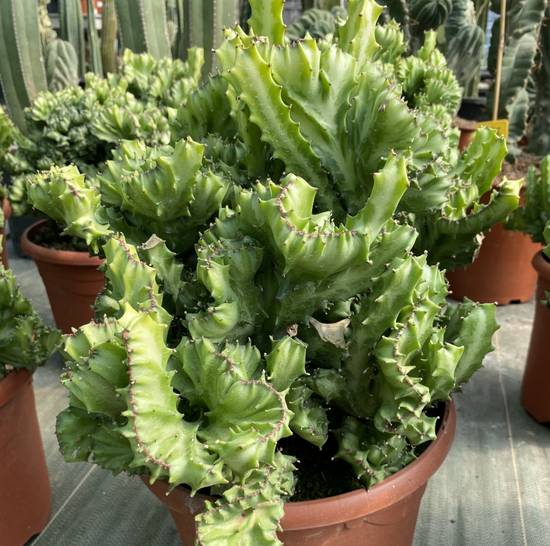
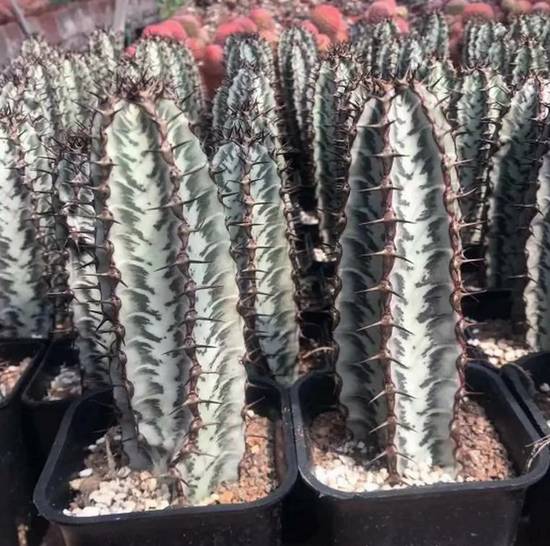
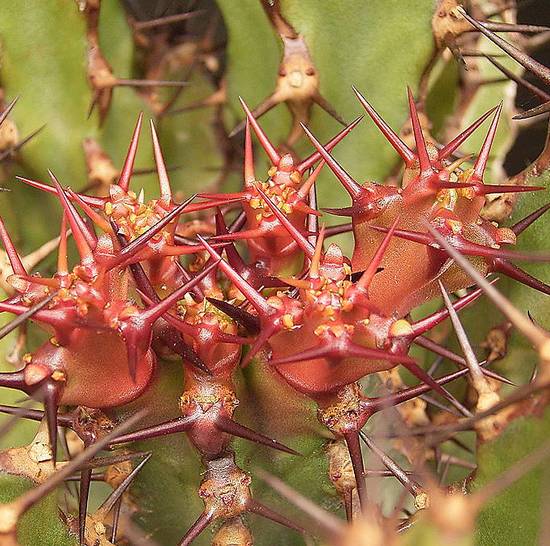
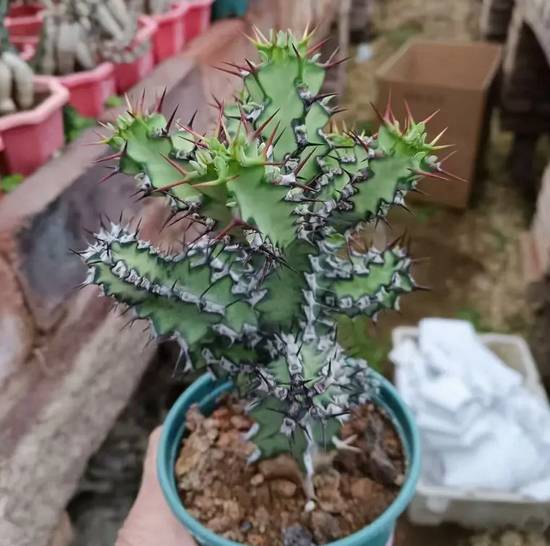
The Euphorbia Zoutpansbergensis is a rare and fascinating succulent native to southern Africa. It takes its name from the Zoutpansberg mountain range in South Africa, where it naturally grows. This euphorbia appears as a small shrub with branched, slightly angular stems covered with small rigid spines typical of the genus. Its foliage is deciduous and often disappears during drought periods, leaving only the thick stems filled with water reserves.

Its silhouette, both graphic and wild, evokes the dry and rocky landscapes from which it originates. Little known in cultivation, it appeals to collectors for its natural habit and robustness. Like many African euphorbias, it secretes an irritating white latex when injured. Growing Euphorbia Zoutpansbergensis is relatively simple, provided its needs for light and drainage are respected.

In its natural environment, this euphorbia grows on rocky and well-exposed slopes, often in arid areas subjected to high temperatures. It adapts perfectly to poor and dry soils, taking advantage of even minimal rainfall thanks to its well-developed root system. Its deciduous foliage is an adaptation to drought, allowing it to limit evaporation during critical periods.
To thrive, Euphorbia Zoutpansbergensis requires bright and sunny exposure:

🌞 Intense light: Ideally full sun, or at least a very bright indoor location.

⚠️ Gradual direct sun: If coming from a greenhouse or indoors, expose it progressively to prevent burns.
Controlled watering is crucial to avoid excess moisture:

💧 Spring / summer: Water about every 3 weeks only when the substrate is completely dry.

❄️ Autumn / winter: Almost completely stop watering, especially if temperatures fall below 12 °C.
Like many South African euphorbias, it prefers warm conditions and dislikes cold:

🌡️ Optimal: 20 to 30 °C during growth.

❄️ Minimum: Do not drop below 5 °C. In temperate climates, grow in pots and bring indoors in winter.
🪨 The secret to successful cultivation is drainage:

Mix cactus substrate + 50% perlite + a surface layer of pumice stone to limit stagnant moisture.
Not spectacular but botanically interesting:

🌸 Period: Generally in spring.

🧪 Appearance: Small greenish cyathia grouped at leaf axils.

💡 The plant is mainly appreciated for its stems and habit rather than its flowers.
FAQ - Euphorbia Zoutpansbergensis

How can you recognize Euphorbia Zoutpansbergensis?
Euphorbia Zoutpansbergensis is characterized by its dark green branched stems covered with small spines and leafless for most of the year.
What type of light does Euphorbia Zoutpansbergensis need?
This plant requires intense light, ideally full sun for several hours a day, to grow properly.
How often should Euphorbia Zoutpansbergensis be watered?
In summer, water every 3 weeks when the substrate is dry. In winter, watering should be suspended.
What substrate should be used for Euphorbia Zoutpansbergensis?
Choose a very well-draining substrate enriched with perlite and topped with pumice.
Can Euphorbia Zoutpansbergensis be grown outdoors?
Yes, in regions with a dry and warm climate. Otherwise, grow it in a pot and bring it indoors during winter.
Is the sap of Euphorbia Zoutpansbergensis toxic?
Yes, like many euphorbias, it produces an irritating white latex that can affect the skin and eyes. Handle with care.
Is this euphorbia suitable for beginners?
It requires little care, but proper watering management is essential. With suitable substrate, it suits informed hobbyists.
How can you encourage flowering in Euphorbia Zoutpansbergensis?
Good light, a winter rest period, and slight water stress in spring can stimulate flowering.
Can Euphorbia Zoutpansbergensis survive frost?
No, it does not tolerate freezing temperatures. Bring it indoors as soon as temperatures drop below 8–10 °C.
What signs indicate overwatering in Euphorbia Zoutpansbergensis?
Softening stems, discoloration, or a blackened base are signs of rot caused by excess moisture.