Euphorbia Enopla

Euphorbia Enopla
Euphorbia Enopla
Euphorbia Enopla
Euphorbia Enopla
Euphorbia Enopla

Euphorbia Enopla

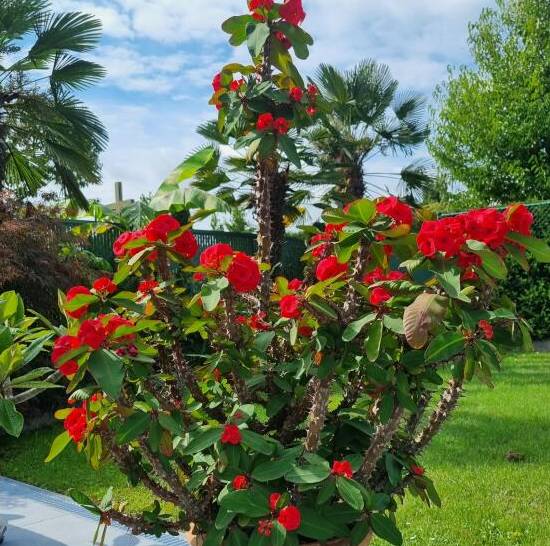
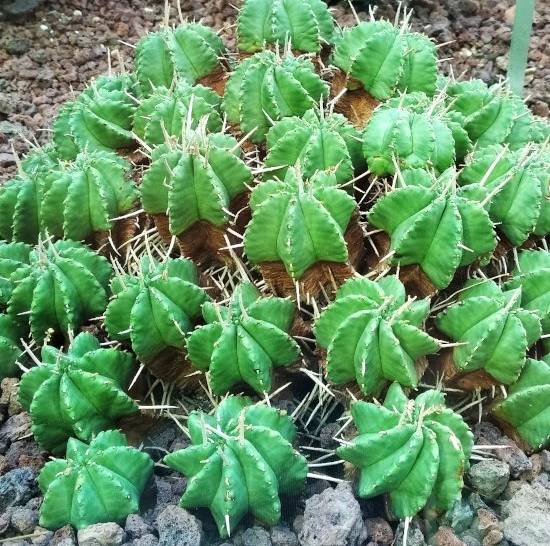
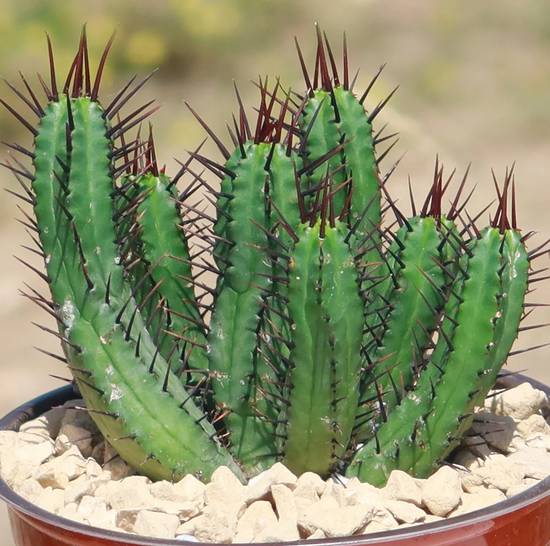
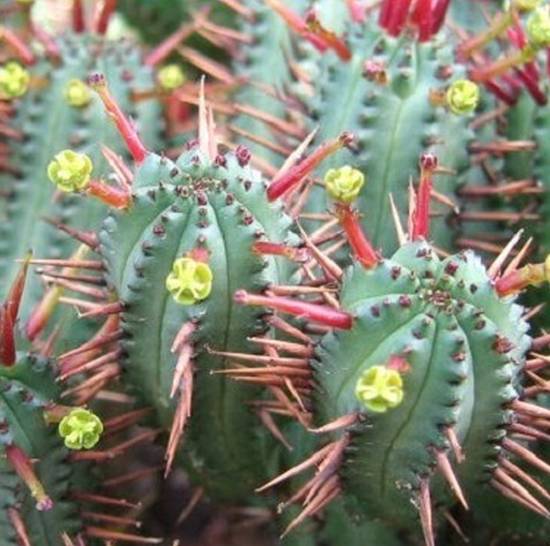
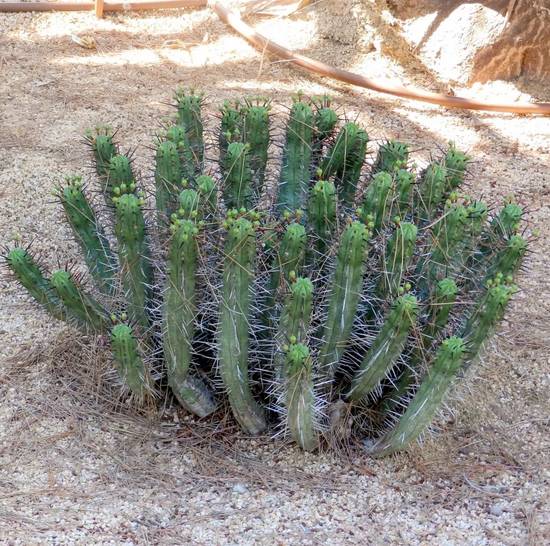
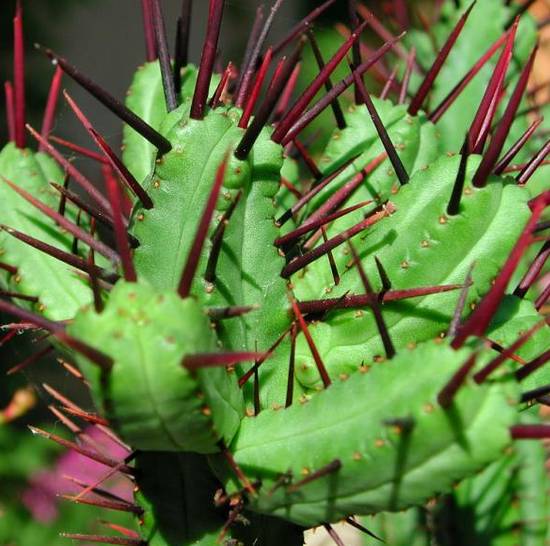
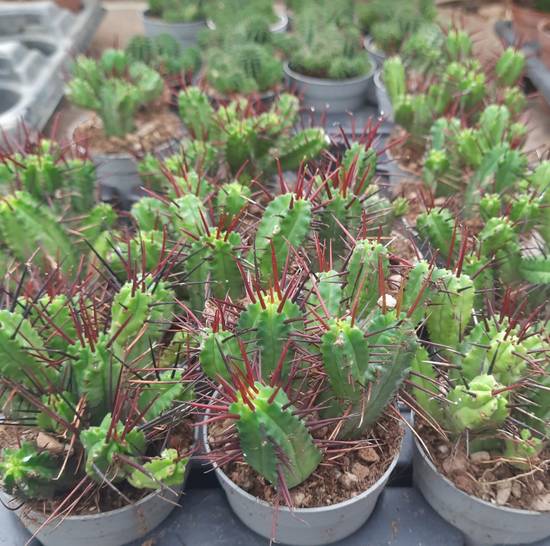
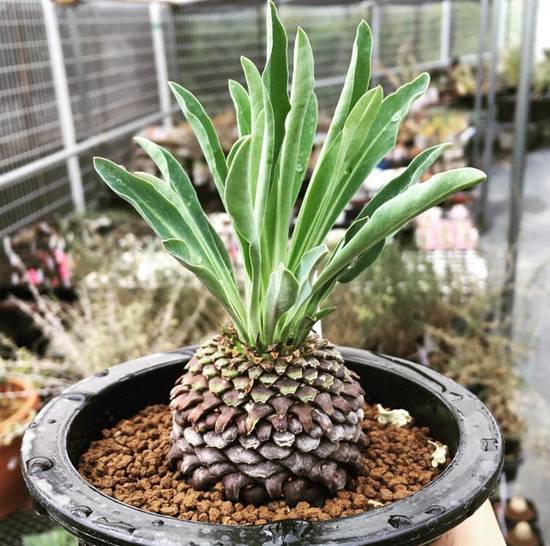
The Euphorbia Enopla is a remarkable succulent, as fascinating for its appearance as for its robustness. Native to the semi-arid regions of southern Africa, particularly South Africa, this plant from the Euphorbiaceae family stands out with its dark green angular stems and bright red to violet spines, giving it a graphic, wild, and elegant style.

Often mistaken for a cactus, Euphorbia Enopla is not one. It is an euphorbia, therefore without areoles, and its sap is milky and toxic, unlike that of true cacti. Aside from this detail, it is just as decorative, if not more so, thanks to its clumps of upright stems and its appearance as a small spiny bush.

In cultivation, it is an easy plant to live with, as long as a few basic principles regarding watering and exposure are respected. It is perfectly suited to pot cultivation, whether indoors in bright light or on a terrace during summer.

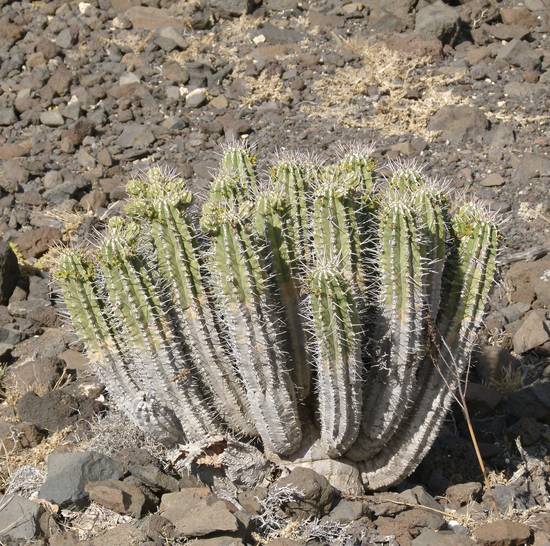
The Euphorbia Enopla originates from South Africa, more specifically from the arid regions of the Northern Cape and Namaqualand.

It naturally grows in rocky, well-drained areas where rainfall is rare but intense. This adaptation to a dry climate makes it a particularly resilient succulent.
To thrive fully, the Euphorbia Enopla needs plenty of light:

🌞 Ideal exposure: full sun or very bright partial shade

🏠 Indoors: place it near a south- or west-facing window

☀️ Outdoors in summer: it appreciates direct exposure, with gradual acclimation

💡 Insufficient light can make the stems pale green, soft, and cause unbalanced growth.
Like any succulent euphorbia, it fears excess moisture:

🌱 Spring / Summer: moderate watering every 2 to 3 weeks, allowing the substrate to dry thoroughly between waterings

🍂 Autumn / Winter: one watering per month or none at all in winter, depending on temperatures

⚠️ Be careful not to wet the stems when watering. Always ensure good drainage.
The Euphorbia Enopla enjoys warmth but tolerates occasional drops:

🌡️ Ideal temperature: between 20°C and 30°C

❄️ Minimum tolerated: 5°C provided the substrate is dry

🏠 Wintering: bring it indoors as soon as temperatures drop below 8–10°C
The substrate must be well-draining to prevent rot:

🪨 Recommended mix: 50% pumice + 50% cactus soil
Despite its fierce appearance, the Euphorbia Enopla produces surprisingly small flowers:

🌼 Type: cyathia, typical of euphorbias

🎨 Color: yellow or red depending on conditions

📅 Period: from late winter to spring
FAQ - Euphorbia Enopla

How to properly water my Euphorbia Enopla?
Water moderately in spring and summer, allowing the substrate to dry completely between waterings. In winter, greatly reduce or even stop watering.
What are the signs of excess moisture in Euphorbia Enopla?
Signs include soft stems, black spots, overall collapse of the plant, or early rot at the base.
How to recognize underwatering in Euphorbia Enopla?
Underwatering results in slightly wrinkled or softened stems, slowed growth, and loss of firmness.
What is the best exposure for Euphorbia Enopla?
Full sun exposure is ideal. Indoors, place it in front of a bright south- or west-facing window.
Is Euphorbia Enopla toxic?
Yes, its white sap is toxic and irritating to the skin and eyes. Wear gloves when handling it.
Can I plant Euphorbia Enopla outdoors?
Yes, in summer only and provided it is well protected from rain. It does not tolerate frost.
Which substrate should be used for Euphorbia Enopla?
Use a very well-draining substrate: 50% pumice + 50% cactus potting soil to avoid any excess water.
When does Euphorbia Enopla bloom?
It generally blooms at the end of winter or early spring with small yellow to red cyathia.
How to propagate Euphorbia Enopla?
By stem cuttings. Let the wound dry for a few days before planting in a dry substrate.
Should Euphorbia Enopla be repotted often?
Every 2 to 3 years, in spring, in a slightly larger pot with a well-draining substrate.