Euphorbia Stellata

Euphorbia Stellata
Euphorbia Stellata
Euphorbia Stellata

Euphorbia Stellata

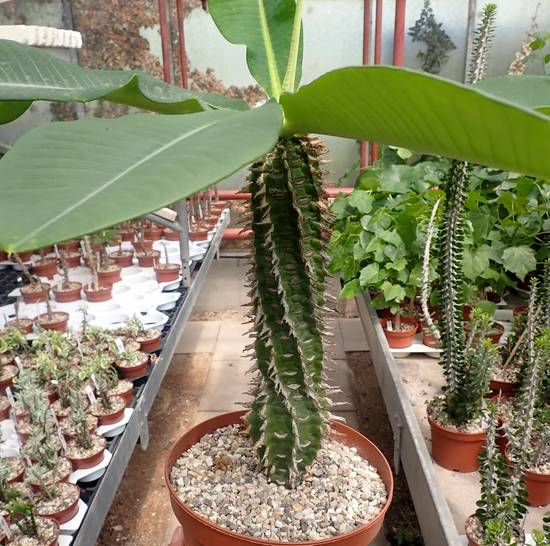
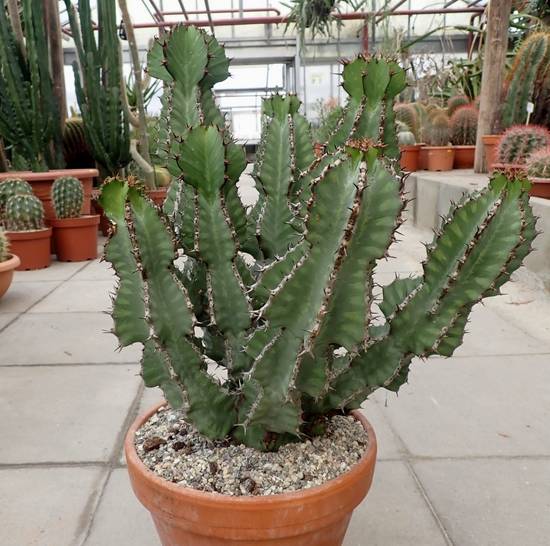
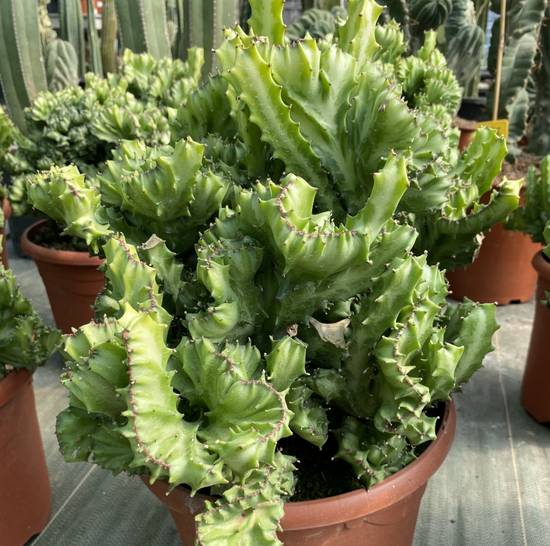
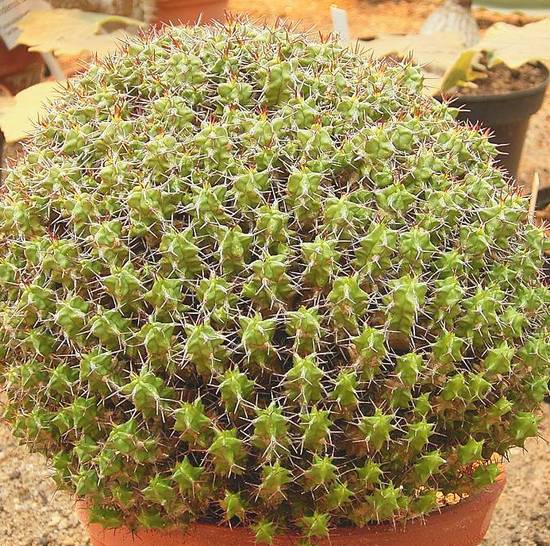
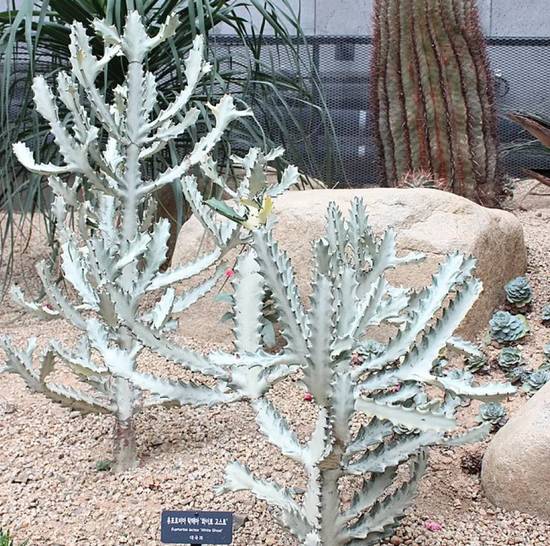
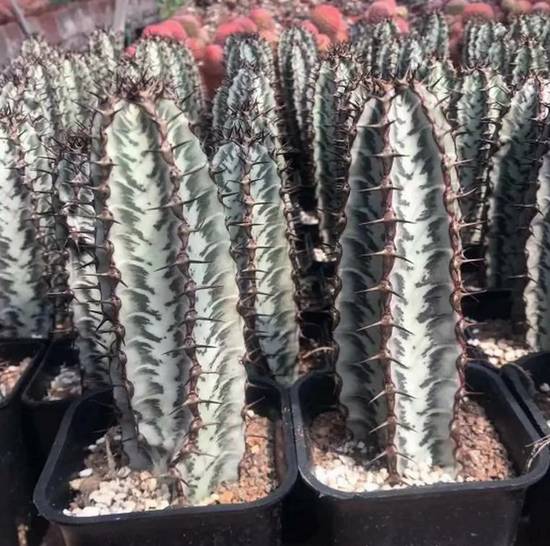
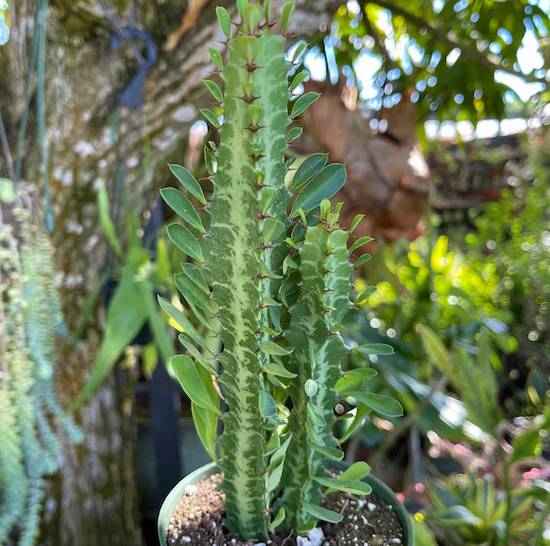
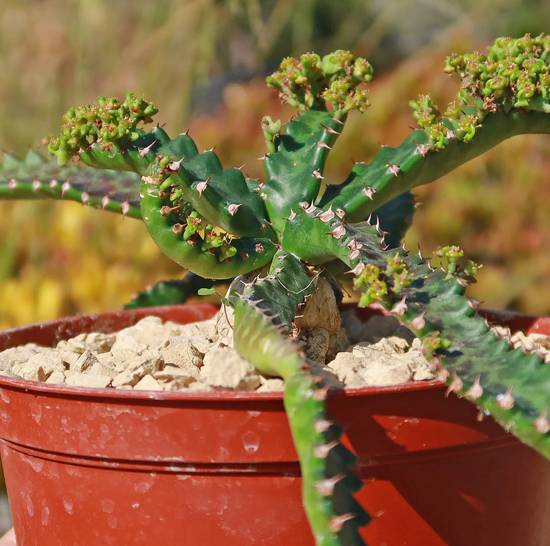
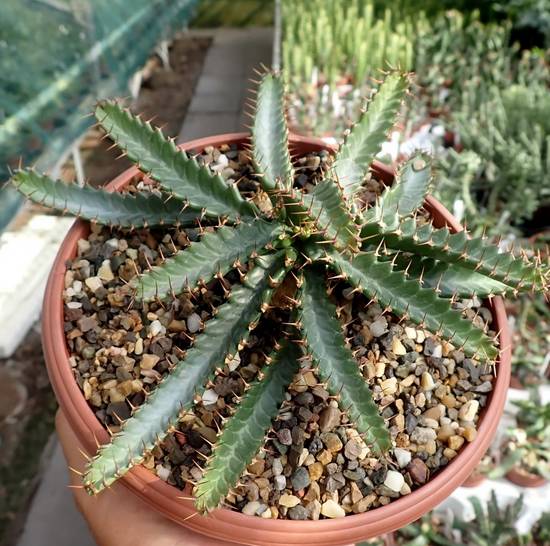
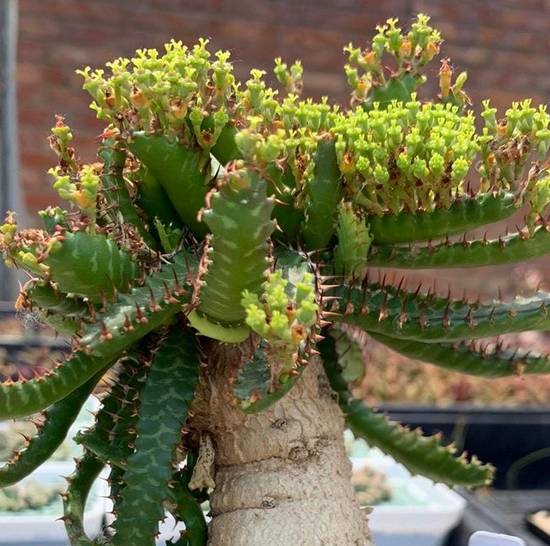
The Euphorbia Stellata is a fascinating South African euphorbia, remarkable for its thick caudex and radiating star-shaped stems, from which it takes its name (“stellata” meaning “starry”). This succulent plant becomes a true focal point in any collection, thanks to its unique geometric silhouette and natural sculptural look. The caudex, partially buried or exposed depending on the grower’s preference, stores water and nutrients, while the slender stems extend like symmetrical arms around the base.

Highly appreciated in succulent bonsai art, the Euphorbia Stellata grows slowly but over time forms a spectacular caudex and perfectly regular star-shaped crowns. It may enter partial dormancy in winter, losing its stems or slowing its growth. Its rarity makes it a choice euphorbia for lovers of unusual shapes and caudiciform cultivation.

In its natural habitat, the Euphorbia Stellata grows in semi-arid and rocky areas, often sheltered by shrubs or on well-drained slopes. The climate is hot and dry, with significant temperature variations between day and night. This adaptation explains the presence of a prominent caudex, essential for surviving periods of drought.
This euphorbia enjoys intense light to maintain compact growth:

🌞 Bright light or full sun: It thrives behind a south-facing window or in a greenhouse.

⚠️ Acclimation: If moved outdoors in spring, protect it during the first days to prevent burns.
A caudex plant means moderate watering:

💧 Spring / summer: Water every 2 to 4 weeks depending on heat. Allow the substrate to dry deeply before watering again.

❄️ Winter: It may enter dormancy: greatly space out or stop watering, especially if stems disappear.
The Euphorbia Stellata is adapted to heat but fears frost:

🌡️ Ideal temperature: 22 to 30 °C.

❄️ Minimum: 8 °C in dry conditions. Bring indoors as winter approaches.
🪨 An airy, mineral soil is essential to prevent caudex rot:

Base of cactus substrate + 50% perlite + surface layer of pumice stone to protect the collar and improve drainage.
It flowers discreetly but regularly on young shoots:

🌸 Period: Spring or summer.

🟡 Cyathia: Small yellow or greenish flowers grouped at stem tips.

💡 Note: Flowering is not spectacular but indicates a healthy plant.
FAQ - Euphorbia Stellata

What is the characteristic appearance of Euphorbia Stellata?
Euphorbia Stellata stands out with its central caudex and thin star-shaped stems, giving it a unique silhouette.
What light is ideal for Euphorbia Stellata?
It prefers very bright light or direct sun. Place it in a greenhouse or behind a well-exposed window to maintain a compact shape.
How often should Euphorbia Stellata be watered?
Water every 2 to 4 weeks in summer, and reduce or completely stop watering in winter, especially if the plant enters dormancy.
What is the best substrate for Euphorbia Stellata?
Use a well-draining cactus substrate with 50% perlite and a layer of pumice on top.
Does Euphorbia Stellata tolerate cold?
No, it is sensitive to frost. Keep it above 8 °C and protect it from winter moisture.
How can you tell if Euphorbia Stellata is dormant?
It may lose its stems or stop growing entirely. During this period, stop watering to prevent caudex rot.
Does Euphorbia Stellata grow quickly?
No, its growth is slow but steady. The caudex develops over time and becomes increasingly spectacular.
Is Euphorbia Stellata toxic?
Yes, like all euphorbias, it produces an irritating latex. Handle with care, especially if injured.
Can Euphorbia Stellata be grown outdoors?
Yes, but only in summer and in very dry regions. Bring it indoors in autumn or as soon as temperatures drop.
What are the signs of overwatering in Euphorbia Stellata?
A soft caudex or rotting stems indicate excess moisture. Reduce watering immediately.