Euphorbia Bongolavensis

Euphorbia Bongolavensis

Euphorbia Bongolavensis

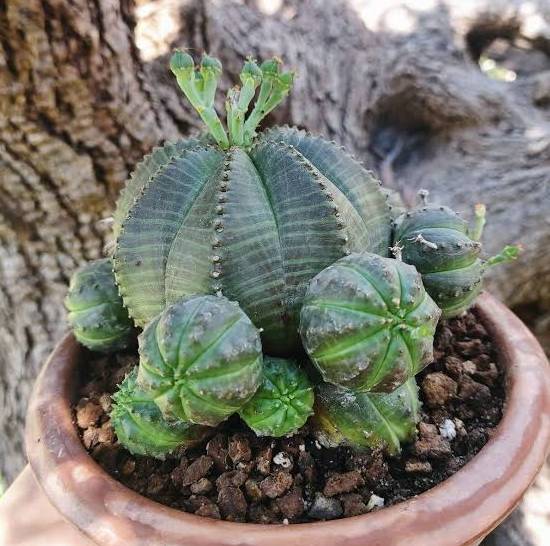
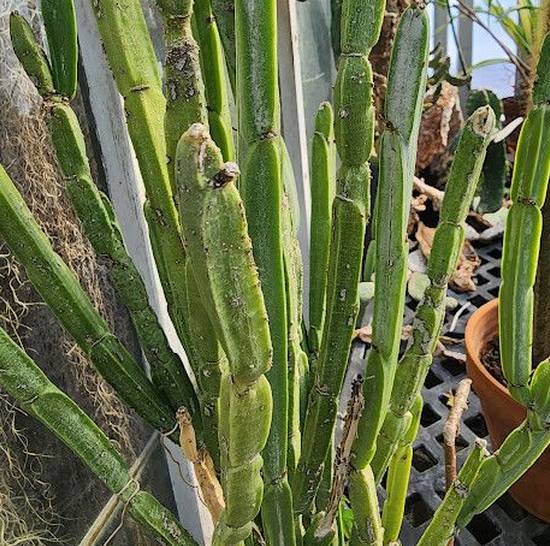
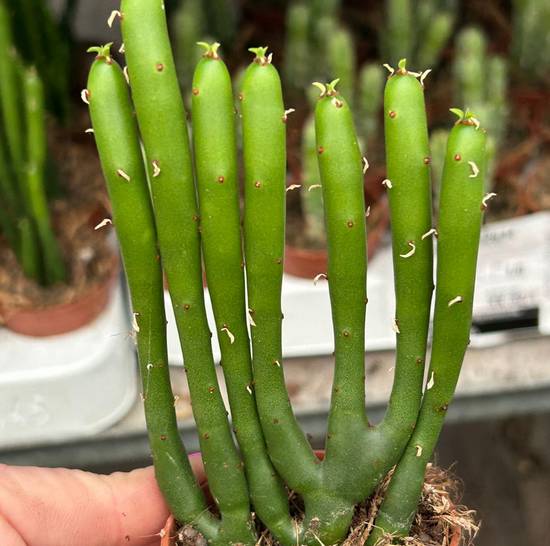
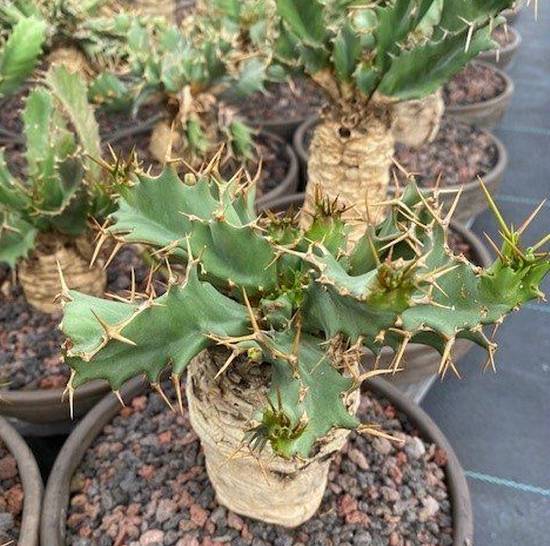
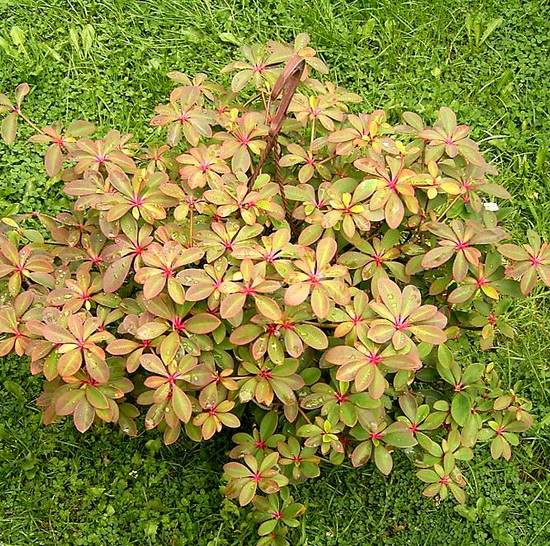
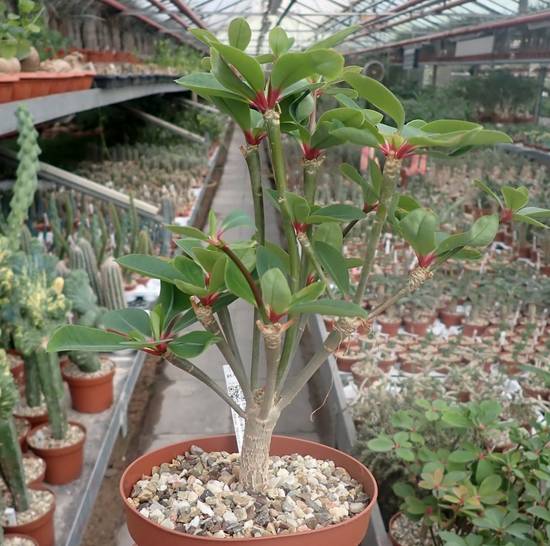
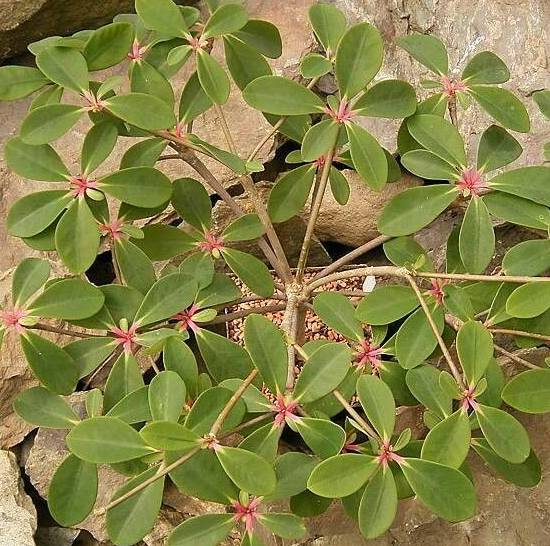
The Euphorbia Bongolavensis is a plant as rare as it is elegant, endemic to Madagascar, and particularly prized by caudiciform collectors. This euphorbia forms a highly decorative woody caudex, sometimes globular or more elongated, from which thin and branched stems emerge, often tinted red or bronze-green depending on the light. Its appearance evokes a small plant sculpture, combining the raw aspect of wood with the delicacy of its foliage.

With its discreet leaves, often deciduous depending on the season, and its pale yellow to greenish floral cyathia, it perfectly embodies the sober and graphic beauty of Malagasy euphorbias. Growth is slow but steady, and each individual develops a unique shape as it ages, reinforcing the plant’s aesthetic appeal and ornamental value.

Perfectly suited to pot culture or bonsai, Euphorbia Bongolavensis tolerates drought very well and requires very little maintenance, as long as its substrate is well-draining and it benefits from good sunlight. It is an ideal plant for those looking for a rare, graphic, and easy-going species.

Originating from the dry areas of western Madagascar, Euphorbia Bongolavensis grows in arid, often rocky environments with poor and very well-drained soils. It shares its habitat with other local euphorbias and various endemic succulent species. This dry and hot climate, combined with marked dormant periods, shapes the resilient character of the plant and explains its very specific cultivation needs.
For vigorous growth and a well-formed caudex, Euphorbia Bongolavensis needs abundant light :

🌞 Full sun or very bright light : place it in a well-exposed location, outdoors in summer or behind a south-facing window.

🌤️ Partial shade possible : temporarily tolerated, but the plant may then become etiolated and slow its growth.

💡 Tip : good light enhances the reddish color of young shoots and promotes a compact silhouette.
Watering must be sparing and adapted to the season :

💧 Spring / Summer : water when the substrate is dry in depth, generally every 15 to 20 days.

❄️ Autumn / Winter : drastically reduce watering, especially if the plant enters dormancy and loses its leaves.

⚠️ Anti-rot tip : never water on a moist substrate or in very cold weather.
Euphorbia Bongolavensis is a warm-climate plant :

🌡️ Optimal temperature : between 20°C and 30°C.

❄️ Cold resistance : it does not tolerate temperatures below 5°C.

🏠 Wintering : place it in a bright, unheated but frost-free room.
🪨 A mineral and very well-draining substrate is essential: cactus substrate base, supplemented with perlite or pumice stone + covered with a layer of pozzolana for drainage and aesthetics
The flowering of Euphorbia Bongolavensis is modest but pleasant :

🌼 Flowers : small yellow or greenish cyathia, not very showy but elegant.

📅 Period : generally in spring or summer, depending on the plant’s age.

🌿 Note : flowering is more likely after a well-respected rest period and maximum sun exposure.
FAQ - Euphorbia Bongolavensis

What is the ideal substrate for Euphorbia Bongolavensis?
A cactus substrate enriched with perlite and topped with pumice ensures optimal drainage, which is essential for the survival of this euphorbia.
How should Euphorbia Bongolavensis be watered properly?
In summer, water only when the substrate is completely dry. In winter, drastically limit watering, especially if the plant loses its leaves. Even slight overwatering can cause rot.
What is the best exposure for Euphorbia Bongolavensis?
Place it in full sun or behind a very bright window. The more light it receives, the more compact it grows and the more red tones develop on its young shoots.
Is Euphorbia Bongolavensis suitable for indoor cultivation?
Yes, provided you have a very bright room. A south-facing windowsill is ideal for maintaining its shape and vigor.
Can Euphorbia Bongolavensis be fertilized?
Yes, during the growing season, you can provide a fertilizer specially formulated for succulents once a month, diluted and never on dry substrate.
When does Euphorbia Bongolavensis flower?
It flowers in spring or summer if it has benefited from a good winter rest. The flowers are discreet but charming.
Can Euphorbia Bongolavensis tolerate low temperatures?
No, it is very sensitive to cold. It must be protected as soon as temperatures drop below 10 °C, and absolutely kept away from frost.
How can you tell if Euphorbia Bongolavensis lacks or receives too much water?
If it lacks water, its leaves fall quickly and the trunk slightly shrinks. In case of excess, the base becomes soft or spotted: you must react quickly.
What is the growth rate of Euphorbia Bongolavensis?
Its growth is slow but steady. It gradually forms a more massive caudex, very ornamental with age.
Is Euphorbia Bongolavensis toxic?
Yes, like all euphorbias, it secretes a white irritating latex. Avoid contact with skin or eyes and wear gloves when handling it.