Euphorbia Polygona Cristata

Euphorbia Polygona Cristata

Euphorbia Polygona Cristata

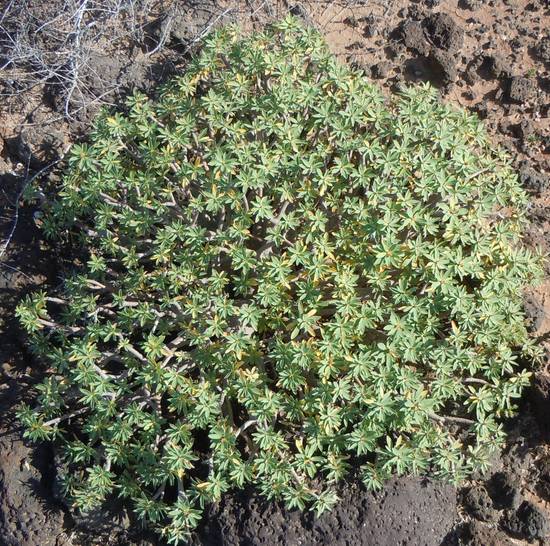
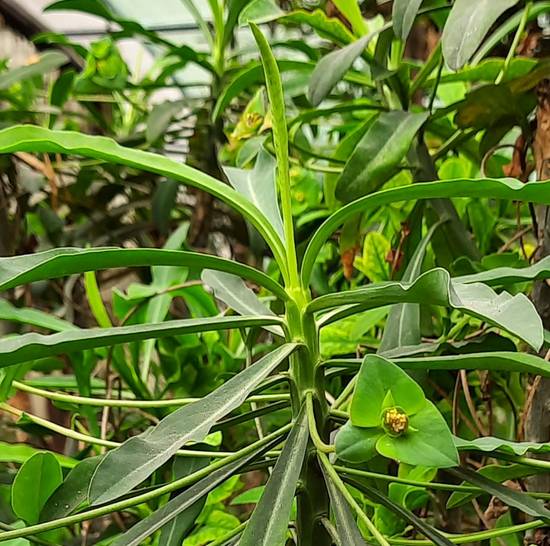
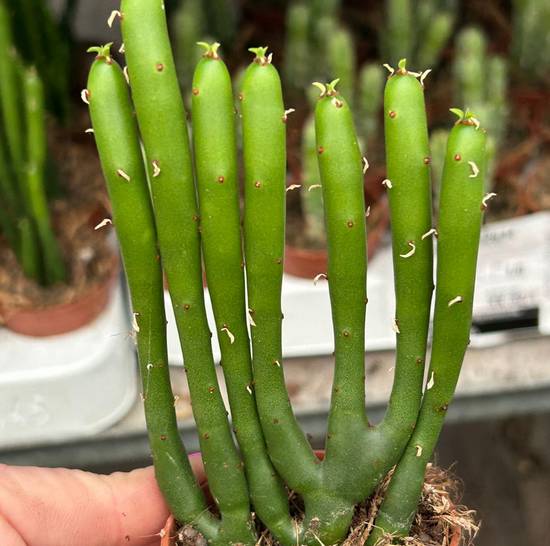
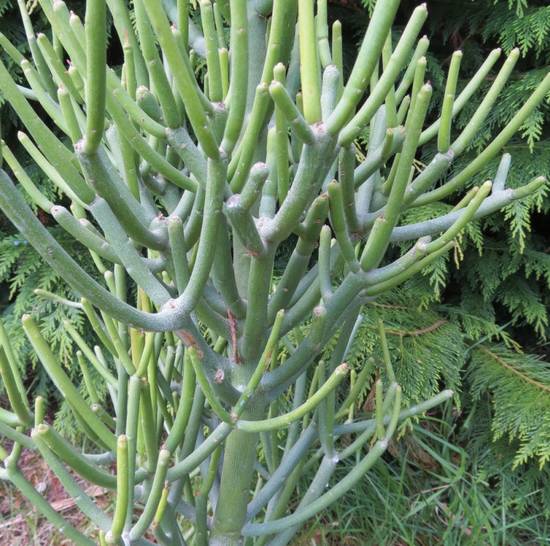
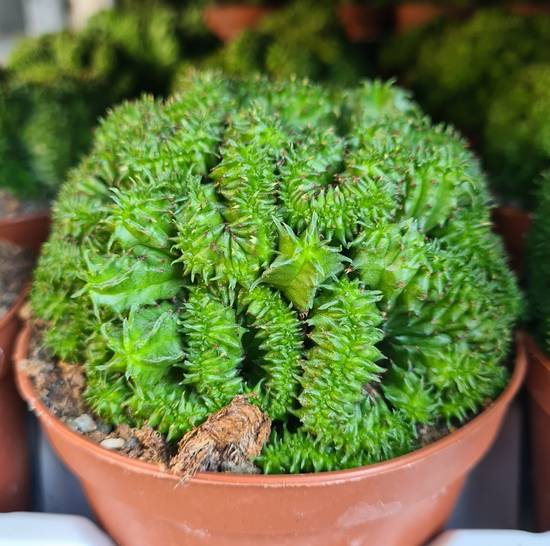
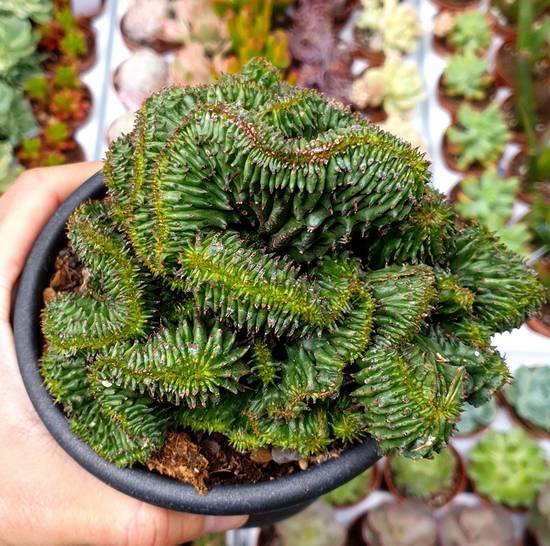
The Euphorbia Polygona Cristata is a fascinating and rare form of the classic Euphorbia Polygona, distinguished by its crested growth, or “cristation.” Instead of developing vertical cylindrical stems, this mutation creates sinuous, flattened waves with undulating edges, forming almost coral-like shapes. This growth phenomenon is highly sought after by collectors, as each plant develops a unique and spectacular structure, resembling a living sculpture.

The crests, sometimes tinted green, blue-grey or purple depending on light exposure, give the plant an almost extraterrestrial appearance. Very graphic, the Euphorbia Polygona Cristata is often grown in raised pots or bowls to highlight its twisted form. Its compact habit and exceptional appearance make it a perfect euphorbia for collections or modern decor.

The crested form does not appear in nature in a stable way, although mutations may occasionally occur in the wild. It is generally the result of horticultural selection from spontaneously crested individuals. The classic Polygona originates from semi-desert areas of southern Africa, where it grows on poor, dry soils exposed to full sun.
Like all crested euphorbias, the Euphorbia Polygona Cristata requires bright light to maintain its compactness and coloration:

🌞 Ideal exposure: full sun or very intense indirect light.

⚠️ Precaution: if moved outdoors in spring, proceed gradually to avoid sunburn.
Watering must be perfectly controlled for this delicate form:

💧 Spring/summer: Light watering every 3–4 weeks maximum, allowing the substrate to dry completely.

❄️ Winter: No watering if kept in a cool and bright location. Dry rest is essential to prevent rot.
The Euphorbia Polygona Cristata enjoys warmth but fears humidity and prolonged cold:

🌡️ Comfort zone: 20 to 28 °C.

❄️ Minimum: 8 to 10 °C, in dry conditions. It must never freeze.
🪨 This euphorbia requires a dry and very draining substrate:

Use a cactus substrate lightened with 50% perlite and cover the surface with a thin layer of pumice stone to limit capillary moisture.
Flowering is generally discreet, sometimes absent, on crested forms:

🌸 Flowers: Small yellow cyathia, barely visible.

🕑 Period: In spring or summer if well established.

💡 Note: Crestation often reduces flowering capacity, but decorative interest lies mainly in its form.
FAQ - Euphorbia Polygona Cristata

What exposure should you choose for Euphorbia Polygona Cristata?
This plant enjoys bright light. Place it in full sun or behind a very bright window, without prolonged shade.
How often should Euphorbia Polygona Cristata be watered?
In summer, water every 3 to 4 weeks only when the substrate is dry. In winter, limit or completely stop watering.
What type of substrate is suitable for Euphorbia Polygona Cristata?
A very well-draining mix is essential: use a cactus substrate enriched with perlite and topped with pumice.
Is Euphorbia Polygona Cristata sensitive to humidity?
Yes, it is more delicate than the upright form. Stagnant moisture quickly leads to root rot.
Can Euphorbia Polygona Cristata be grown outdoors?
Yes, but only in summer and in a dry climate. Bring it indoors before cold weather and protect it especially from rain.
Can Euphorbia Polygona Cristata flower?
Flowering is possible but rare and barely noticeable. Its interest is purely aesthetic due to its unique shape.
Does Euphorbia Polygona Cristata grow quickly?
No, its growth is slow, especially in a pot. It takes time to develop but retains its shape for a long time.
Is Euphorbia Polygona Cristata toxic?
Yes, like all euphorbias, it produces an irritating white latex. Handle it with gloves if cut or damaged.
How can you tell if Euphorbia Polygona Cristata needs water?
If its crests become soft or dull, it may indicate moderate thirst. However, be careful not to overwater.
Can Euphorbia Polygona Cristata be grafted?
Yes, some crested forms are grafted to promote growth. It depends on the vigor of the rootstock.