Echinocereus Triglochidiatus Inermis
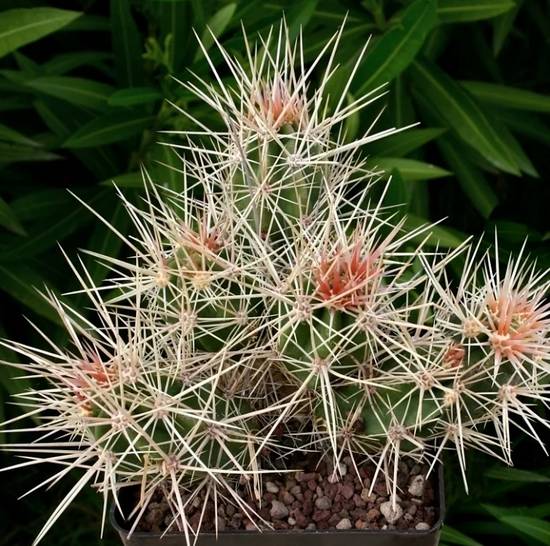
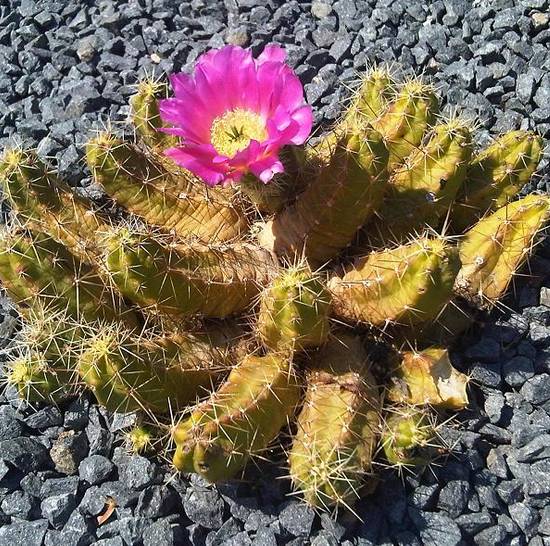
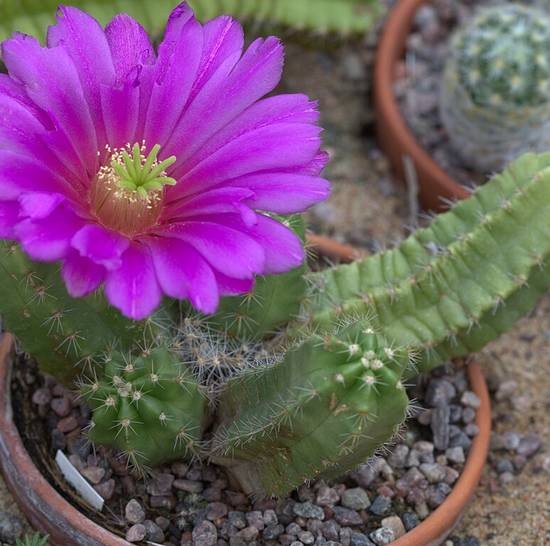
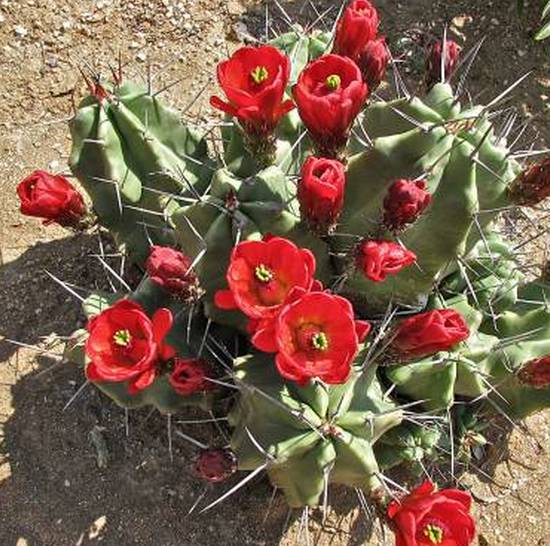
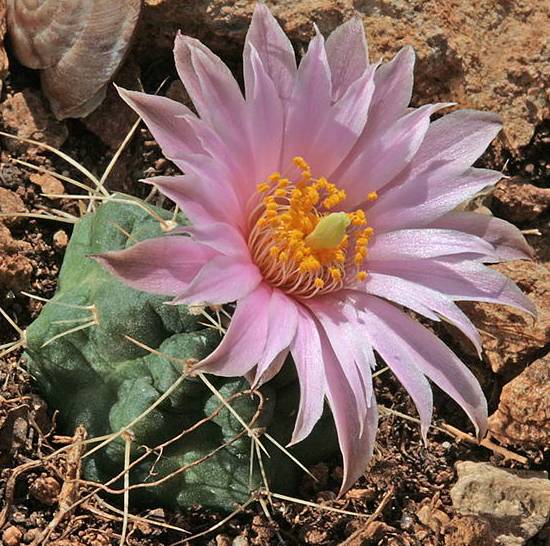
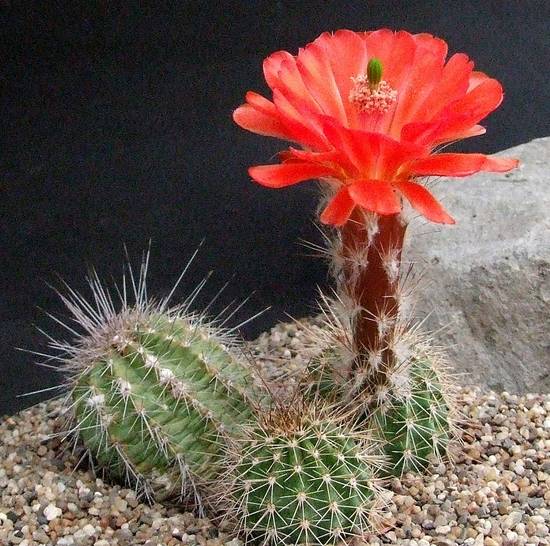
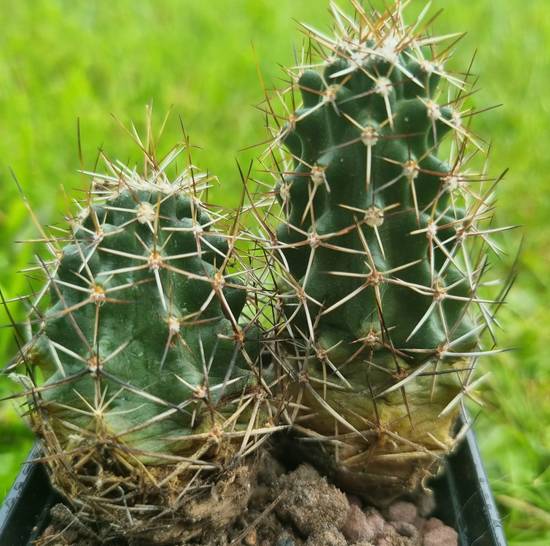
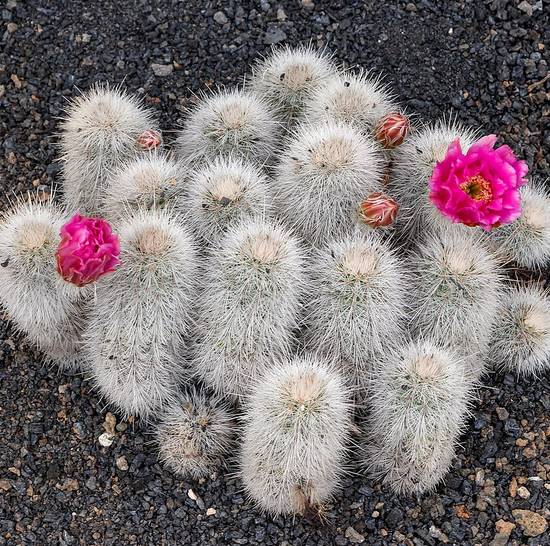
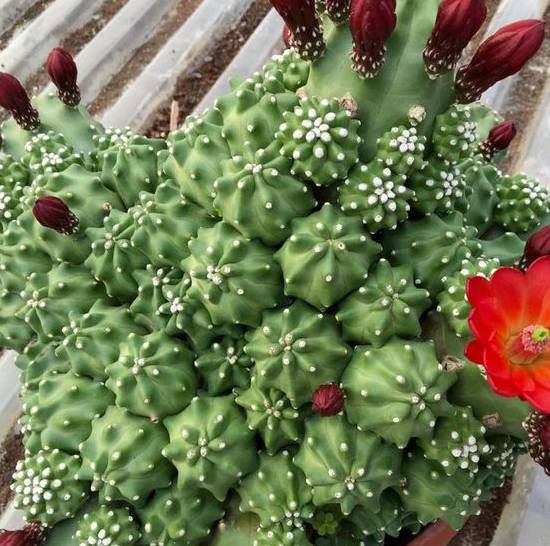
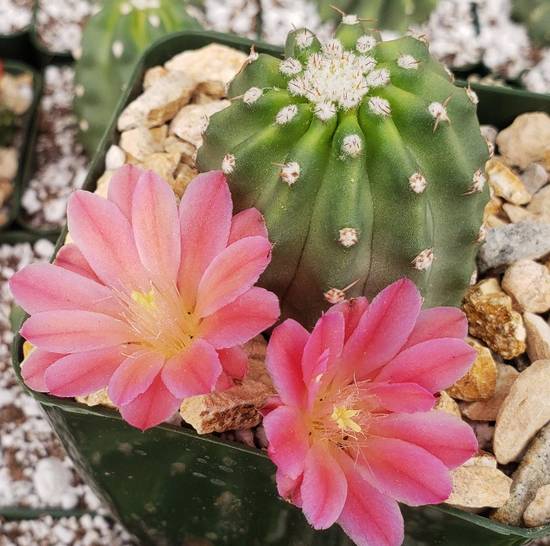
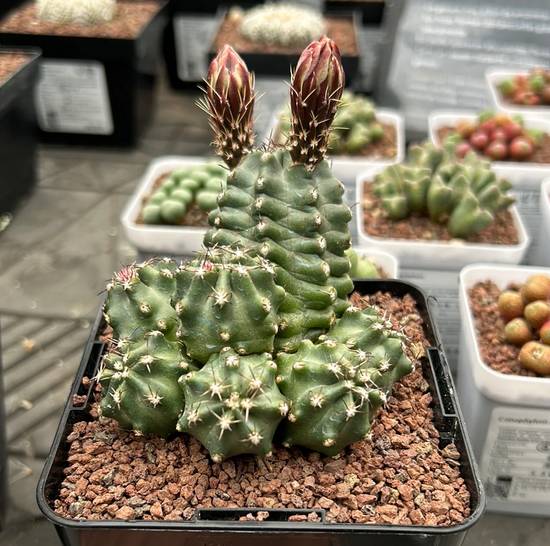
The Echinocereus Triglochidiatus Inermis is a fascinating form of the species Echinocereus triglochidiatus, known for its absence of spines (hence the name "inermis"). This cylindrical cactus appeals to enthusiasts for its gentle appearance, clumping growth habit, and superb scarlet flowers.
Unlike its spiny relatives, it has smooth, light green skin marked by barely visible areoles. This defenseless cactus charms with its minimalist aesthetic and the striking beauty of its spring blooms.
The Echinocereus Triglochidiatus Inermis is an ideal plant for those seeking originality, ease of care, and the absence of spines in their collection.
The Echinocereus Triglochidiatus Inermis originates from desert regions of Arizona, New Mexico, and northern Mexico. It naturally grows in rocky environments, sometimes at altitude, exposed to extreme conditions of heat, cold, and drought.
This inermis variety results from natural mutations or horticultural selections favoring spineless individuals.
This inermis variety results from natural mutations or horticultural selections favoring spineless individuals.
To thrive fully, the Echinocereus Triglochidiatus Inermis needs abundant light:
🌞 Full sun: At least 6 hours of direct light per day.
🌤️ Partial shade tolerated: Especially in summer in very hot regions, light afternoon shade is beneficial.
⚠️ Lack of light: Causes abnormal stem elongation and compromised flowering.
🌞 Full sun: At least 6 hours of direct light per day.
🌤️ Partial shade tolerated: Especially in summer in very hot regions, light afternoon shade is beneficial.
⚠️ Lack of light: Causes abnormal stem elongation and compromised flowering.
This cactus is hardy but sensitive to excess moisture:
🌱 Spring / Summer: Space waterings about every 2 to 3 weeks. The substrate must dry completely between waterings.
🍂 Autumn / Winter: Suspend watering. Dry winter rest is vital to stimulate flowering.
💡 Tip: Use a fine-spout watering can to avoid wetting the base of the cactus.
🌱 Spring / Summer: Space waterings about every 2 to 3 weeks. The substrate must dry completely between waterings.
🍂 Autumn / Winter: Suspend watering. Dry winter rest is vital to stimulate flowering.
💡 Tip: Use a fine-spout watering can to avoid wetting the base of the cactus.
The Echinocereus Triglochidiatus Inermis is robust, even against extreme temperatures:
🌞 Ideal: 20 to 30°C during the growing season.
❄️ Cold resistance: Down to -10°C in dry substrate for well-acclimated specimens.
🏠 Wintering: A cool (5–12°C) and dry location in winter will promote spectacular spring flowering.
🌞 Ideal: 20 to 30°C during the growing season.
❄️ Cold resistance: Down to -10°C in dry substrate for well-acclimated specimens.
🏠 Wintering: A cool (5–12°C) and dry location in winter will promote spectacular spring flowering.
Well-drained soil is essential:
🪨 Ideal mix: 40% cactus soil, 30% pozzolana, 30% perlite or coarse sand.
💡 Tip: Use a perforated terracotta pot to promote evaporation.
🪨 Ideal mix: 40% cactus soil, 30% pozzolana, 30% perlite or coarse sand.
💡 Tip: Use a perforated terracotta pot to promote evaporation.
This cactus is appreciated for its spectacular flowering:
🌼 Season: May to June
🎨 Color: Bright red, sometimes orange
🐝 Attractive: Attracts bees and hummingbirds
💡 Ideal conditions: Water stress + dry winter cold
🌼 Season: May to June
🎨 Color: Bright red, sometimes orange
🐝 Attractive: Attracts bees and hummingbirds
💡 Ideal conditions: Water stress + dry winter cold
FAQ - Echinocereus Triglochidiatus Inermis
Is Echinocereus Triglochidiatus Inermis suitable for beginners?
Yes, this spineless cactus is ideal for beginners. It is hardy, easy to maintain, and requires little watering. A good substrate such as Fertiligène potting soil is recommended.
What is the best exposure for Echinocereus Triglochidiatus Inermis?
It enjoys full sun exposure. Intense light promotes flowering. Be sure to protect it from scorching rays in summer. Adding fertilizer such as Jungle Fever will boost its growth.
How should Echinocereus Triglochidiatus Inermis be watered properly?
During the growing season (spring/summer), water approximately every 3 weeks. In winter, stop completely. Use a well-draining pot and effective drainage to prevent water stagnation.
Can Echinocereus Triglochidiatus Inermis flower in a pot?
Yes, provided it receives plenty of sun, limited watering, and suitable substrate. Bright red blooms may appear in spring. A nutrient supply such as Or Brun fertilizer can help.
Can it be grown outdoors in France?
Yes, but only in summer. As soon as temperatures drop below 10°C, bring it indoors. It tolerates slight drops but cannot withstand frost. Use pozzolana mulch to retain warmth.
Why is my Echinocereus Triglochidiatus Inermis turning yellow?
Overwatering or lack of light may be the cause. Ensure proper drainage and sunny exposure. Use a well-aerated substrate with Algoflash drainage granules.
How can I tell if my Echinocereus Triglochidiatus Inermis is thirsty?
Its skin may wrinkle slightly. Wait until the substrate is thoroughly dry several centimeters deep before watering again. Overwatering is risky; preferably use a gentle fertilizer to prevent deficiencies.
What is its growth rate?
Relatively slow, but steady when well exposed and properly nourished. To stimulate development, you may occasionally add Or Brun cactus fertilizer.
When should Echinocereus Triglochidiatus Inermis be repotted?
Every 2 to 3 years, in spring. Choose a slightly larger pot and a good draining substrate such as Fertiligène substrate.
Is Echinocereus Triglochidiatus Inermis sensitive to diseases?
Rarely, but be careful with excessive humidity, which can cause rot. Good drainage with mineral mulch helps prevent these risks.