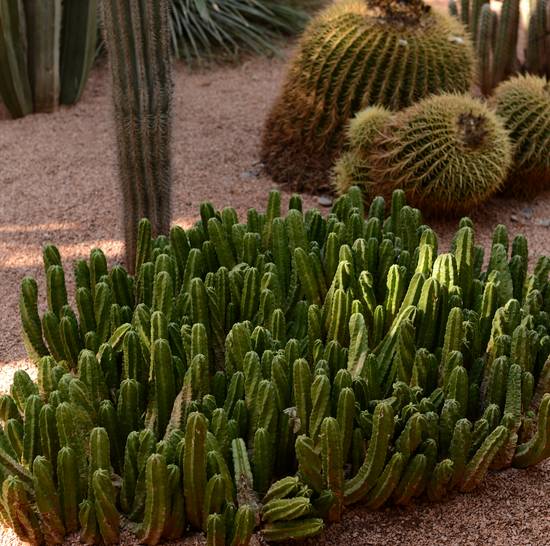
Echinocereus Viereckii

Echinocereus Viereckii

Echinocereus Viereckii

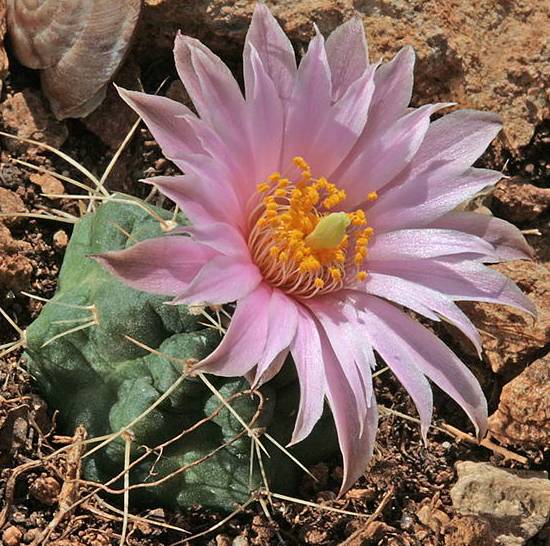
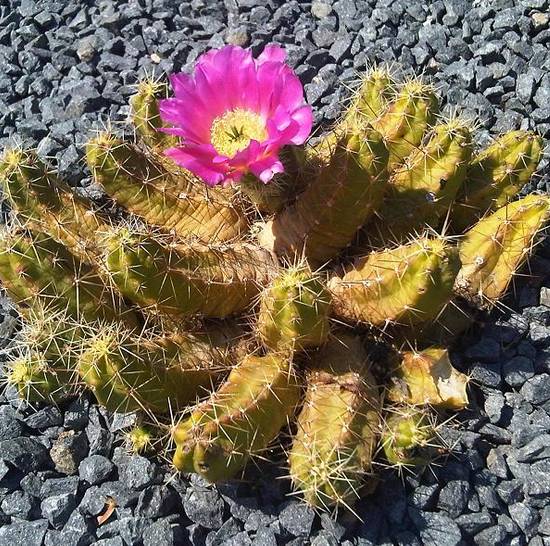
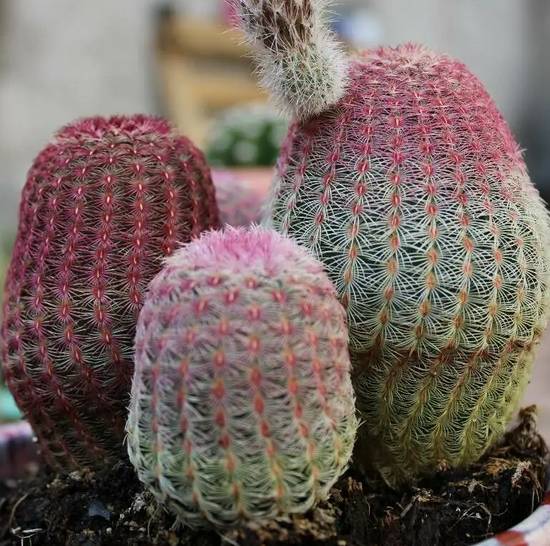
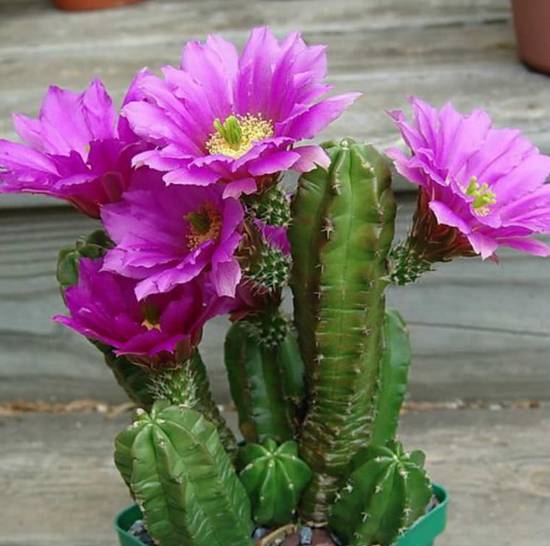
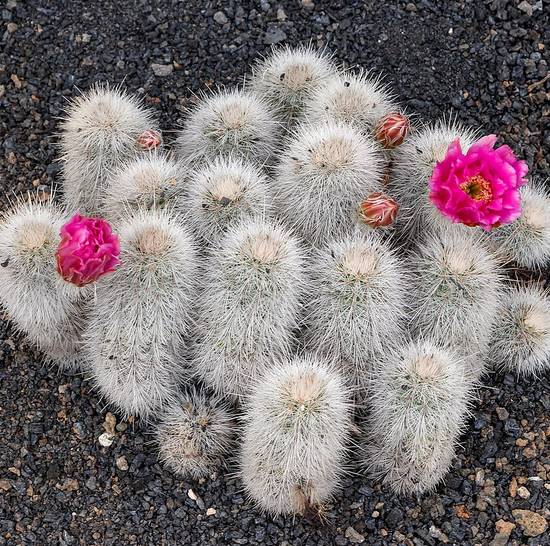
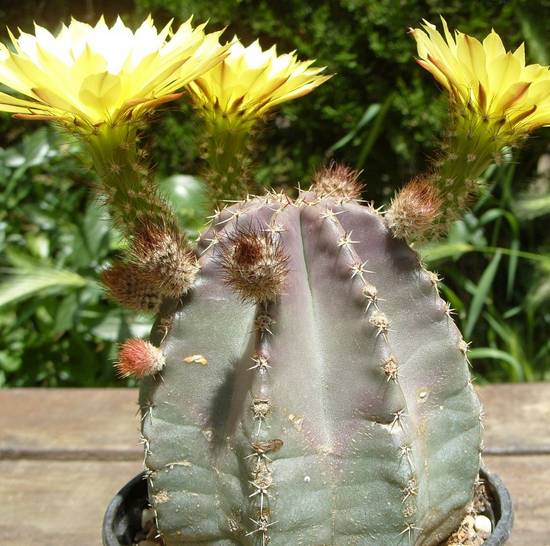
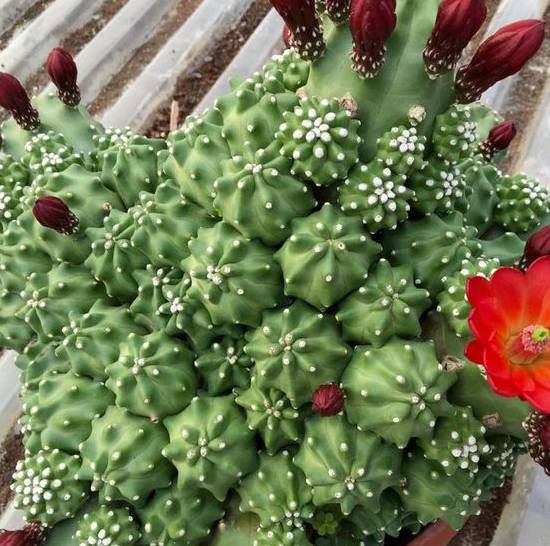
The Echinocereus Viereckii is a globular to cylindrical cactus prized for its well-defined ribs, fine spines and above all its spectacular, large satin-like flowers capable of turning a small pot into a bouquet. Naturally compact, it may form clumps with age while maintaining a dense and harmonious appearance. With generous light and controlled watering, Echinocereus Viereckii develops firm tissues, well-colored spines and steady growth ideal for pot culture on balconies or bright windowsills.

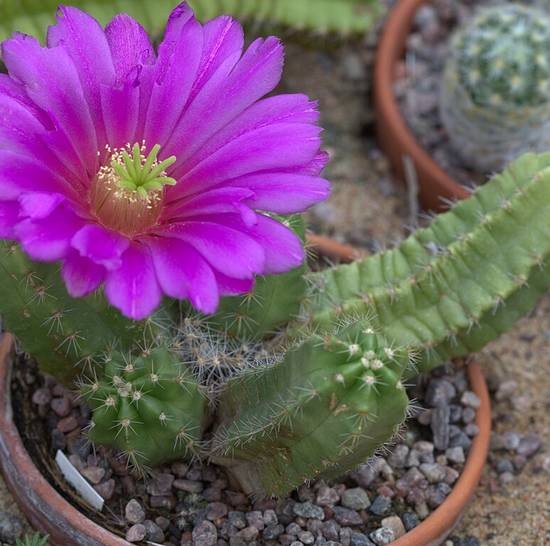
In favorable conditions, it produces lateral buds on upper areoles that open into large diurnal corollas, often bright pink to magenta with a lighter throat and golden-yellow anthers. Flowering usually occurs in spring, sometimes in successive waves when light, mineral substrate and a cooler, drier winter rest are provided.

Native to northeastern Mexico, Echinocereus Viereckii grows on rocky slopes and gravelly soils where rainfall is brief and the air remains dry. Reproducing these rhythms ensures compact and floriferous plants.
To remain compact and floriferous, Echinocereus Viereckii needs strong but balanced light.

🌞 Ideal: 4–6 h gentle morning sun + bright light afterward.

🌤️ Summer: acclimate gradually behind south-facing glass.

🏠 Indoors: very bright south/east window or grow lights.
Accustomed to brief rains and rapid drying, Echinocereus Viereckii prefers thorough but spaced watering on a fully dry mix.

🌱 Spring/Summer: about every 10–14 days when completely dry.

🍂 Autumn/Winter: cool and almost dry; resume gradually in spring.

Tip: terracotta pots and mineral mixes ensure quick drying.
Built for bright warmth, Echinocereus Viereckii tolerates brief drops if dry.

🌡️ Ideal: 18–28 °C in growth.

❄️ Minimum: 0–5 °C dry depending on origin; avoid prolonged frost.

🏠 Rest: bright, cooler and almost dry winter.
To mimic native screes, Echinocereus Viereckii requires an ultra-draining, airy mix.

🪨 Recommended mix: cactus soil with 50–60% minerals (coarse sand, perlite) + pozzolana top dressing.
When its light–rest cycle is respected, Echinocereus Viereckii opens large colorful diurnal corollas.

🌸 Period: mainly spring, sometimes again in summer.

🎨 Colors: pink to magenta with lighter throat and golden anthers.

🕑 Keys: generous light, cooler dry winter, light low-nitrogen feeding and properly sized pot.
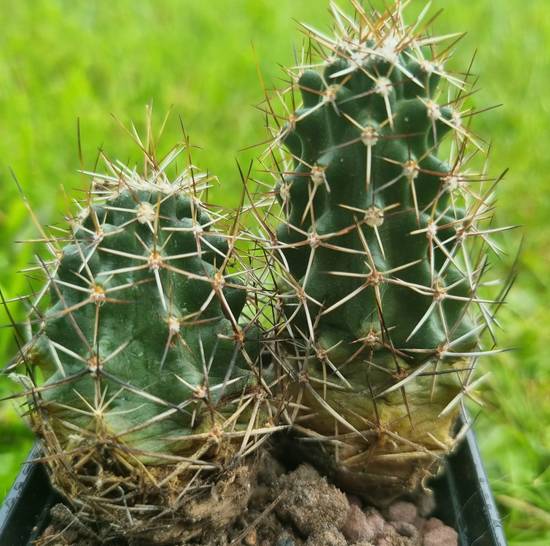
FAQ - Echinocereus Viereckii

How to trigger flowering of Echinocereus Viereckii?
Provide a bright, cooler and almost dry winter rest, then maximum light in spring with light applications of cactus fertilizer every 3–4 weeks.
What is the best substrate for a compact Echinocereus Viereckii?
A cactus potting soil mixed 50–60% with minerals: perlite and pumice for rapid drying.
How often should Echinocereus Viereckii be watered in summer?
Generally every 10–14 days after complete drying; adjust according to heat, pot size and ventilation.
Can Echinocereus Viereckii live only indoors?
Yes, near a very bright south/east-facing window or under a grow light, with an airy mix based on cactus potting soil and minerals.
What is the minimum temperature for Echinocereus Viereckii?
Avoid dropping below 0–5 °C; in cold conditions, keep strictly dry and mulch the crown with pumice.
Which fertilizer should be chosen for Echinocereus Viereckii?
A low-nitrogen, diluted fertilizer such as liquid cactus fertilizer, once per month during the growing season, on moist substrate.
How to repot Echinocereus Viereckii without stress?
Use a pot only slightly wider, with a very well-draining fresh mix; first watering 5–7 days after repotting to allow healing.
My Echinocereus Viereckii is elongating: what should I do?
Increase light, space out watering and enrich the mix with minerals such as perlite.
Can Echinocereus Viereckii be grown in the ground?
Possible in mild and dry climates, on an ultra-draining gravel mound in full sun; elsewhere, pot cultivation is recommended.
What plants pair well with Echinocereus Viereckii?
Pair with Rebutia, Mammillaria and small Echinopsis; occasional application of succulent fertilizer supports vigor during growth.