Echinocereus Matthesianus
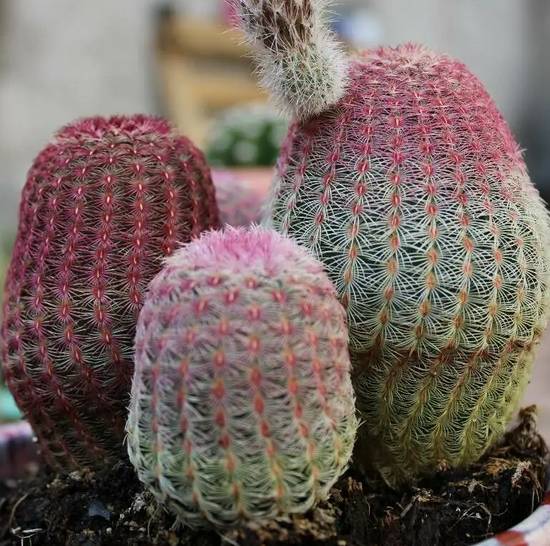
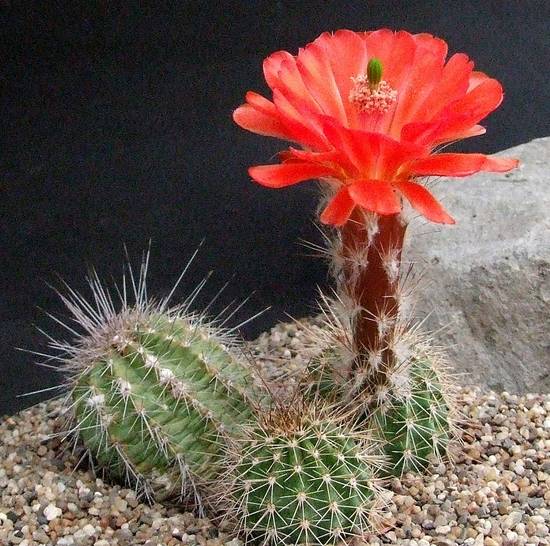
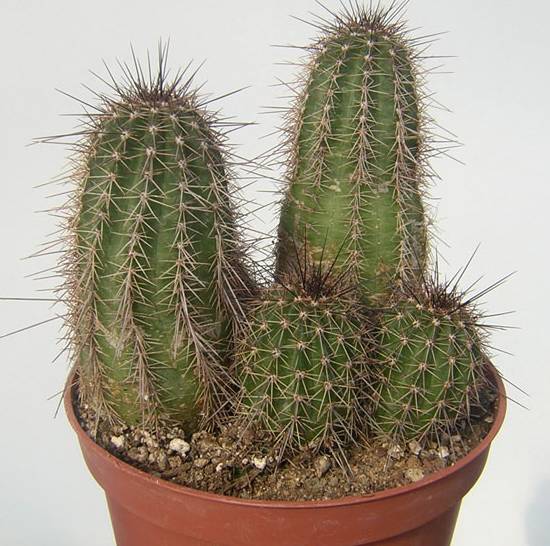
The Echinocereus Matthesianus is a small cactus native to Mexico, remarkable for its short columnar shape and its reddish to dark brown spines that give it a robust yet elegant appearance. Relatively little known, it attracts collectors with its compact habit and vivid flowering.
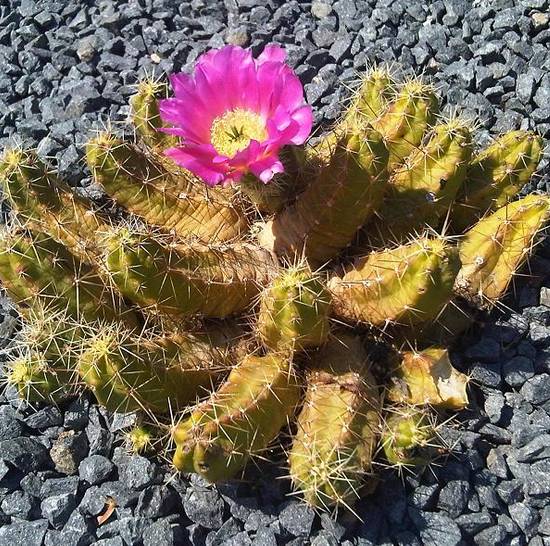
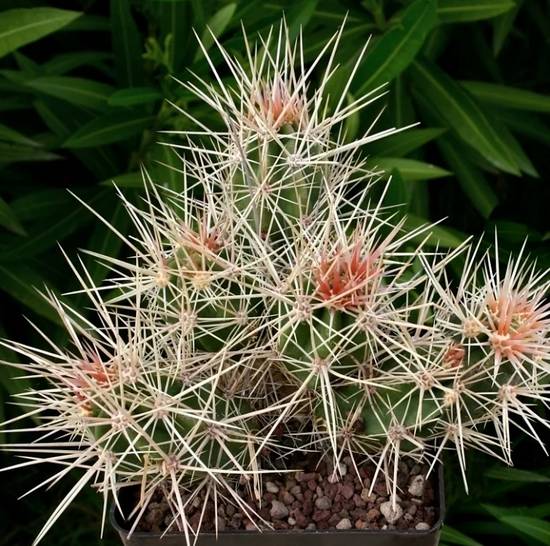
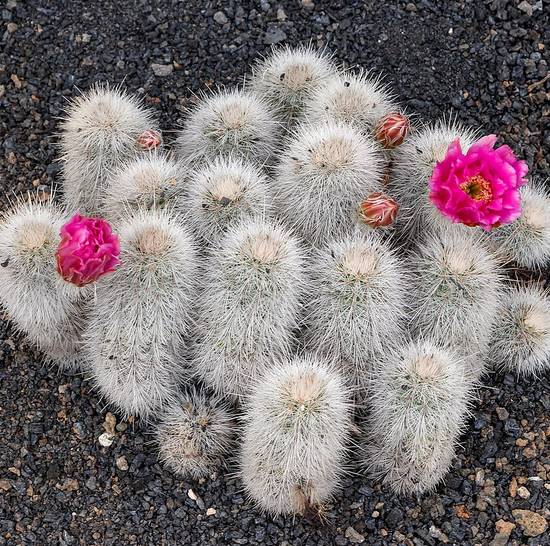
This cactus belongs to the Echinocereus genus, known for its bright flowers and varied forms. The Echinocereus Matthesianus forms an upright, slightly ribbed stem that can reach 10 to 15 cm in height and about 4 to 6 cm in diameter at maturity. It may remain solitary or slowly form small clumps.
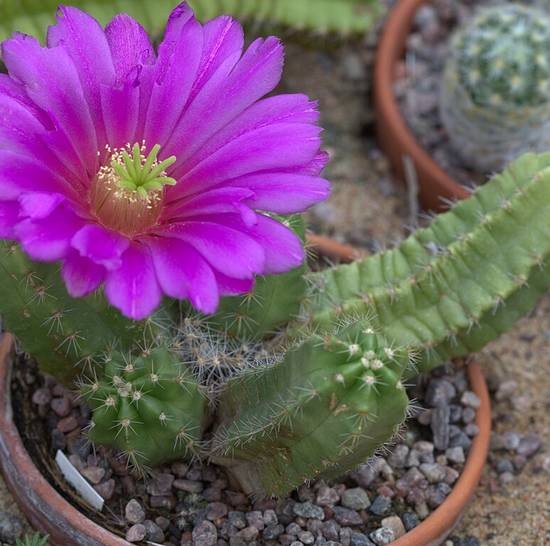
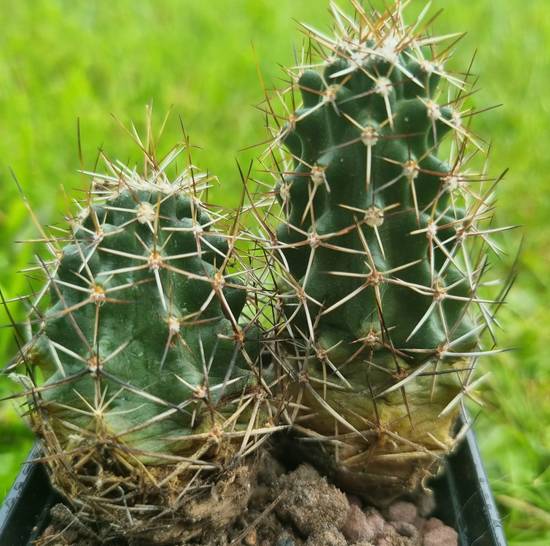
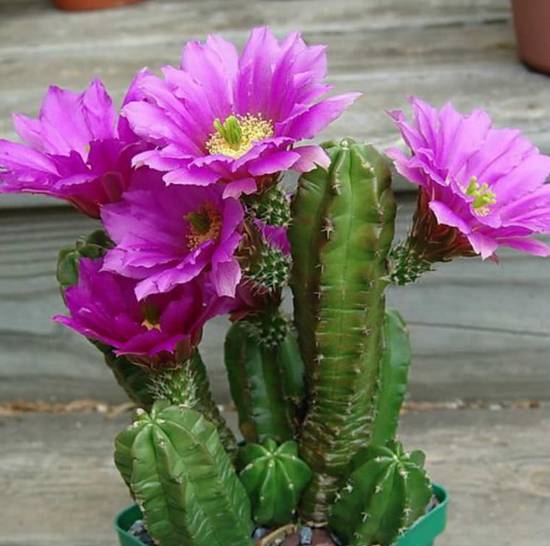
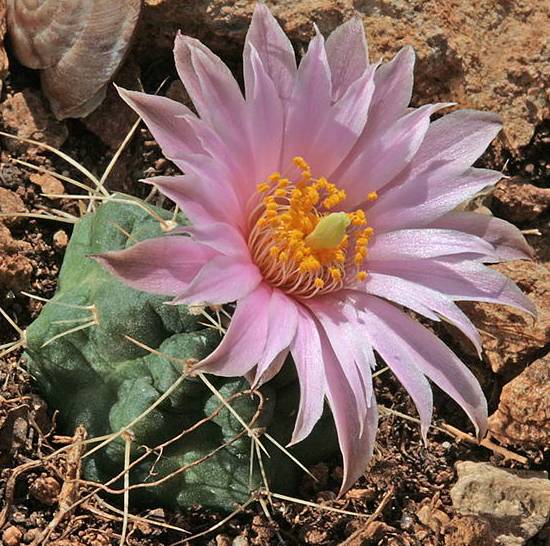
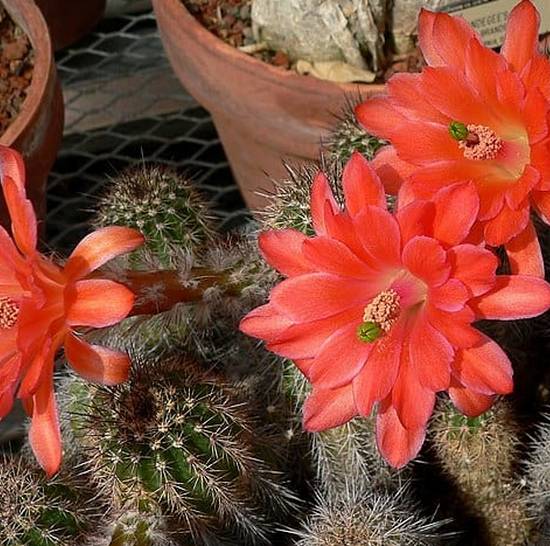
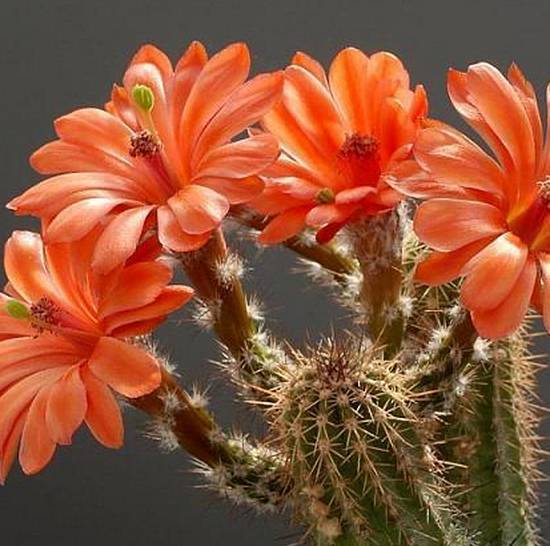
Its skin color ranges from light green to olive green, sometimes with bluish reflections depending on exposure. The areoles are well spaced, bearing fine but firm spines, often dark red to reddish-brown. This warm coloration contrasts beautifully with its magenta-pink flowers with a paler center, which usually appear in spring or early summer.
These living conditions have given it strong resistance to water stress and great tolerance to temperature variations, making it an ideal cactus for pot or greenhouse cultivation.
🌞 Outdoors: full sun, ideally 6 to 8 hours of direct light per day.
🌤️ Indoors: near a south-facing window, or under LED grow lights.
⚠️ Warning: lack of light causes stem elongation (etiolation) and dull spine coloration.
🌱 Spring / Summer: water every 15 to 25 days depending on heat. The substrate must dry completely between waterings.
🍂 Autumn / Winter: stop all watering. Winter rest is crucial to prevent disease and prepare flowering.
⚡ Tip: use non-calcareous water and avoid wetting the base to prevent rot.
🌞 Ideal temperature: between 20°C and 32°C during its active phase.
❄️ Minimum tolerance: down to 2°C if the substrate is perfectly dry. Avoid any frost.
🏠 Wintering: indoors, dry, between 5°C and 10°C to stimulate spring flowering.
🪨 Ideal substrate: 40% cactus soil, 30% pozzolana, 30% gravel or coarse sand.
💡 Good drainage prevents excess moisture, which is harmful to this type of cactus.
🌼 Period: spring or early summer.
🎨 Color: magenta pink with a white or pale pink center.
🕑 Duration: 3 to 5 days per flower, with several flowers appearing successively.
💡 To encourage flowering, provide a strict dry winter rest and plenty of sun from March onward.