Echinocereus Subinermis
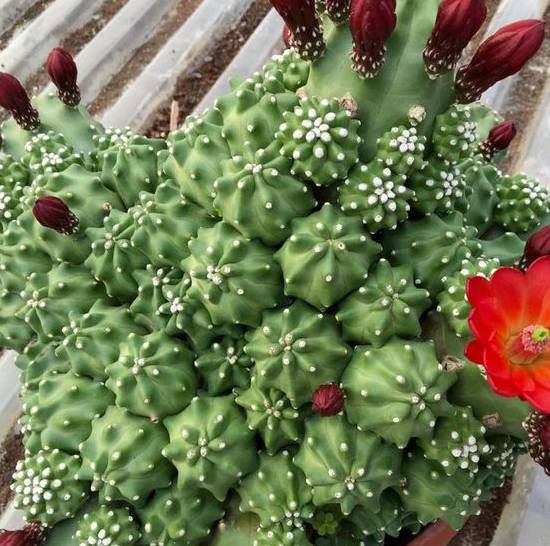
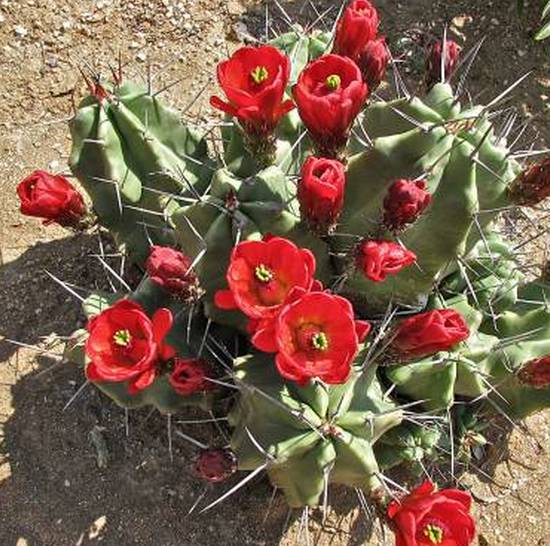
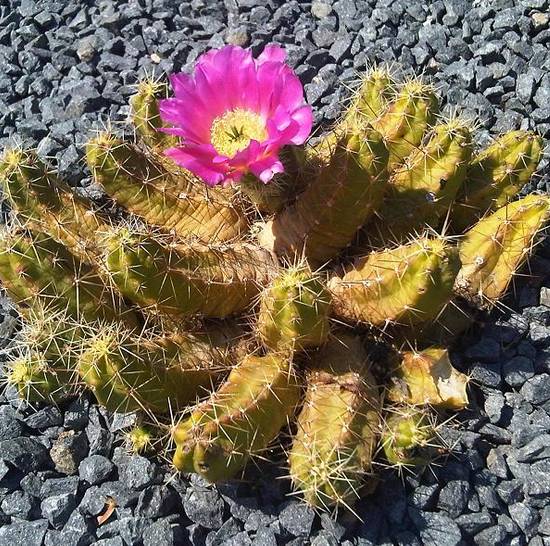
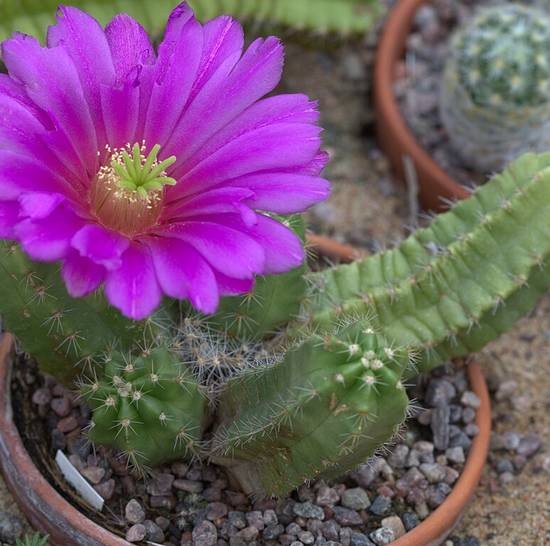
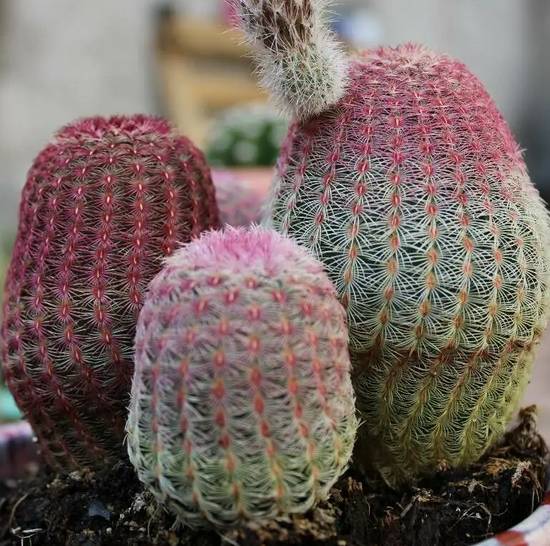
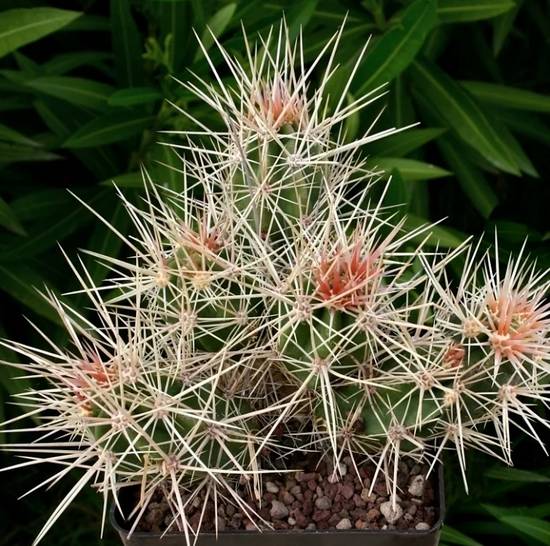
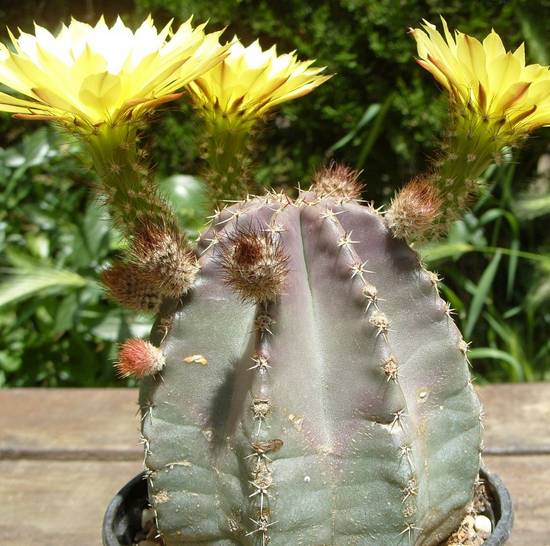
The Echinocereus Subinermis is a globular cactus native to northwestern Mexico, appreciated for its almost complete lack of spines and its spectacular yellow flowers. Unlike many other cacti of the genus Echinocereus, it has a smooth, ribbed, and highly aesthetic surface.
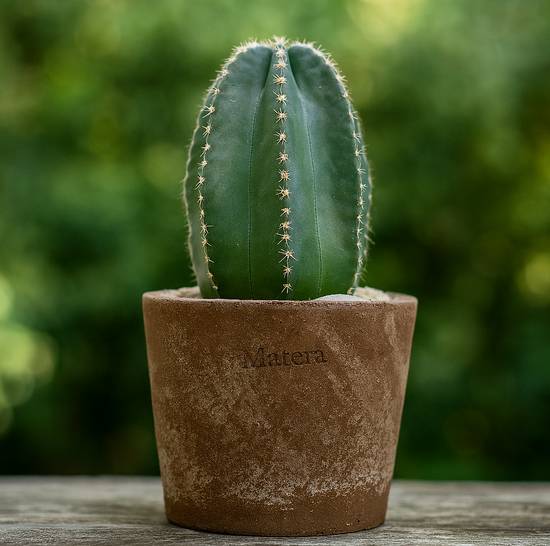
Its body is generally bright green, slightly cylindrical or globular, marked by 8 to 12 well-defined ribs. It can reach up to 15 cm in height with a similar diameter. Highly ornamental, it is often cultivated for its generous flowering, which strongly contrasts with its understated appearance during the rest of the year.
The Echinocereus Subinermis is particularly appreciated by cactus enthusiasts for its gentle appearance (almost spineless), ease of cultivation, and reliable flowering under good conditions. It is also an excellent choice for those seeking an aesthetic cactus without the risk of pricks.
Its natural environment is hot and dry, which explains its excellent resistance to drought. However, in cultivation, it remains sensitive to excess moisture, like many cacti.
🌞 Direct light: At least 5 to 6 hours of sun per day.
🌤️ Summer: During heatwaves, light protection (shade cloth) can prevent burns.
⚠️ Lack of light: It becomes pale, stretches abnormally, and does not flower.
🌱 Spring / Summer: Water every 2 to 3 weeks, only when the substrate is completely dry.
🍂 Autumn / Winter: Stop watering to prevent rot. The plant enters dormancy.
⚡ Tip: Use a pot with drainage holes and a saucer to avoid stagnant water.
🌞 Ideal: Between 20°C and 30°C in summer.
❄️ Minimum tolerated: 5°C, kept dry. Does not tolerate frost.
🏠 Wintering: Bring it indoors when temperatures drop below 10°C. Choose a bright windowsill.
🪨 Recommended mix: 40% cactus soil + 30% pumice + 30% pozzolana.
💡 Tip: Add a bit of coarse sand to further improve drainage.
🌼 Period: Late spring to early summer.
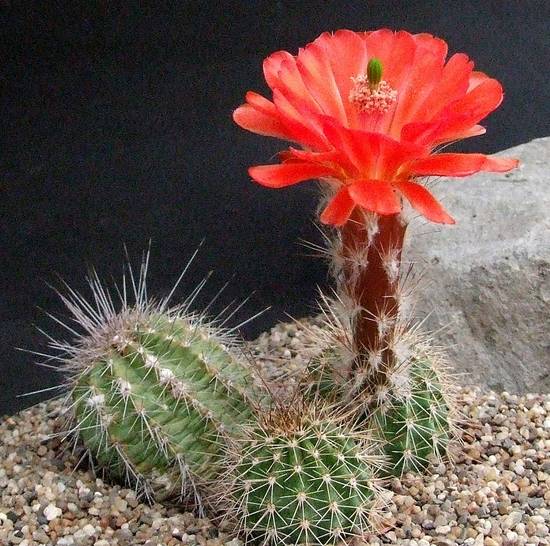
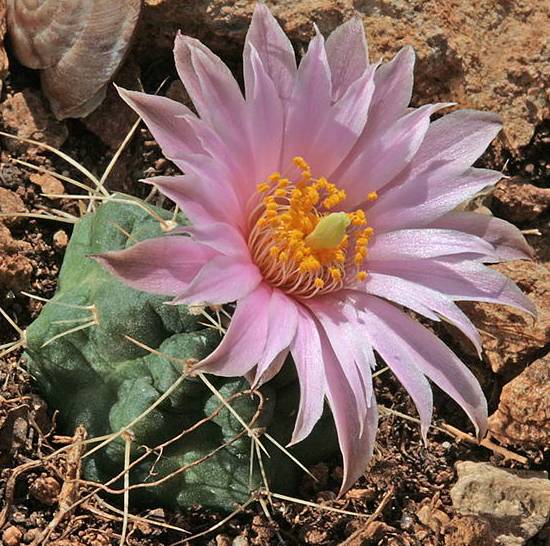
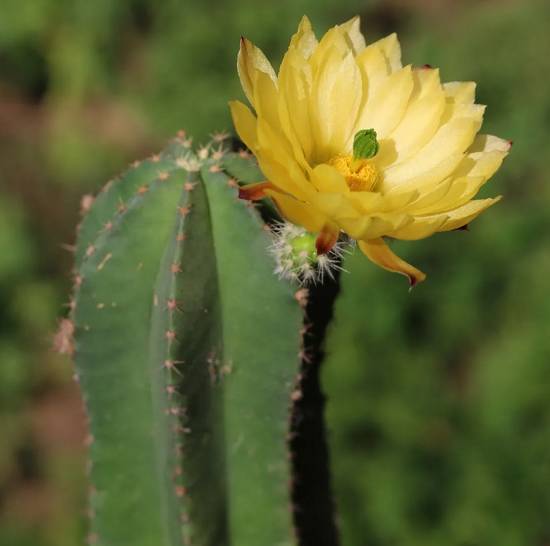
🎨 Color: Bright yellow, sometimes slightly orange.
🕑 Duration: Each flower lasts a few days, but several may appear in succession.
✨ Special feature: Flowers can reach up to 8 cm in diameter and emerge from the top of the cactus, creating a striking contrast.