Echeveria Sitifukumiama
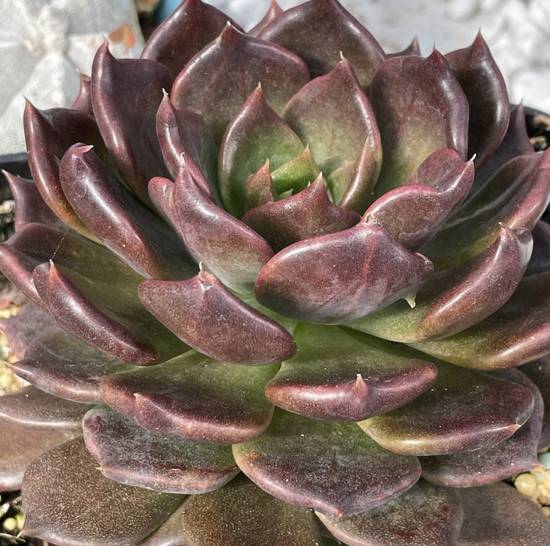
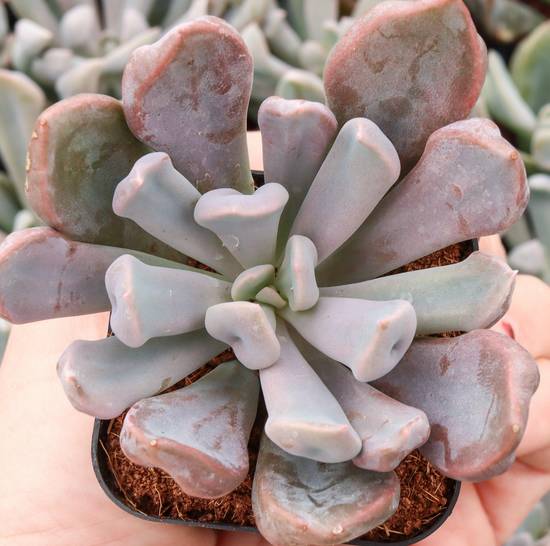
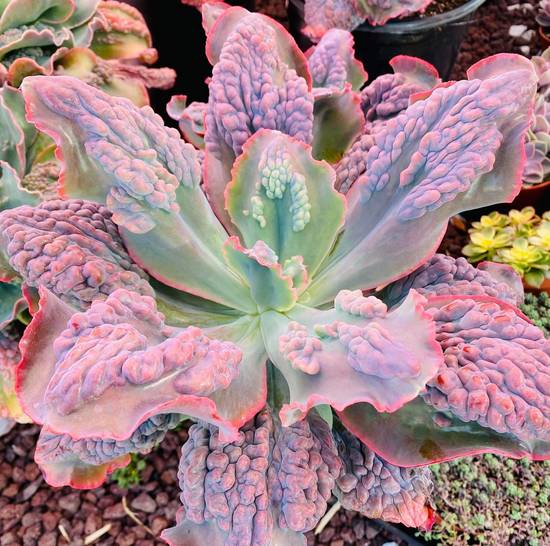
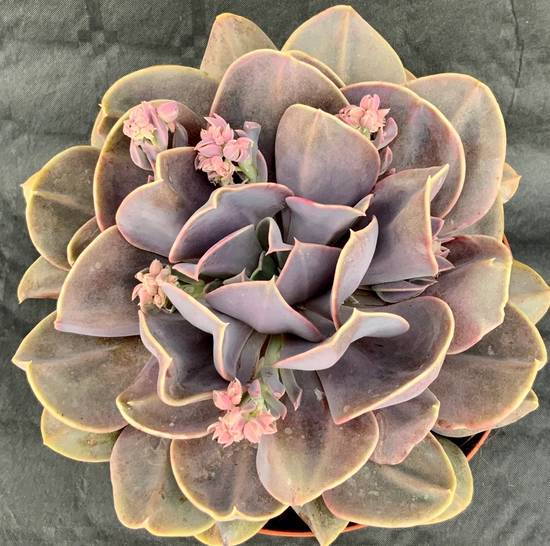
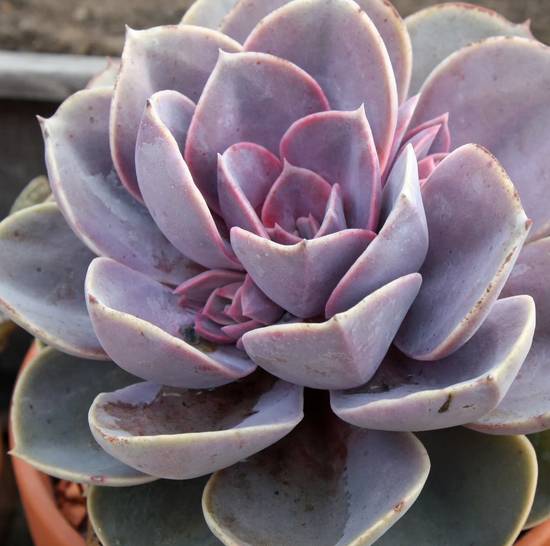
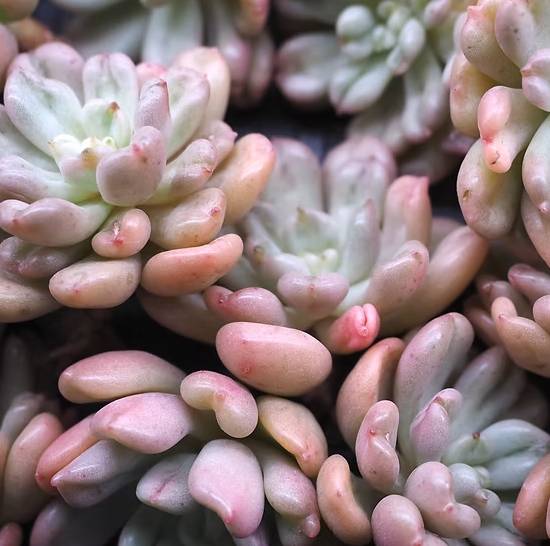
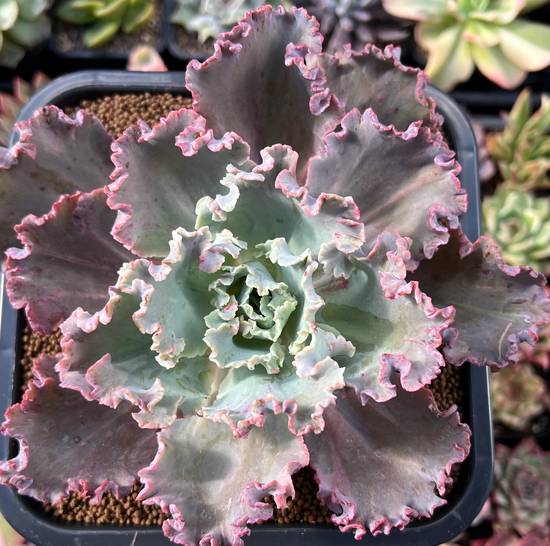
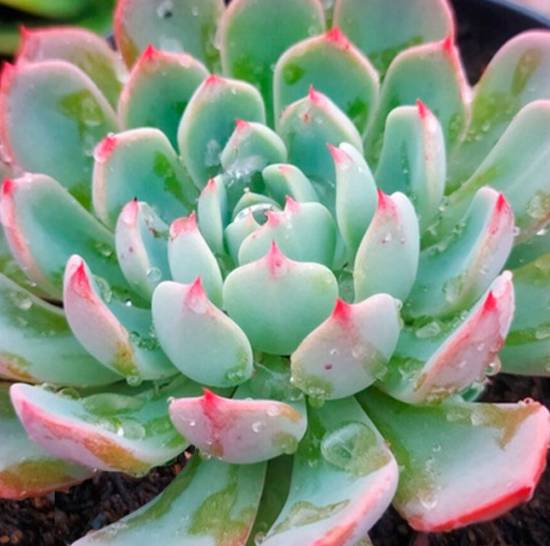
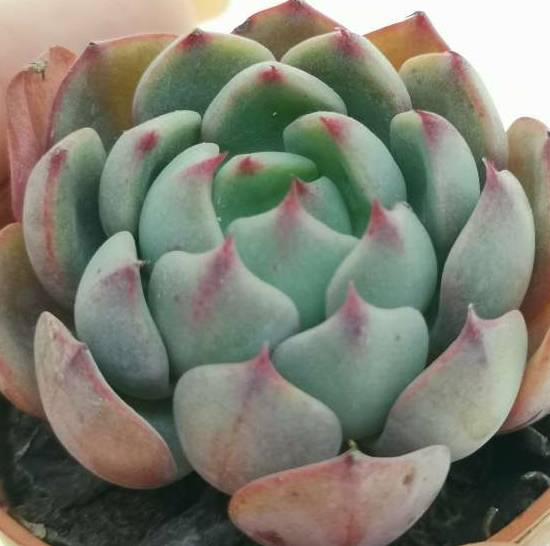
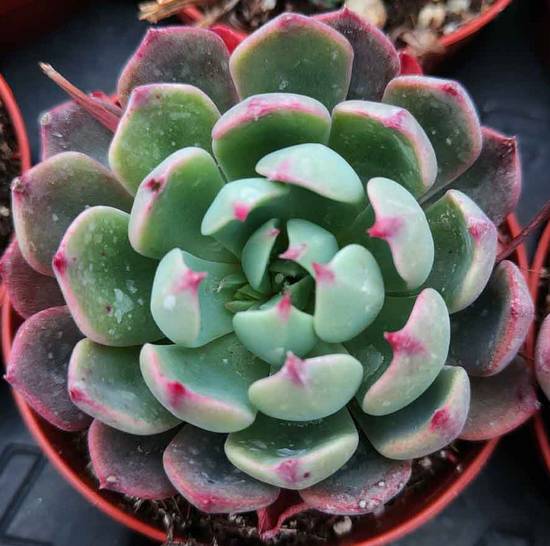
Echeveria Sitifukumiama is a little gem in the world of succulents, still little known but adored by collectors. This rare cultivar stands out for its fleshy leaves covered with tubercles and prominent bumps, giving it a unique textured appearance. Its compact rosettes display shades of gray-green, sometimes tinged with pink or red depending on exposure and growing conditions.
What immediately strikes you with Echeveria Sitifukumiama is its unusual shape and almost reptilian texture. It seems straight out of a fantasy tale. And yet, despite its extravagant appearance, it remains a robust, low-maintenance plant perfectly suited to pot cultivation.
This cultivar is a variation of the famous Echeveria 'Fukurokuryuzinboku' (also nicknamed “Buddha’s breast”), but it grows more compactly, with a denser pattern of protrusions. It is a plant that leaves no one indifferent, ideal for enhancing a collection of unusual specimens.
🌞 Direct sun 4 to 6 h per day: This encourages pink coloration and reinforces compact rosettes.
🌤️ Care in summer: In full midday sun, leaves may dehydrate slightly. Light shade can then be useful.
💡 Indoors, place it near a south- or west-facing window.
🌱 Growing period (spring / summer): Water every 2 to 3 weeks, only when the substrate is thoroughly dry.
🍂 Rest period (autumn / winter): Water very sparingly, or not at all if temperatures are low.
⚠️ Never water into the rosette: this can cause rot.
🌡️ Ideal temperature: between 20°C and 28°C.
❄️ Cold resistance: Down to 5°C in perfectly dry substrate. Below that, it must be brought indoors.
🏠 In winter, choose a bright, cool and well-ventilated location to avoid humidity.
🪨 Ideal mix: cactus soil or succulent substrate mixed with perlite for lightness and pozzolana to improve drainage
🌸 Period: Spring to early summer
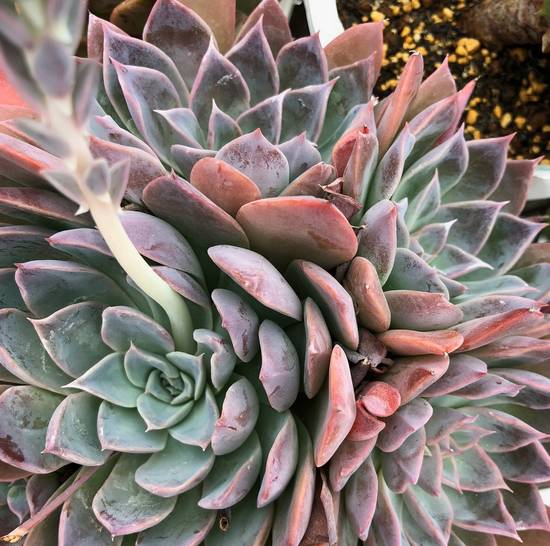
🎨 Flowers: Orange bell-shaped blooms with yellow centers, borne on a long arched stalk.
🕑 Duration: 2 to 3 weeks. Flowering remains discreet but elegant.
✂️ Prune the flower stalk after blooming to preserve the plant’s energy.