Echeveria Pulvinata

Echeveria Pulvinata
Echeveria Pulvinata

Echeveria Pulvinata

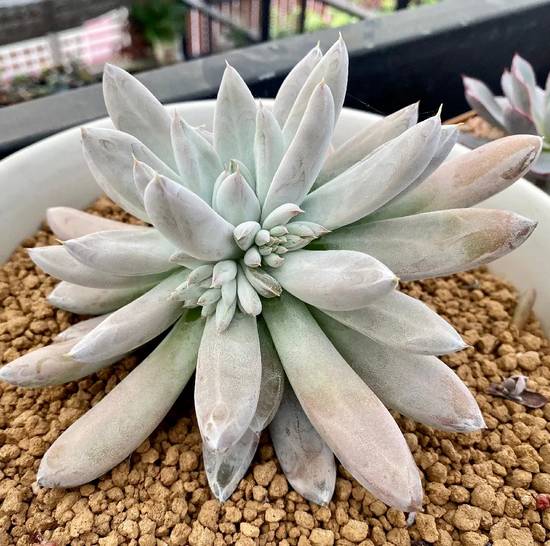
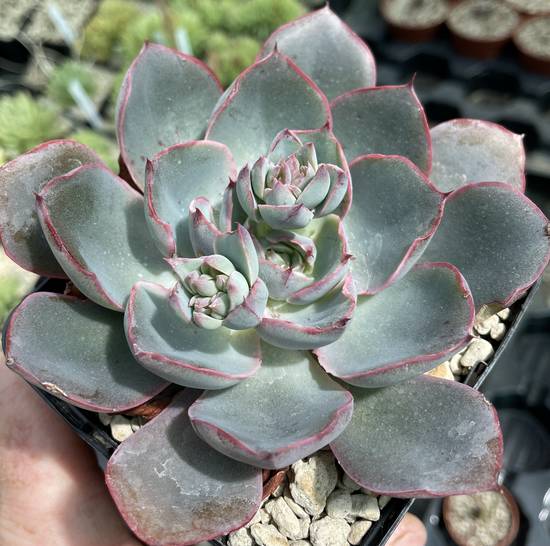
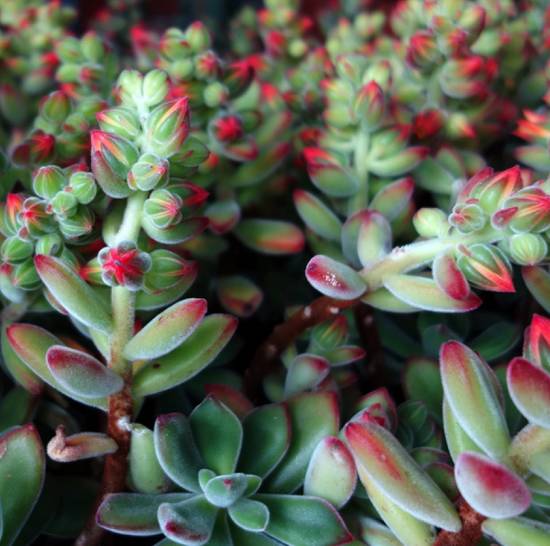
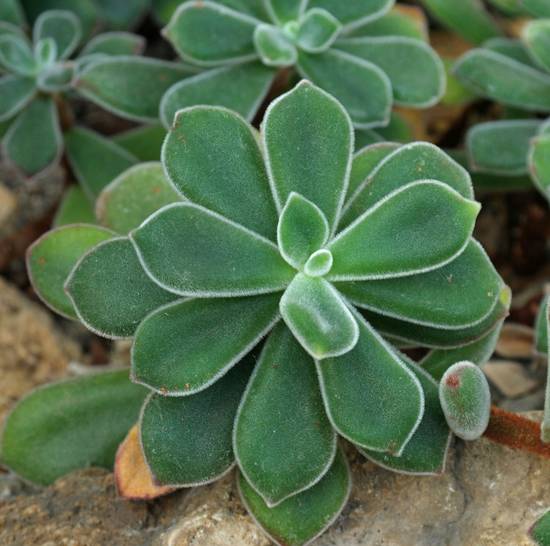
With its velvety appearance and golden reflections, Echeveria Pulvinata is one of the most original Echeverias. Unlike most of its smooth-leaved relatives, it stands out with foliage covered in silky hairs that subtly capture the light. This small shrubby succulent native to Mexico immediately attracts attention for both its texture and color.

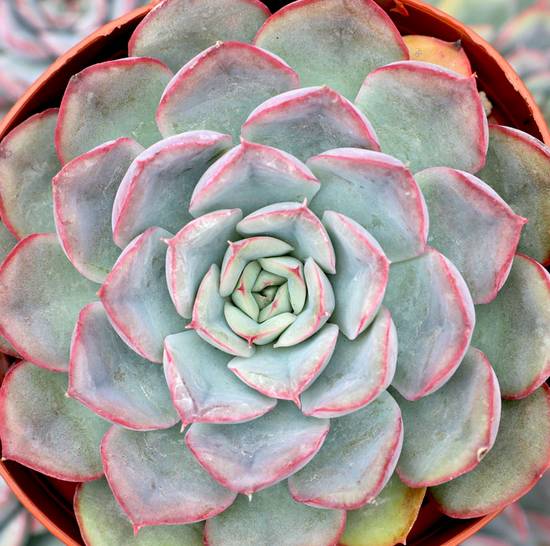
Its light green leaves are thick, oblong, and covered with fine hairs that give them a soft, fuzzy texture. Depending on sun exposure, the tips may turn red, creating a striking contrast with the tender green. Its growth is slightly shrubby, forming branching stems that carry several rosettes and can reach up to 30 cm tall over time.

Echeveria Pulvinata is ideal for collectors seeking unusual textures, but it is also beginner-friendly due to its tolerance in cultivation. It can be grown in pots, planters, or even hanging containers, where its stems create a cascading effect.

Echeveria Pulvinata is native to the semi-desert regions of southern Mexico, particularly the state of Oaxaca. It naturally grows on rocky slopes, often in partial shade beneath shrubs, in dry and well-ventilated conditions.
Echeveria Pulvinata enjoys bright light but prefers soft, filtered exposure.

🌤️ Outdoors: Gentle morning sun or bright partial shade. Avoid intense afternoon heat.

🏠 Indoors: Place near a bright window without prolonged direct sun.

⚠️ Too much direct sunlight can burn its delicate leaves.
Like most succulents, Echeveria Pulvinata prefers soil to dry thoroughly between waterings.

🌱 Spring / Summer: Water every 2–3 weeks, allowing complete drying.

🍂 Autumn / Winter: Very rare watering, especially if kept cool.

💦 Important: Avoid wetting the leaves to preserve their natural fuzz.
Echeveria Pulvinata is not frost-hardy but tolerates cool temperatures if kept dry.

🌡️ Ideal: 18–25 °C

❄️ Minimum: 5 °C dry – does not tolerate frost.

🏠 Advice: Bring indoors below 8 °C.
🪨 Recommended mix: 50% cactus soil + 25% perlite + 25% pumice for optimal drainage.
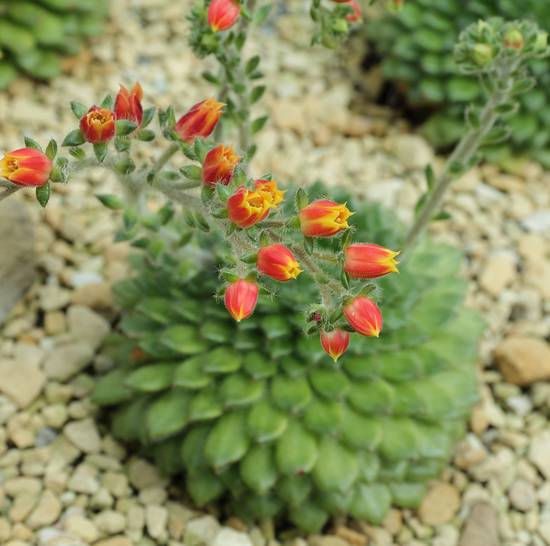
The flowering of Echeveria Pulvinata is particularly vibrant and attractive.

📅 Period: Winter to early spring

🌺 Flowers: Orange-red bells with yellow throats on upright stalks

🎯 Tip: A cool, dry winter encourages blooming.
FAQ - Echeveria Pulvinata

Where should Echeveria Pulvinata be placed indoors?
Place it near a bright window, protected from intense direct sunlight.
What substrate should be chosen for Echeveria Pulvinata?
A very well-draining mix such as cactus soil combined with perlite and pumice.
When and how should Echeveria Pulvinata be watered?
Water moderately in spring and summer only when the soil is dry. In winter, reduce watering to a minimum.
Is Echeveria Pulvinata frost-resistant?
No, it must be brought indoors when temperatures drop below 8 °C.
How can Echeveria Pulvinata be propagated?
By stem or leaf cuttings, or by dividing offsets.
Why are the leaves of my Echeveria Pulvinata becoming soft?
Often due to overwatering or watering too frequently.
Can Echeveria Pulvinata be fertilized?
Yes, in spring and summer with a liquid succulent fertilizer every 4 to 6 weeks.
How can I encourage Echeveria Pulvinata to bloom?
Provide a cool winter rest period with limited watering.
Can Echeveria Pulvinata be grown in hanging pots?
Yes, its slightly trailing stems are well suited to hanging cultivation.
What is the maximum size of Echeveria Pulvinata?
Up to 30 cm tall over time, forming several branched stems.