Conophytum Velutinum
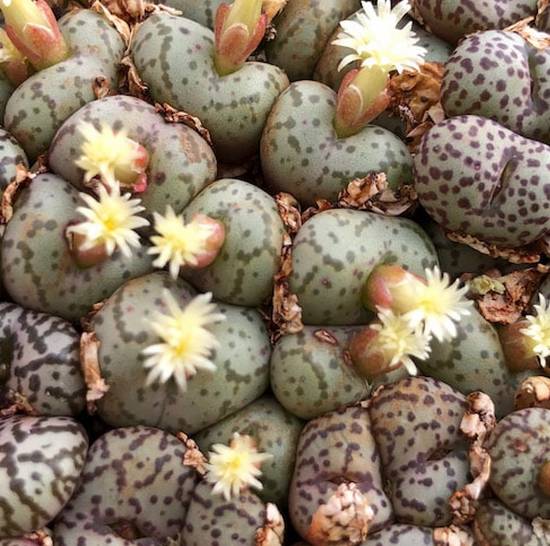
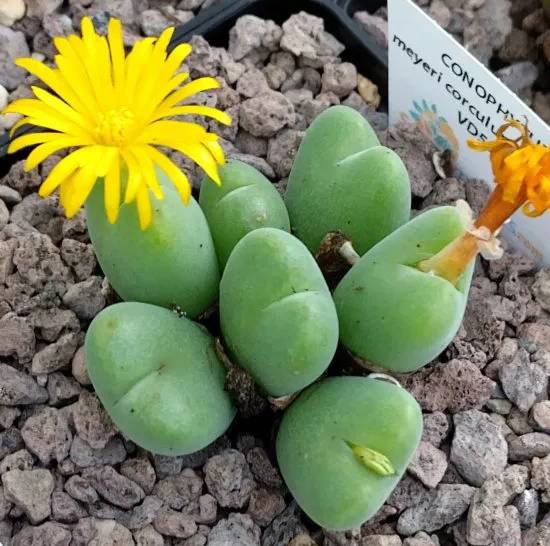
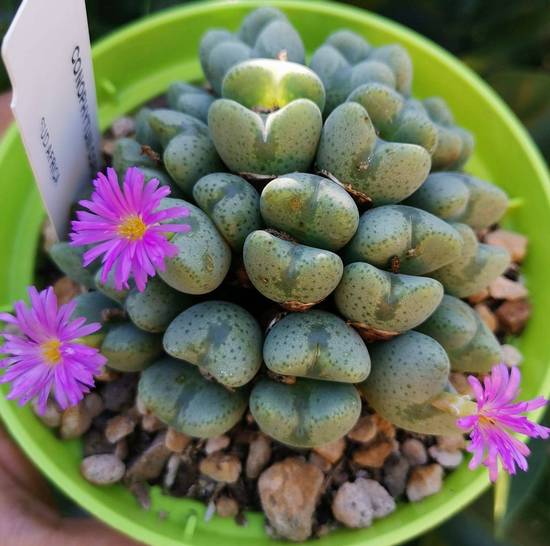
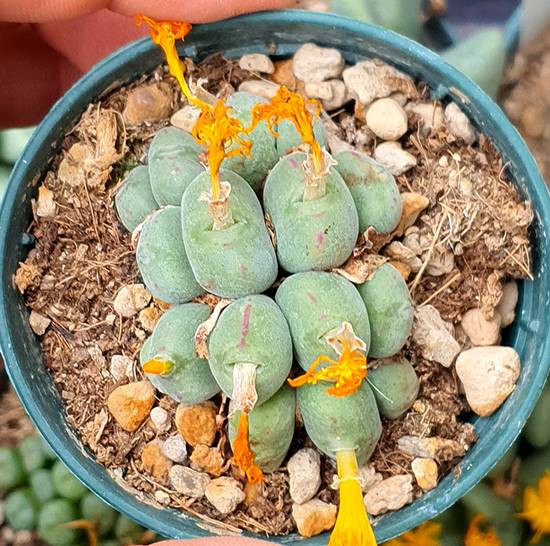
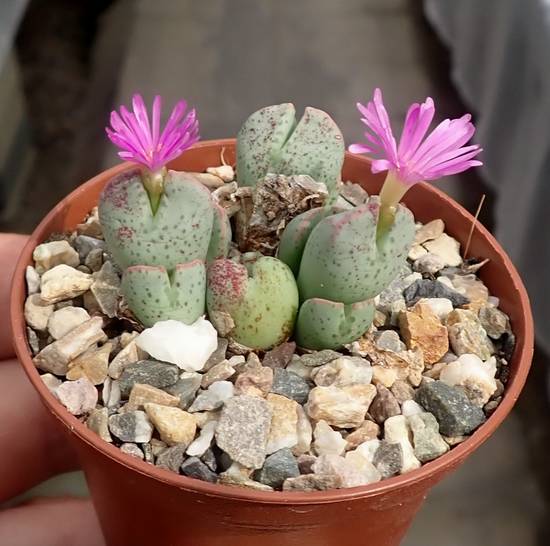
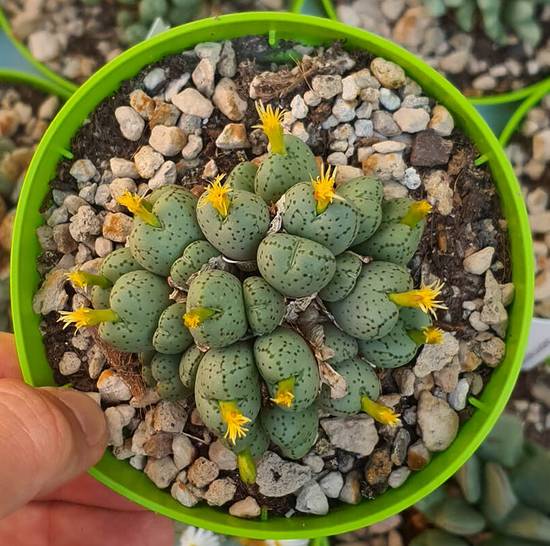
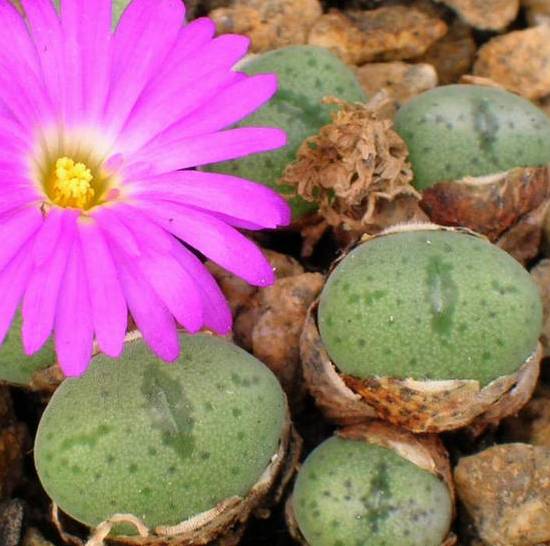
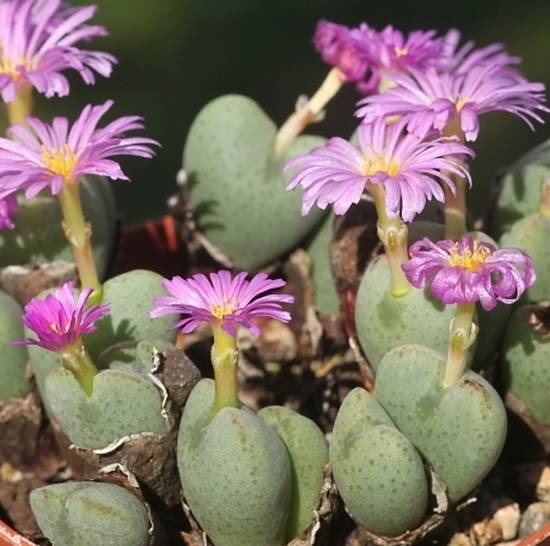
The Conophytum Velutinum is a remarkable South African succulent, highly valued by collectors for its unique texture and understated beauty. Like other species of the Conophytum genus, it forms compact rounded bodies, but stands out due to its finely velvety epidermis, from which it takes its name “velutinum”. Its small rounded heads are usually olive green to brown-green and covered with a subtle, soft-looking fuzz that gives it a silky appearance.
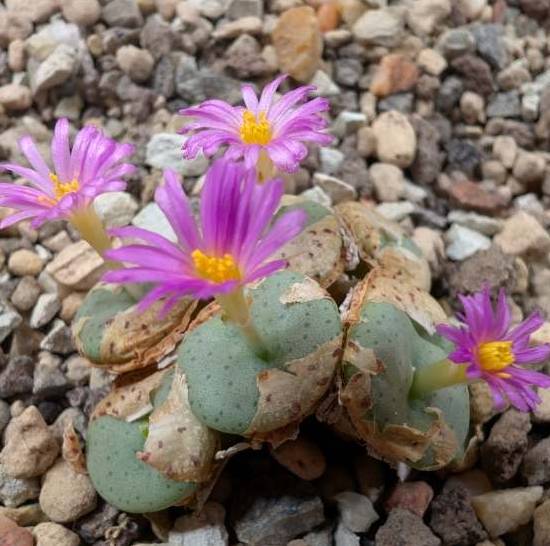
Conophytum Velutinum follows a reversed growth cycle: it actively grows in autumn and winter, then enters complete dormancy during the intense summer heat. During dormancy, the old leaves partially dry to protect the new pair forming inside, creating a thin papery sheath. Understanding this adaptation is essential for successful cultivation.
🌤️ Bright indirect light: East or west exposure is ideal.
☀️ Avoid full sun, especially in summer during dormancy.
🏠 Indoor cultivation is possible if the room is well lit.
Excess sun damages delicate tissues, while insufficient light weakens the plant.
🍁 Autumn: Moderate watering every 15 days when growth resumes.
❄️ Winter: Reduce to once a month if necessary.
☀️ Summer: No watering at all during dormancy.
⚠️ When in doubt, do not water. Excess moisture is the main cause of failure.
🌡️ Ideal: 10–20°C during growth.
❄️ Tolerance: Down to 5°C if dry.
🔥 Summer: Can tolerate temperatures above 30°C if kept shaded and dry.
🪨 Recommended: A mineral mix with perlite, coarse sand and little to no organic matter.
🌸 Season: Early autumn.
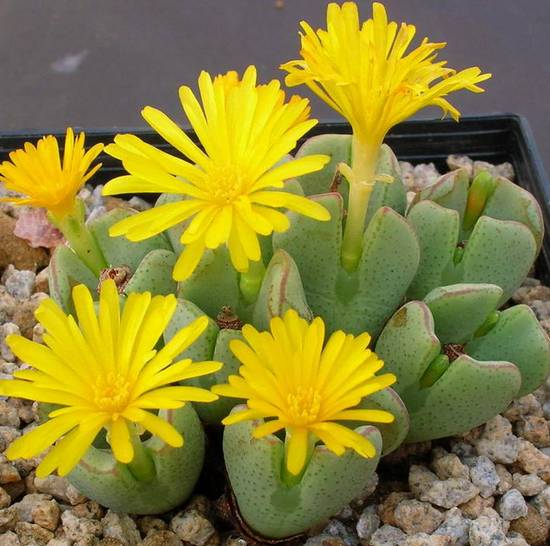
🎨 Color: Pale yellow to orange.
🕑 Duration: A few days, flowers opening in the afternoon.
Good light and a respected summer dormancy encourage flowering.