Conophytum Bilobum

Conophytum Bilobum
Conophytum Bilobum

Conophytum Bilobum

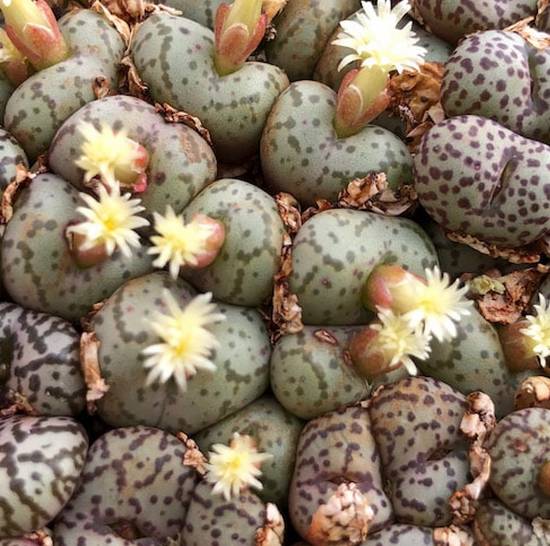
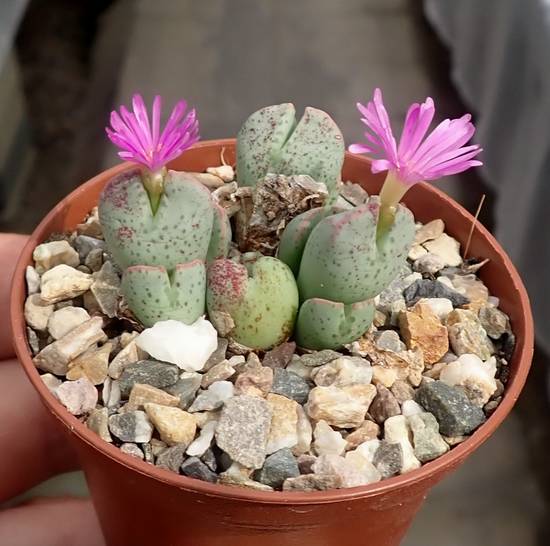
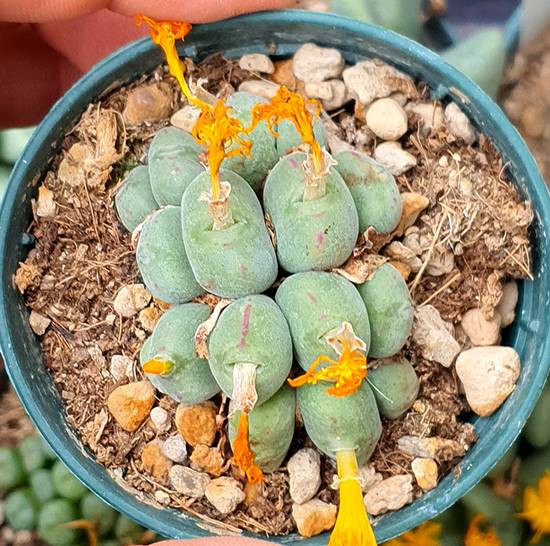
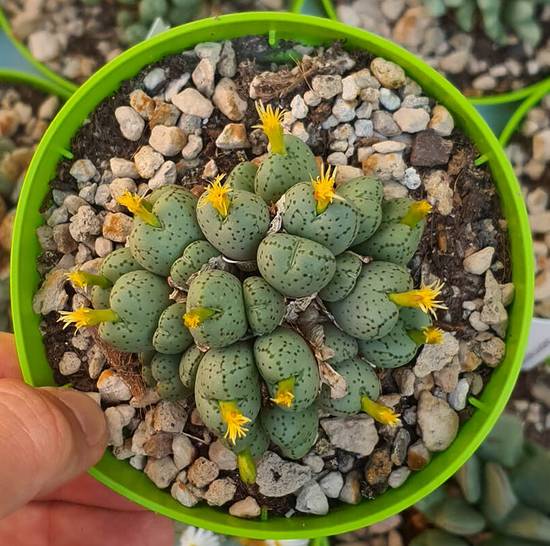
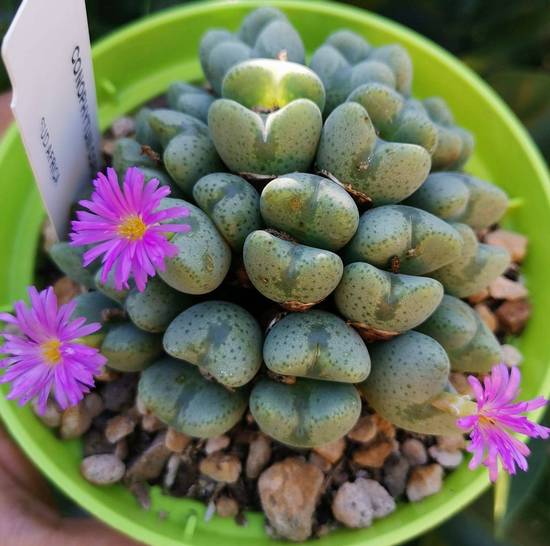
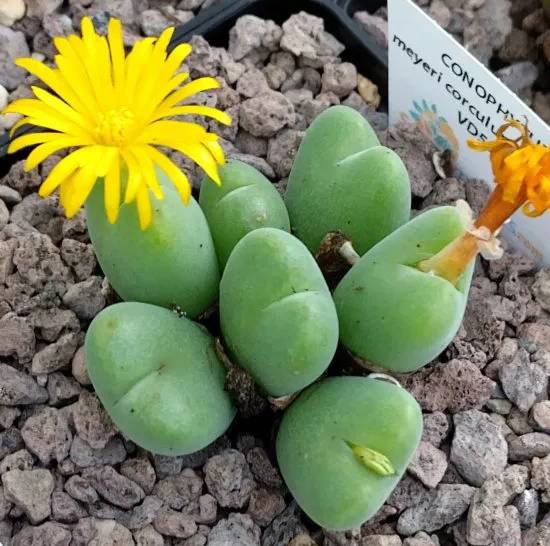
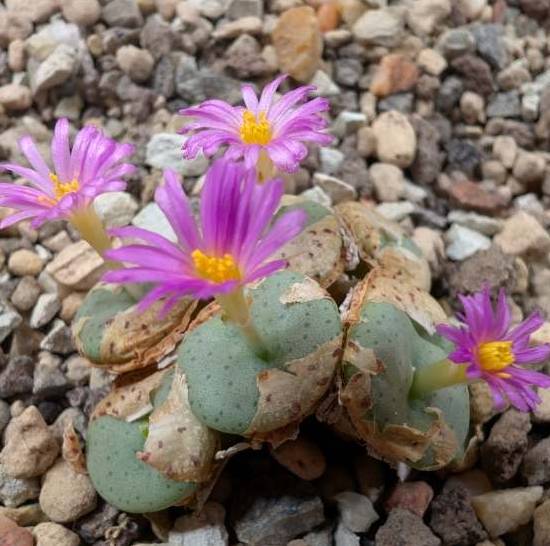
The Conophytum Bilobum is a dwarf succulent native to southern Africa, highly appreciated for its unique shape and graphic appearance. Its name “bilobum” comes from Latin and means “two-lobed”, referring to its distinctive morphology: its leaves form a pair fused at the base but split into two rounded lobes, giving each head the appearance of an open heart or small twin horns. This very characteristic form makes the Conophytum Bilobum one of the most easily recognizable members of its genus.

Very small in size, this plant gradually forms dense cushions composed of numerous heads. Its color ranges from soft green to bluish green, sometimes tinged with red depending on light exposure or water stress. The Conophytum Bilobum follows a reversed growth cycle: it grows in autumn and winter, then enters dormancy from spring until the end of summer. During this period, the old leaves dry out, wrapping the new forming pair in a protective membrane.

The Conophytum Bilobum originates from the semi-desert regions of Namaqualand and the Little Karoo in South Africa. It grows on rocky outcrops, between crevices or under small shrubs, in sandy and mineral soil, taking advantage of winter rains to develop.
The Conophytum Bilobum prefers soft, indirect light.

🌤️ Bright but non-scorching light

☀️ Direct sun to be avoided, especially during summer

🏠 Ideal for a bright indoor location or conservatory
The Conophytum Bilobum is sensitive to excessive moisture.

🍁 Autumn / winter: Light watering every 15 days at the start of growth

❄️ Deep winter: Space out further, once a month

☀️ Summer: No watering during dormancy

⚠️ When in doubt, do not water: excess is far more dangerous than neglect.
The Conophytum Bilobum enjoys moderate climates.

🌡️ Optimal temperatures: 10 to 20 °C

❄️ Tolerates 5 °C if the substrate is dry

🔥 Withstands summer heat provided it is kept dry and shaded
Drainage is fundamental to its survival.

🪨 A sandy mix with perlite and gravel is recommended
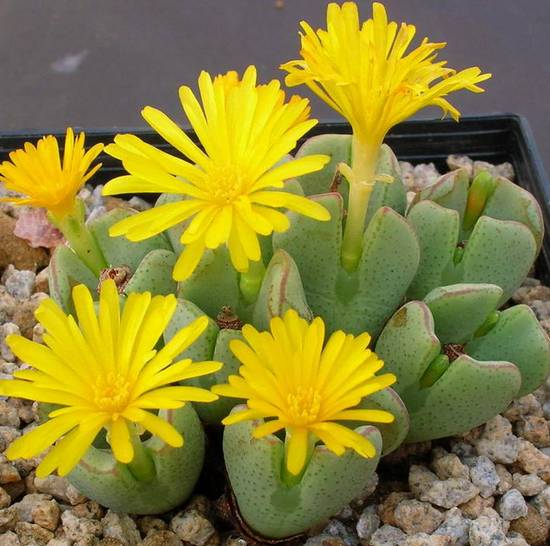
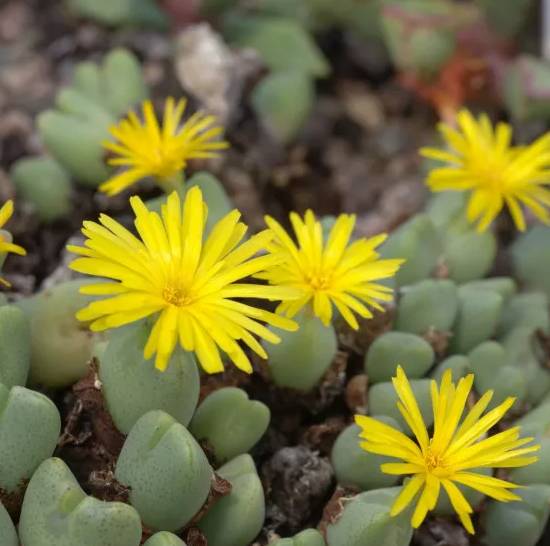
The Conophytum Bilobum offers a bright flowering.

🌸 Season: autumn

🎨 Color: bright yellow

🕑 Opening in late afternoon, flowers sometimes fragrant
FAQ - Conophytum Bilobum

When does Conophytum Bilobum grow?
It begins growing in late summer and continues through autumn and winter. It then enters dormancy until summer.
How should Conophytum Bilobum be watered properly?
Water lightly every 15 days in autumn, then reduce in winter. In summer, stop watering completely to prevent rot.
Can Conophytum Bilobum be placed in full sun?
No, avoid direct sunlight. It prefers filtered or indirect light to protect its sensitive tissues.
What substrate should be used for Conophytum Bilobum?
Use a very well-draining mineral mix or a ready-made cactus potting mix.
When does Conophytum Bilobum bloom?
It blooms in autumn. Yellow, sometimes fragrant flowers emerge from the heads in late afternoon.
Can Conophytum Bilobum be grown in an apartment?
Yes, it adapts well to pot culture indoors as long as it receives bright light and no direct sun.
What are the signs of dormancy in Conophytum Bilobum?
The plant stops growing in spring, the leaves dry out, and a protective sheath forms around the new heads.
What are the effects of overwatering or underwatering Conophytum Bilobum?
Overwatering can quickly cause rot. Slight head collapse in autumn may indicate that watering is needed.
Should Conophytum Bilobum be fertilized?
A single annual feeding in autumn is sufficient. Use a suitable fertilizer for succulents.
Where can you buy good substrate or fertilizer for Conophytum Bilobum?
You can purchase well-draining substrate and cactus fertilizer from specialized nurseries or garden centers.