Conophytum Cordatum

Conophytum Cordatum
Conophytum Cordatum

Conophytum Cordatum

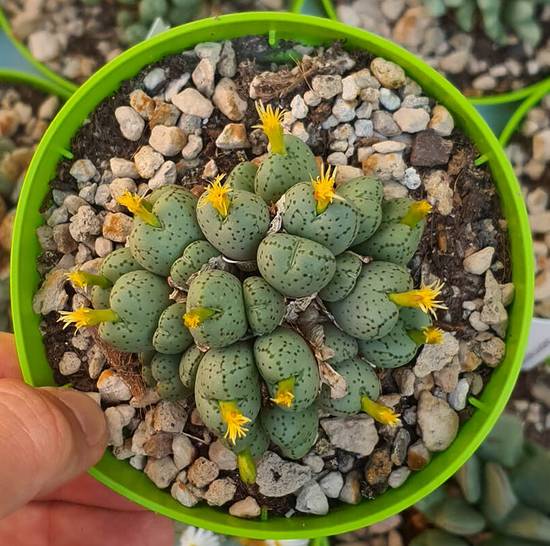
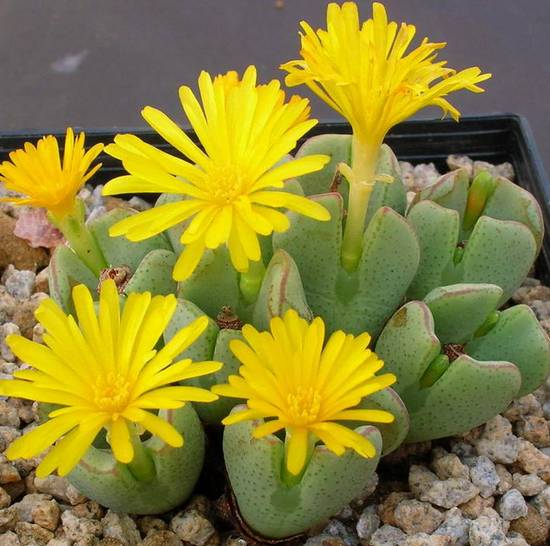
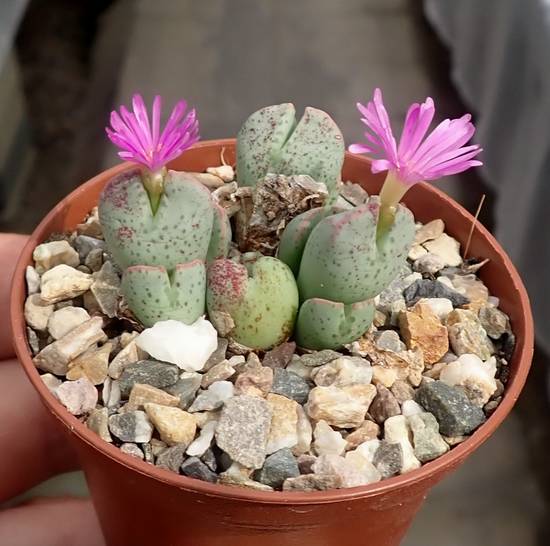
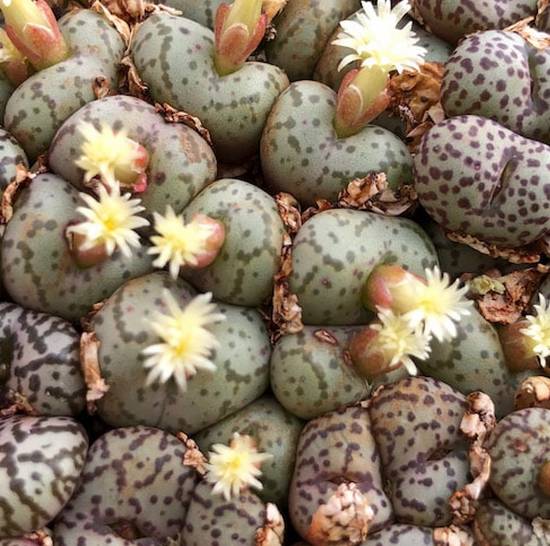
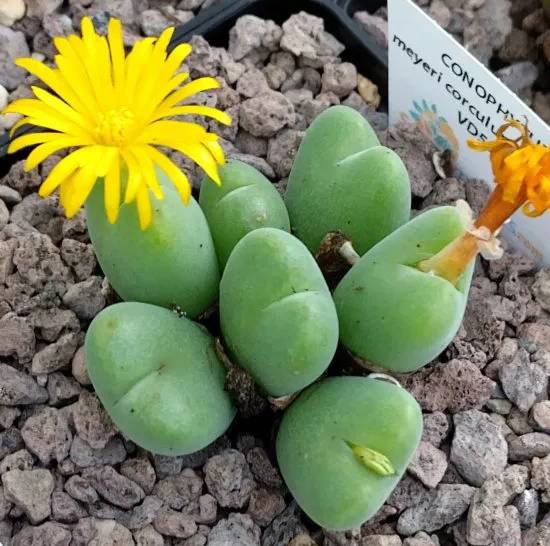
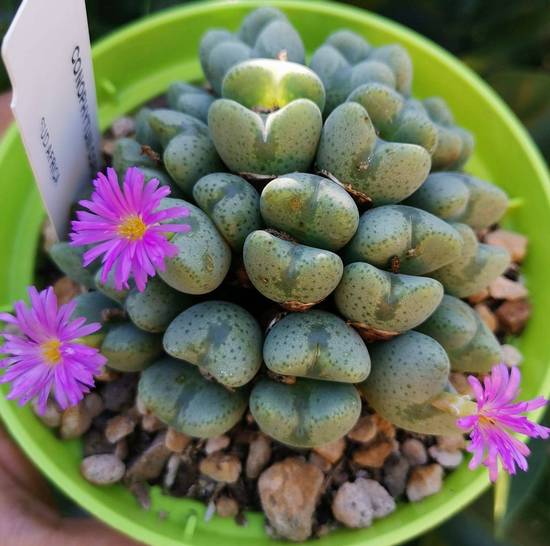
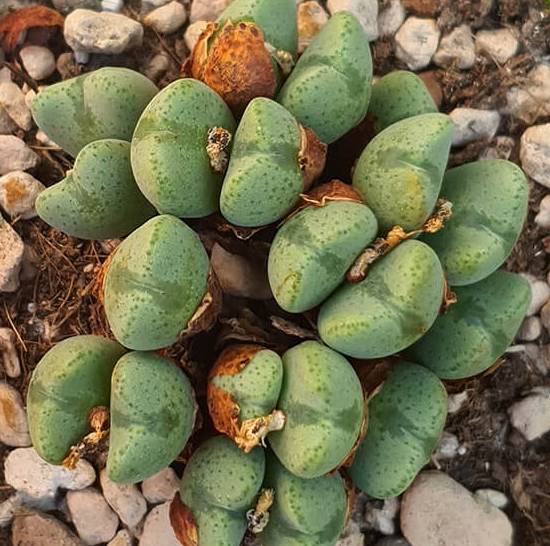
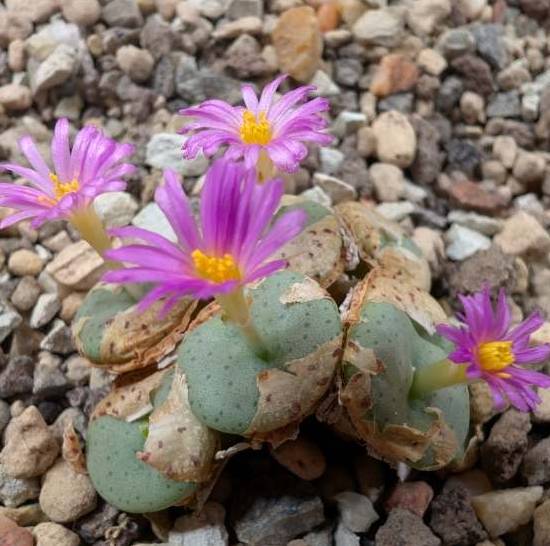
The Conophytum Cordatum is a small, rare and charming succulent from the genus Conophytum, belonging to the Aizoaceae family. Its name comes from the Latin word “cordatum,” meaning “heart-shaped,” referring to its pairs of fused leaves that often form a soft, heart-like profile. This very distinctive natural shape, combined with its miniature size, makes it highly prized by collectors and lovers of graphic plants.

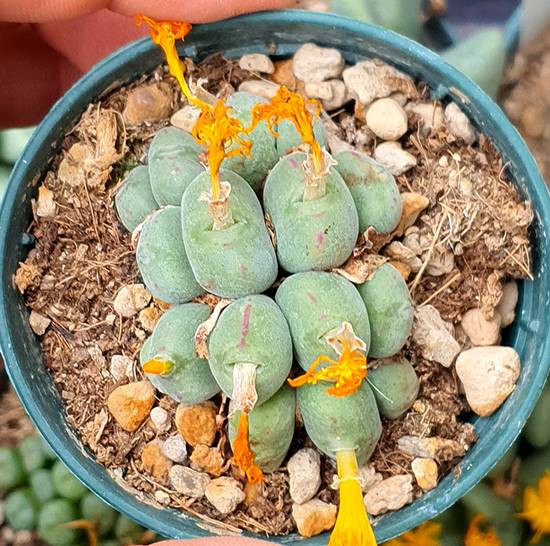
Like most Conophytum species, the Conophytum Cordatum has a reversed growth cycle. It begins growing at the end of summer, takes advantage of the cooler temperatures of autumn and winter, then enters complete dormancy in spring as heat increases. During this summer dormancy, the old leaves dry out, forming a protective membrane around the new pairs developing inside.

The Conophytum Cordatum is endemic to the Namaqualand region of South Africa’s Northern Cape. In the wild, it grows in rocky microhabitats, often nestled in partial shade beneath stones or small shrubs, in sandy, mineral soil.

This highly specific biotope explains its sensitivity to excess moisture and the need to reproduce these conditions in cultivation.
The Conophytum Cordatum enjoys light without excess.

🌤️ Indirect or filtered light during the day

☀️ Avoid direct sun, especially in summer

🏠 Perfectly suited to bright indoor cultivation
The Conophytum Cordatum is very sensitive to watering mistakes.

🍁 Autumn: Light watering every 10–15 days, depending on temperature.

❄️ Winter: Reduce significantly; once a month is sufficient.

☀️ Summer: No watering; the plant is completely dormant.

⚠️ Too much water equals guaranteed rot. Wilting in autumn may indicate a need for water.
This species enjoys mild conditions and tolerates dry cold.

🌡️ Ideal: between 10 and 20 °C during growth

❄️ Minimum: 5 °C if the substrate is dry

🔥 Summer: Tolerates heat above 30 °C only if kept dry and shaded
Perfect drainage is essential.

🪨 Mix coarse sand, perlite and fine gravel to recreate ideal conditions.
The Conophytum Cordatum produces a bright, attractive flowering.

🌸 Season: Autumn, often in September

🎨 Color: yellow to orange

🕑 Flowers open in the late afternoon for several days
FAQ - Conophytum Cordatum

What is the growing season of Conophytum Cordatum?
It begins growing in late summer and develops actively through autumn and winter. It enters full dormancy in spring.
How should Conophytum Cordatum be watered properly?
Water very lightly every two weeks in autumn. In winter, once a month is enough. Do not water at all in summer.
Does Conophytum Cordatum tolerate direct sunlight?
No, direct sunlight should be avoided. Provide bright indirect light to prevent tissue burn.
What substrate is recommended for Conophytum Cordatum?
A mineral substrate is essential. Mix coarse sand, perlite, and gravel, or use a suitable succulent potting mix.
When and how does Conophytum Cordatum bloom?
It blooms in autumn. Yellow or orange flowers emerge at the top of the heads and open in late afternoon.
Can Conophytum Cordatum be grown indoors?
Yes, it is ideal for indoor cultivation, provided it is placed near a very bright window without direct sun.
What are the signs of dormancy in Conophytum Cordatum?
The leaves dry out and form a protective sheath. No visible growth occurs during this phase.
What are the risks of overwatering or underwatering Conophytum Cordatum?
Excess water quickly leads to rot. Slight shriveling in autumn may indicate a temporary need for watering.
Should Conophytum Cordatum be fertilized?
A single feeding in autumn is sufficient. Use a very low-dose suitable fertilizer.
Where can you buy substrate or fertilizer for Conophytum Cordatum?
You can purchase well-draining substrate and liquid cactus fertilizer from specialized nurseries or garden centers.