Mammillaria Senilis

Mammillaria Senilis
Mammillaria Senilis
Mammillaria Senilis
Mammillaria Senilis

Mammillaria Senilis

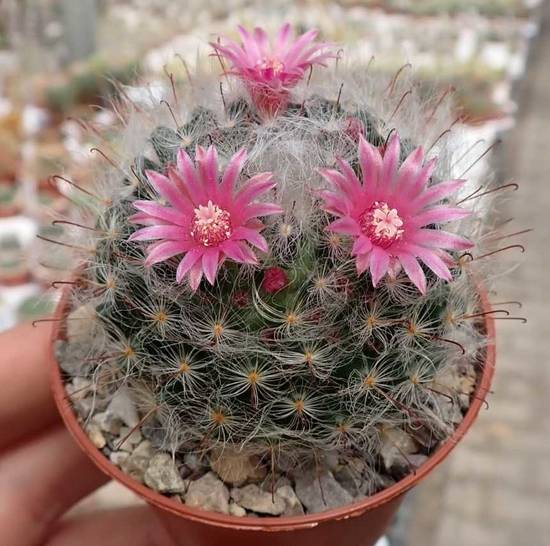
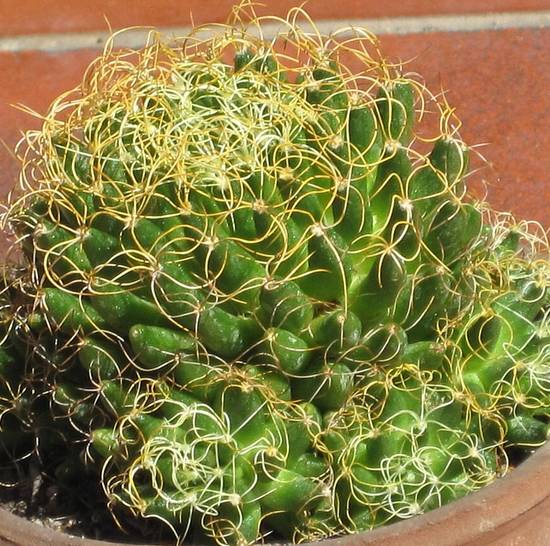
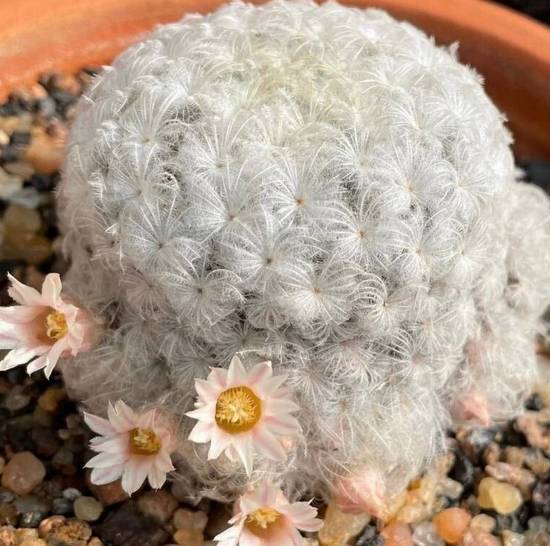
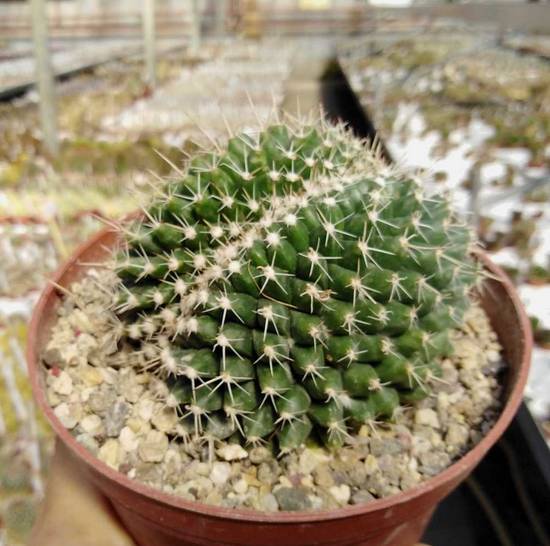
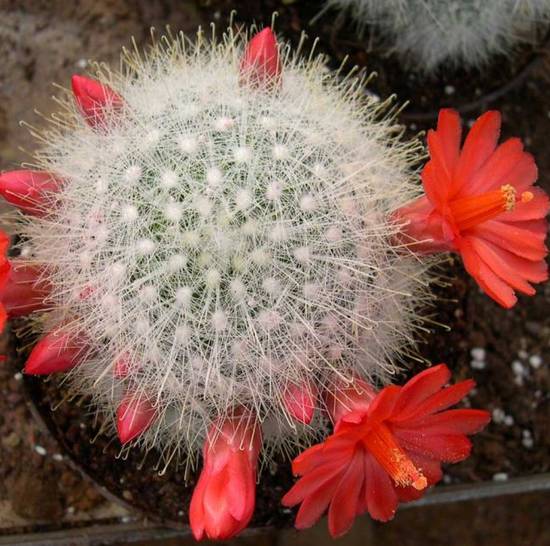
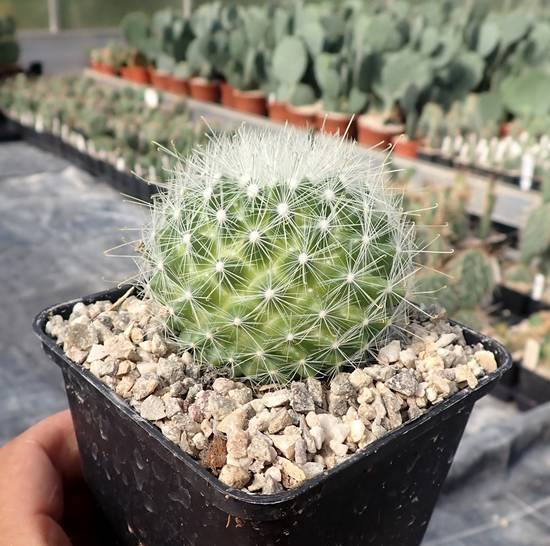
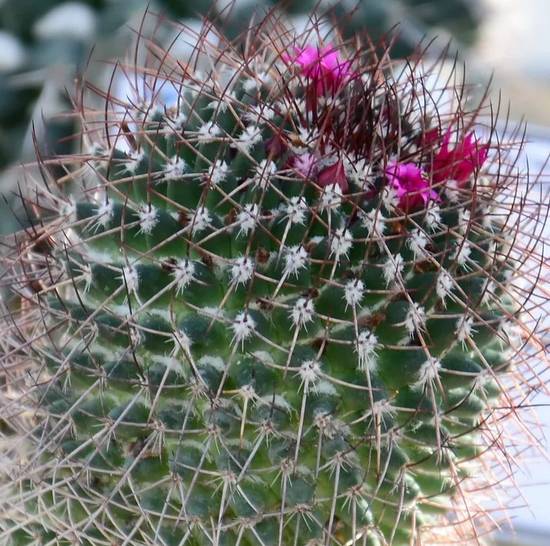
Compact yet spectacular, Mammillaria Senilis is recognized by its long white hair-like spines that veil a globular to short cylindrical body. The conical tubercles bear woolly areoles with fine radial spines and sometimes one or two stronger central ones; together they create a highly graphic silvery appearance. In pots, Mammillaria Senilis remains solitary for a long time before producing a few offsets, eventually forming low cushions perfectly suited to shallow bowls and very bright windowsills.

Under strong light and with carefully controlled watering, Mammillaria Senilis keeps a compact silhouette and dense spination. It dislikes prolonged shade, which elongates tissues, and residual moisture, which weakens the collar. The proper rhythm is to water thoroughly only when the mix is completely dry at depth, then allow it to dry fully. This alternation hardens tissues, prepares flowering and drastically reduces rot risk.

Native to the Sierra Madre Occidental in northwestern Mexico, Mammillaria Senilis colonizes rocky slopes, screes and limestone outcrops exposed to strong sunlight, cool nights and brief rains immediately drained by the soil. This ecology explains its preference for a highly mineral mix, thorough but spaced watering and a bright, dry winter rest.
To maintain a compact habit and dense “hair,” Mammillaria Senilis requires plenty of well-balanced light.

🌞 Ideal: gentle morning sun (3–5 h) + strong brightness in the afternoon; acclimate after winter.

🏠 Indoors: very bright south/east exposure or grow lights; rotate the pot regularly.
Accustomed to rare showers, Mammillaria Senilis prefers thorough but spaced watering on a mix that has dried completely at depth.

🌱 Spring/Summer: about every 10–14 days depending on heat and pot size, only if fully dry.

🍂 Winter: almost dry, bright and cool to prepare flowering.
Built for bright warmth, Mammillaria Senilis tolerates brief drops if kept dry.

🌡️ Ideal: 18–28 °C in growth; good ventilation.

❄️ Minimum: 0–5 °C dry; avoid prolonged frost in wet substrate.
To mimic its native screes, Mammillaria Senilis requires a very draining and airy mix.

🪨 Base: cactus soil heavily mineralized (sand/gravel) + drainage layer and mineral top dressing.
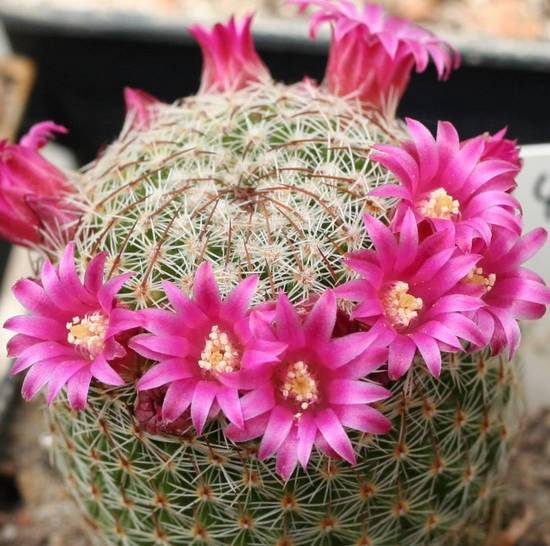
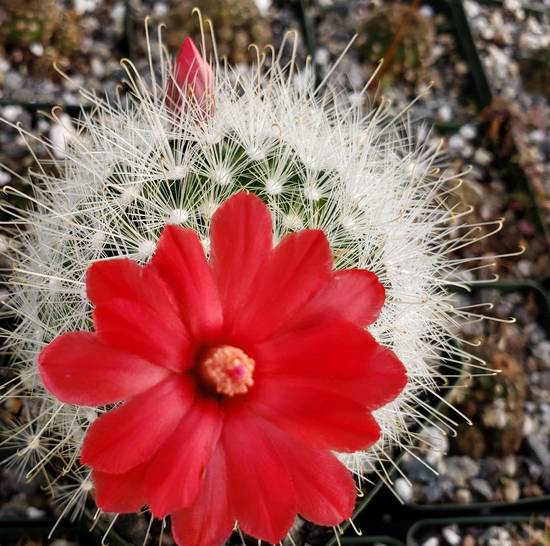
When the cycle is respected, Mammillaria Senilis crowns itself with large, highly contrasted blooms.

🌸 Period: late winter to spring, sometimes summer repeat.

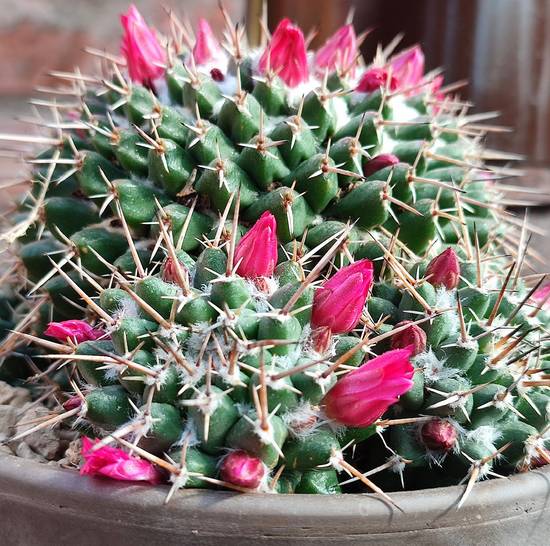
🎨 Colors: deep red to scarlet, pale center, golden-yellow anthers.

🕑 Keys: bright dry winter rest, generous light, very moderate feeding during growth.
FAQ - Mammillaria Senilis

How to keep the “hair” of Mammillaria Senilis clean and white?
Use a soft dry brush, ensure good ventilation and add discreet mulch; a well-draining cactus substrate keeps the base healthy.
What type of pot should be chosen for an adult Mammillaria Senilis?
Prefer shallow but wide terracotta, with a layer of drainage granules at the bottom to speed up drying.
Can Mammillaria Senilis be overwintered in a heated indoor space?
Yes if light is very strong (south-facing window/LED 10–12 h) and watering is almost nil; in spring, restart with very diluted succulent fertilizer.
What are the signs of water stress in Mammillaria Senilis?
Slight wrinkling signals the need for thorough watering followed by long drying; soft tissues indicate excess water. Use an airy cactus potting soil.
How to stimulate abundant flowering of Mammillaria Senilis?
Provide a bright dry rest (8–12 °C) in winter, then full sun in spring with sparing half-dose cactus fertilizer.
Can Mammillaria Senilis be grown under LED all year round?
Yes, provided there is good ventilation and watering is well spaced; keep an airy mineralized cactus substrate.
What annual care schedule should be adopted for Mammillaria Senilis?
Spring: restart and light feeding; summer: spaced watering; autumn: reduction; winter: bright dry rest. Occasional support with liquid cactus fertilizer.
How to sustainably limit mealybugs on Mammillaria Senilis?
Improve ventilation, give lukewarm showers and clean the areoles; a very diluted liquid fertilizer helps recovery after cleaning.
Seeds or cuttings: which option to propagate Mammillaria Senilis?
Seeds preserve variability of flowers and hairs; offsets clone the plant after 5–7 days of callusing, in an airy lightly watered mix.
Which mineral display enhances Mammillaria Senilis?
Combine light gravel and dark stones in a terracotta pot; a mineral mulch highlights the white fibers and keeps the crown dry.