Haworthia Retusa
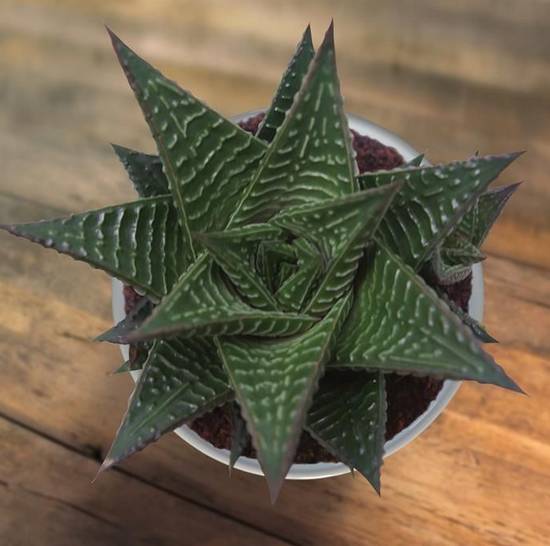
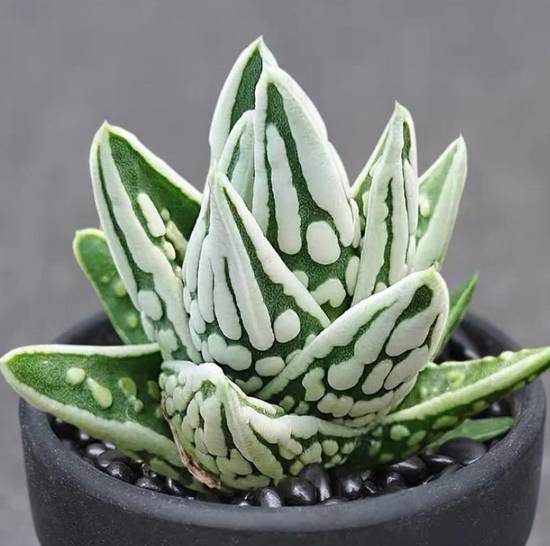
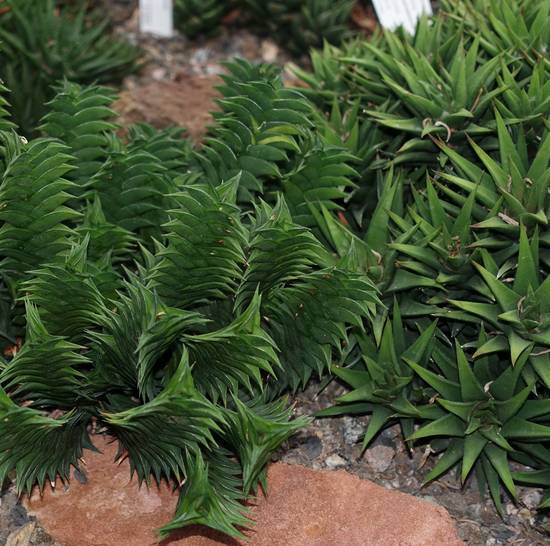
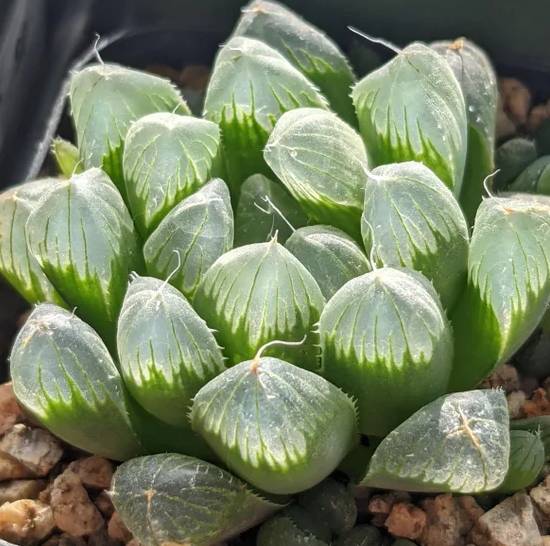
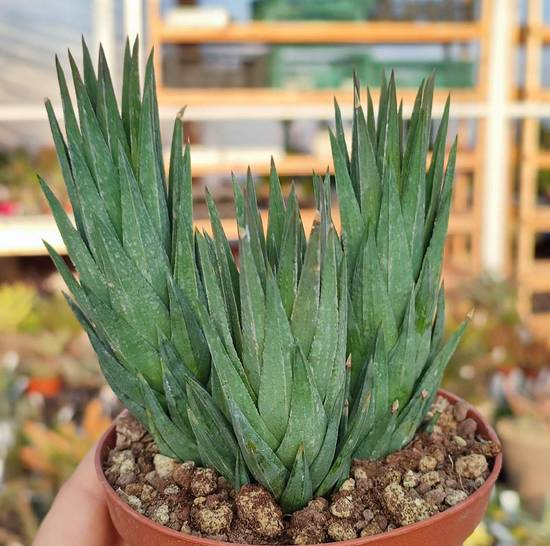
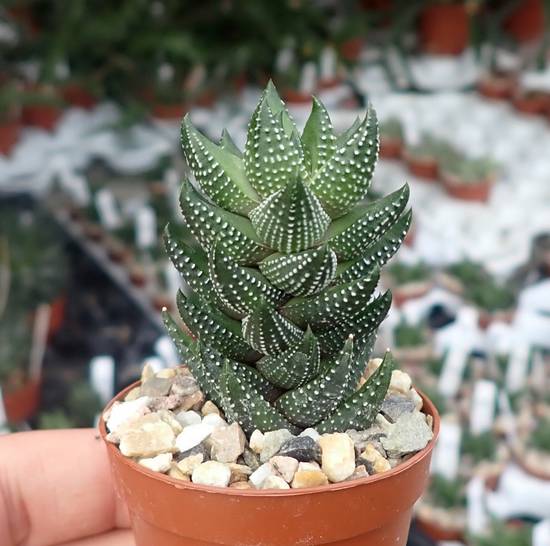
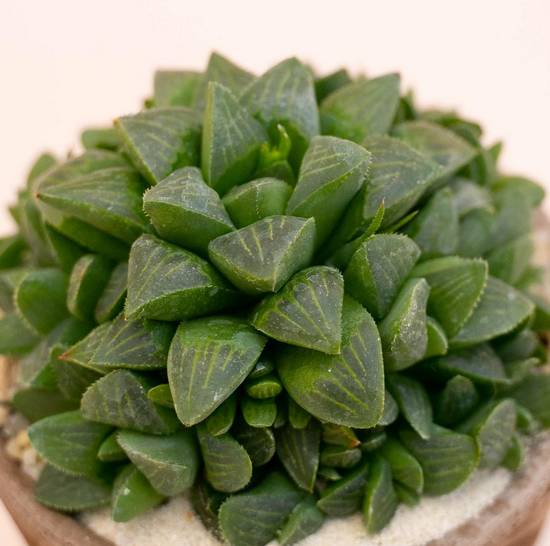
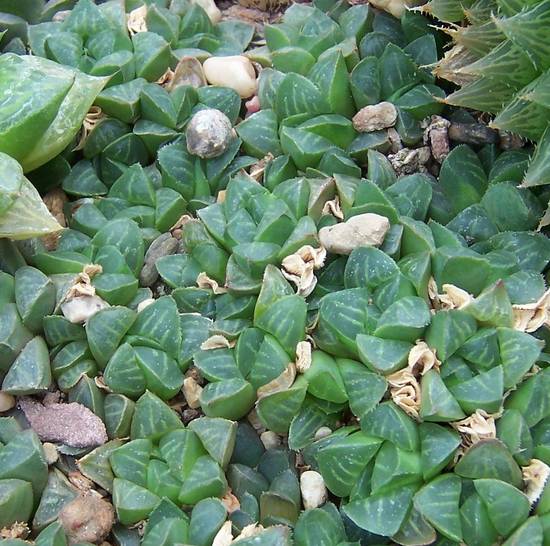
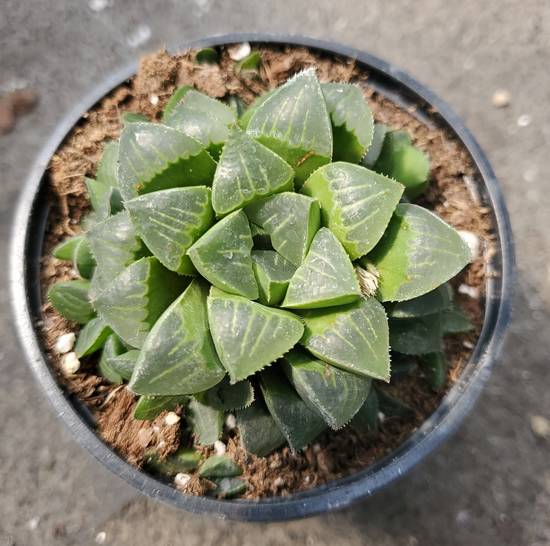
The Haworthia Retusa is a small marvel in the world of succulents, known for its translucent flattened triangular leaves that give the plant the appearance of a green star sculpted from glass. It forms compact rosettes 6 to 12 cm in diameter, composed of thick, fleshy leaves slightly curved inward. These leaves display translucent “windows” at their tips, allowing light to penetrate deeply into the plant and optimize photosynthesis even in shaded environments.
With its discreet yet refined habit, Haworthia Retusa is highly appreciated for pot cultivation, especially in small spaces, bright interiors or miniature succulent gardens. Easy to care for and drought-resistant, it suits both beginners and collectors seeking elegant shapes.
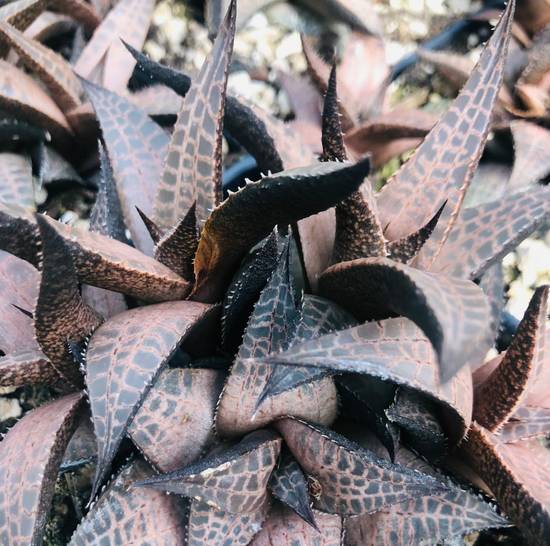
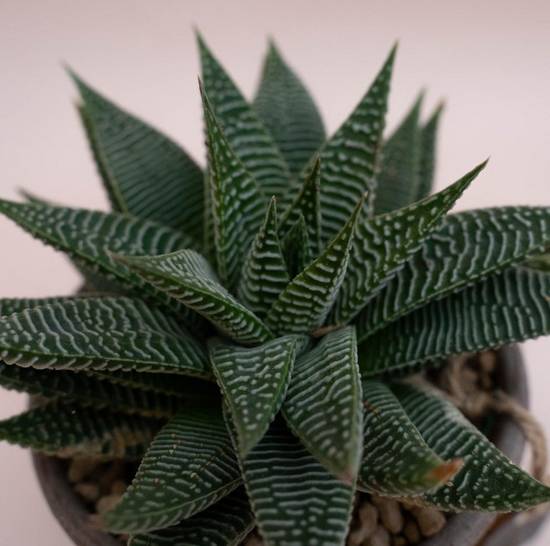
Its unique foliage, sometimes streaked or marked with subtle patterns, makes it decorative all year round. During the flowering period, it produces slender stalks bearing small greenish-white flowers.
🌤️ Partial shade or indirect light : A bright location without direct afternoon sun is ideal.
🌞 Morning light : Morning sun is well tolerated, but avoid scorching exposures in summer.
📍 Indoors : Place it near an east- or northwest-facing window with a light curtain if necessary.
💧 Growing period (spring / autumn) : Water moderately, about every 2 to 3 weeks, ensuring the substrate is completely dry.
❄️ Winter : Greatly reduce or completely stop watering if kept cool.
⚠️ Excess water is the main cause of root rot: it tolerates neglect far better than excess moisture.
🌡️ Ideal temperature : Between 18 °C and 26 °C during its active period.
❄️ Minimum tolerated : It can withstand temperatures close to 5 °C, provided the substrate is perfectly dry.
🏠 Winter advice : Place it in a bright and cool room, sheltered from cold drafts.
🪨 Optimal mix : 50% of cactus substrate, 25% perlite and 25% pozzolana.
This mix allows water to drain quickly while ensuring good root aeration.
🌸 Period : In summer, sometimes in spring depending on conditions.
🎨 Appearance : Small creamy white tubular flowers carried on a long slender stalk.
💡 It blooms especially when well rooted, kept dry in winter and exposed to soft light.