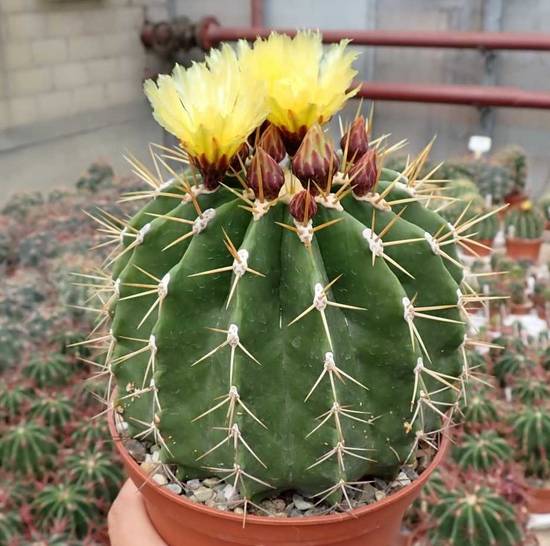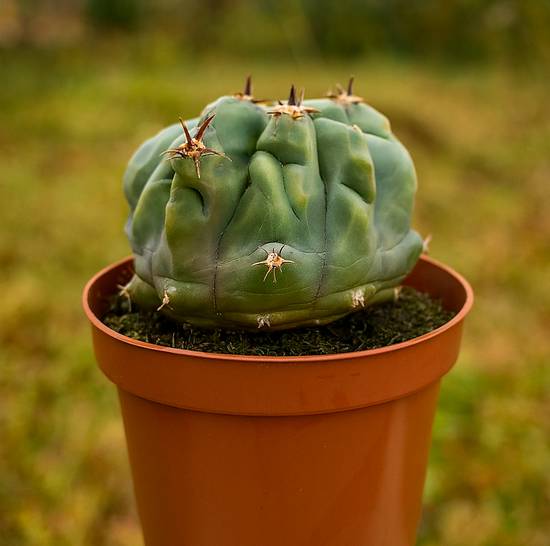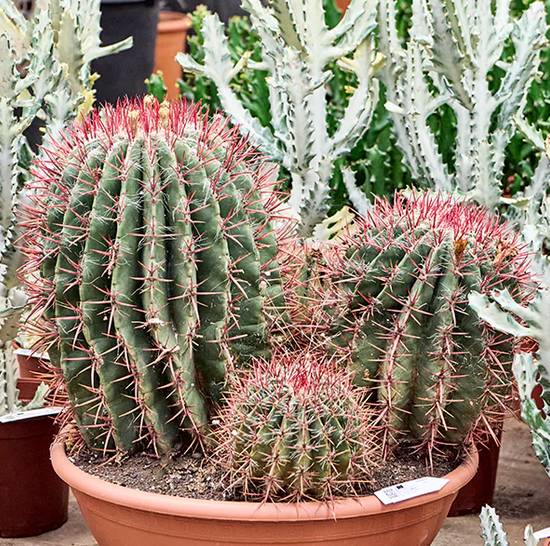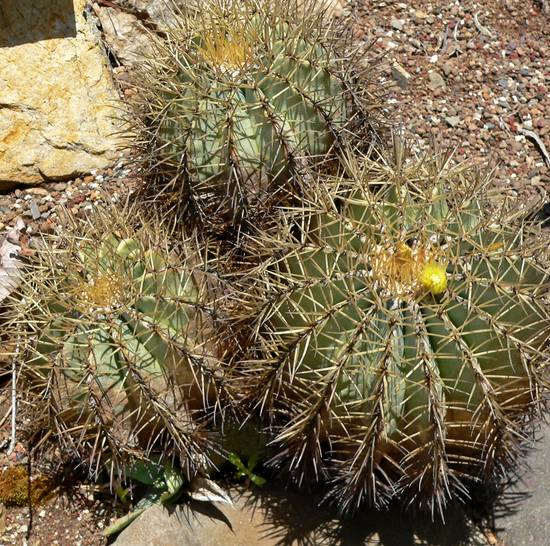
Ferocactus Wislizeni
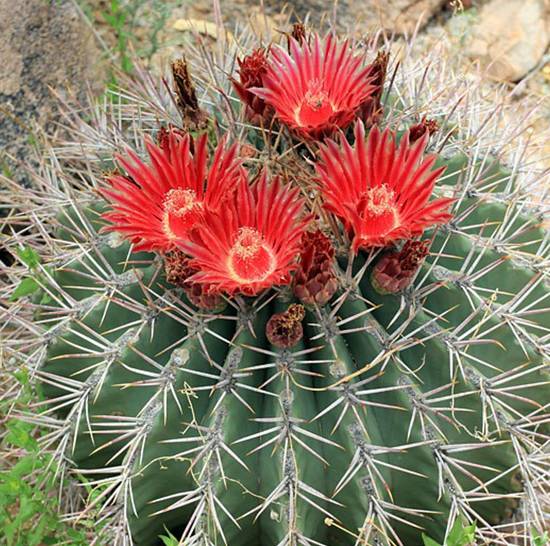
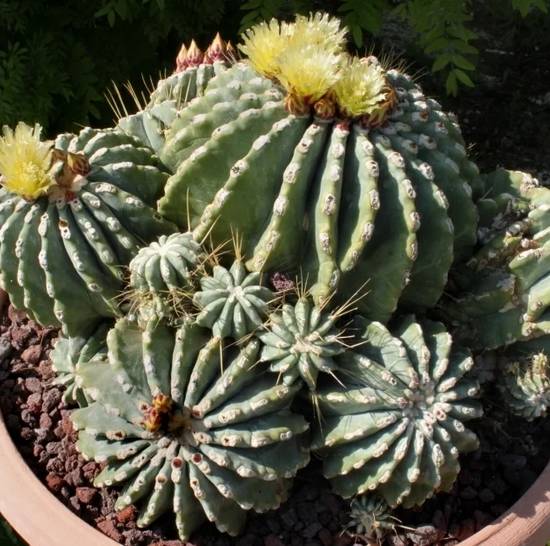
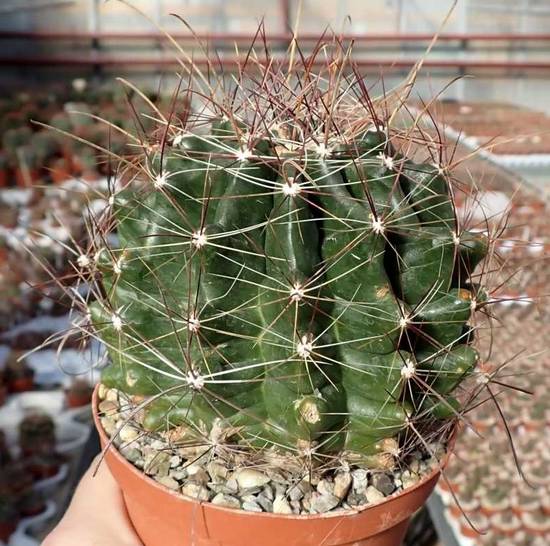
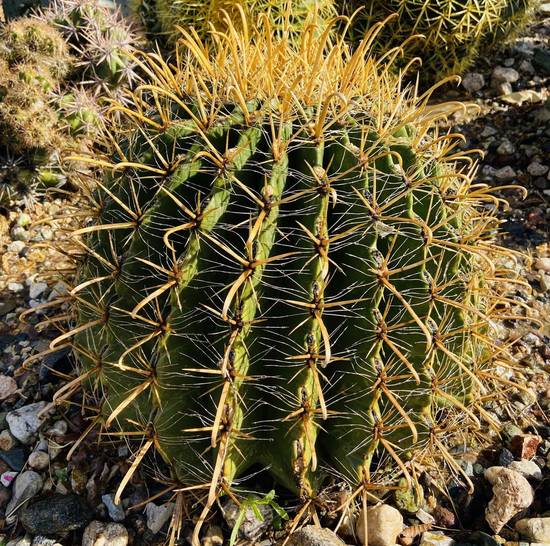
The Ferocactus Wislizeni, sometimes nicknamed the “desert barrel,” is an impressive species native to the arid regions of the southwestern United States and northern Mexico. This iconic plant is known for its globular to cylindrical shape, strongly marked ribs, and long, hooked spines that are often reddish or yellowish, giving it a fierce and majestic appearance.
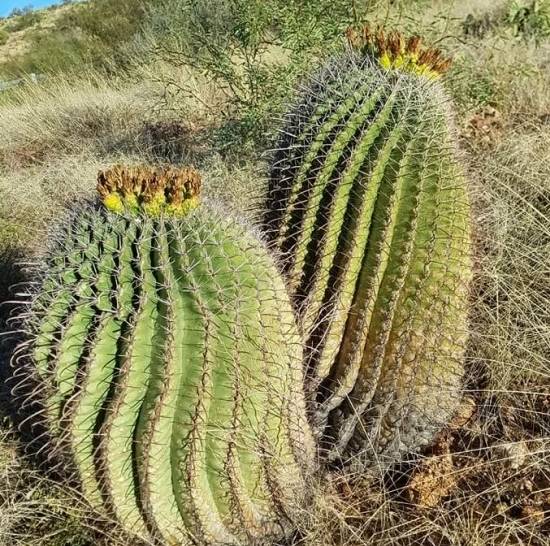
At maturity, this cactus can reach up to 1.5 meters in height, or even more in its natural habitat. In cultivation, it usually remains more compact, yet always spectacular in presence. It is not uncommon to find century-old specimens in botanical gardens. Its imposing silhouette makes it a true vegetal totem in any serious cactus collection.
In the wild, the Ferocactus Wislizeni grows on rocky, sometimes sloping ground, often facing full south. It is perfectly adapted to extreme conditions: prolonged drought, high temperatures, and intense sunlight. This cactus is a lesson in resilience all by itself.
To thrive, this cactus needs plenty of light:
🌞 Full sun recommended: place it in a very sunny spot, even in summer. It easily tolerates 6 to 8 hours of direct sunlight per day.
🏜️ Outdoors: ideal on a south-facing terrace or in a warm, well-ventilated greenhouse.
⚠️ Indoors: choose a south-facing bay window. Be careful with overly dark winters, which can greatly slow growth and cause etiolation.
🌞 Full sun recommended: place it in a very sunny spot, even in summer. It easily tolerates 6 to 8 hours of direct sunlight per day.
🏜️ Outdoors: ideal on a south-facing terrace or in a warm, well-ventilated greenhouse.
⚠️ Indoors: choose a south-facing bay window. Be careful with overly dark winters, which can greatly slow growth and cause etiolation.
Like many desert cacti, the Ferocactus Wislizeni follows a well-defined rhythm:
🌱 From May to September: water moderately every 15 to 20 days, allowing the substrate to dry completely between waterings. Preferably use non-calcareous water.
❄️ From October to March: keep the plant in dry rest. No watering is necessary unless visible shriveling occurs.
💡 Excess moisture can cause collar rot. A slightly wrinkled cactus is always better than a fatal watering.
🌱 From May to September: water moderately every 15 to 20 days, allowing the substrate to dry completely between waterings. Preferably use non-calcareous water.
❄️ From October to March: keep the plant in dry rest. No watering is necessary unless visible shriveling occurs.
💡 Excess moisture can cause collar rot. A slightly wrinkled cactus is always better than a fatal watering.
This cactus tolerates summer heat very well but requires slight cooling in winter to induce flowering:
🔥 Summer: 25 to 35°C is ideal, provided there is good air circulation.
❄️ Winter: between 5°C and 10°C. Light frost (down to -2°C max) is sometimes tolerated if the soil is perfectly dry.
🏠 Indoors, avoid overheated locations. Choose a windowsill away from radiators.
🔥 Summer: 25 to 35°C is ideal, provided there is good air circulation.
❄️ Winter: between 5°C and 10°C. Light frost (down to -2°C max) is sometimes tolerated if the soil is perfectly dry.
🏠 Indoors, avoid overheated locations. Choose a windowsill away from radiators.
The Ferocactus Wislizeni hates stagnant moisture. It needs a dry, mineral, and very well-draining substrate:
🪨 Ideal mix: 50% cactus soil + 25% perlite + 25% pumice
This type of soil ensures rapid water drainage and limits the risk of rot. You can also add a layer of gravel at the bottom of the pot to improve drainage.
🪨 Ideal mix: 50% cactus soil + 25% perlite + 25% pumice
This type of soil ensures rapid water drainage and limits the risk of rot. You can also add a layer of gravel at the bottom of the pot to improve drainage.
The flowering of the Ferocactus Wislizeni is spectacular:
🎯 Period: usually between July and September, sometimes earlier if winter included a cool resting period.
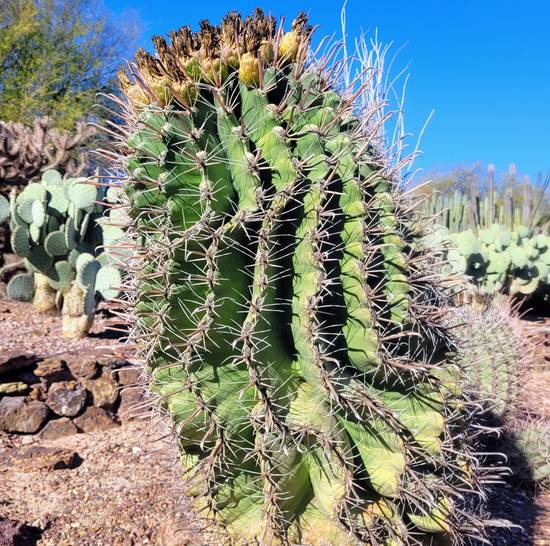
🎨 Flowers: large, funnel-shaped, in shades of yellow, orange, or red. They appear in a crown at the top of the cactus.
🌟 Duration: only a few days, but several waves of flowering may occur during the season.
💡 The cactus must be sufficiently mature (often after 7 to 10 years) to flower, and a cool winter dormancy is essential to trigger blooming.
🎯 Period: usually between July and September, sometimes earlier if winter included a cool resting period.
🎨 Flowers: large, funnel-shaped, in shades of yellow, orange, or red. They appear in a crown at the top of the cactus.
🌟 Duration: only a few days, but several waves of flowering may occur during the season.
💡 The cactus must be sufficiently mature (often after 7 to 10 years) to flower, and a cool winter dormancy is essential to trigger blooming.
FAQ - Ferocactus Wislizeni
How can I tell if my Ferocactus Wislizeni has received too much or too little water?
An overwatered Ferocactus Wislizeni becomes soft at the base, while lack of water shows as slight wrinkling. When in doubt, let it dry for several weeks before watering again.
When is the best time to repot Ferocactus Wislizeni?
Repot in spring using a suitable potting mix and add pumice to optimize drainage.
What type of fertilizer should be used for Ferocactus Wislizeni?
Use a special cactus fertilizer once a month during the growing season.
Can Ferocactus Wislizeni live indoors?
Yes, provided it benefits from very bright exposure. Choose a south-facing bay window and avoid heated rooms in winter.
Can Ferocactus Wislizeni tolerate frost?
It can tolerate very brief dry frosts, but it is preferable to overwinter it in a bright place between 5 and 10°C.
Why does my Ferocactus Wislizeni turn red in the sun?
This phenomenon is natural and linked to anthocyanin production. It serves as sun protection and is not harmful.
How can I encourage Ferocactus Wislizeni to bloom?
Provide a winter rest at 5–10°C without watering, then increase sunlight in spring. Apply a suitable fertilizer.
Can Ferocactus Wislizeni be propagated by cuttings?
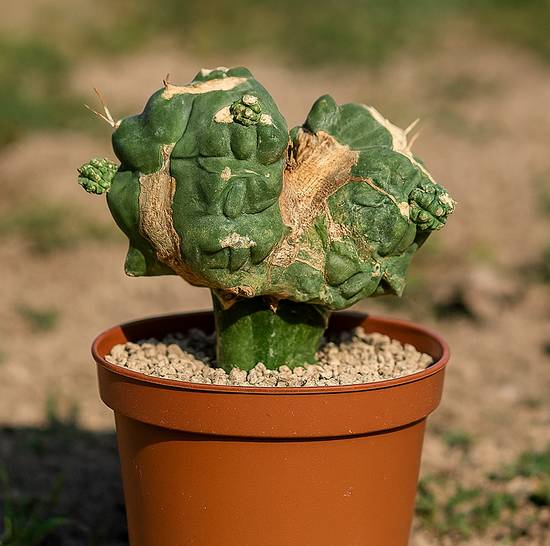
Propagation is mainly done by seeds. Crested forms can sometimes be propagated from offsets.
How often should Ferocactus Wislizeni be watered in summer?
In summer, water every 2 to 3 weeks, allowing the substrate to dry thoroughly between waterings. Never leave standing water.
What substrate should be used for Ferocactus Wislizeni?
A mix of special cactus potting soil, perlite, and pumice is ideal to guarantee excellent aeration.