Dyckia Brittle Star
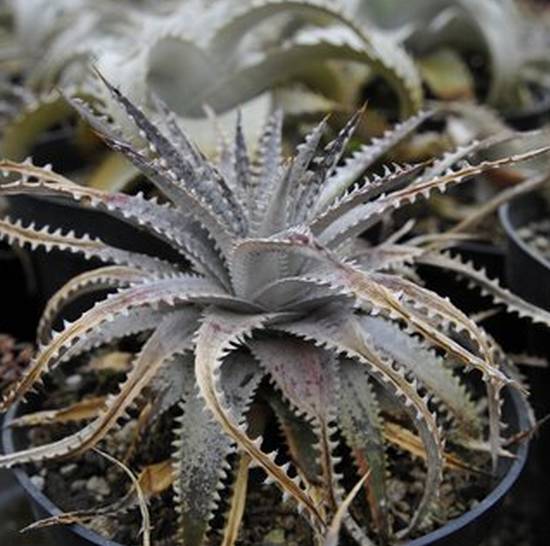
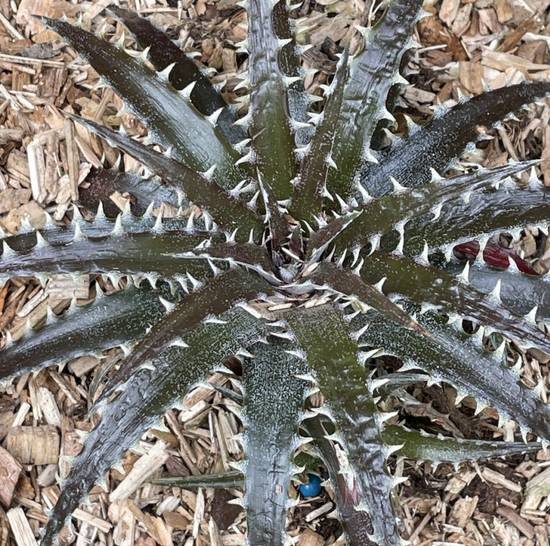
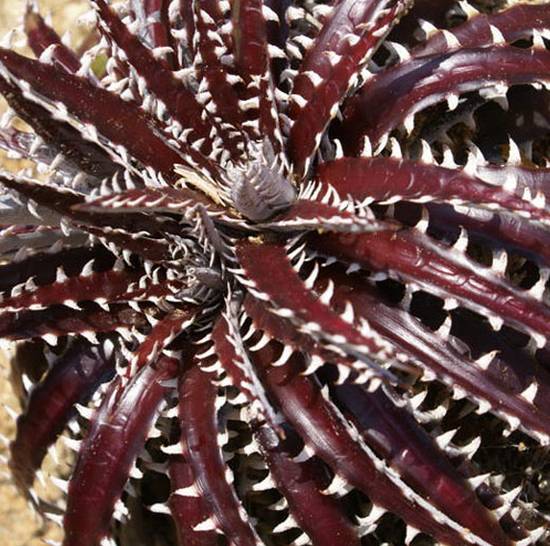
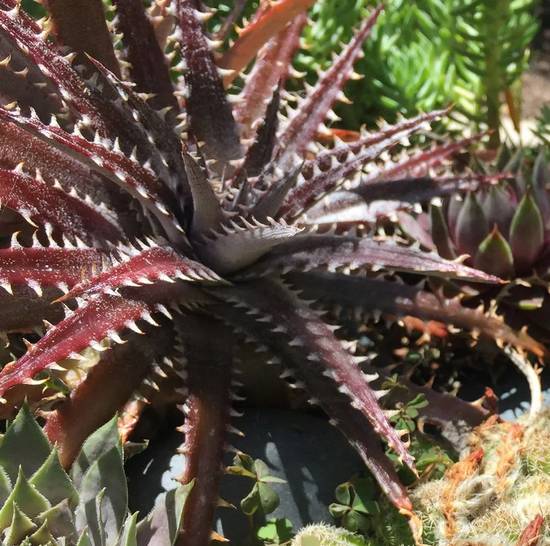
The Dyckia Brittle Star is a fascinating succulent plant belonging to the Bromeliaceae family. Native to Brazil, this hybrid cultivar stands out for its rustic, graphic appearance. Its dense rosette form and rigid leaves armed with sharp teeth give it an almost “armored” look, reminiscent of a vegetal star resting on arid ground. Highly prized by collectors, this Dyckia combines robustness, ease of care and a strikingly primitive beauty.
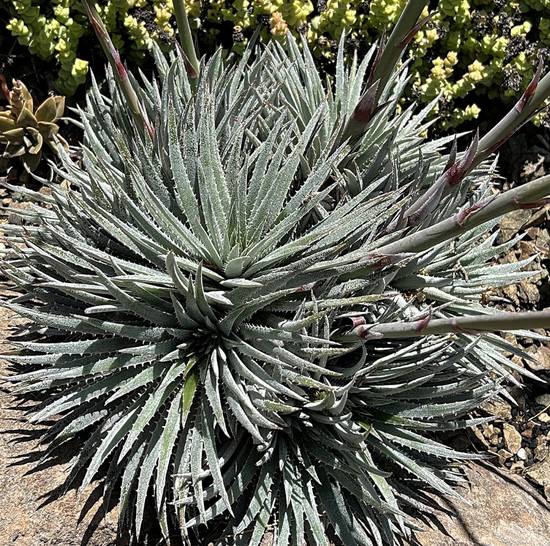
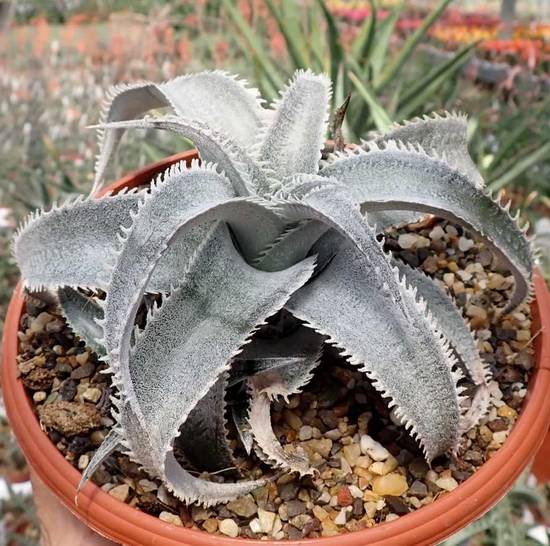
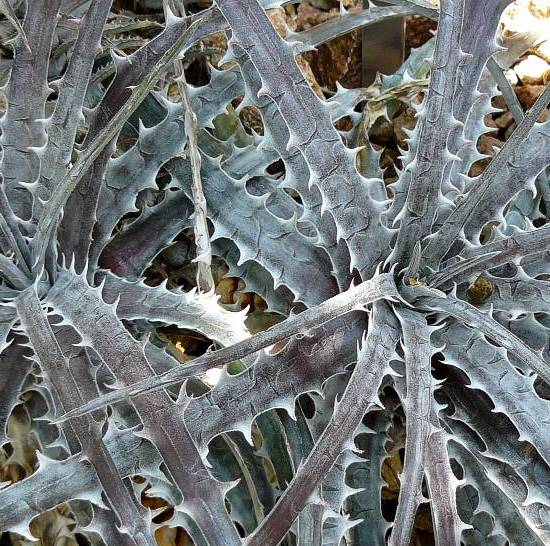
Its lance-shaped leaves, often silvery gray or metallic, are covered with a subtle white bloom that further enhances the contrast with the elongated serrated teeth along the edges. This combination of metallic tones and formidable spines inspired the name “Brittle Star,” in reference to a type of starfish whose shape it resembles.
Slow-growing, this plant gradually forms highly graphic clumps that evoke a miniature desert landscape. Unlike many succulents, the Dyckia tolerates extreme heat and direct sunlight very well. It also adapts perfectly to container culture, rock gardens or dry landscapes, as long as drainage is excellent.
This origin has endowed it with exceptional resilience, particularly against drought and very poor mineral soils.
🌤️ Outdoors: Full sun or light partial shade. It easily tolerates intense summer sun.
🏠 Indoors: Place as close as possible to a very bright window (south or west exposure). It can also spend summer outdoors and be brought inside before the first frosts.
💦 Spring / summer: Water once the substrate is completely dry, about every 10 to 15 days.
❄️ Autumn / winter: Greatly reduce watering, spacing it out to once a month or less. Excess water during cold periods is one of the few causes of rot.
🌡️ Ideal range: Between 15 and 30 °C.
❄️ Minimum threshold: -2 to -4 °C in dry, well-drained soil. In pots, it is best not to drop below 0 °C.
💡 Tip: A cool, dry winter rest helps strengthen the plant and improve future flowering.
🪨 Ideal mix: 40% cactus potting soil, 30% coarse sand or pumice, and 30% perlite or similar mineral component.
🪴 Adding a mineral top dressing helps limit evaporation during summer.
📅 Period: Between May and July.
🌼 Flowers: Orange-red, tubular, borne on a tall, elegant vertical flower stalk.
🌿 Tip: A dry winter rest followed by moderate feeding in spring encourages flowering.