Astrophytum Asterias

Astrophytum Asterias

Astrophytum Asterias

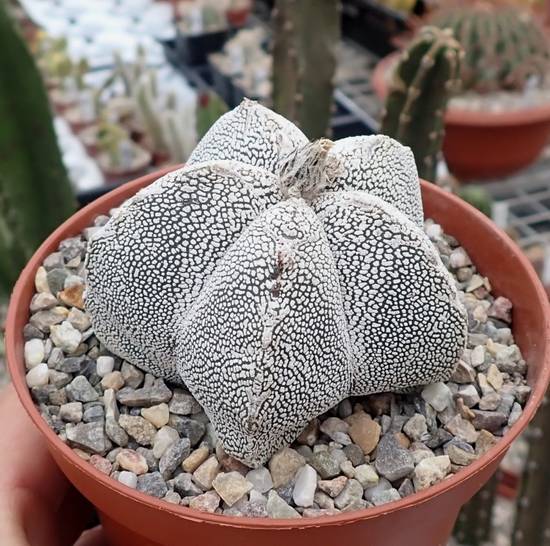
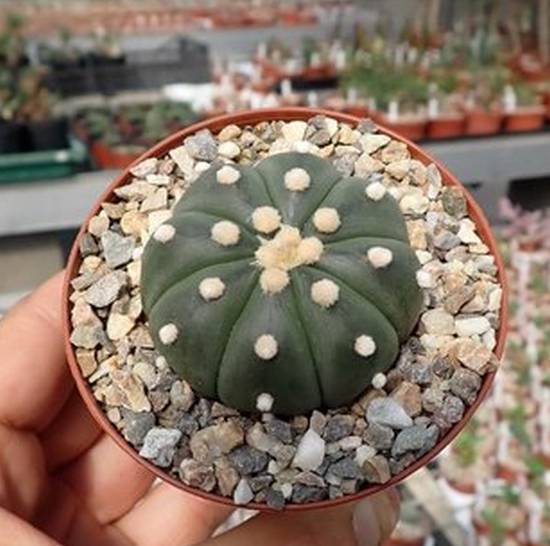
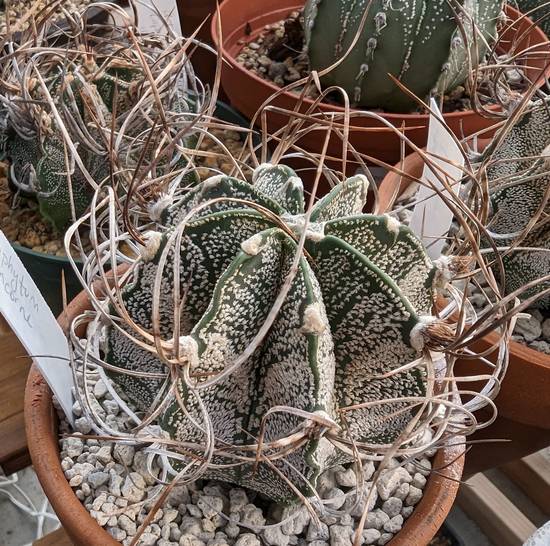
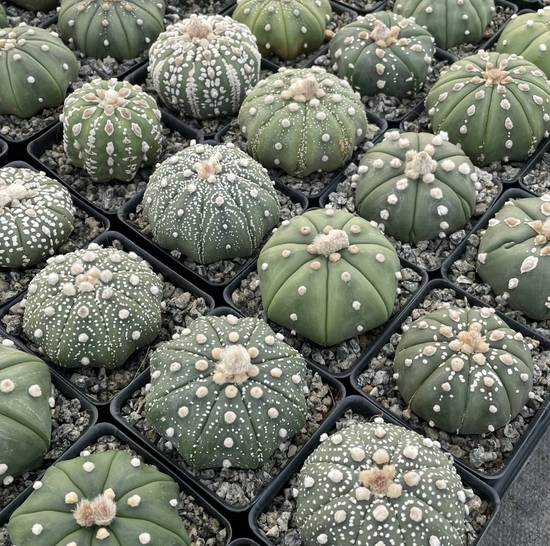
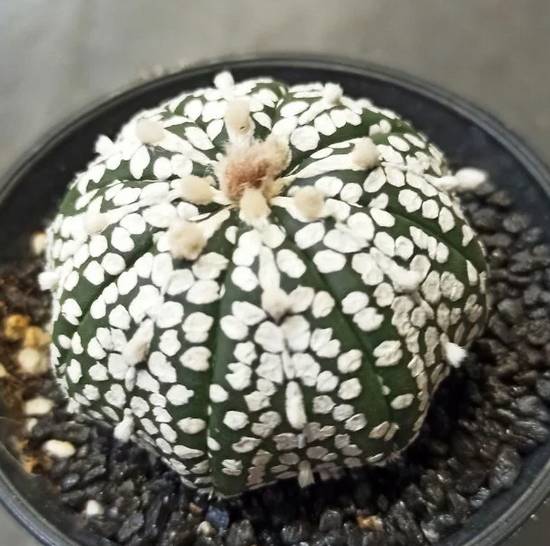
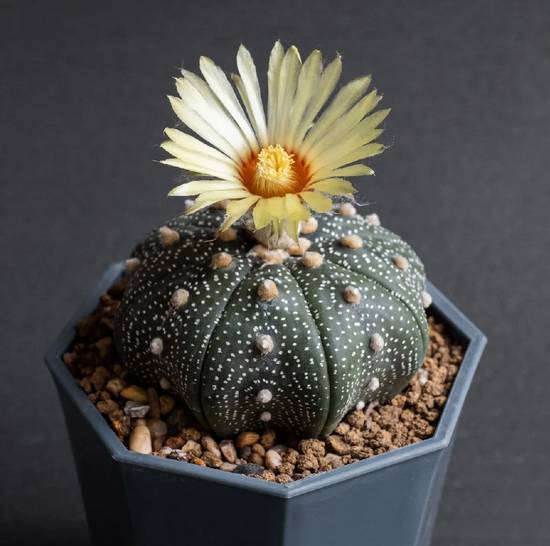
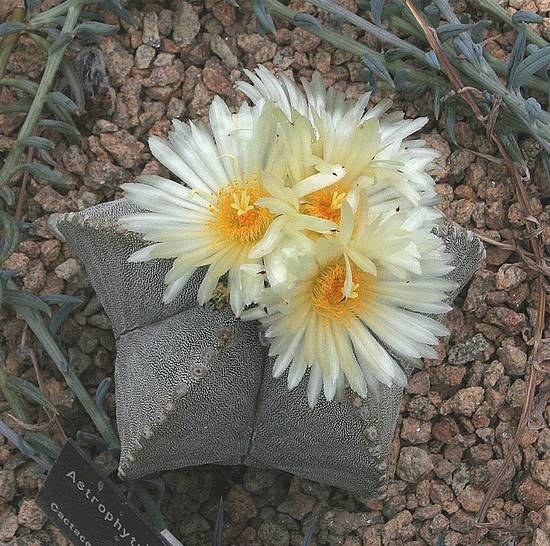
The Astrophytum Asterias is a true star among cacti. Also known as the “sea urchin cactus” or “sand dollar cactus,” this spineless succulent fascinates plant lovers with its perfectly symmetrical shape and almost extraterrestrial appearance. Flat, round, and ribbed like a star-shaped cake, this small cactus is one of the most sought-after for collections.

Its ribs are adorned with rows of small white tufts called trichomes, resembling frost marks. These spots are actually an adaptation to sunlight, helping the plant reflect light in the arid environments from which it originates.

Its unique aesthetic makes it a centerpiece in any cactus garden or succulent collection. Compact and discreet, it is also perfect for pot cultivation in a bright apartment.

The Astrophytum Asterias is native to northeastern Mexico (notably Tamaulipas and Nuevo León) and southern Texas. It grows in semi-desert plains, often hidden among dry grasses or under small stones.

Threatened in its natural habitat by illegal collection and urbanization, it is now protected. Fortunately, nursery cultivation is well established, allowing it to be grown without impacting wild populations.
The Astrophytum Asterias needs good sunlight, but in moderation:

🌤️ Bright light: Place it in filtered full sun or a southeast-facing exposure.

🌱 Avoid harsh sun in midsummer, which can cause burns on its sensitive tissues.

💡 Tip: if grown behind glass, avoid direct sun during the hottest hours.
This cactus requires special attention to watering:

🫧 Spring / Summer: Water moderately every 15 to 20 days. Always allow the substrate to dry completely before watering again.

❄️ Autumn / Winter: Completely stop watering from October to March. Excess water during cold periods causes rapid rot.

⚠️ Crucial tip: It is better to miss a watering than to overwater. Astrophytum asterias tolerates drought very well.
🔥 Growth temperature: 20 to 30°C

❄️ Minimum tolerated: 5°C (provided the substrate is perfectly dry)

🏠 Recommended wintering: between 5 and 10°C, in a dry, bright and well-ventilated place
The Astrophytum asterias is extremely sensitive to stagnant moisture:

🪨 Recommended substrate: mix of cactus potting soil with pumice or pozzolana at 50–70%.

⚠️ Never use pots without drainage holes!
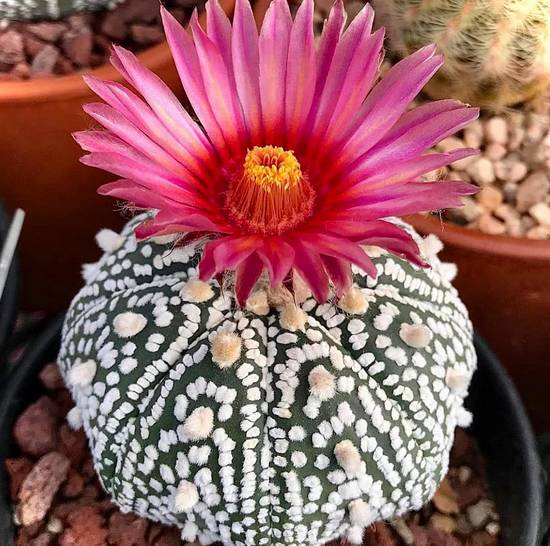
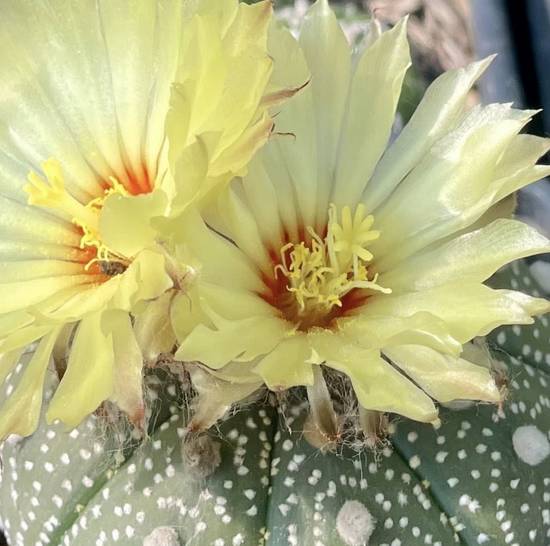
The flowers of the Astrophytum Asterias are spectacular in contrast to its discreet body:

🌼 Season: late spring to summer

🎨 Color: bright yellow with a red center

🕑 Duration: 2 to 4 days

📍 Condition: a mature plant, good sunlight and slight water stress are required to trigger flowering.
FAQ - Astrophytum Asterias

How do I know if Astrophytum Asterias needs water?
A dehydrated Astrophytum Asterias shows sunken ribs, a duller color, and loses its white tufts. Water sparingly once the substrate is completely dry.
How to recognize excess moisture in Astrophytum Asterias?
Signs include a soft, spotted, or yellow body. Repot in a very well-draining substrate such as pumice and stop watering.
What is the best fertilizer for Astrophytum Asterias?
A liquid fertilizer low in nitrogen, applied every two months in summer, is enough to stimulate flowering.
Can I place my Astrophytum Asterias outdoors?
Yes, provided you avoid rain and cold nights. A sheltered sunny exposure is ideal from spring onward.
What is the adult size of Astrophytum Asterias?
It reaches 5 to 8 cm in diameter at maturity. Compact, it is suitable for pots and small spaces.
Is Astrophytum Asterias easy to grow?
Yes, for careful growers: sun, warmth, and well-draining cactus potting soil are essential.
Should Astrophytum Asterias be repotted often?
Every 2–3 years, once the pot becomes too tight. Use a mix of cactus potting soil and pozzolana.
Why does Astrophytum Asterias not bloom?
It must be mature, well exposed, and slightly stressed by lack of water in spring to trigger flowering.
Which pests attack Astrophytum Asterias?
Mealybugs. Treat with diluted alcohol and monitor the white tufts.
Can Astrophytum Asterias be propagated easily?
No, only by sowing, which requires patience and stable conditions. It does not produce offsets.