Aeonium Medusa

Aeonium Medusa
Aeonium Medusa
Aeonium Medusa

Aeonium Medusa

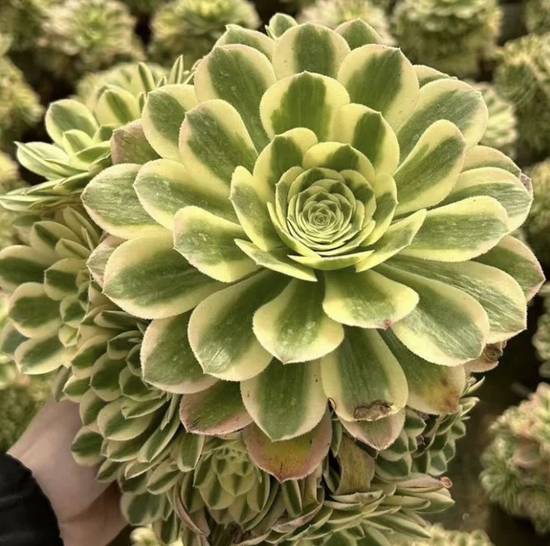
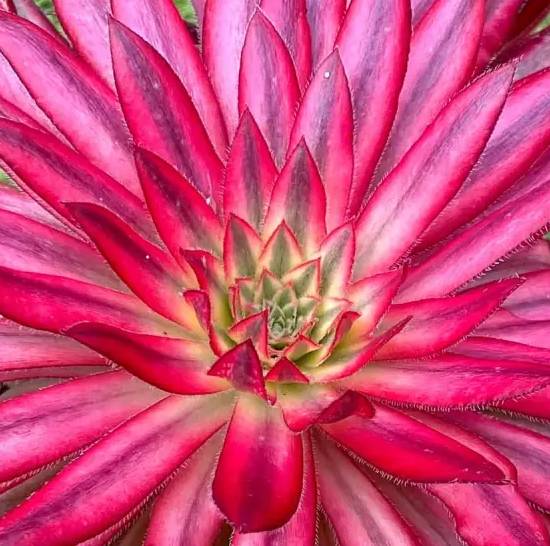
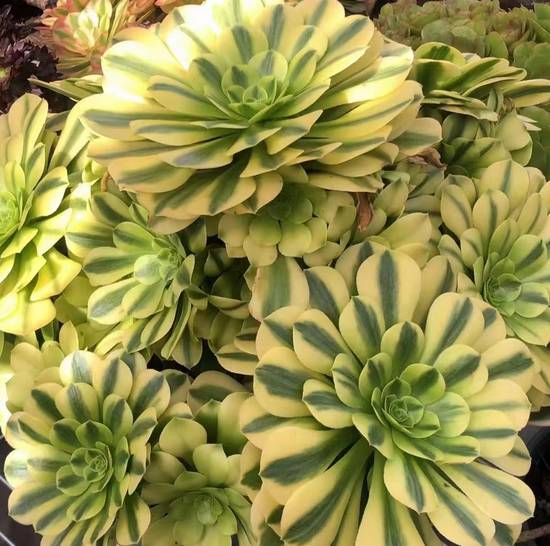
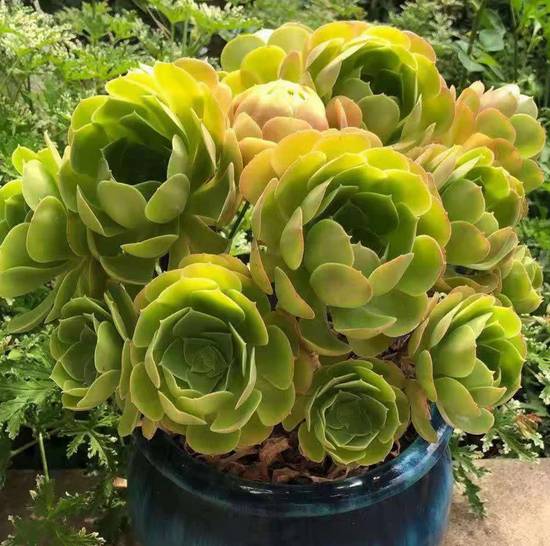
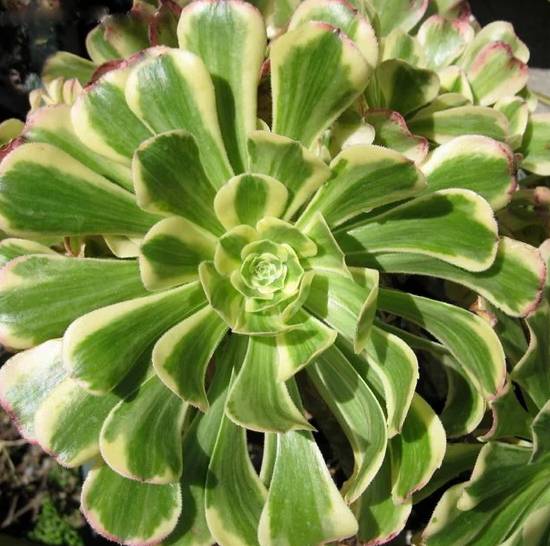
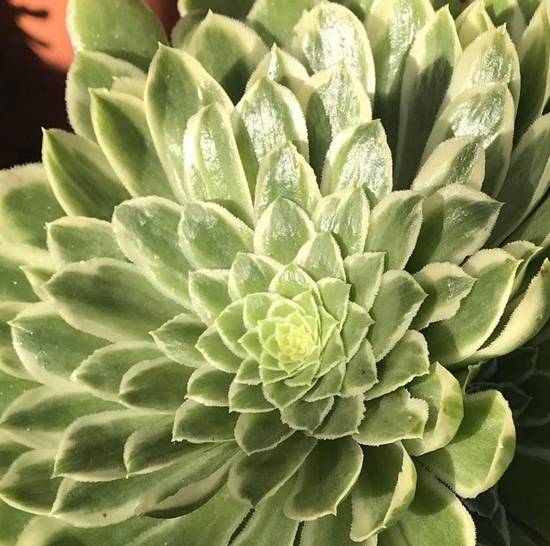
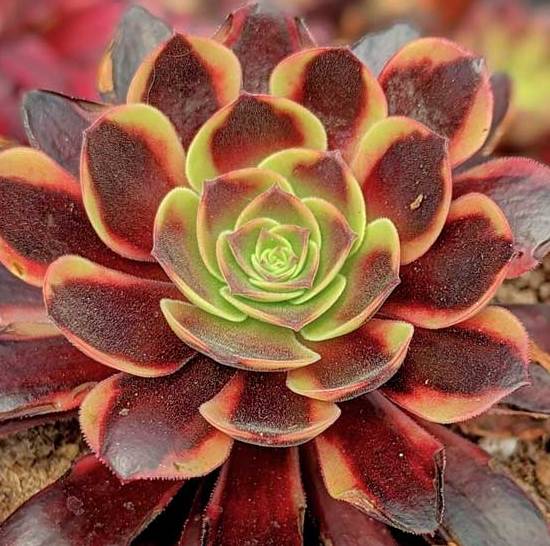
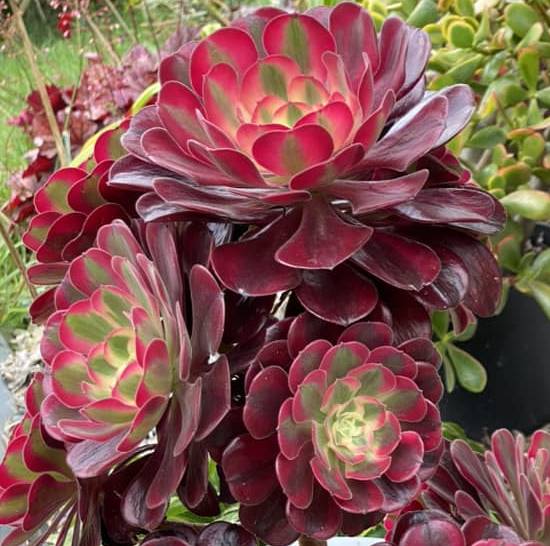
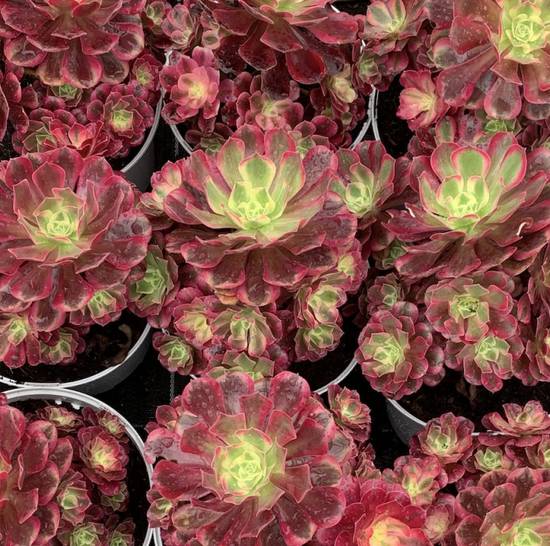
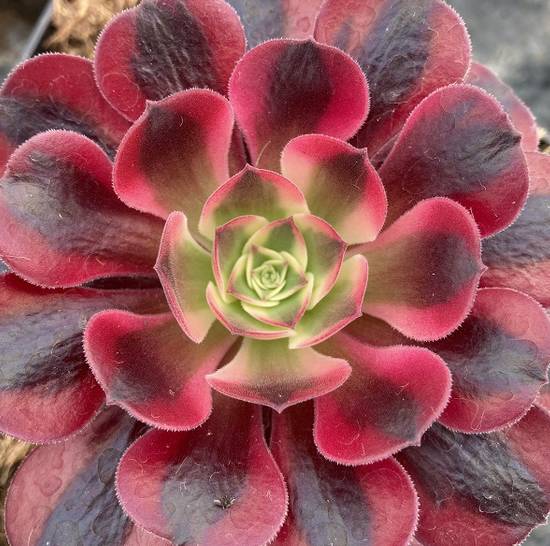
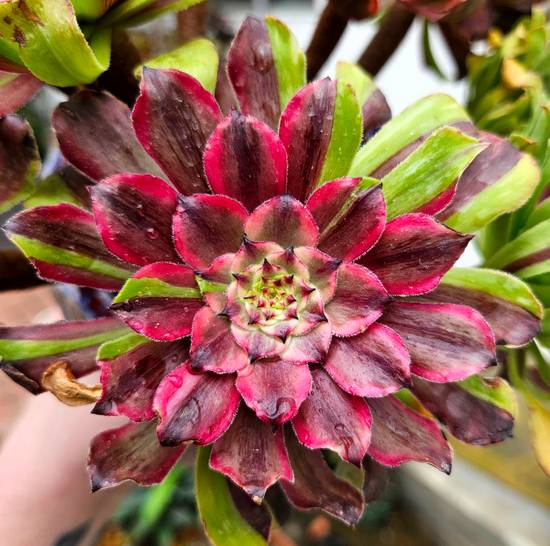
The Aeonium Medusa is a spectacular cultivar whose name immediately evokes myth and mystery. This hybrid succulent captivates with its rich dark foliage and mesmerizing spiral rosettes. The thick, fleshy leaves range from deep green to nearly black-purple, with metallic reflections that vary according to light exposure. Their arrangement recalls the serpents of the mythical Medusa, giving the plant an elegant yet dramatic silhouette.

Its bushy habit develops from thick, branching stems, each bearing a rosette up to 20 cm in diameter. Aeonium Medusa brings strong graphic presence to plant compositions. Ideal for contemporary gardens, mineral terraces, or decorative indoor pots, it grows actively in spring and autumn and enters summer dormancy to protect itself from heat.

Aeonium Medusa does not exist in the wild: it is a horticultural selection. However, it originates from species native to the Canary Islands, an archipelago famous for its succulent biodiversity. Aeoniums grow there on volcanic soils under extreme light and drought conditions, shaping their resilience—traits also found in Aeonium Medusa.
To maintain compact growth and intense colors, Aeonium Medusa needs good sunlight:

☀️ Outdoors: Full sun or bright partial shade.

⛱️ Protection: Shield from intense midday summer sun.

🏠 Indoors: Place near a south- or west-facing window.
Like all succulents, Aeonium Medusa prefers spaced watering:

🌱 Spring/autumn: Every 10–15 days when soil is completely dry.

🌞 Summer: Very light or no watering.

❄️ Winter: Every 3–4 weeks depending on conditions.

⚠️ Overwatering is the main risk.
Aeonium Medusa is not frost-hardy:

🌡️ Ideal: 15–25 °C.

❄️ Minimum: 5 °C in dry conditions. Avoid frost.
🪨 Well-draining soil is mandatory:

Cactus substrate amended with perlite or pumice. Avoid poorly drained peat-based mixes.
Flowering is rare but striking:

📅 Period: Late winter or early spring.

🌼 Flowers: Small pale yellow star-shaped blooms in upright inflorescences.

🔁 Monocarpic rosette replaced by offsets.
FAQ - Aeonium Medusa

Does Aeonium Medusa grow quickly?
Its growth is moderate, mainly active in spring and autumn. In summer, it naturally enters dormancy.
Can Aeonium Medusa be grown indoors?
Yes, provided it receives strong light. A well-exposed window is ideal to maintain compact and colorful foliage.
How can I prevent my Aeonium Medusa from becoming leggy?
Lack of light causes stem elongation. Place the plant in full sun (or behind a bright window) and reduce watering.
How can I tell if I am overwatering my Aeonium Medusa?
Soft, blackened, or falling leaves are signs of excess water. Always wait until the substrate is completely dry before watering.
What is the best substrate for Aeonium Medusa?
A very well-draining mix based on cactus substrate enriched with pumice or perlite is ideal.
Should Aeonium Medusa be pruned?
It is not necessary, but you can cut overly long rosettes to encourage branching or take cuttings.
What fertilizer should be used?
A low-nitrogen succulent fertilizer applied every 3 to 4 weeks during the growing season is sufficient.
Is Aeonium Medusa hardy?
No, it does not tolerate frost. Bring it indoors when temperatures drop below 5 °C.
How should it be repotted?
Repot every 2 years in spring. Use a pot with drainage holes and a well-draining substrate.
Can it flower in a pot?
Yes, but rarely. It requires an older, well-grown specimen and slight water stress to trigger flowering.