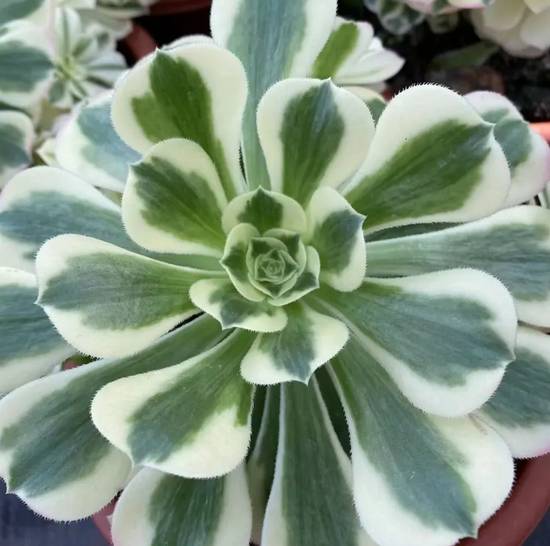
Aeonium Maybach

Aeonium Maybach
Aeonium Maybach

Aeonium Maybach

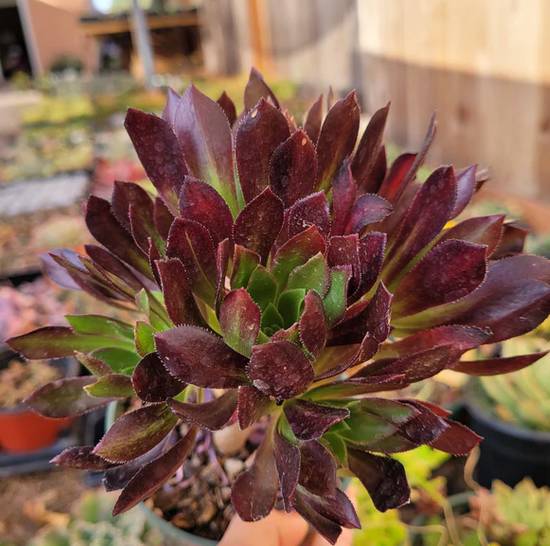
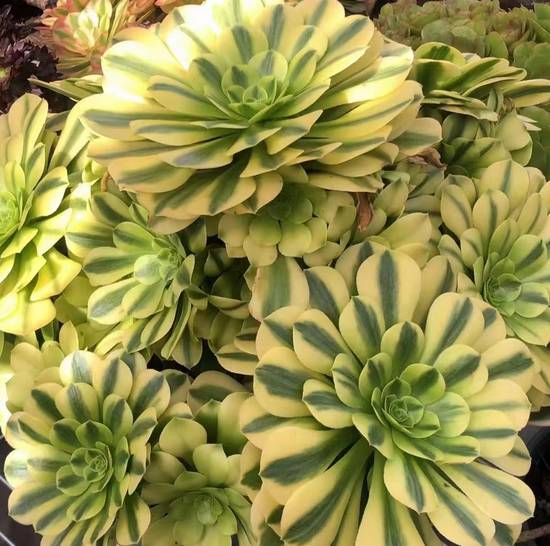
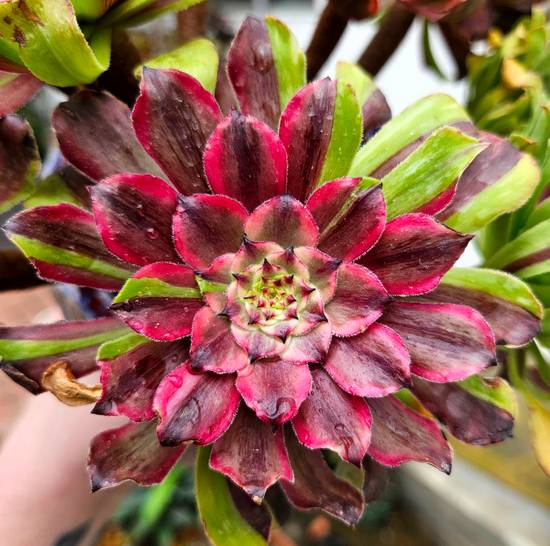
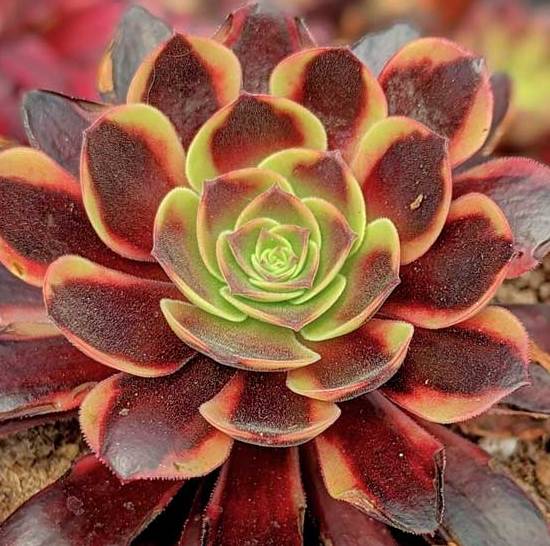
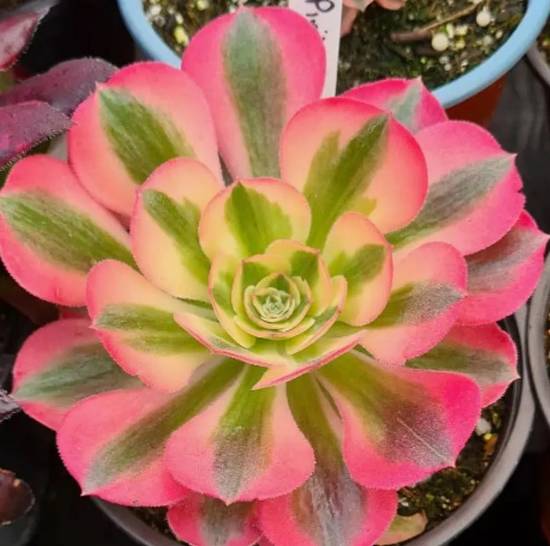
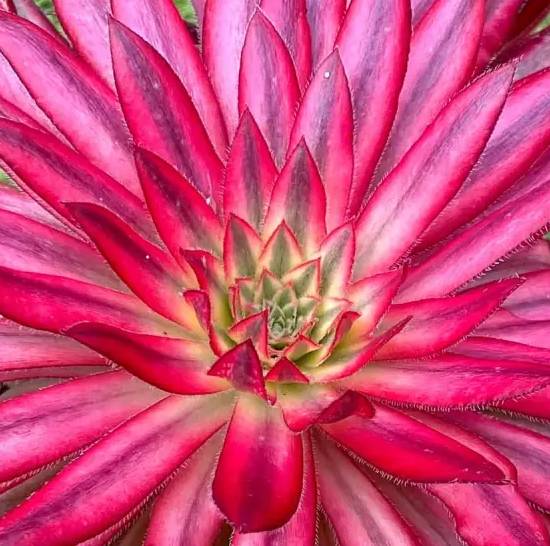
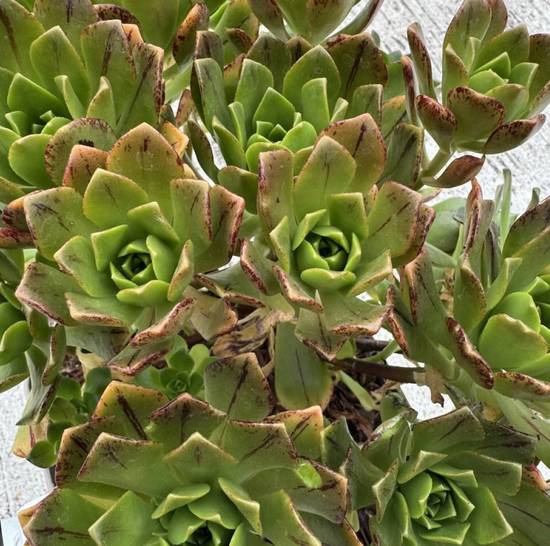
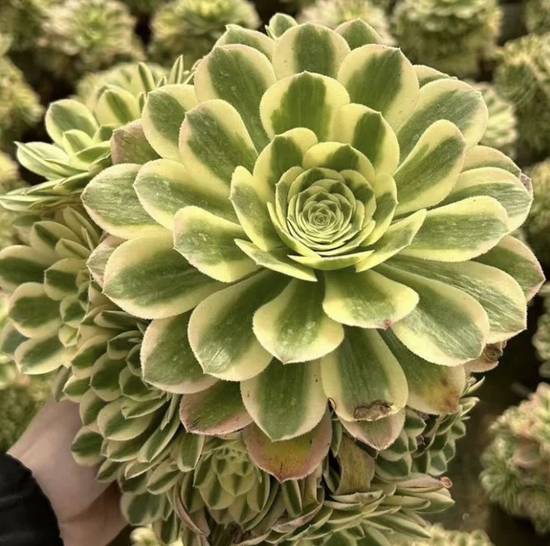
The Aeonium Maybach is an exceptional succulent born from careful horticultural hybridization, attracting attention with the deep beauty of its dark, fleshy rosettes. Its thick, glossy leaves display shades ranging from bronze green to deep purple, sometimes with violet or chocolate reflections depending on light and season. They are arranged in compact rosettes up to 20 cm in diameter, carried by thick stems that form a bushy and branched structure, giving it an elegant and graphic silhouette.

Particularly suited to container collections, this cultivar also thrives in rock gardens or Mediterranean-style landscapes. Its contemporary aesthetic makes it a prized ornamental plant for its sobriety and refinement. Thanks to its ease of care and resilience, Aeonium Maybach is also an excellent choice for beginners or enthusiasts looking to enrich their collection with unusual succulents.

The Aeonium Maybach is a modern horticultural cultivar, but its botanical ancestors originate from the Canary Islands. These volcanic lands with dry and temperate climates are home to many Aeonium species, whose drought-adapted traits were selected to create decorative varieties such as Maybach.
To thrive, Aeonium Maybach requires abundant light:

🌤️ Bright indoor light: Place near a well-exposed south- or west-facing window.

☀️ Outdoors: Prefers gentle full sun in spring and autumn.

⛱️ Summer protection: Provide light shade during the hottest hours.
Aeonium Maybach follows a specific rhythm:

🌱 Spring/autumn: Moderate watering every 10–15 days once soil is fully dry.

🌵 Summer dormancy: Very rare or no watering.

❄️ Winter: About once per month if kept cool.

⚠️ Excess water is more harmful than drought.
Aeonium Maybach prefers mild climates:

🌡️ Ideal: 15–25 °C.

❄️ Minimum: Briefly tolerates 5 °C if dry.
🪨 Perfect drainage is essential:

Cactus substrate + 30–50% perlite or pumice. Avoid peat-rich soils.
The flowering of Aeonium Maybach is rare but spectacular:

🕐 Period: Late winter or early spring.

🌼 Flowers: Small pale yellow or cream stars in large terminal panicles.

🔄 Monocarpic rosette dies after flowering but produces offsets.
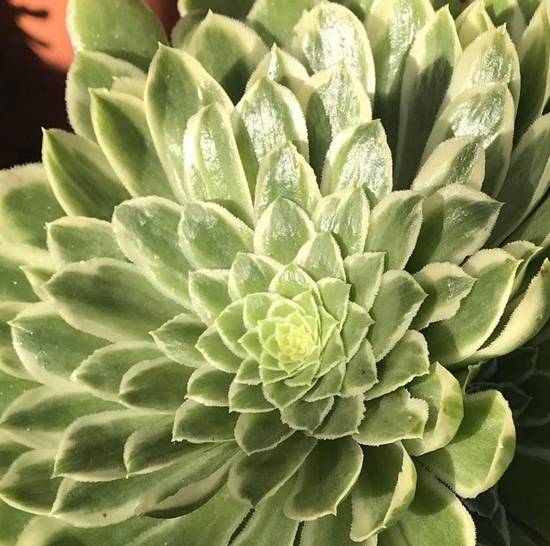
FAQ - Aeonium Maybach

What light is ideal for Aeonium Maybach?
This plant loves bright light. Gentle full sun or a spot near a very bright window ensures compact growth and intense colors.
How should Aeonium Maybach be watered properly?
Water only when the substrate is dry. During the growing season, about once every 10 to 15 days is sufficient. Reduce drastically in summer during dormancy.
What should you do if Aeonium Maybach leaves are falling off?
Falling leaves may indicate stress: overwatering, lack of light, or a normal reaction to summer dormancy. Adjust care according to the season.
Can Aeonium Maybach be grown indoors?
Yes, it grows very well indoors if given plenty of light. A south-facing window is ideal.
How can I tell if I have overwatered or underwatered my Aeonium Maybach?
Too much water causes soft, dark, or falling leaves. Too little water results in wrinkled or folded leaves. Carefully observe the foliage before watering.
What substrate should be used for Aeonium Maybach?
Choose a very well-draining substrate enriched with perlite or pumice for perfect drainage.
Is Aeonium Maybach hardy?
No, it does not tolerate freezing temperatures. Bring it indoors as soon as nights drop below 5 °C.
Should Aeonium Maybach be repotted regularly?
Repotting every 2 years is sufficient. Take the opportunity to refresh the substrate and check the condition of the roots.
What fertilizer should be used for Aeonium Maybach?
Use a low-nitrogen liquid fertilizer for succulents once a month during the growing season.
How can you stimulate flowering in Aeonium Maybach?
Provide good light exposure, controlled watering, and slight water stress at the end of winter. Flowering occurs on older rosettes and is rare indoors.