Aeonium Kilimanjaro

Aeonium Kilimanjaro
Aeonium Kilimanjaro
Aeonium Kilimanjaro

Aeonium Kilimanjaro

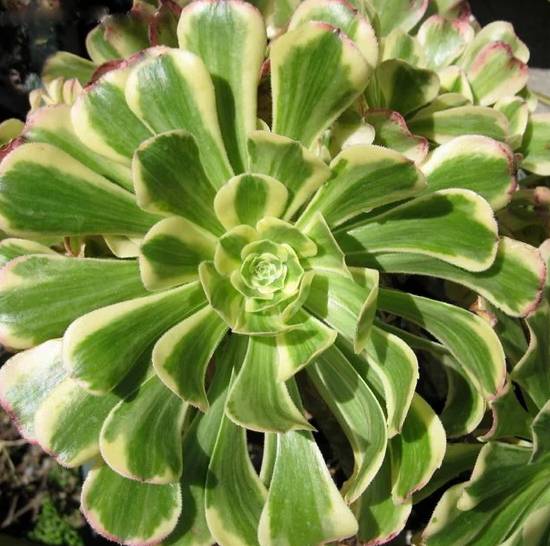
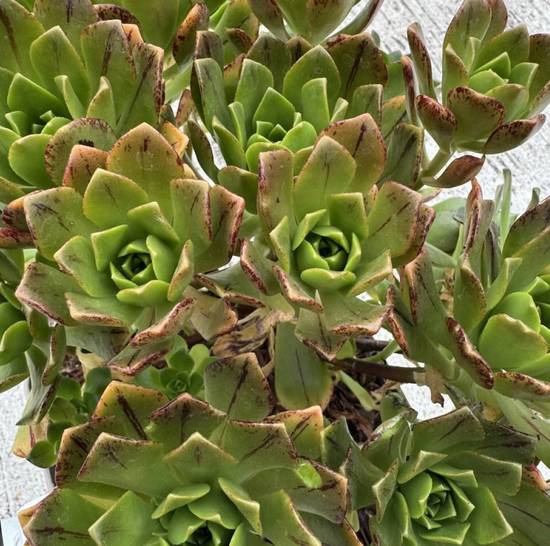
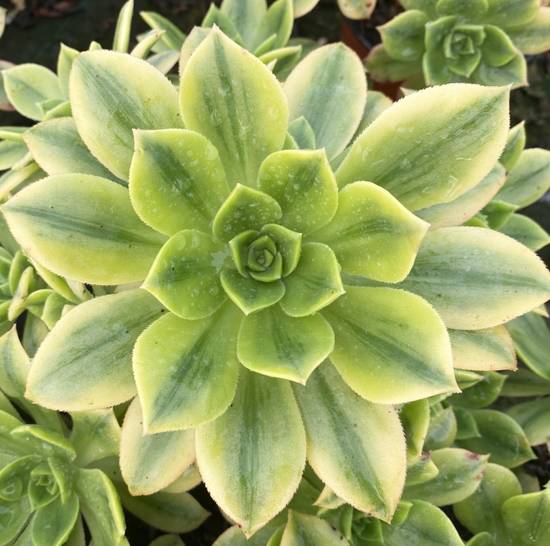
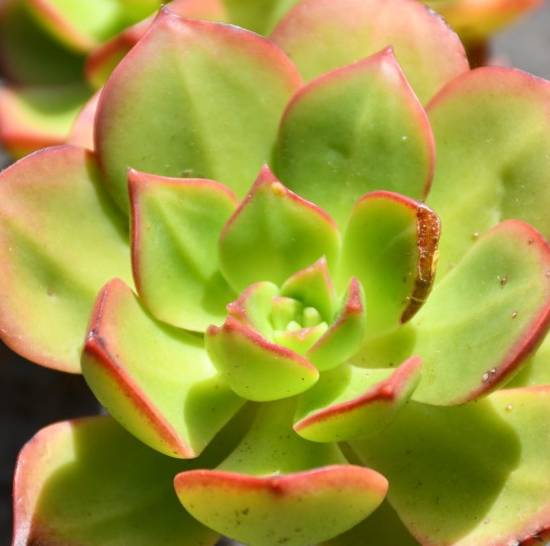
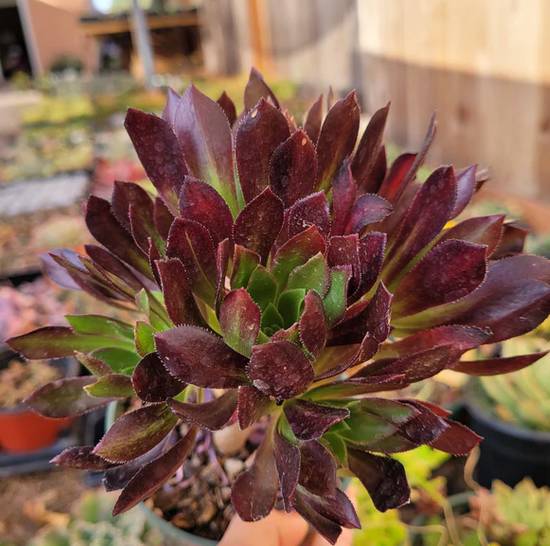
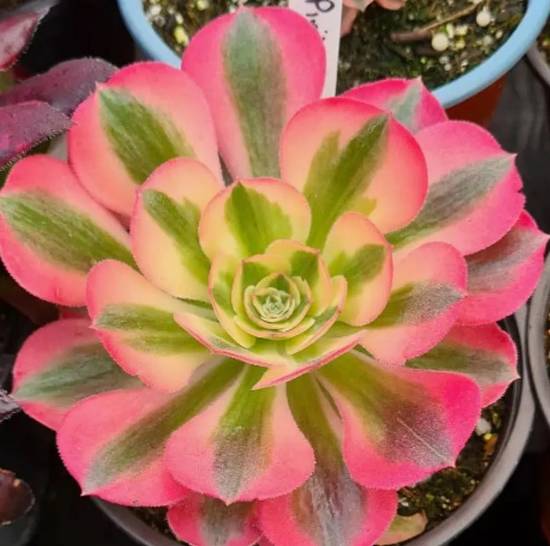
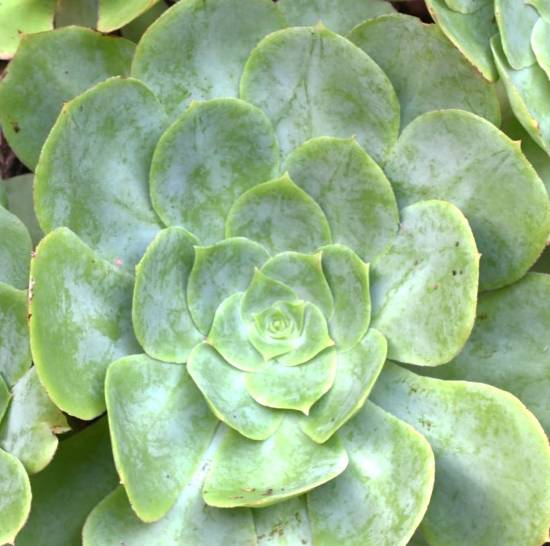
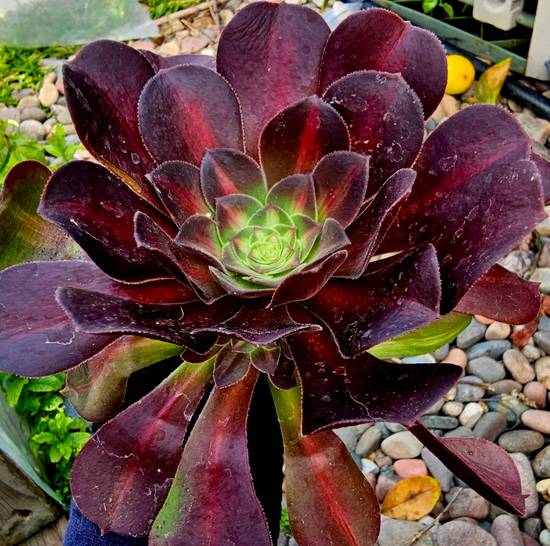
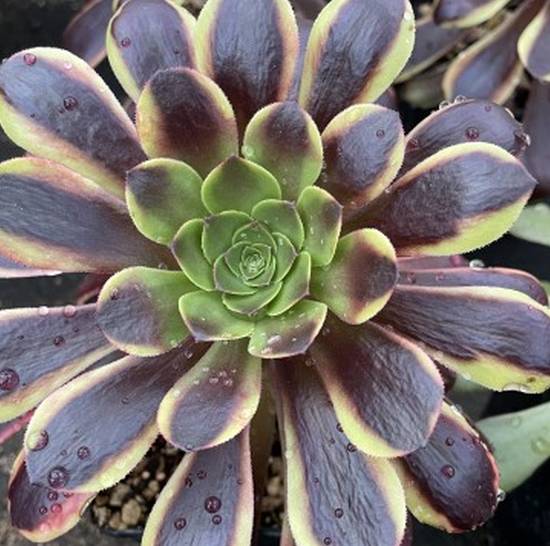
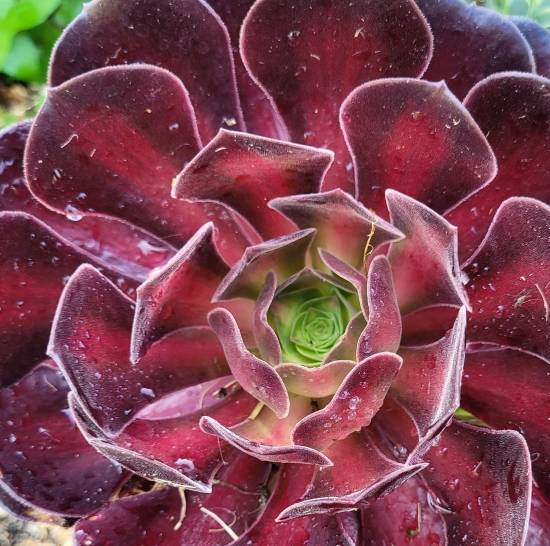
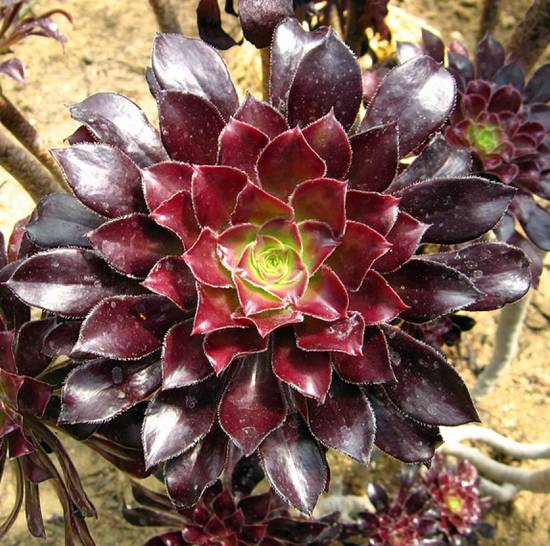
The Aeonium Kilimanjaro is an exceptional ornamental variety that stands out for its upright habit and graphic silhouette. Its elegant rosettes, with fleshy and glossy leaves, display a subtle gradient from light green at the center to slightly silvery or pale yellow reflections at the tips. This succulent grows tall, developing long branching stems that can create a “miniature tree” effect typical of certain Aeonium species. Rarely found in commerce, it is highly appreciated by indoor plant enthusiasts for its exotic elegance and ease of care.

Slow-growing, Aeonium Kilimanjaro eventually forms decorative bushes reaching 60 to 80 cm in height. It is ideal in pots on a balcony or terrace, as well as in bright interiors where it creates a strong decorative presence. It tolerates drought periods well and may enter summer dormancy during very hot conditions.

The Aeonium Kilimanjaro is the result of hybridization between Aeoniums endemic to the Canary Islands, a region renowned for its exceptional biodiversity. Although not found in the wild, this variety inherited the resilience and natural beauty of its parents. It was named “Kilimanjaro” in reference to its upright habit and imposing silhouette, reminiscent of the majestic slopes of the famous African volcano.
To reach its full potential, Aeonium Kilimanjaro needs bright light:

🌞 Bright light to gentle full sun: Provide light throughout the day while avoiding intense midday sun in summer.

🌤️ Indoor cultivation: Place near a well-exposed window. Lack of light may cause stem elongation.
Like many Aeonium, this variety requires precise watering:

💧 Spring/autumn: Water moderately when soil is dry, about every 10–15 days.

☀️ Summer: Reduce significantly during dormancy.

❄️ Winter: Space watering further and avoid standing water.
Aeonium Kilimanjaro prefers mild climates:

🌡️ Ideal: 18–25 °C.

❄️ Minimum: Down to 5 °C. Protect from frost.
🪨 Good drainage is key:

Use cactus and succulent substrate lightened with perlite or coarse sand. Top with pumice to prevent excess moisture.
The flowering of Aeonium Kilimanjaro is spectacular but rare:

🌸 Season: Mainly spring.

🌼 Appearance: Pyramidal clusters of small yellow to cream flowers on a central stem (monocarpic rosette).

✨ Prune after flowering to encourage offsets.
FAQ - Aeonium Kilimanjaro

What exposure suits Aeonium Kilimanjaro best?
Aeonium Kilimanjaro needs bright light to develop compact, colorful rosettes. Full sun (at least 5–6 hours per day) is ideal in spring and autumn. In summer, provide light shade if the sun is too intense.
How often should Aeonium Kilimanjaro be watered?
Water every 10 to 15 days during the growing season (spring/autumn), allowing the substrate to dry between waterings. Reduce drastically in summer dormancy and water about once a month in winter, or not at all if kept cool.
What substrate is recommended for Aeonium Kilimanjaro?
A well-draining substrate is essential. Mix suitable substrate with perlite and top with pumice to improve drainage.
Is Aeonium Kilimanjaro cold-hardy?
It tolerates temperatures down to 5 °C but is not frost-resistant. Grow it in a pot and bring it indoors when temperatures drop below 8–10 °C.
How can you recognize overwatering in Aeonium Kilimanjaro?
Overwatering causes soft, yellowing leaves that fall quickly. A black or soft stem base indicates early rot. Stop watering immediately and repot in dry, well-draining substrate.
Can Aeonium Kilimanjaro be propagated easily?
Yes, it propagates easily. Cut a rosette with a bit of stem, let it dry for a few days, then plant it in a well-draining mix. Rooting usually takes a few weeks.
What is the growing season of Aeonium Kilimanjaro?
It grows mainly in spring and autumn. In summer, growth slows significantly as it often enters dormancy. Slight drying of lower leaves during this period is normal.
Can Aeonium Kilimanjaro flower in a pot?
Yes, although it is rare. A mature rosette may produce a central flower stalk. After flowering, that rosette dies, but the plant survives through side rosettes. The flowers are yellow and star-shaped.
How large can a mature Aeonium Kilimanjaro grow?
In cultivation, it can reach 20 to 40 cm tall, with rosettes 10 to 15 cm in diameter. In Mediterranean climates, it may form small spreading bushes.
Should Aeonium Kilimanjaro be fertilized?
A succulent fertilizer is beneficial during the growing season. Use a suitable liquid fertilizer every 30 to 40 days from March to October.