Aeonium Nobile

Aeonium Nobile
Aeonium Nobile
Aeonium Nobile

Aeonium Nobile

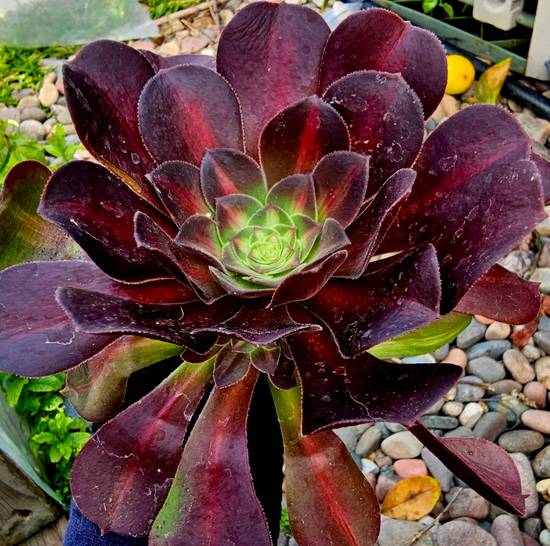
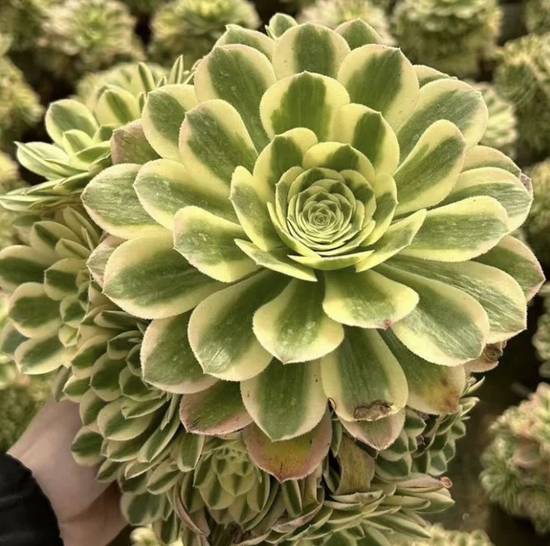
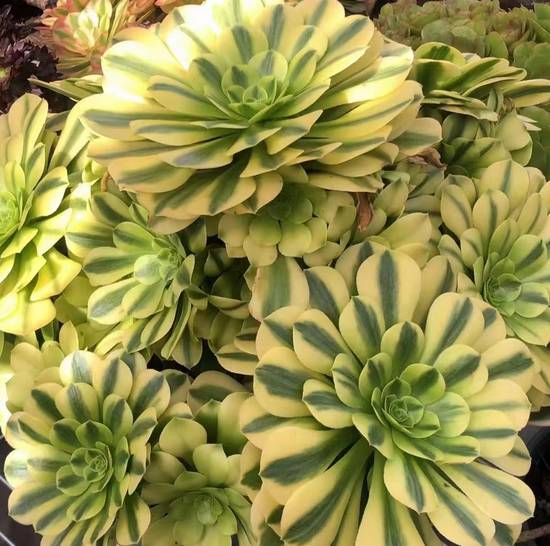
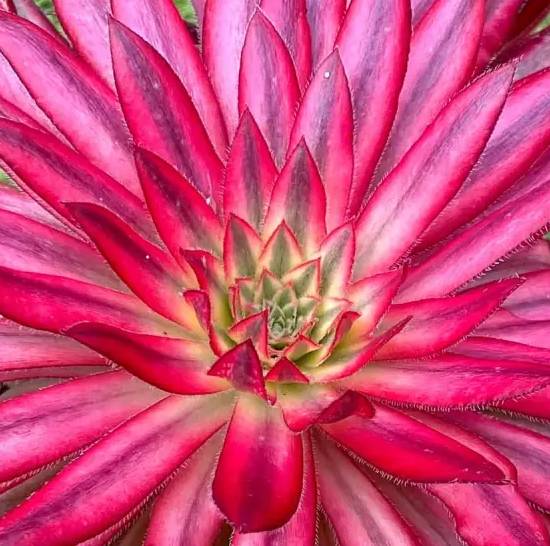
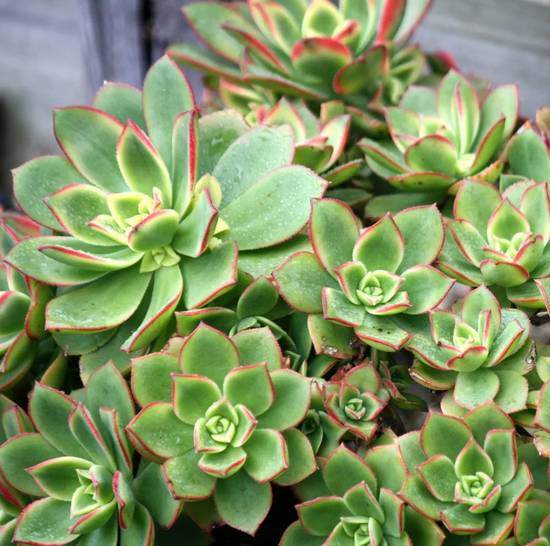
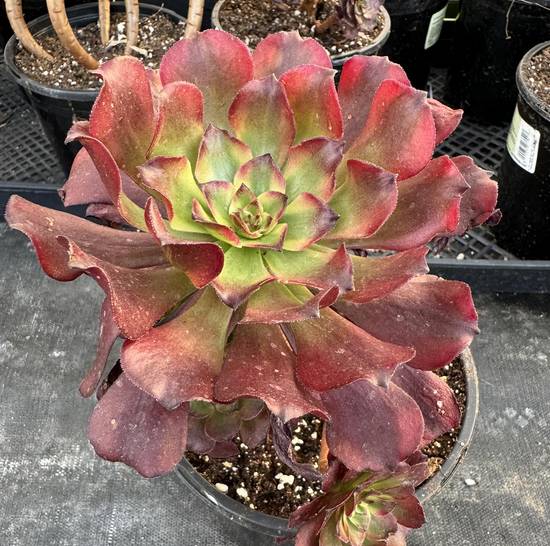
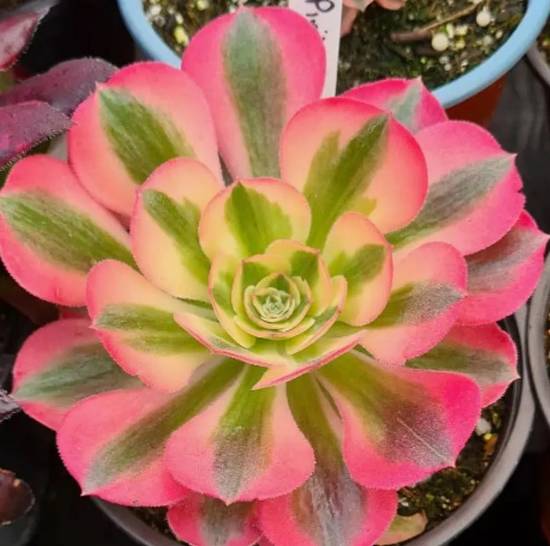
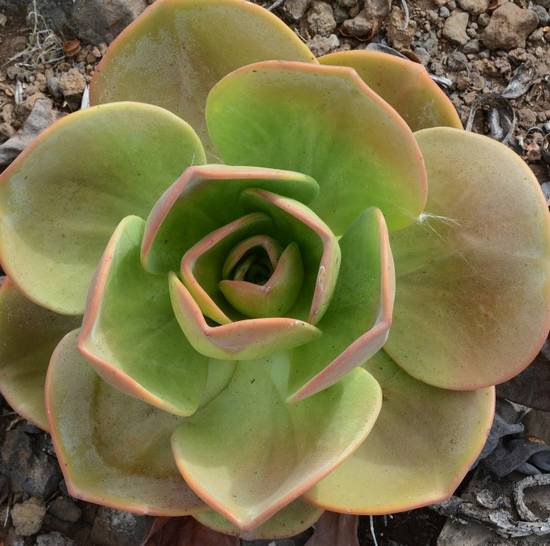
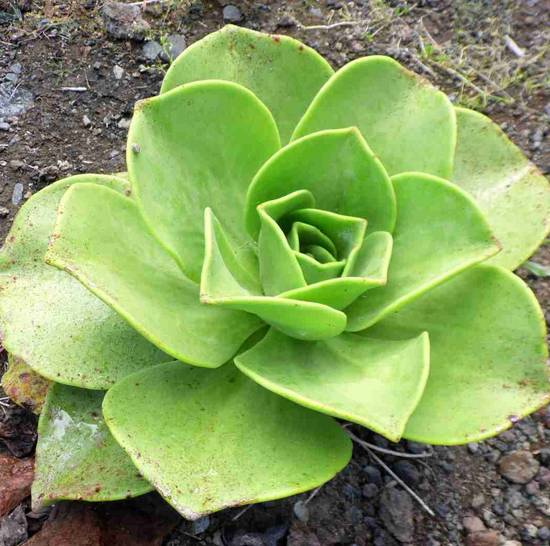
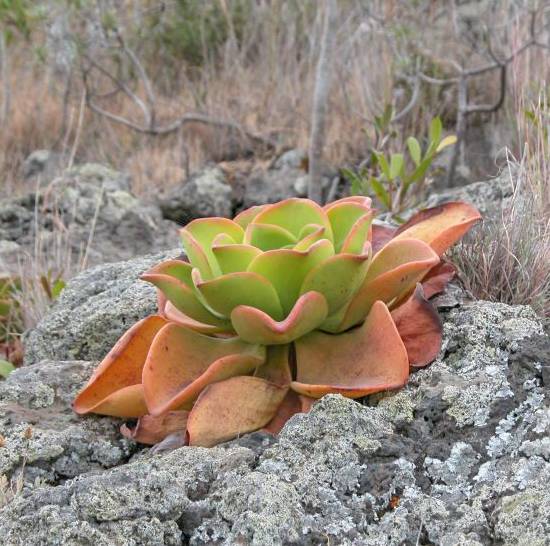
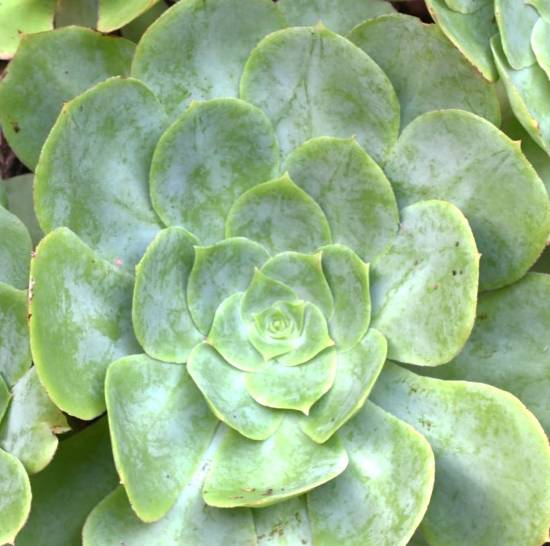
The Aeonium Nobile is undoubtedly one of the most impressive representatives of the Aeonium genus. Native to the Canary Islands, this spectacular plant produces a single massive rosette that can reach up to 50 cm in diameter. Its thick, fleshy leaves display light green to apple-green tones, sometimes edged with red or pink depending on light exposure and water stress. The flat, circular shape of the rosette resembles a large vegetal mandala, highly sought after by collectors.

What distinguishes Aeonium Nobile is its solitary rosette growth: it does not branch naturally like other Aeoniums. After several years, this single rosette dies after flowering but often leaves numerous offsets at its base if well cultivated. Its flowering is monumental, forming a conical inflorescence over 1 meter tall, covered with hundreds of red to orange flowers appreciated by pollinators.

Aeonium Nobile is a botanical species endemic to La Palma in the Canary Islands. It grows between 500 and 1,000 meters of altitude on volcanic cliffs and rocky sun-exposed terrain. Perfectly adapted to poor, dry, mineral soils, it withstands long drought periods. In its natural habitat, it is a pioneer species that helps stabilize volcanic substrates.
For optimal growth, Aeonium Nobile requires generous sunlight:

☀️ Full sun: Ideal for a flat and colorful rosette.

🌤️ Bright partial shade: Possible but greener appearance.

🏠 Indoors: Place near a very sunny south- or west-facing window.

Lack of light causes stretching and loss of compact form.
Like all Aeoniums, Aeonium Nobile follows a marked seasonal cycle:

🌱 Spring/autumn: Water every 10–20 days once soil is dry.

☀️ Summer dormancy: Very sparse watering.

❄️ Winter: About once per month if needed.

⚠️ Never allow water to stagnate in the central rosette.
Aeonium Nobile is subtropical:

🌡️ Ideal: 15–25 °C.

❄️ Minimum: 5 °C when dry. Bring indoors below 8 °C.
🪨 Excellent drainage is crucial:

Mineral cactus substrate + 30% perlite or pumice. Use a terracotta pot with drainage holes.
The flowering of Aeonium Nobile is spectacular:

📅 Period: Spring or summer after several years.

🌼 Inflorescence: Very tall conical structure with hundreds of red-orange flowers.

⚠️ Monocarpic: rosette dies after flowering but may produce offsets.
FAQ - Aeonium Nobile

Does Aeonium Nobile produce offsets?
Yes, although its main rosette is solitary, it can produce offsets at the base, especially after flowering or in favorable conditions.
What exposure is ideal for Aeonium Nobile?
Gentle full sun is ideal for achieving a beautiful red coloration. It also tolerates partial shade but will remain greener.
What is the optimal watering frequency?
Water every 10 to 20 days during the growing season and much less in summer. Always let the substrate dry thoroughly.
How can I tell if I am watering too much or too little?
Soft, black, or translucent leaves indicate overwatering. Wilted or folded leaves indicate underwatering. Adjust based on foliage appearance.
What soil should be used to repot an Aeonium Nobile?
A cactus substrate enriched with pumice or perlite is ideal for repotting.
Is it possible to propagate Aeonium Nobile?
Yes, by taking a well-formed offset with a bit of stem. Let it dry for a few days before planting.
What is the lifespan of the plant?
It can live 5 to 10 years before flowering. After flowering, the rosette dies, but offsets ensure continuity.
Can Aeonium Nobile stay outdoors all year round?
Only in frost-free regions (such as Mediterranean coastal areas). Elsewhere, it must be brought indoors in autumn.
What fertilizer is recommended?
A liquid fertilizer for succulents, diluted once a month in spring and autumn, is recommended.
Is Aeonium Nobile easy to care for?
Yes! It is a robust species, not very sensitive to disease, and ideal for beginners.