Pilosocereus Gounellei
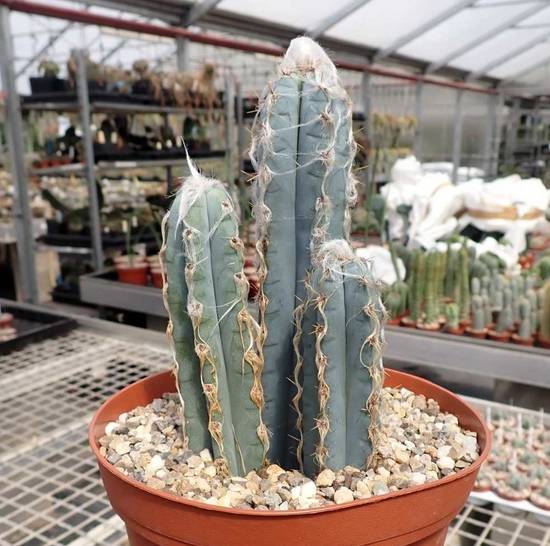
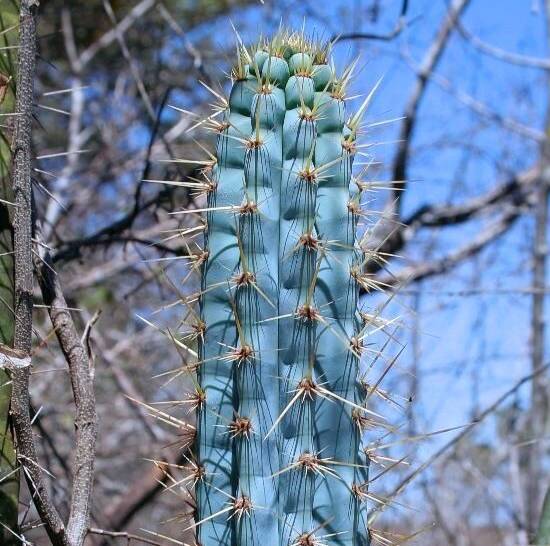
Among the most architectural cacti of northeastern Brazil, Pilosocereus Gounellei stands out for its stature, robustness, and typical candelabra silhouette. Highly symbolic of the semi-arid landscapes of the Sertão, this columnar cactus impresses both with its beauty and its adaptation to the harshest conditions.
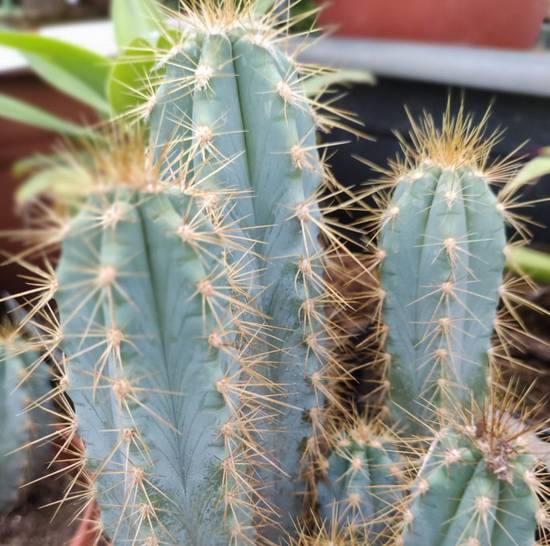
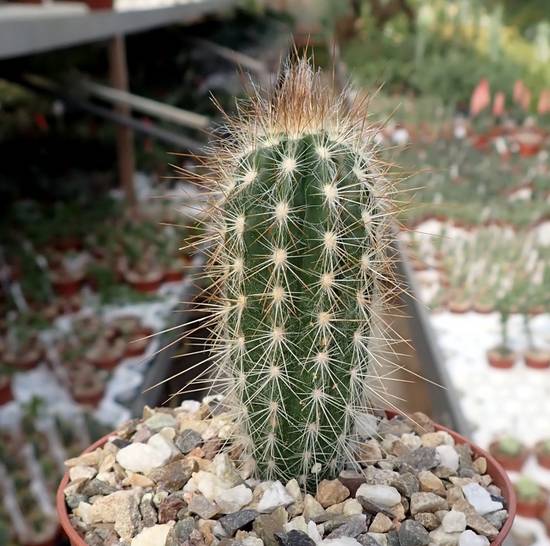
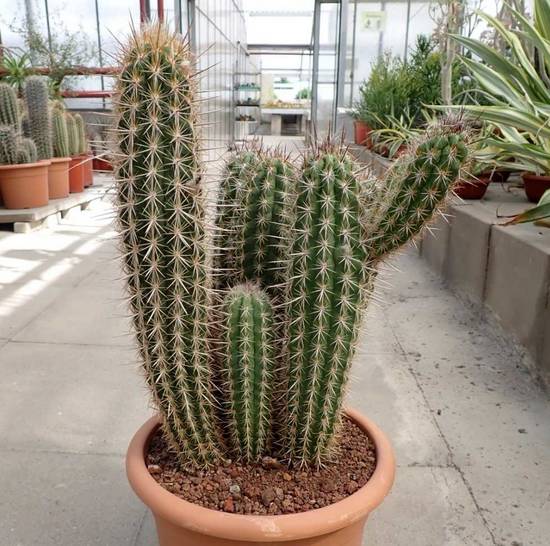
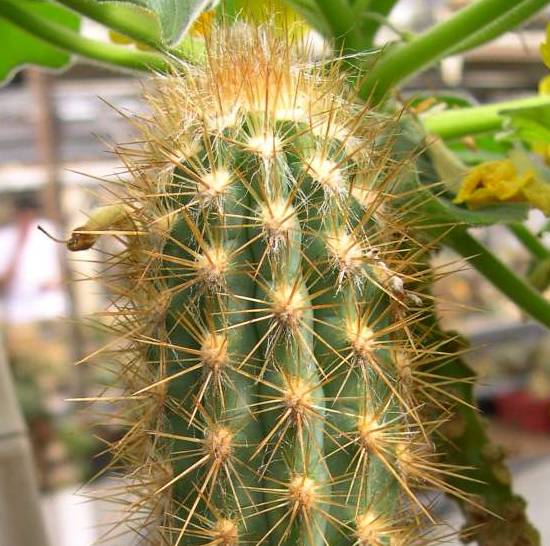
Pilosocereus Gounellei forms tall upright stems, often branching from the base, reaching several meters in height in its natural habitat. Its bluish-green or gray-green skin, sometimes powdery, is marked by numerous pronounced ribs. Woolly areoles line its ribs, sometimes adorned with brown or white hairs that become more visible with age. Its spines, though present, are not aggressive compared to other species of the same genus.
In pots, it remains reasonably sized and makes a magnificent vertical element in a collection. Its growth is relatively fast if conditions are right: warmth, sun, drainage, and space. It is a cactus that embodies strength, resilience, and wild beauty.
🌞 Full sun: Minimum 6 to 8 hours of direct light per day.
🌤️ Gradual transition: When coming out of winter rest or indoor cultivation, gradually acclimate it to direct light.
🏜️ It thrives perfectly in a greenhouse, south-facing balcony, or in the ground in the warmest regions.
💧 Spring-summer: Generous watering every 15 to 20 days, only when the substrate is perfectly dry.
🍂 Autumn-winter: Drastically reduce watering. If kept cool (<10°C), no watering at all.
⚠️ Stagnant water or prolonged humidity are the main causes of rot.
🌡️ Ideal: Between 25 and 35°C during the growing period.
❄️ Cold resistance: Down to 5°C occasionally if the substrate is completely dry.
🏠 Overwintering: In a bright and cool room (8 to 12°C) to induce vegetative rest.
🪨 Recommended mix: cactus soil (40%) + perlite (30%) + pozzolana (30%)
🌸 Season: Summer
🎨 Flowers: Tubular, white to greenish, sometimes tinged with pink
🌙 Special feature: Nocturnal flowers, opening in the evening and closing at dawn. Pollinated by bats or moths.
💡 Flowering is rare in pots but possible on well-grown mature specimens.