Mammillaria Decipiens

Mammillaria Decipiens

Mammillaria Decipiens

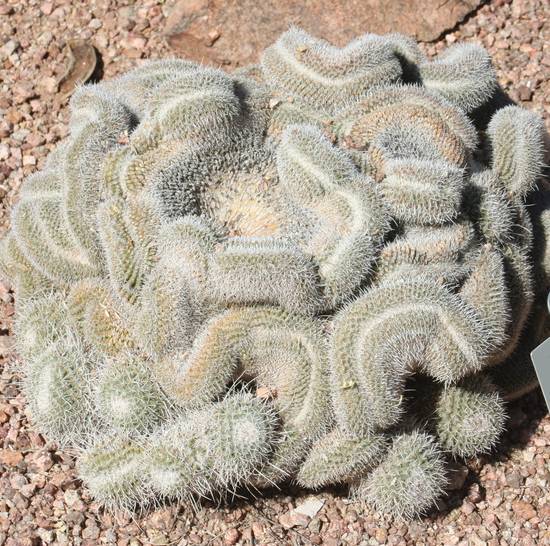
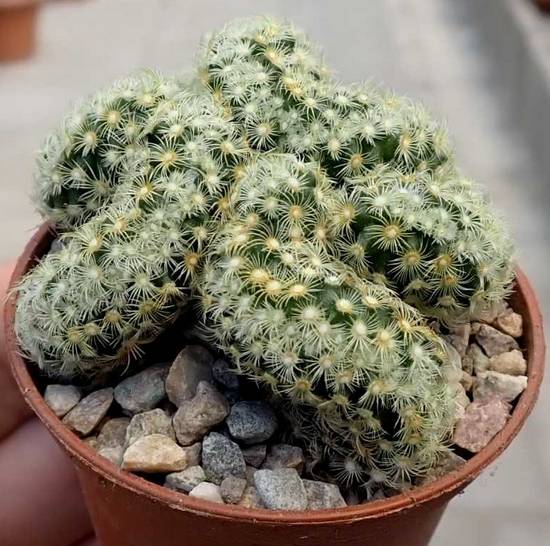
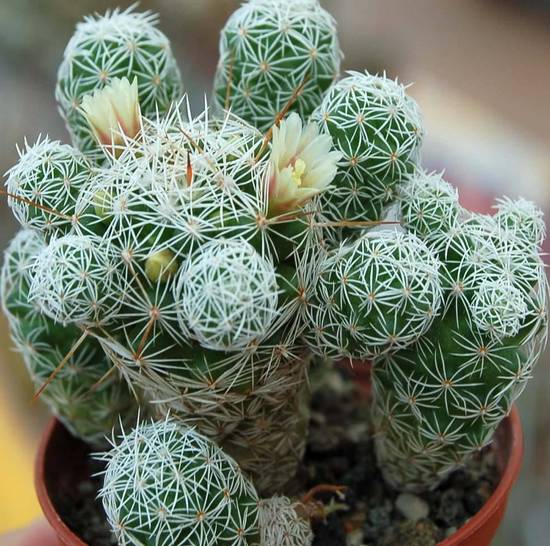
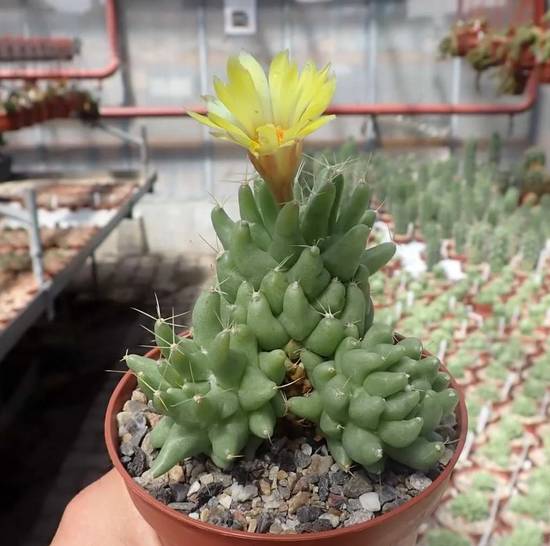
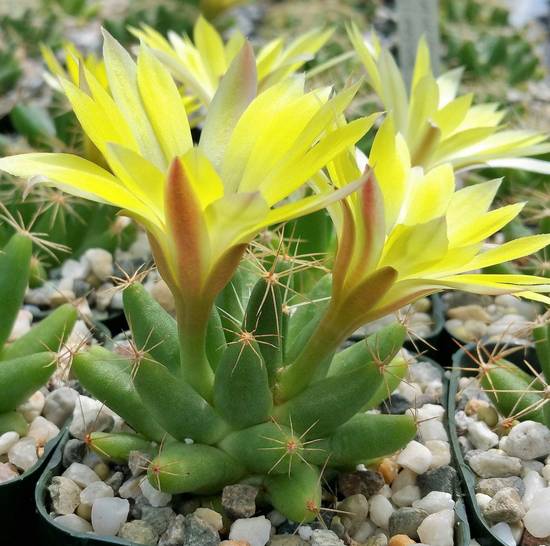
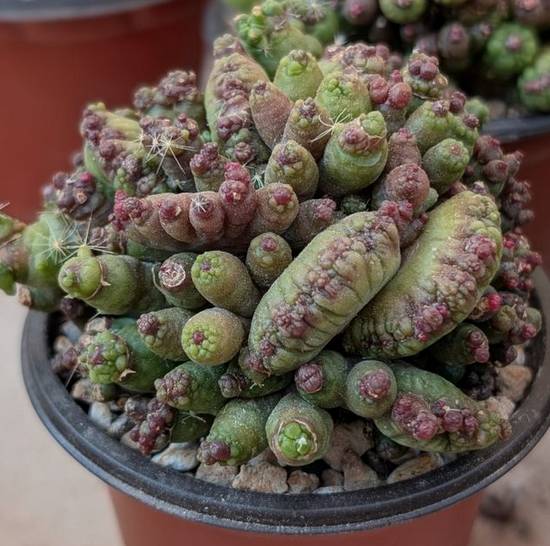
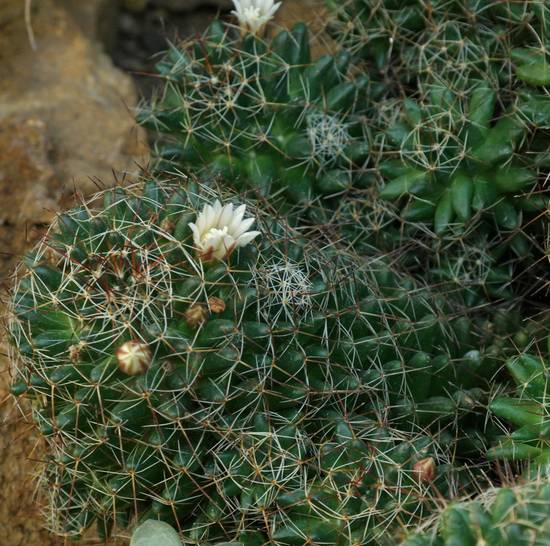
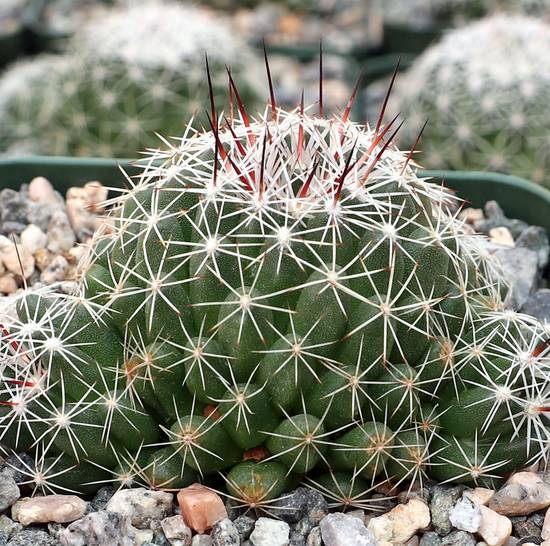
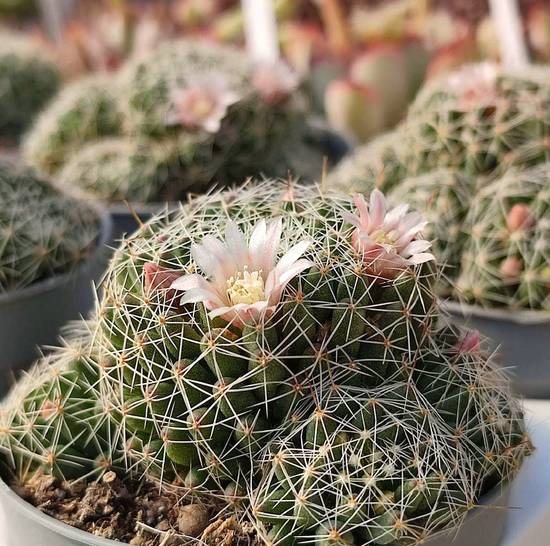
Compact and bright, Mammillaria Decipiens forms with age low cushions made of globular to short cylindrical stems. The conical tubercles bear woolly areoles from which fine, often whitish radial spines emerge, along with a few discreet central spines that highlight the plant’s geometry without making it aggressive to the touch. Under good light, the epidermis of Mammillaria Decipiens remains bright green, sometimes tinged with grey-green, while the spination lightens and enhances its decorative “frosted” appearance.

In pots, Mammillaria Decipiens stays modest but spreads through offsets, making it an excellent candidate for shallow bowls, very bright indoor mini rock gardens and south/east-facing windowsills. When well grown, it produces successive waves of buds on the upper part of the stems, turning a small pot into a true “mini bouquet.”

Native to semi-arid limestone areas of north-central Mexico, Mammillaria Decipiens colonizes rocky slopes and outcrops where rainfall is brief, ventilation high and drying rapid. These conditions explain its preference for a very mineral substrate, spaced watering and a bright, dry winter rest in cultivation.
To maintain a compact clump, Mammillaria Decipiens requires plenty of well-balanced light.

🌞 Ideal: gentle morning sun (3–5 h) + strong brightness in the afternoon.

🌤️ Summer: filter behind south-facing glass during peak heat; acclimate after winter.

🏠 Indoors: very bright south/east windowsill or grow lights.
Adapted to brief showers, Mammillaria Decipiens prefers thorough but spaced watering on a mix that has dried completely at depth.

🌱 Spring/Summer: generally every 10–14 days depending on heat and pot size.

🍂 Autumn/Winter: almost dry in cool bright conditions; gradual resumption in spring.

Tip: terracotta pot + drainage layer = rapid drying.
Built for bright warmth, Mammillaria Decipiens tolerates brief cool spells if dry.

🌡️ Ideal: 18–28 °C in growth.

❄️ Minimum: 0–5 °C dry depending on origin; avoid prolonged frost in wet substrate.

🏠 Rest: bright, cooler, almost dry winter to induce flowering.
To mimic its native screes, Mammillaria Decipiens requires a very mineral, airy and draining mix.

🪨 Base: cactus soil heavily amended with minerals (sand/gravel) + added perlite and pozzolana top dressing at the collar.
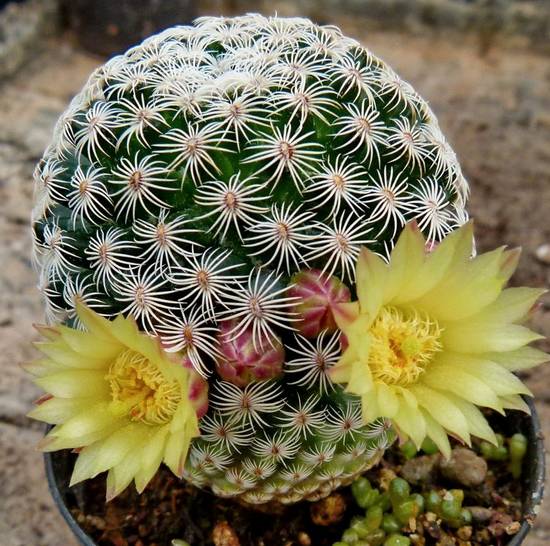
When the cycle is respected, Mammillaria Decipiens crowns itself with a ring of flowers.

🌸 Period: spring, sometimes summer repeat.

🎨 Colors: cream to pale pink, sometimes deeper pink, light throat.

🕑 Keys: generous light, dry winter rest, very moderate feeding.
FAQ - Mammillaria Decipiens

How to densify the spination of Mammillaria Decipiens without stressing it?
Prioritize morning light, spaced watering and mineral mulch at the crown; a pumice mulch helps keep the base clean and dry.
What pot size favors a compact cushion of Mammillaria Decipiens?
Choose terracotta, shallow but wide, with a drainage layer and airy mix; drainage granules at the bottom and a well-mineralized cactus potting soil work very well.
Can Mammillaria Decipiens be grown under LED lighting?
Yes, 10–12 hours per day with ventilation; use a cactus potting soil mixed with minerals to avoid suffocation and maintain compact growth.
What is the annual care schedule for Mammillaria Decipiens?
Spring: gentle restart and light feeding; summer: spaced watering; autumn: reduction; winter: bright dry rest. A very diluted succulent fertilizer supports the active season.
What common mistakes should be avoided with Mammillaria Decipiens?
Avoid oversized pots, repetitive watering and heavy substrates; favor a well-draining cactus and succulent substrate.
What plant combinations enhance Mammillaria Decipiens in a bowl arrangement?
Combine with small Echinopsis and Rebutia on a mineral base; a pumice mulch enhances contrast and keeps the crown dry.
How to correct chlorosis on Mammillaria Decipiens?
Check drainage and light, flush the mix, then apply a low-dose cactus fertilizer rich in trace elements, only on moist substrate.
Should the pot of Mammillaria Decipiens be rotated regularly indoors?
Yes, rotate 1/4 turn per week to balance growth, and keep an airy mix such as cactus potting soil to dry quickly between waterings.
Which propagation method should be preferred for Mammillaria Decipiens?
Offsets preserve the clone, seeds add variability; place cuttings in a draining mix with drainage granules and water very sparingly until established.
How to sustainably limit mealybugs on Mammillaria Decipiens?
Improve ventilation, give occasional lukewarm showers and keep the crown dry with a pumice mulch; watering should be thorough but spaced.